



How to Respond to Excited Delirium
Because you, as law enforcement officers, are often required to control subjects in various stages of agitation, it is important for you to understand that some of these subjects will be in a state of extreme physiologic stress. This state is often called "excited or agitated delirium."


Because you, as law enforcement officers, are often required to control subjects in various stages of agitation, it is important for you to understand that some of these subjects will be in a state of extreme physiologic stress. This state is often called "excited or agitated delirium."
The condition of Excited Delirium is associated with a high risk of sudden death and is recognizable by its constellation of symptoms and signs, which may include: agitation, incoherence, elevated body temperature, paranoia, inappropriate and often violent behavior, constant motion, and feats of incredible strength.
NO SINGLE CAUSE
Subjects experiencing Excited Delirium have died in various situations, sometimes after exposure to less-than lethal weapons. But research into the effects of pepper spray, TASERs, and some restraint techniques has been performed to determine their role in Excited Delirium, and no single cause has been identified.
Most credible experts believe that Excited Delirium allows a subject to exhaust himself to death and that this phenomenon is independent of any device or technique used upon the subject. These beliefs are largely supported by the known scientific research.
Excited Delirium is generally considered to be a potentially life-threatening medical emergency because of the significant metabolic stress that it can place on the body and the fact that the subject experiencing it does not recognize the seriousness of his or her own condition.
Risk factors for developing this condition appear to include male gender, illicit stimulant abuse (usually long term), a known underlying mental illness disorder (especially schizophrenia and paranoid conditions), or a history of taking mental illness medications. You can probably think of numerous persons in your own community who have several of these risk factors. Being aware of these subjects in advance may be advantageous to you, as they represent a segment of your own community that is likely to be at higher risk for this type of problem to develop.
WHAT YOU CAN DO
Since Excited Delirium is a medical condition, you may wonder what you, the patrol officer, can do to render aid in these situations.
There are generally two basic things that you can initiate in your own work practices that will greatly assist these people.
Learn to Recognize the Condition—Perhaps one of the more difficult things to learn is recognition of Excited Delirium. While the subject's behavior may be of law enforcement concern and the person must be controlled for the safety of themselves and those around them (a primary law enforcement duty), he or she must also be evaluated by medical professionals sooner rather than later. The only way that this will happen is for you to recognize the condition early on. Delirious, agitated, and inappropriate behavior is the best way to recognize Excited Delirium. This is much different than the often slowed, dulled, and inappropriate behavior of simple alcohol intoxication.
I have reviewed hundreds of sudden death reports in my research and some common behavior themes in Excited Delirium cases are:
″ Inappropriately running in traffic
″ Partial or full public nudity
″ Inappropriate and unprovoked acts of violence such as attacking windows, homes, cars, lights, etc.
If you recognize this behavior upon arrival and can correlate it with some of the risk factors or other symptoms/signs as described above, it is likely that you are dealing with a case of Excited Delirium.
Call for Help—One of the first things you should do upon recognizing an Excited Delirium case is to call for backup. These subjects are difficult to control and can demonstrate paranoia, inappropriate violence, and feats of great strength.
Next, call for an EMS response. Remember that Excited Delirium subjects are at high risk for sudden death. This is not the person that you want to place unattended in the back of your squad car once he or she is controlled. If the subject goes on to have a problem, it is much better to have him in the back of an ambulance with EMS personnel in attendance. Your goal should be to have EMS stage away from the scene but arrive as soon as you have the subject controlled so he or she can be evaluated. Too often, this point is forgotten and EMS is not called until the person collapses late in the control process.
These subjects will likely need rapid and aggressive medical sedation and evaluation at a hospital. If initiating something like this in your community would represent a change from how you currently operate, you may need to alert your EMS authority of this change in practice and why it is a good idea.
Your risk of running into a subject suffering from Excited Delirium is increasing, probably due to the rise in illicit stimulant use and mental illness in our communities. Because of this, it is inherent upon you to learn to recognize this syndrome for what it is: a medical emergency. I encourage you to teach yourself more about Excited
Delirium and request that your agency provide you with appropriate training resources.
Dr. Jeffrey Ho is a board-certified emergency medicine physician and a Fellow of the American College of Emergency Physicians. He regularly consults with law enforcement agencies on issues of in-custody death.
More Patrol

Adept Armor Introduces Two New Rifle Plates
Adept Armor has launched two new Level IV ballistic plates, the Emperor and the Archon Mark 2, which brings Adept Armor’s new Quatroid ceramic to the high-threat, performance-value center of the range at 5.2 pounds.
Read More →
POLICE Product Test: Benchmade Bailout
The Benchmade Bailout is a slim, lightweight carry knife with a deep-ride pocket clip and comes in a variety of blade steels and scales. Here is a detailed review of the Taiga Green Bailout, released earlier this year.
Read More →
NLEOMF Announces July 2026 Officer of the Month
NLEOMF honored a Michigan deputy sheriff as the July 2026 Officer of the Month for rescuing a trapped driver from a burning vehicle following a Fourth of July crash.
Read More →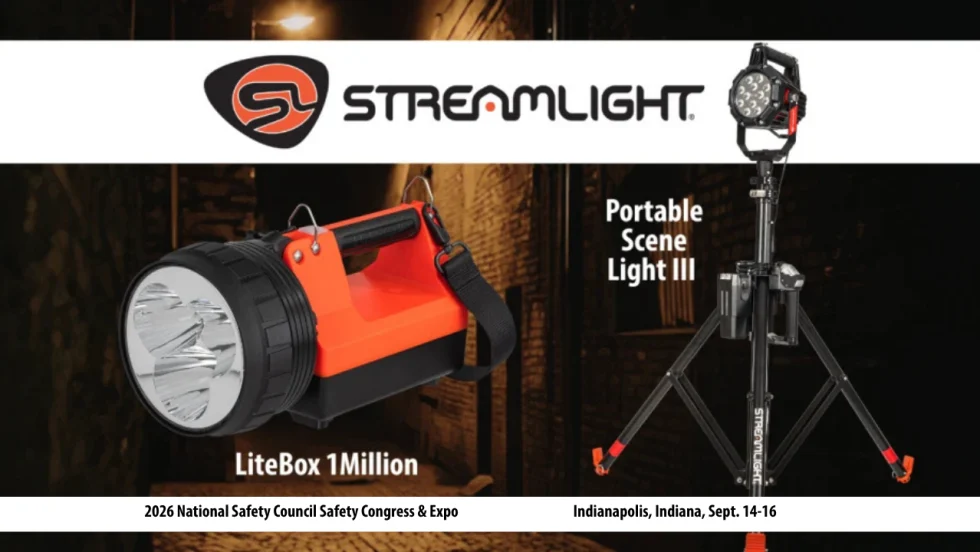
Streamlight to Showcase Newest Lighting Products at National Safety Council’s Safety Congress & Expo 2026
Streamlight will showcase its latest lights, including the Portable Scene Light III and the LiteBox 1Million, at the 2026 National Safety Council (NSC) Safety Congress & Expo.
Read More →
The 2027 World Police & Fire Games Set for Perth, Australia
The 2027 World Police & Fire Games (WPFG) will take place in Perth, Western Australia, from Friday, March 12 through Sunday, March 21, 2027.
Read More →
5.11 Partners with National Fallen Firefighters Foundation to Support #ForThe343
5.11 has joined the nationwide movement honoring the 343 New York City Fire Department firefighters lost on Sept. 11, 2001.
Read More →
Team Wendy Announces Title Sponsorship of the Jorge Pastore Foundation
Team Wendy’s 3-year partnership with the Jorge Pastore Foundation expands access to programs that strengthen those who serve.
Read More →
National Law Enforcement Memorial and Museum Hosting 9/11 25th-Year Commemoration Ceremony
The National Law Enforcement Memorial and Museum is hosting a 9/11 25th Year Commemoration Ceremony on Sept. 11 at 4 p.m.
Read More →
National Law Enforcement Officers Memorial Fund Announces June 2026 Officers of the Month
The National Law Enforcement Officers Memorial Fund (NLEOMF) named 15 officers of the Chico Police Department (California) as the Officers of the Month for June 2026 for their roles in responding to an active-shooter incident at a public library.
Read More →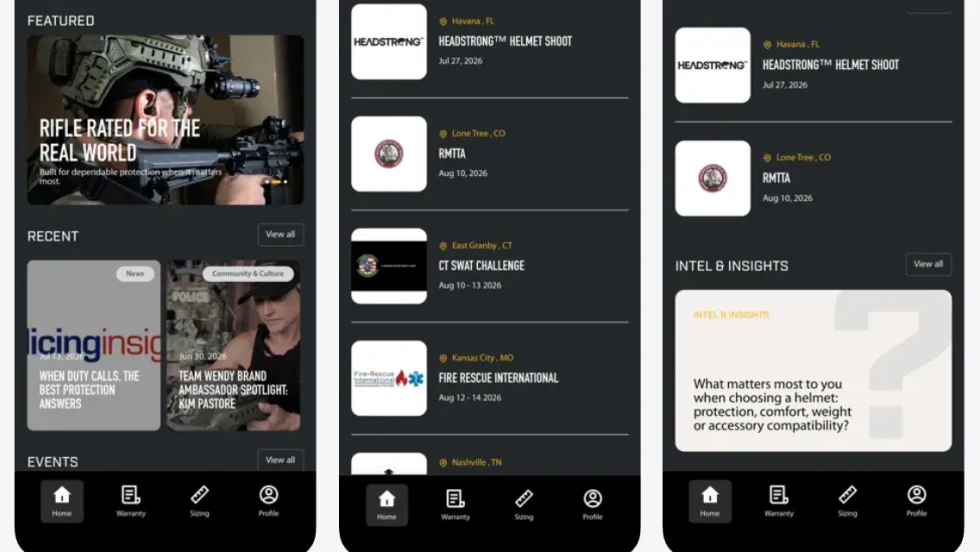
Team Wendy App Creates New Digital Hub for Helmet Owners
The Team Wendy Community App provides one location for warranty registration, size-fit tools, product updates, and community connection. For helmet owners, the new app creates a simpler path to the information and tools that matter most.
Read More →