



How to Interview a Child
Interviewing a child is in some ways very similar to interviewing any crime victim but, in some ways, it's very different. The first hurdle is to get the child to open up.


Interviewing a child is in some ways very similar to interviewing any crime victim but, in some ways, it's very different.
The first hurdle is to get the child to open up.
Second, the child needs to be able to communicate what has happened in a manner that leaves no ambiguity as to the nature of the offense.
The investigator must accomplish this while protecting against any pro forma allegations of coercion, suggestiveness, manipulation, and/or intimidation of the victim that might later be made by the defense.
Determining the setting and manner in which a child is interviewed goes a long way toward fostering a successful interview. Martha Finnegan is a Child Interview Specialist with the Federal Bureau of Investigations who has hundreds of child interviews under her belt. Finnegan recommends using child advocacy centers, when available, for interviews. Otherwise, unless the crime was alleged to have taken place there, the child's home tends to be the most comfortable setting for pre-schoolers and school-age children. Pre-adolescents and adolescents may prefer a different secure setting. In any event, the setting should be devoid of any unnecessary distractions such as toys or television sets.
Once the interview site is chosen, the child needs to be informed about the investigator's purpose and the importance of the victim's assistance with the interview process. The child needs to know that it's acceptable to tell the interviewer they don't know the answer to a question, and that they should correct the interviewer if he or she is mistaken about a fact.
Avoiding mistakes is of paramount responsibility to the investigator, who needs to be sensitive to the linguistic differences among different victims. Some children use words like "boo-boo," which can be a reference to a small injury or to a private part. A common colloquial for private parts in some Latin cultures is "pollo" (Spanish for "chicken"). Establishing which words each victim uses to reference his or her private parts of the body can avoid further misunderstandings.
Many children prefer to use props to identify body parts and describe alleged abuses. Dolls or anatomical diagrams can help a child illustrate how the suspect interacted with him. The use of an inanimate object also avoids making the child the object of abuse, as the victimizer had originally done. Whether words or props are utilized, there should be no ambiguity about how the child perceives his own body parts and the suspect's actions.
Child victims commonly produce drawings, disjointed renderings, or pictures that emphasize genitalia to communicate their thoughts and ideas. In order for an investigator to accurately interpret these renderings, the child must be able to describe the persons and locations depicted in the drawings, in addition to what is happening, has just happened, or is going to happen to them.
Throughout the interview the investigator should be aware that his own credibility is being evaluated by the child, as well. The child's perception of the investigator as an authority figure is nowhere more important than in those situations where a child has been victimized by another authority figure, such as a priest or Scoutmaster. In these cases, it is important to relate to the child as a friend or confidant. Investigators must disarm the child of any fears that may have been implanted, intentionally or not, by others, including the suspect. Any fears of reprisals to the child or the child's family, as well as any belief that the child could have been responsible for what may have occurred, must be quelled.
Finnegan emphasizes the need for investigators to know and adhere to established interview protocols for children. She notes that each age demographic has its own prospective landmines. Small children can be quite susceptible to suggestion; older victims tend to be more reticent to communicate what happened. These can be formidable obstacles in getting accurate information while simultaneously safeguarding against leading or suggestive questioning.
Investigators should also be cognizant of the potential for victims to come forth with additional post-interview information. Finnegan cautions against investigators assuming that such information is necessarily fabricated as many victims may resort to piecemeal dissemination as they deal with trauma. Indeed, some investigators may readily assume that children coming forth during a divorce proceeding may have only done so at the behest of a parent, when in fact they may have only started to feel comfortable coming forth on the matter with the suspect no longer living under the same roof.
Investigators are increasingly finding favor with simply allowing the victim to tell the story in his own manner over a period of time, as opposed to asking questions that may later be characterized as leading. By asking generic questions based upon recall memory—for example, "What did you do yesterday?"—interviewers can avoid clouding the waters with information obtained by recognition memory-based questions that may include risky prompts. Finnegan also cautions against additional interviews of the victim unless it is believed that information obtained will result in the filing of new or additional charges.
While risky prompts are sometimes inevitable in cases wherein crucial facts remain unknown, they are best left for the end of an interview. By encouraging the child to tell his or her story in their own way until then, the investigator optimizes his chances for a successful investigation and, more importantly, justice for the victim.
More Patrol
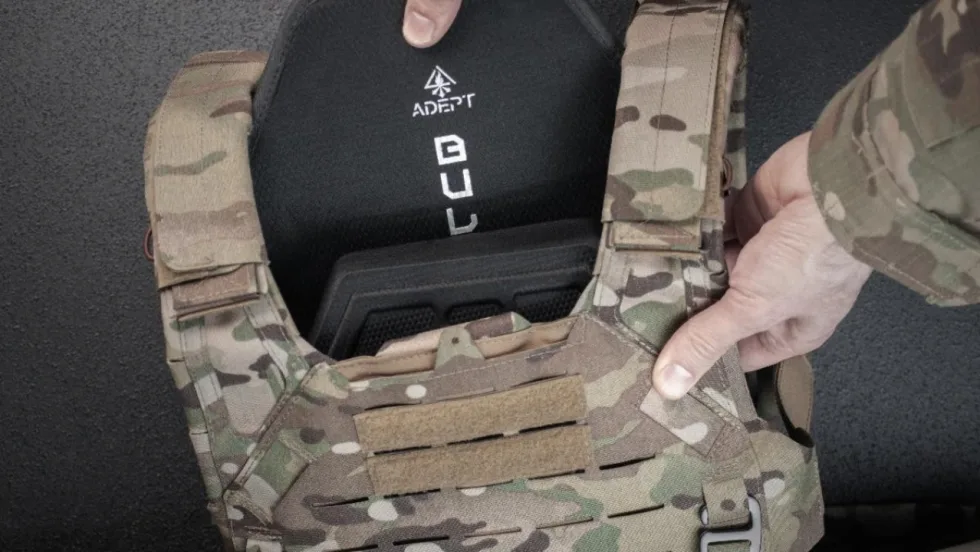
Adept Armor Introduces Two New Rifle Plates
Adept Armor has launched two new Level IV ballistic plates, the Emperor and the Archon Mark 2, which brings Adept Armor’s new Quatroid ceramic to the high-threat, performance-value center of the range at 5.2 pounds.
Read More →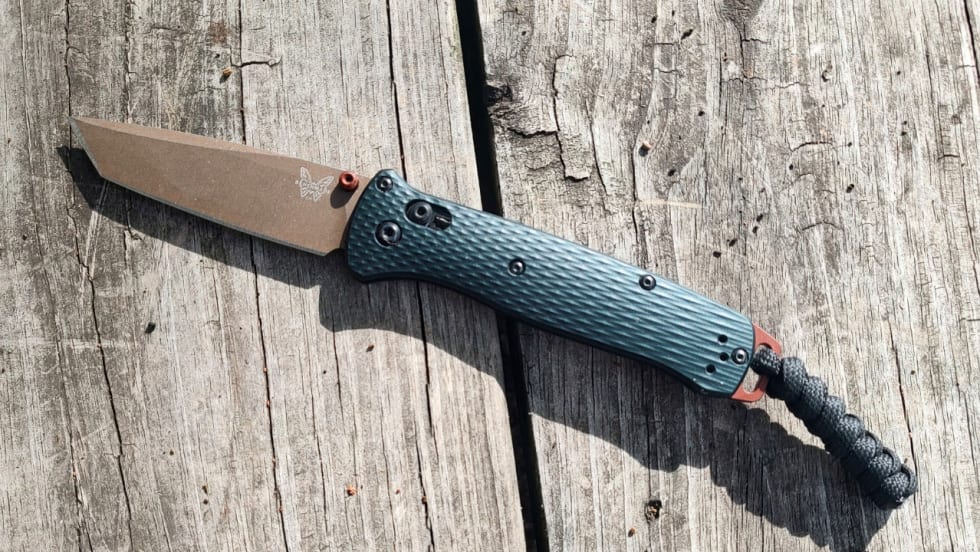
POLICE Product Test: Benchmade Bailout
The Benchmade Bailout is a slim, lightweight carry knife with a deep-ride pocket clip and comes in a variety of blade steels and scales. Here is a detailed review of the Taiga Green Bailout, released earlier this year.
Read More →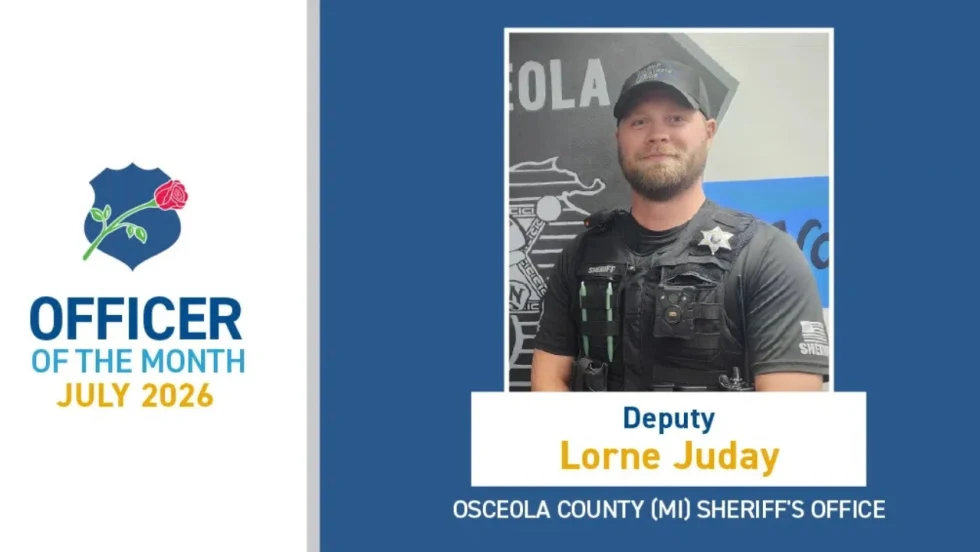
NLEOMF Announces July 2026 Officer of the Month
NLEOMF honored a Michigan deputy sheriff as the July 2026 Officer of the Month for rescuing a trapped driver from a burning vehicle following a Fourth of July crash.
Read More →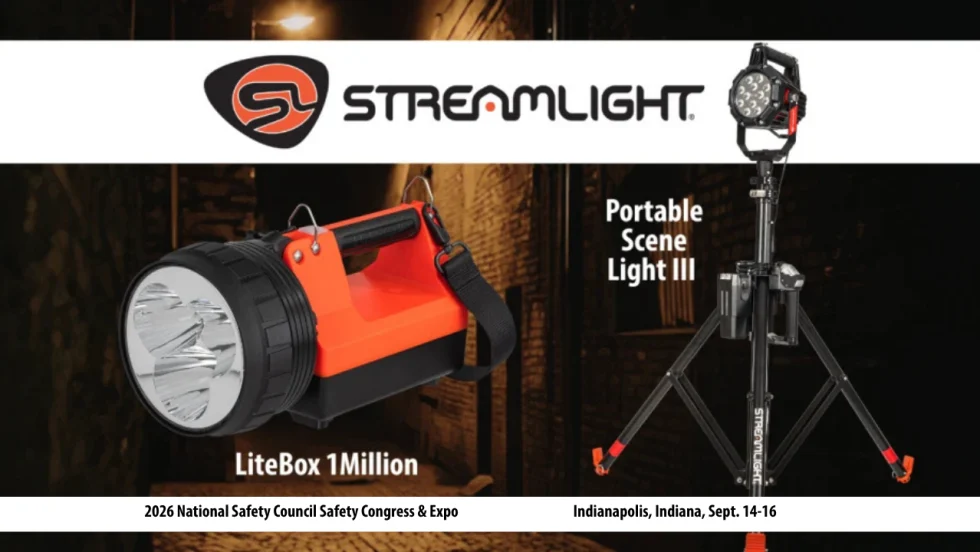
Streamlight to Showcase Newest Lighting Products at National Safety Council’s Safety Congress & Expo 2026
Streamlight will showcase its latest lights, including the Portable Scene Light III and the LiteBox 1Million, at the 2026 National Safety Council (NSC) Safety Congress & Expo.
Read More →
The 2027 World Police & Fire Games Set for Perth, Australia
The 2027 World Police & Fire Games (WPFG) will take place in Perth, Western Australia, from Friday, March 12 through Sunday, March 21, 2027.
Read More →
5.11 Partners with National Fallen Firefighters Foundation to Support #ForThe343
5.11 has joined the nationwide movement honoring the 343 New York City Fire Department firefighters lost on Sept. 11, 2001.
Read More →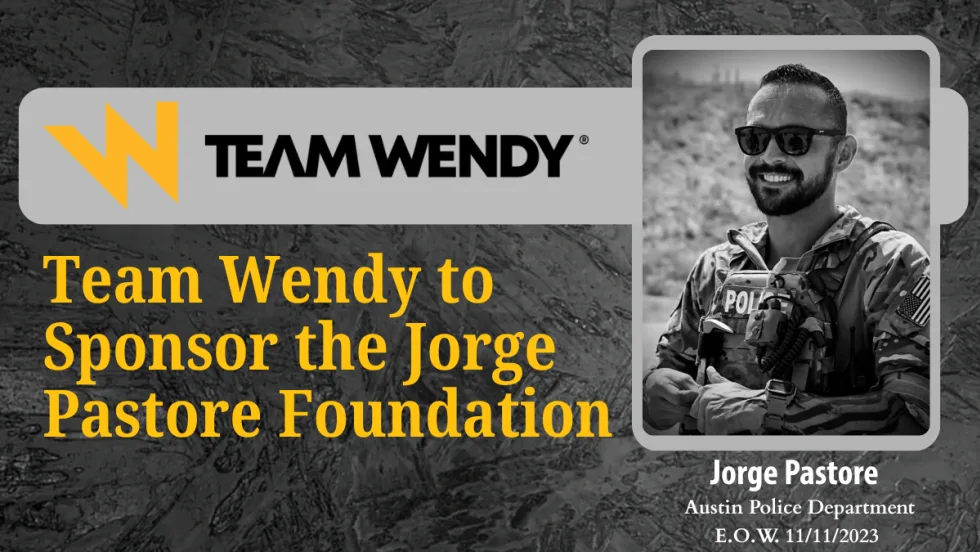
Team Wendy Announces Title Sponsorship of the Jorge Pastore Foundation
Team Wendy’s 3-year partnership with the Jorge Pastore Foundation expands access to programs that strengthen those who serve.
Read More →
National Law Enforcement Memorial and Museum Hosting 9/11 25th-Year Commemoration Ceremony
The National Law Enforcement Memorial and Museum is hosting a 9/11 25th Year Commemoration Ceremony on Sept. 11 at 4 p.m.
Read More →
National Law Enforcement Officers Memorial Fund Announces June 2026 Officers of the Month
The National Law Enforcement Officers Memorial Fund (NLEOMF) named 15 officers of the Chico Police Department (California) as the Officers of the Month for June 2026 for their roles in responding to an active-shooter incident at a public library.
Read More →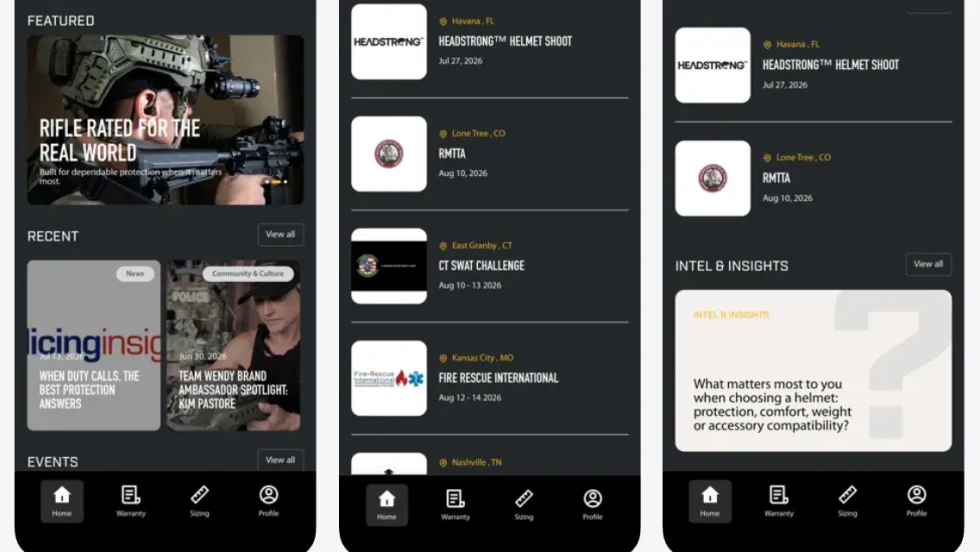
Team Wendy App Creates New Digital Hub for Helmet Owners
The Team Wendy Community App provides one location for warranty registration, size-fit tools, product updates, and community connection. For helmet owners, the new app creates a simpler path to the information and tools that matter most.
Read More →