



How to Figure Out the Type of Call You're On
To be sure, the hardest part of any call is figuring out what you have. Once you do, it's a matter of following protocol, policy, and filling out the right paperwork. And therein lies the rub; getting to that point. It's akin to solving puzzles or answering riddles.

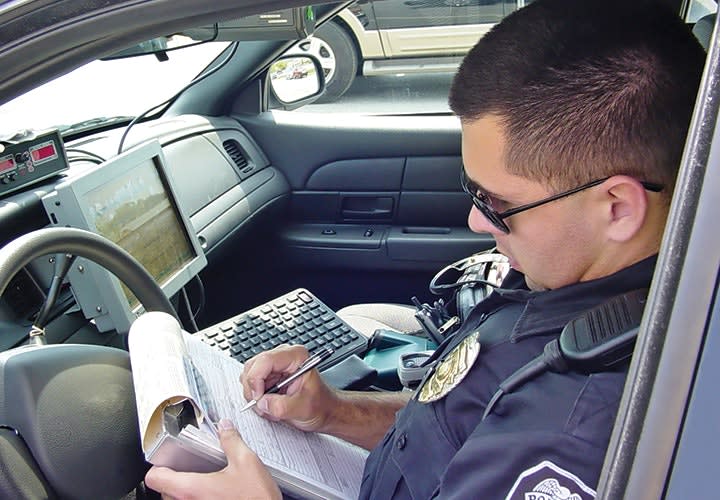
Photo: ©istockphoto.com
To a senior officer, calls become second nature. They have handled hundreds of disturbances and multiple types of in-progress calls, and that new officer's adrenaline rush of running lights and sirens is long gone. But to a person fresh off field training, it's a different world all together. It becomes apparent very quickly that when you are thrown into the deep end of the pool, there is a huge divide between book knowledge and the real world. And this is never more true than when trying to determine what type of call you're dealing with, and therefore how to handle it.
The Hardest Part of Any Call
To be sure, the hardest part of any call is figuring out what you have. Once you do, it's a matter of following protocol, policy, and filling out the right paperwork. And therein lies the rub; getting to that point. It's akin to solving puzzles or answering riddles. Senior officers make it seem easy but don't let that fool you; it wasn't always that way.
There have been more times than I care to remember when I rolled up to a scene that was utter pandemonium and it took time to get a handle on things. There were other times when the tale being spun by the complainant was so convoluted I had no idea what was going on. I am not ashamed to admit that there were plenty of times I had to call for help in order to figure it out. Essentially, this is what you need to figure out when handling a call: what it is, what you're supposed to do about it, and what paperwork is involved.
It's a Logical Progression
One of the things I do for recruits learning report writing at the police academy is pass out a flow chart covering the different categories of calls. It makes it easier for them to decide what they have when I throw report writing scenarios at them. Making a flow chart is something to consider when you are first starting out as it gives you a quick reference point. The first decision in the flow chart is deciding whether the call in question is civil or criminal in nature.
If it's civil in nature, there are many instances in which the only requirement needed is to refer the complainant to another section of your agency, have him or her contact an attorney, or direct the person to file certain paperwork at the court house. What you refer them to do is going to be determined by your agency's policy and procedures, and state law. Policy will also determine what part of the call you do handle. Usually the road officer handles very little as other agencies or specialty units do most of the civil work.
If it's criminal, you have two choices; is it a misdemeanor crime or a felony crime? You have to identify what role officer discretion plays, if any. Whether it's a misdemeanor or felony, each requires that you ask yourself a similar set of questions.
If it's a misdemeanor, did it occur in your presence, allowing you to handle it immediately? If it didn't occur in your presence, is it one of your state's misdemeanor exceptions that allows you to handle it anyway?
If you can handle it, is it something that you have discretion on? Discretion might allow you to give a verbal or written warning. If you have no discretion then what actions are you required to take? Is it something that necessitates an arrest or a criminal citation requiring a court date, or do you file charges? If yes to any of these, what paperwork do you need to fill out? Handling felonies is similar except that there is usually very little to no officer discretion involved.
Felonies that I am aware of do not need you to be present in order for you to make the arrest. How you handle a felony then becomes an issue of whether or not the suspect is present. If the suspect is present and you have enough probable cause, you make the arrest. If the suspect is not present you file charges. How your state and agency handles filing charges will determine if you can pass on the probable cause to the oncoming shift, have to secure a warrant, or are instructed to simply forward the charges to your state or district attorney for handling. There is no way to cover all types of jurisdictional requirements or agency protocols, so you will have to adapt your flow chart to your own particular circumstance.
Cover Your Bases
You can't handle a call until you determine what it is. Once you figure it out, it's a question of following procedure, protocols, and filling out the appropriate paperwork. The logistical side of the question is easy. The figuring out what you have side? Not so much. Rest assured, it gets easier with time and experience.
Remember that there may be some instances where the only action you have to take is writing an information report to document the incident. When to write a report is a very common question. A good rule of thumb is if you have to ask if you need to write a report, then write it! That way all your bases are covered. Remember that all internal investigations usually start with the question, "Was a report taken?"
In a nutshell, handling any call involves figuring out whether it's either civil or criminal. Once you figure that out, each one has its own list of dos and don'ts. Each one also carries with it a specific set of paperwork you must use for agency, state, and federal purposes.
If you can't figure it out, please put your ego aside, place your mission first, and call someone for help. Call a zone partner, your supervisor, or your staff attorney if need be. Make every effort to make the best decision possible in determining what you have.
The start of this process is more important than the end because your first decision is the most impactful. Make the right decision and the world loves you. Make the wrong one and the world tries to swallow you. Letting someone go with a warning for what you thought was a misdemeanor but turned out to be a felony never reads well in the media.
Even if all of this is second nature to you at this point in your career, consider sharing this institutional knowledge with the newer officers at your agency. Working with junior officers is everyone's business. Remember, you go to war with the army you have, not the one you wish you had. Help make the best of it.
Amaury Murgado retired a senior lieutenant from the Osceola County (FL) Sheriff's Office with over 29 years of experience and retired from the Army Reserve as a master sergeant. He holds a Master of Political Science degree from the University of Central Florida.
More Patrol
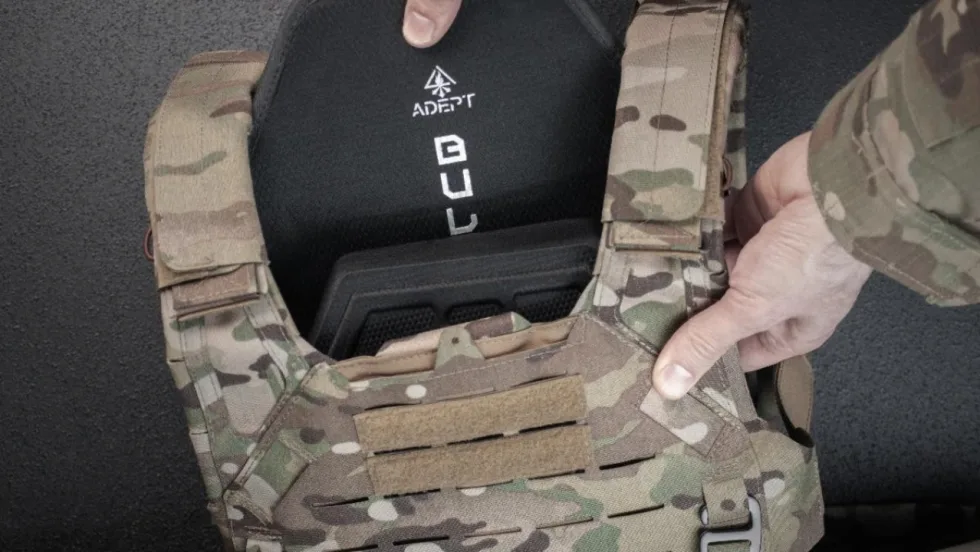
Adept Armor Introduces Two New Rifle Plates
Adept Armor has launched two new Level IV ballistic plates, the Emperor and the Archon Mark 2, which brings Adept Armor’s new Quatroid ceramic to the high-threat, performance-value center of the range at 5.2 pounds.
Read More →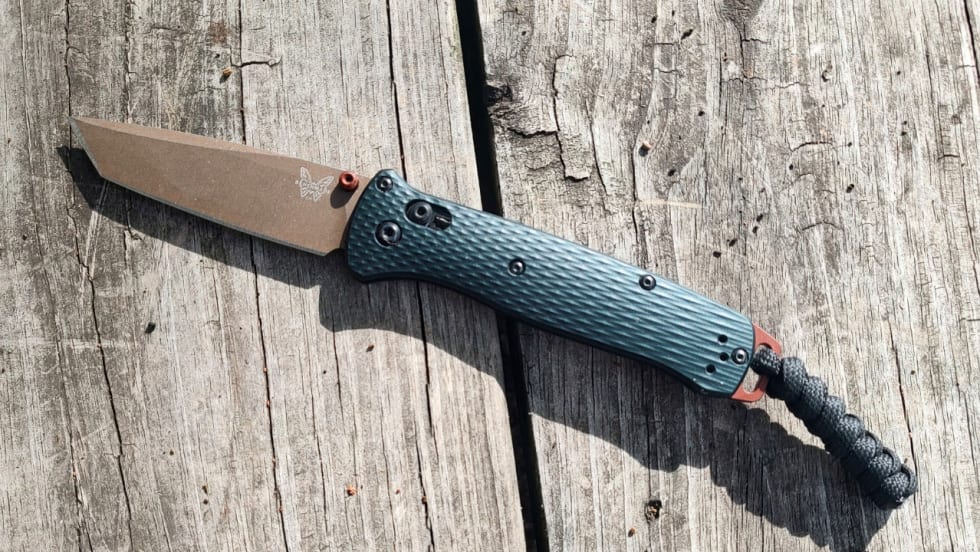
POLICE Product Test: Benchmade Bailout
The Benchmade Bailout is a slim, lightweight carry knife with a deep-ride pocket clip and comes in a variety of blade steels and scales. Here is a detailed review of the Taiga Green Bailout, released earlier this year.
Read More →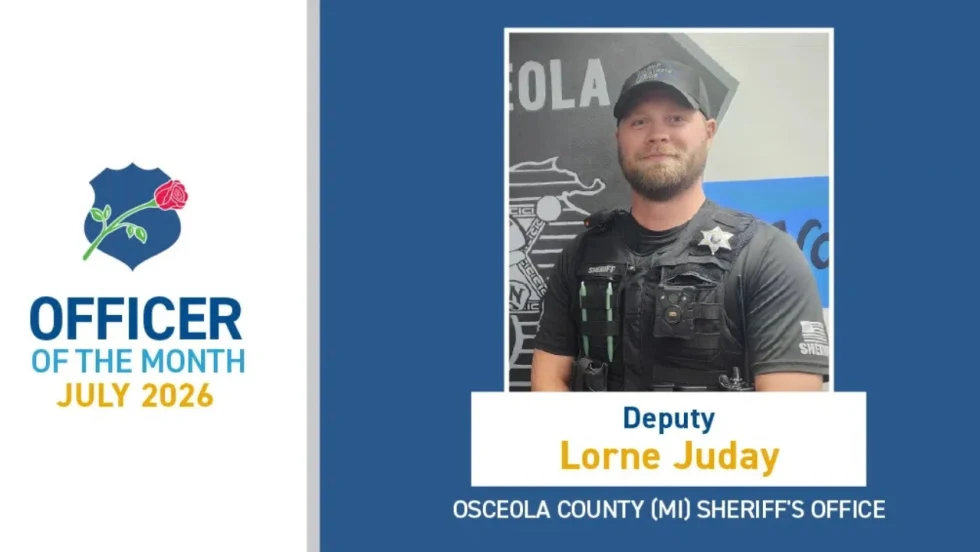
NLEOMF Announces July 2026 Officer of the Month
NLEOMF honored a Michigan deputy sheriff as the July 2026 Officer of the Month for rescuing a trapped driver from a burning vehicle following a Fourth of July crash.
Read More →
Streamlight to Showcase Newest Lighting Products at National Safety Council’s Safety Congress & Expo 2026
Streamlight will showcase its latest lights, including the Portable Scene Light III and the LiteBox 1Million, at the 2026 National Safety Council (NSC) Safety Congress & Expo.
Read More →
The 2027 World Police & Fire Games Set for Perth, Australia
The 2027 World Police & Fire Games (WPFG) will take place in Perth, Western Australia, from Friday, March 12 through Sunday, March 21, 2027.
Read More →
5.11 Partners with National Fallen Firefighters Foundation to Support #ForThe343
5.11 has joined the nationwide movement honoring the 343 New York City Fire Department firefighters lost on Sept. 11, 2001.
Read More →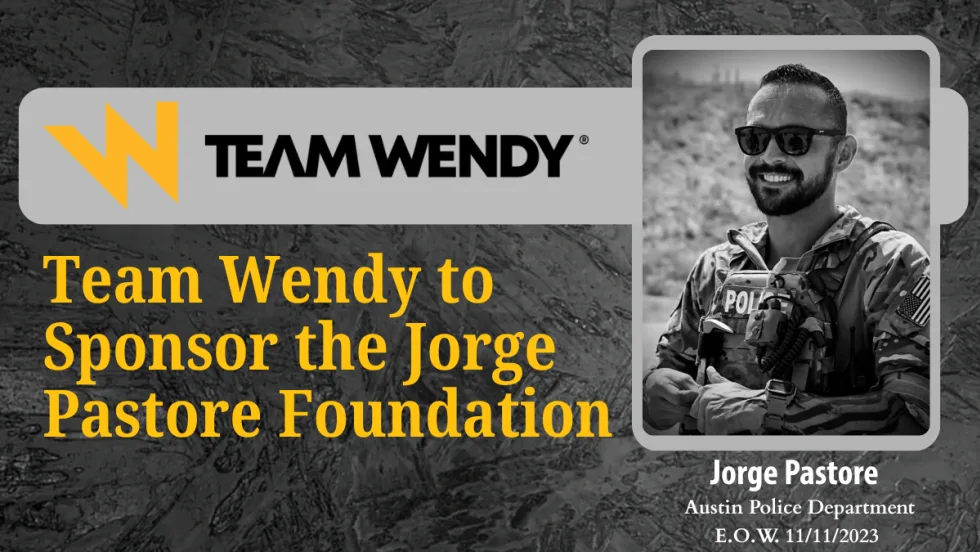
Team Wendy Announces Title Sponsorship of the Jorge Pastore Foundation
Team Wendy’s 3-year partnership with the Jorge Pastore Foundation expands access to programs that strengthen those who serve.
Read More →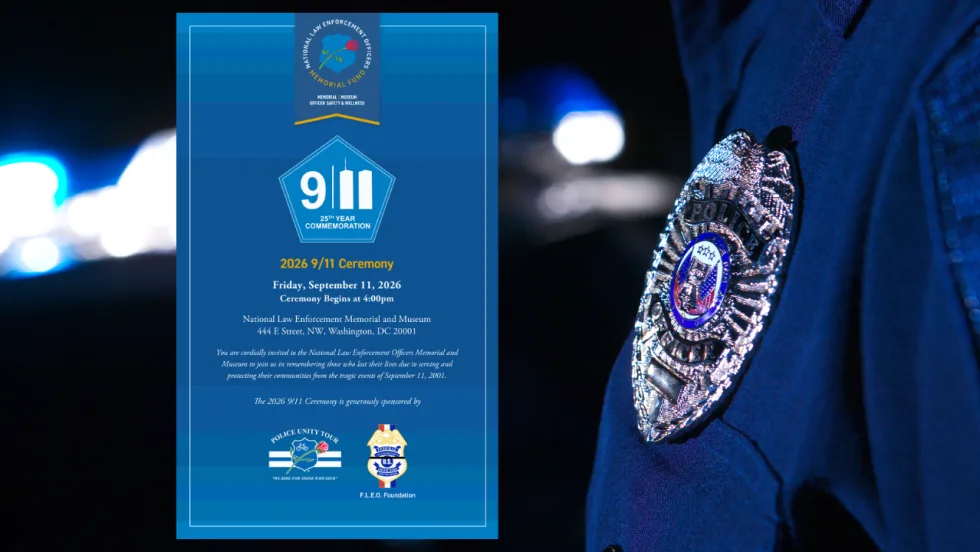
National Law Enforcement Memorial and Museum Hosting 9/11 25th-Year Commemoration Ceremony
The National Law Enforcement Memorial and Museum is hosting a 9/11 25th Year Commemoration Ceremony on Sept. 11 at 4 p.m.
Read More →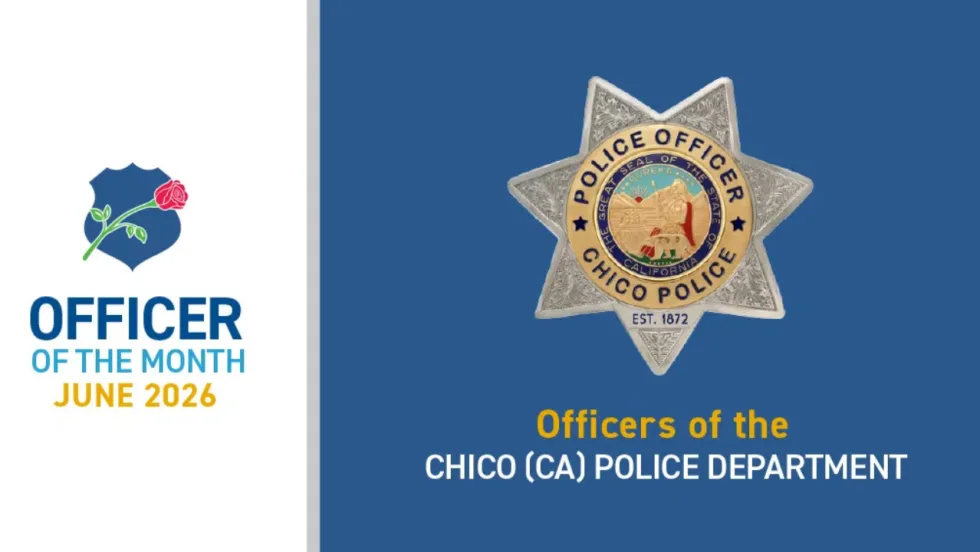
National Law Enforcement Officers Memorial Fund Announces June 2026 Officers of the Month
The National Law Enforcement Officers Memorial Fund (NLEOMF) named 15 officers of the Chico Police Department (California) as the Officers of the Month for June 2026 for their roles in responding to an active-shooter incident at a public library.
Read More →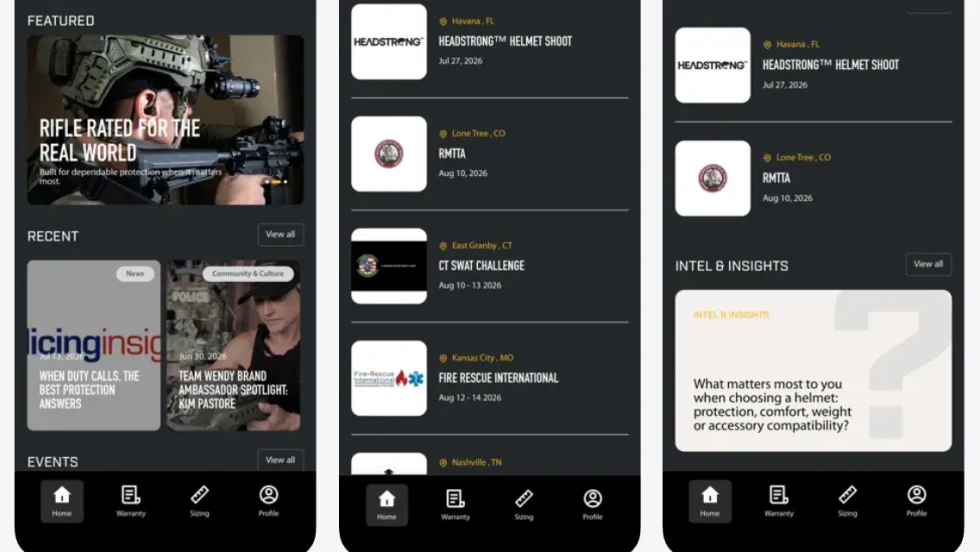
Team Wendy App Creates New Digital Hub for Helmet Owners
The Team Wendy Community App provides one location for warranty registration, size-fit tools, product updates, and community connection. For helmet owners, the new app creates a simpler path to the information and tools that matter most.
Read More →