



How to Buy a Ballistic Vest
How much is a cop’s safety worth? Despite safety concerns, due to shrinking budgets it’s becoming increasingly common for police departments to require officers to purchase their own body armor. Even when agencies pony up some money for ballistic vests, it’s usually not enough to buy the best of the best—which is what most officers want protecting them from bodily harm.

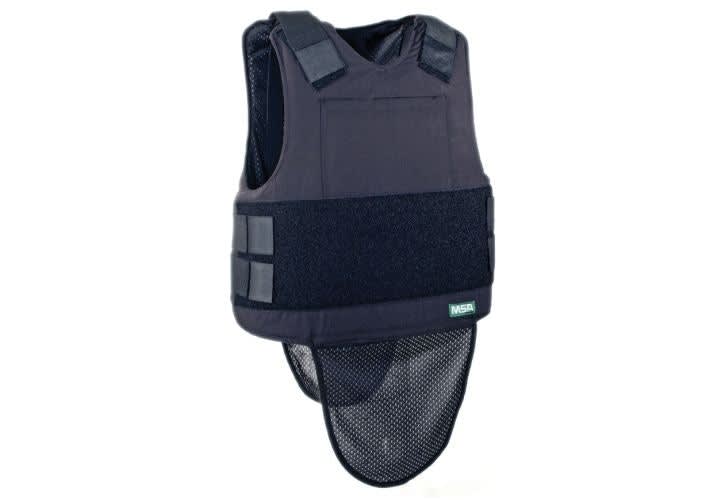
How much is a cop’s safety worth? Despite safety concerns, due to shrinking budgets it’s becoming increasingly common for police departments to require officers to purchase their own body armor. Even when agencies pony up some money for ballistic vests, it’s usually not enough to buy the best of the best—which is what most officers want protecting them from bodily harm.
So you’ve decided to purchase your own vest or upgrade your department-issued model. How do you know what makes for a good vest? What should an officer look for in buying body armor?
Sizing Up Vests
The armor most often worn by patrol officers during the routine performance of their duties is covert—that is, concealed under the uniform so as to minimize its detection. Generally speaking, such vest wear is not designed to protect against rifle fire or sharp-edged weapons, but to counter the most likely threats officers may encounter. This includes a variety of handguns.
What makes a vest effective against such firearms is its composition, which generally includes at least one ballistic plate and specially designed fibers. What makes the fiber formidable is its ability to absorb and disperse the energy of a bullet’s impact, diffusing its power over a wide area. The bullet’s energy is dissipated as each successive layer of material in the vest absorbs its energy and causes it to deform and mushroom.
Getting Your RDA of Fiber
The tightness of the weave and the density of the thread vary dependent on the threat a vest is designed to defeat. Likewise, a fiber’s makeup dictates its mark-up: some vests are pricier than others.
Produced by spinning a solid fiber from solution, Aramid fiber is an aromatic polyamide, better known by trade names such as Kevlar (DuPont) and Twaron (Teijin Twaron). Vests made out of such materials offer a degree of flexibility for greater comfort. Vests that contain Polyethylene fibers—such as Spectra by Allied Signal or DSM’s Dyneema—offer maximum performance and minimum weight, though at a higher cost.
Many product lines include hybrid vests that offer the best of both fiber worlds. The ideal synthesis results in a product that isn’t cost preemptive, yet is strong enough to stop higher caliber rounds while retaining flexibility and comfort. Higher end vests make no pretense to such concessions: lightweight and ultra-thin, GoldFlex by Honeywell provides exceptional protection against blunt trauma but is also the most expensive.
Shop So You Don’t Drop
Studies show that wearing a protective vest increases a law enforcement officer’s survivability chances by 40 percent. But this means wearing a vest at all times while on duty. As a result, an officer needs to reconcile the realities of his work environment with his own comfort. Face it, a vest that is heavy and uncomfortable is a vest that is less likely to be worn.
When it comes to choosing a vest, consider the following:
Work environment: Heat and humidity eventually betrayed Zylon’s liabilities. But even otherwise reliable vests can become liabilities when work conditions transcend discomfort. A complaint of some emergency responders to Katrina-ravaged areas was that the humidity made the wearing of ballistic vests untenable, despite the known presence of snipers in the area. PACA’s Armor Ice features thermal management technology that allows its wearer to keep four to seven degrees cooler for extended periods of time while wearing body armor.
Performance needs: Statistically, one in six officers killed in the line of duty are killed by their own service weapon, or that of their partner. A good rule of thumb is to purchase a vest tested to stop the weapon you, or your partner, carry. As a tactical consideration, choosing a thicker Level II or III-A over a II-A rated vest avails extra thickness, affording more blunt trauma protection and the ability to get back in the fight more quickly should your vest get struck by a suspect’s round.
If knives are a concern—and they are—Second Chance and First Choice Armor offer vests that are both ballistic resistant and stab resistant. While these vests cost more than standard vests, the added protection is worth the price.
Fit and Comfort
In addition to heat and bulkiness, other concerns that an officer should consider when buying a vest include:
• Ride-up: the vest rides up while the officer is seated
• Shirt Puckering: the ends of the vest pucker out where they meet on each side, resulting in pulling up of shirt tails and a sloppy appearance
• Carrier tears at the bottom of the vest cover
• Side wrap: full wrap around the sides maximize protection, just a small gap helps to maintain freedom of movement, and a gap on the sides provide extra ventilation and comfort. A gap is definitely preferred if heat buildup would prevent you from wearing your full-side-wrap vest.
• Color compatibility with an employing agency’s uniform
• Optional needs, such as pockets, collar/groin protectors, and strike plates
• Hidden costs: you may be charged extra for a second carrier if you’re an XXL copper. Some companies offer extended warranties (longer than five years), but you may have to return the vest for refurbishing every few years.
In light of these many concerns, making sure the vest fits is paramount. Whether getting fitted at a uniform supply store or taking your own measurements at home, don’t fudge on the inches. Here is one time where it doesn’t pay to be vain. If you suck in your gut for the tailor, you’ll have to continue doing so every day you wear your vest. Wear your uniform pants and gun belt while getting sized.
If you work outside infrequently and experience weight fluctuations, you might want to consider getting your vest replaced or retailored more frequently. On any given day, a detective can be seen hauling ass out of his precinct tossing his vest over his uniform because it no longer fits him.
[PAGEBREAK]
Getting the Most Bang for Your Buck
The National Institute of Justice has developed and regularly revises performance standards for armor vests. Compliance labels indicating the NIJ rating should be found on your armor. Most covert vests are rated to NIJ IIIA standards, but can be upgraded for specific circumstances with small strike plates. Overt and tactical vests are normally capable of having full size strike plates inserted both front and rear, either permanently or for specific threats. Vests are sometimes referred to by acronyms: OTV, or outer tactical vest, and BRV, bullet-resistant vest.
As stated in the article, "How to Select Body Armor" at www.BulletProofME.com, "If all you can afford is Level II-A, yes, you might be missing a few percent of the more unusual ammunition threats. But in the big picture wearing your vest 100 percent of the time is much more important. If you simply feel better knowing you have a III-A (the maximum in soft body armor) we can’t argue with peace of mind." Click here to read the entire article.
Proper care of body armor is important to maintaining its effectiveness. The recommended replacement time for most vests is five years. Smaller agencies may not make vests available for officers in the first place, unless they’re hand-me-downs. Other agencies may offer vouchers, but expect officers to make up the financial difference for higher end selections and tailoring.
Investments in Officer Protection
Vest acquisition isn’t cheap, but it isn’t impossible, either. Smaller agencies and non-profit police organizations have been successful in raising monies toward purchasing vests. And for those who know where to look, federal assistance is also available.
On the local front, the Douglas County (Calif.) Sheriff’s Department’s advisory council and local homeowners association raised funds to purchase 17 state-of-the-art bullet-resistant tactical vests to replace the vests used by the department’s SWAT team. The homeowners association donation was a gesture of thanks to the department for capturing an auto theft suspect in the neighborhood. In Houston, Texas, the 100 Club, a non-profit organization dedicated to raising funds to support law enforcement officers, has been donating vests and other specialized equipment since 1977.
Smaller police departments have profited through their associations with the United States Municipal Police Association (USMPA), which has donated ballistic vests to police agencies such as the Lone Star (Texas) Police Department, the Norwegian Township and Newcastle (Penn.) Police Departments, the Hortonville (Wis.) Police Department, the Pendleton (S.C.) Police Department, and many others.
The Operation “Protect Our Protectors” program is designed to donate ballistic vests to law enforcement agencies within the state of Georgia, specifically to those agencies that cannot afford to purchase vests on their own. Since the inception of the program, the group has donated almost 500 vests to 72 agencies throughout the state.
Perhaps the most well known ballistic vest offering is the Bulletproof Vest Partnership (BVP) Grant Act of 1998. This federal program, administered by the Office of Justice Programs Bureau of Justice Assistance, helps state and local governments equip their law enforcement officers with armor vests by paying up to 50 percent of the cost of NIJ-approved vests. Since 1999, more than 11,500 jurisdictions have participated in the BVP Program, with $118 million in federal funds committed to support the purchase of an estimated 450,000 vests.
It is the responsibility of municipalities and employing agencies to coordinate with the federal government the purchases of vests. Unfortunately, sometimes good intentions don’t translate well. An employee with the Bureau of Justice Assistance notes, “They will receive a grant for the money but don’t realize that the money will be given them on the back end —- upon their having forwarded copies of the receipts for the vests they’ve purchased. But either they don’t purchase the vests, or forget to send in the receipts—and don’t receive the promised funds.” The problem is multifold, for not only does the original agency forego utilizing the money, but it sits for four years before becoming available for future grants, thereby depriving other agencies of its usefulness.
While the Zylon fiasco and its attendant impact logjammed the program, it is anticipated that new filing dates will be available for 2006.
Another federal program, the Bulletproof Vest Partnership Grant Act of 2000, provides funding priority for smaller jurisdictions with populations under 100,000. Larger jurisdictions may also receive funding after annual funding allocated to smaller departments.
Wear it Well
Celluloid cops rarely wear vests, or other forms of protection. They stand in front of doors and get shot. Ever see Magnum Force or 48 Hours? Real-life cops know better. Hopefully, they’ll also know how to make the most of the opportunities available to them in choosing the most appropriate ballistic vests.
One important point to keep in mind is that body armor is not bullet proof. It is tested to stop particular ammunition depending on its rating, but does not make an officer invincible. Your training and experience are your best defense during an armed confrontation. And finally, the best armor in the world won’t make a bit of difference if you’re not wearing it when you need it.
That way, the only thing that’ll get through the vest to your heart is the smile of a small child saying, “Thank you!”
[SIDEBAR]
Body Armor Resources
American Body Armor online at www.americanbodyarmor.com
ArmorShieldUSA online at www.armorshield.net
DiamondBack Tactical online at www.diamondbacktactical.com
First Choice Armor online at www.firstchoicearmor.com
Gator Hawk Armor online at www.gatorhawkarmor.com
MSA (Mine Safety Appliances) online at www.msanet.com
Point Blank online at www.pointblankarmor.com
Protective Products International online at www.body-armor.com
PT Armor online at www.ptarmor.com
Safariland online at www.safariland.com
Second Chance Body Armor online at www.secondchance.com
U.S. Armor online at www.usarmor.com
More Patrol
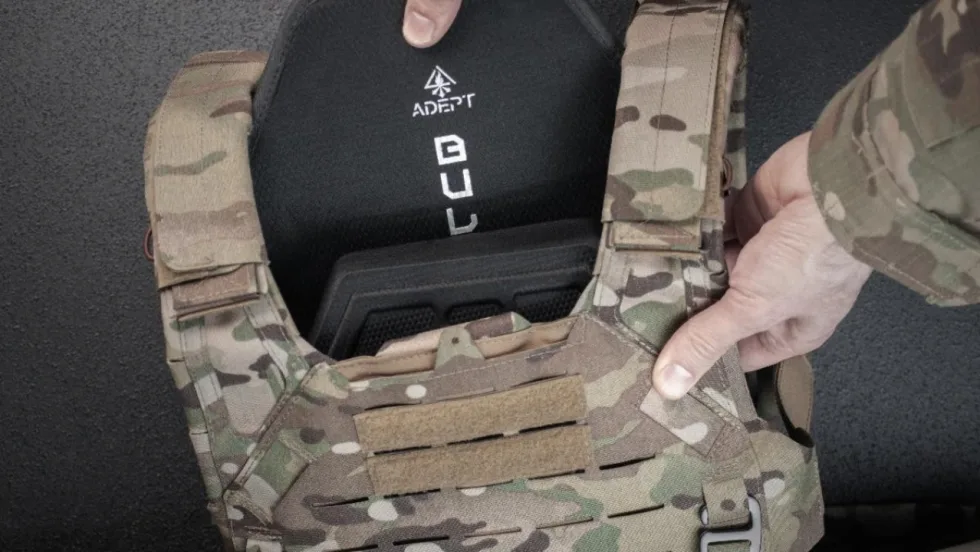
Adept Armor Introduces Two New Rifle Plates
Adept Armor has launched two new Level IV ballistic plates, the Emperor and the Archon Mark 2, which brings Adept Armor’s new Quatroid ceramic to the high-threat, performance-value center of the range at 5.2 pounds.
Read More →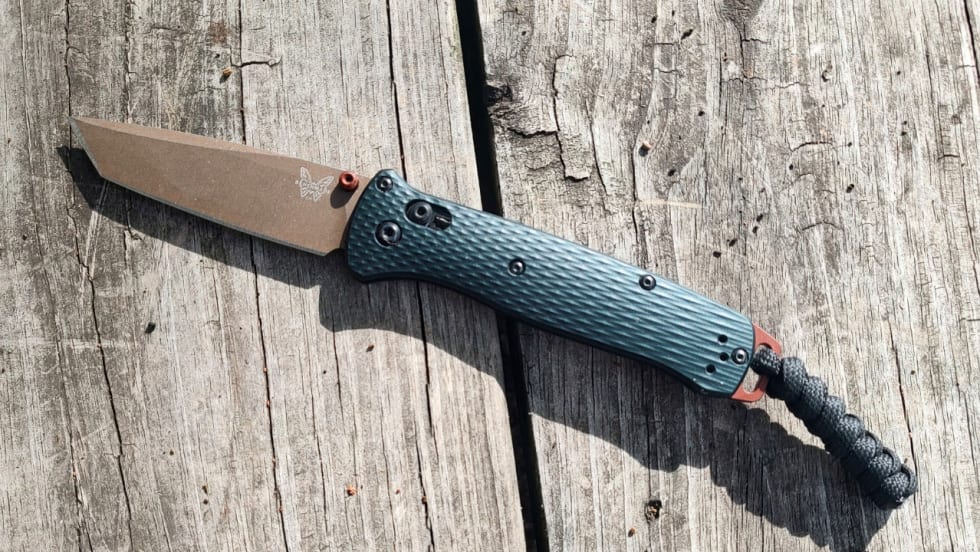
POLICE Product Test: Benchmade Bailout
The Benchmade Bailout is a slim, lightweight carry knife with a deep-ride pocket clip and comes in a variety of blade steels and scales. Here is a detailed review of the Taiga Green Bailout, released earlier this year.
Read More →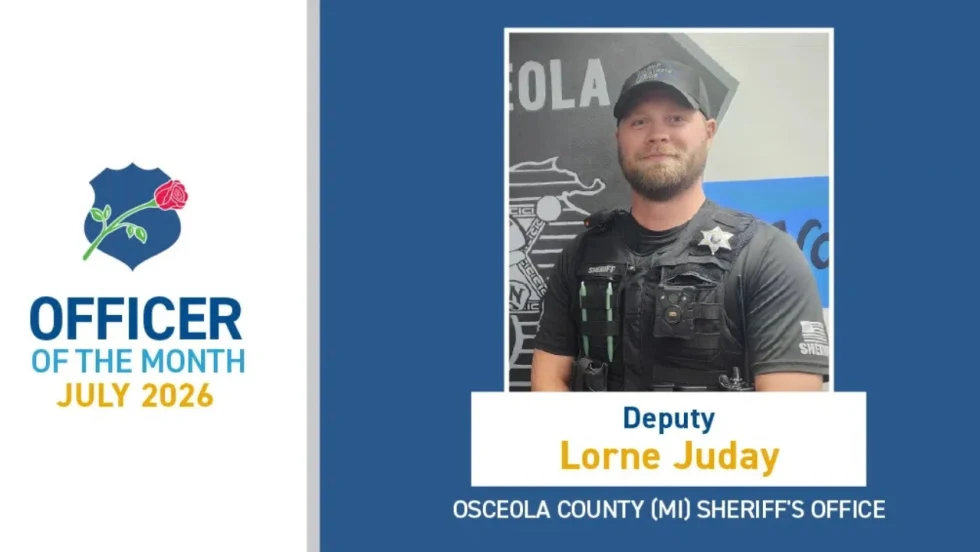
NLEOMF Announces July 2026 Officer of the Month
NLEOMF honored a Michigan deputy sheriff as the July 2026 Officer of the Month for rescuing a trapped driver from a burning vehicle following a Fourth of July crash.
Read More →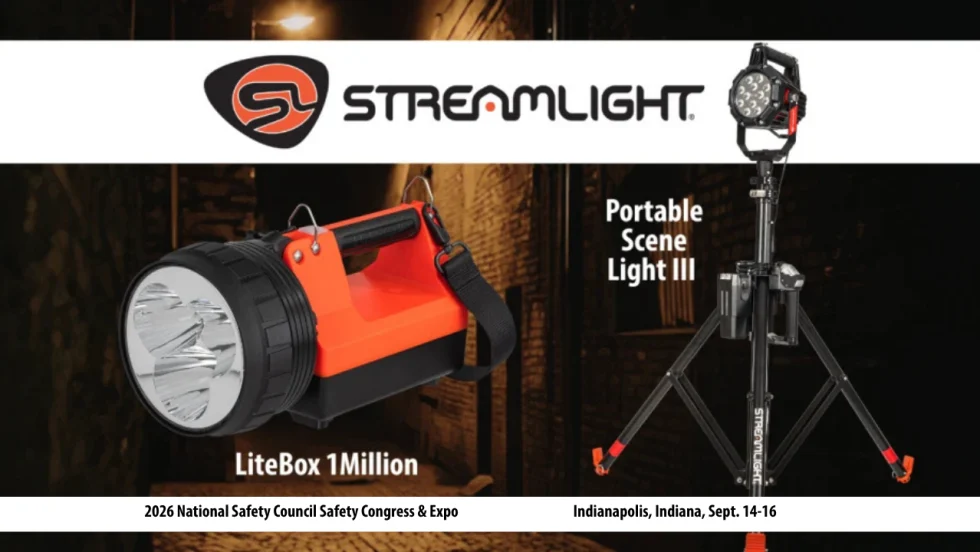
Streamlight to Showcase Newest Lighting Products at National Safety Council’s Safety Congress & Expo 2026
Streamlight will showcase its latest lights, including the Portable Scene Light III and the LiteBox 1Million, at the 2026 National Safety Council (NSC) Safety Congress & Expo.
Read More →
The 2027 World Police & Fire Games Set for Perth, Australia
The 2027 World Police & Fire Games (WPFG) will take place in Perth, Western Australia, from Friday, March 12 through Sunday, March 21, 2027.
Read More →
5.11 Partners with National Fallen Firefighters Foundation to Support #ForThe343
5.11 has joined the nationwide movement honoring the 343 New York City Fire Department firefighters lost on Sept. 11, 2001.
Read More →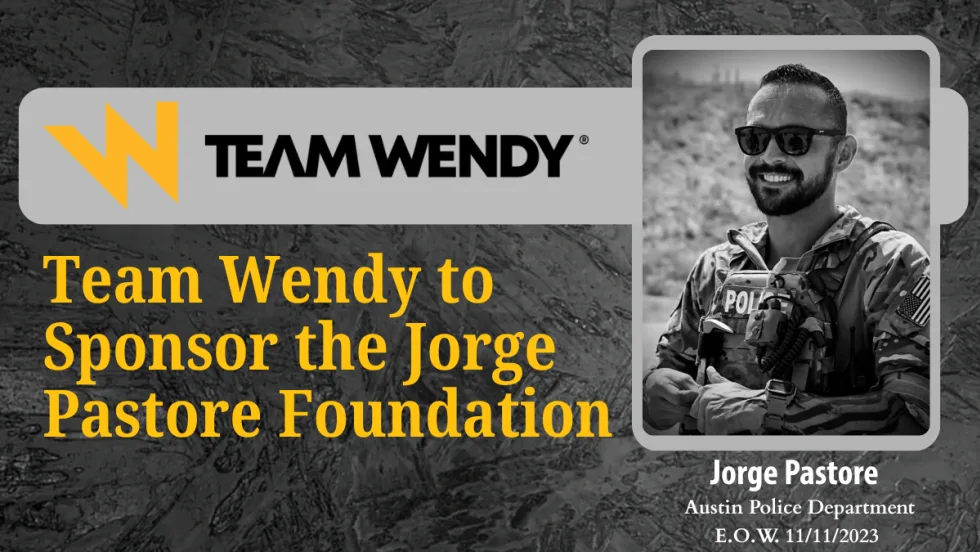
Team Wendy Announces Title Sponsorship of the Jorge Pastore Foundation
Team Wendy’s 3-year partnership with the Jorge Pastore Foundation expands access to programs that strengthen those who serve.
Read More →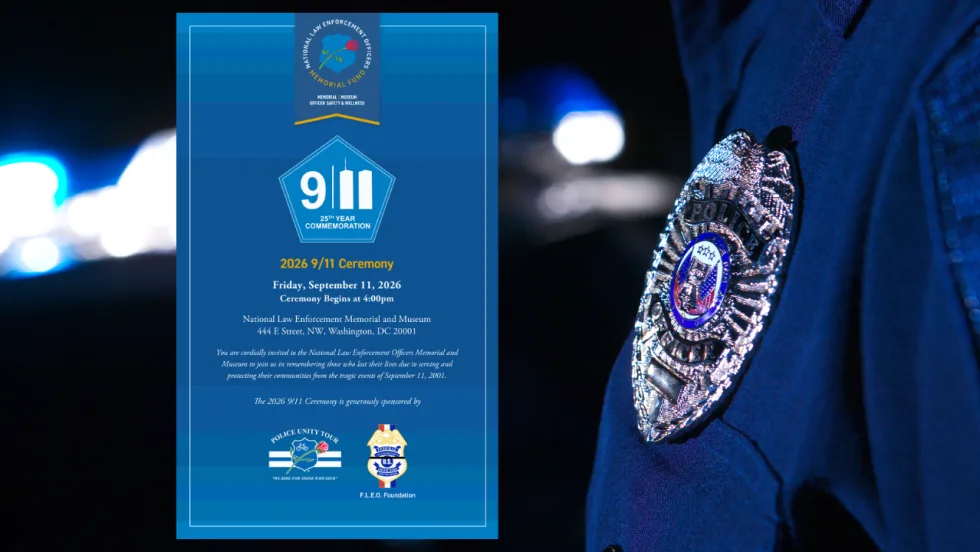
National Law Enforcement Memorial and Museum Hosting 9/11 25th-Year Commemoration Ceremony
The National Law Enforcement Memorial and Museum is hosting a 9/11 25th Year Commemoration Ceremony on Sept. 11 at 4 p.m.
Read More →
National Law Enforcement Officers Memorial Fund Announces June 2026 Officers of the Month
The National Law Enforcement Officers Memorial Fund (NLEOMF) named 15 officers of the Chico Police Department (California) as the Officers of the Month for June 2026 for their roles in responding to an active-shooter incident at a public library.
Read More →
Team Wendy App Creates New Digital Hub for Helmet Owners
The Team Wendy Community App provides one location for warranty registration, size-fit tools, product updates, and community connection. For helmet owners, the new app creates a simpler path to the information and tools that matter most.
Read More →