



Field Trauma Care for LEOs
Every officer should have a minimum amount of medical equipment as well as training to use the equipment. As I have stated at POLICE-TREXPO in some of my presentations, my dream is for a small kit with the essentials to appear on the belt or in a pocket of every LEO.

It's just another day on patrol. You do your daily equipment check: sidearm, extra magazines, handcuffs, radio, cell phone, wallet, keys....you seem ready for another routine day. STOP!
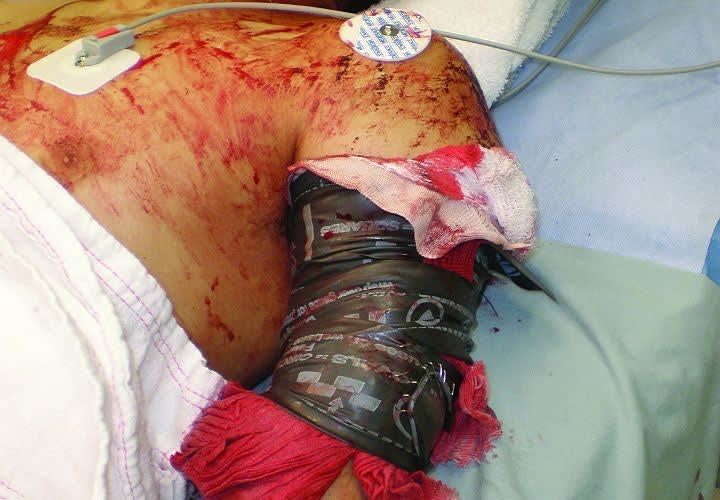
What about medical equipment that may be needed in a true emergency? Are you ready to deal with massive bleeding from an arm or leg on your partner or yourself? The answer is likely no; the medical kit in the trunk of your car does you no good unless you are very close to your car.
How would you treat someone after a foot pursuit that took you 15 blocks from your vehicle? You would call dispatch to send an EMS unit to your location; this takes time, and time means more loss of blood. The more blood lost, the less time you have to get to the hospital to hopefully have the chance at a good recovery.
Do I have your attention now?
Get a Kit
Every officer should have a minimum amount of medical equipment as well as training to use the equipment. As I have stated at POLICE-TREXPO in some of my presentations, my dream is for a small kit with the essentials to appear on the belt or in a pocket of every LEO. The Uniform First Responder (UFR) Pouch made for and distributed by Combat Solutions in Fredericksburg, Va., contains products that I believe in and have tested and used under the worst of conditions in my job as a trauma surgeon.
The contents are a set of gloves to protect you from blood contact, Band-aids, a hemostatic agent (QuikClot Combat Gauze and Advanced Clotting Sponge), a SWAT-T tourniquet that can serve as a pressure dressing or tourniquet, and a card to list your personal medical information like allergies, medications, and a contact number.
Other similar kits are available from various companies. Just be sure to carry one with the essential items to save a life wherever you go.
Essential Tools
I have used the QuikClot products in and out of the operating room with excellent success. The SWAT-T tourniquet is inexpensive, lightweight, and multipurpose; fits any size limb; and is simple to use. Outfitting an entire department or dealing with a mass casualty event will not break a budget when the tourniquet costs around $8 compared to other well known tourniquets that start around $25 each.
I first used the SWAT-T on my right upper arm over bare skin to see if I could do it one-handed and gain the "tightness" needed for it to act as a tourniquet, not just a bandage holder. It was easy to apply. Although the first and second revolution around my arm was not as tight as I'd want, it quickly grabbed itself with friction and I tightened it and "tucked" the end under a layer to completely shut off blood flow to my radial and ulnar arteries.
This tightness was checked with a color flow doppler/duplex ultrasound machine in the vascular lab at the hospital where I work. As I released the tourniquet, flow was restored after two to three revolutions back around my arm, releasing the tourniquet effect. There was no pinching of my skin or discomfort at all. NOTE: it took me about 20 seconds to stretch/wrap/tuck it into place to occlude the vessel; this should speed up with experience.
Training
You can obtain training in the use of all of these tools from your local tactical medics, trauma surgeons, or emergency medicine physicians. But you could also seek training from others you know who have used these or similar products.
If you attend courses that specifically address these life-saving procedures and equipment, you can pass on what you have learned. One of the best ways to make sure your entire agency receives this training is to then conduct in-house training so every officer is prepared to aid wounded officers.
10 Golden Rules
After years of dealing with law enforcement officers' injuries and working and training with SWAT teams I developed what I believe are the 10 "Golden Rules" for treatment after being seriously wounded that officers need to know.
If you feel pain, you are alive
Maintain tactical awareness, seek cover
Apply direct pressure to all major bleeding
Call for help: cell phone, radio
Use a hemostatic agent
Apply a tourniquet ASAP/ASAF (feasible)
Squat, sit, lie down if possible
Standing may drop your blood pressure and falling hurts
Have a card in your wallet, vest pocket, or medical pouch that has a contact phone number, a list of your allergies and medications and other health problems; this can be a lifesaver
Get to a trauma surgeon ASAP!
This field care buys you precious time so that you can make it to a trauma center for definitive care. You do your part well and you make the odds better once you get to the hospital....I'll be there to thank you for the life you helped save; it may be your partner, a civilian, yours or mine. Right training, right equipment and right mindset together equal a winning combination and when it comes to severe injury, you can make the difference between life and death.
Sydney Vail, MD, FACS, is a frequent speaker at POLICE-TREXPO as well as the medical director of Trauma Services at Maricopa Medical Center in Phoenix, Ariz.; medical director for the Tactical Medicine Program, Arizona Department of Public Safety SWAT; and an instructor for the International School of Tactical Medicine for the Palm Springs (Calif.) Police Department.
More Patrol
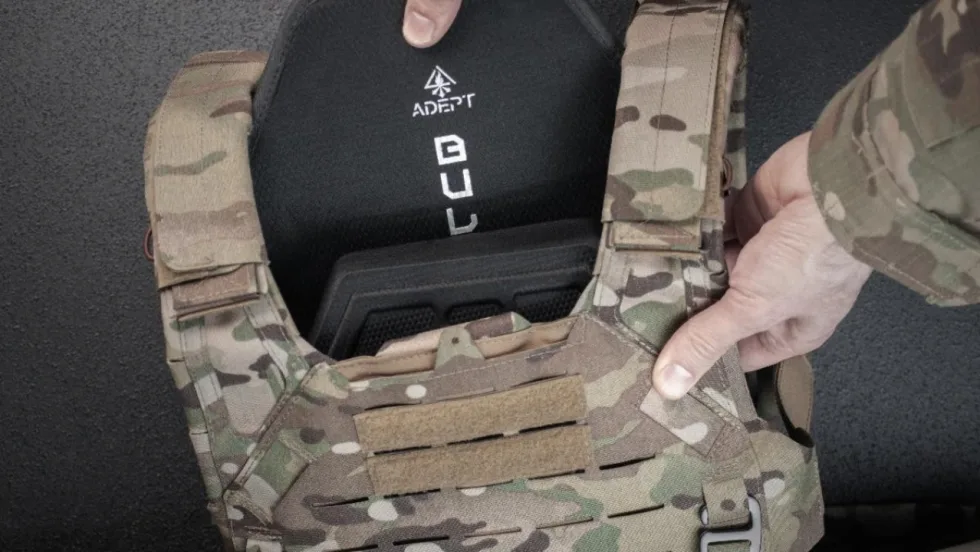
Adept Armor Introduces Two New Rifle Plates
Adept Armor has launched two new Level IV ballistic plates, the Emperor and the Archon Mark 2, which brings Adept Armor’s new Quatroid ceramic to the high-threat, performance-value center of the range at 5.2 pounds.
Read More →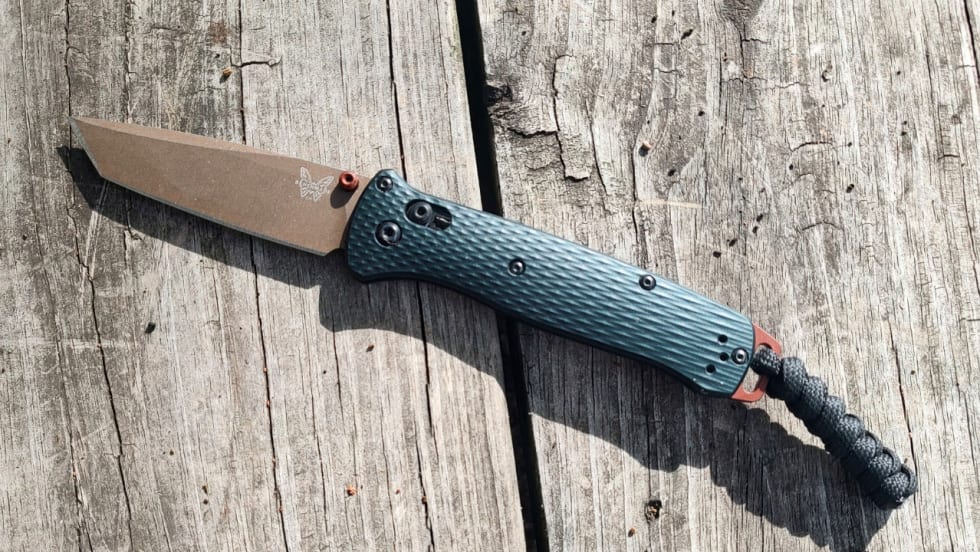
POLICE Product Test: Benchmade Bailout
The Benchmade Bailout is a slim, lightweight carry knife with a deep-ride pocket clip and comes in a variety of blade steels and scales. Here is a detailed review of the Taiga Green Bailout, released earlier this year.
Read More →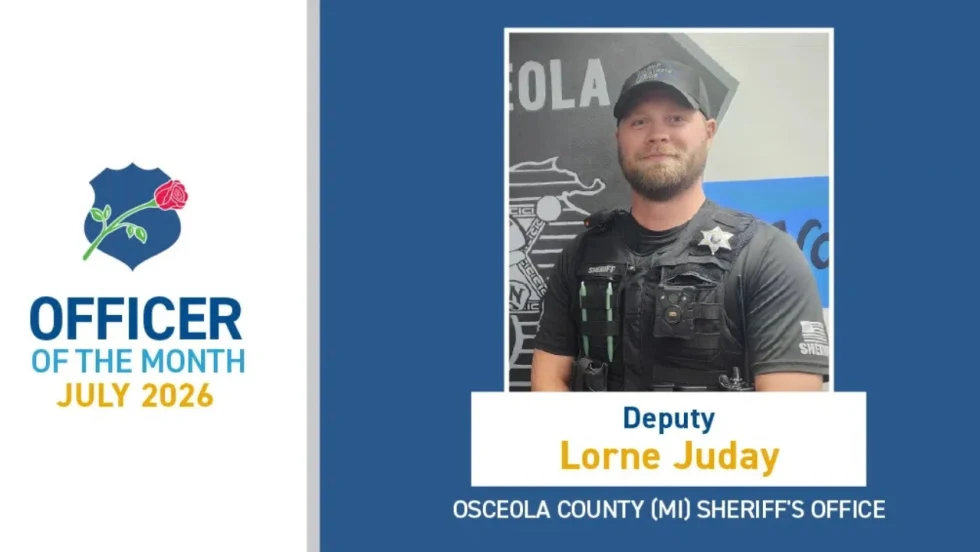
NLEOMF Announces July 2026 Officer of the Month
NLEOMF honored a Michigan deputy sheriff as the July 2026 Officer of the Month for rescuing a trapped driver from a burning vehicle following a Fourth of July crash.
Read More →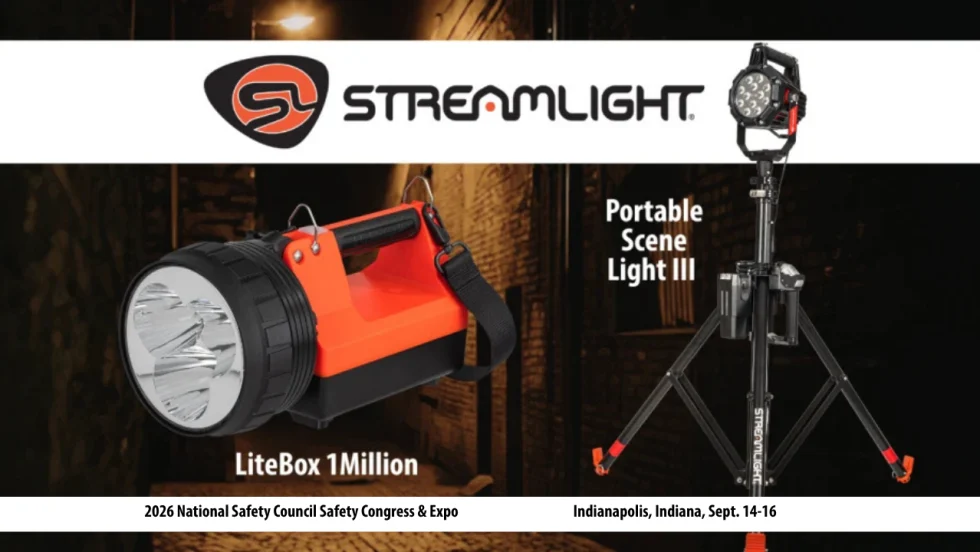
Streamlight to Showcase Newest Lighting Products at National Safety Council’s Safety Congress & Expo 2026
Streamlight will showcase its latest lights, including the Portable Scene Light III and the LiteBox 1Million, at the 2026 National Safety Council (NSC) Safety Congress & Expo.
Read More →
The 2027 World Police & Fire Games Set for Perth, Australia
The 2027 World Police & Fire Games (WPFG) will take place in Perth, Western Australia, from Friday, March 12 through Sunday, March 21, 2027.
Read More →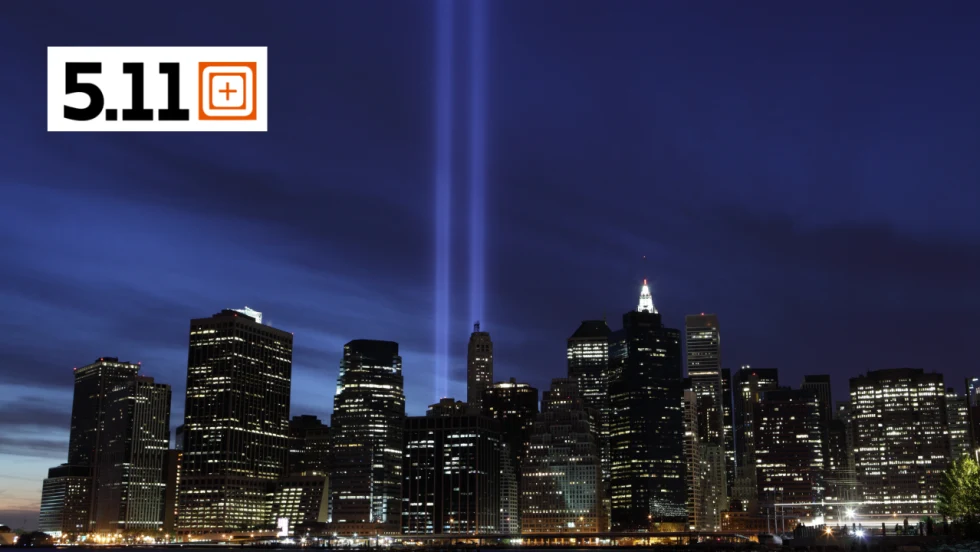
5.11 Partners with National Fallen Firefighters Foundation to Support #ForThe343
5.11 has joined the nationwide movement honoring the 343 New York City Fire Department firefighters lost on Sept. 11, 2001.
Read More →
Team Wendy Announces Title Sponsorship of the Jorge Pastore Foundation
Team Wendy’s 3-year partnership with the Jorge Pastore Foundation expands access to programs that strengthen those who serve.
Read More →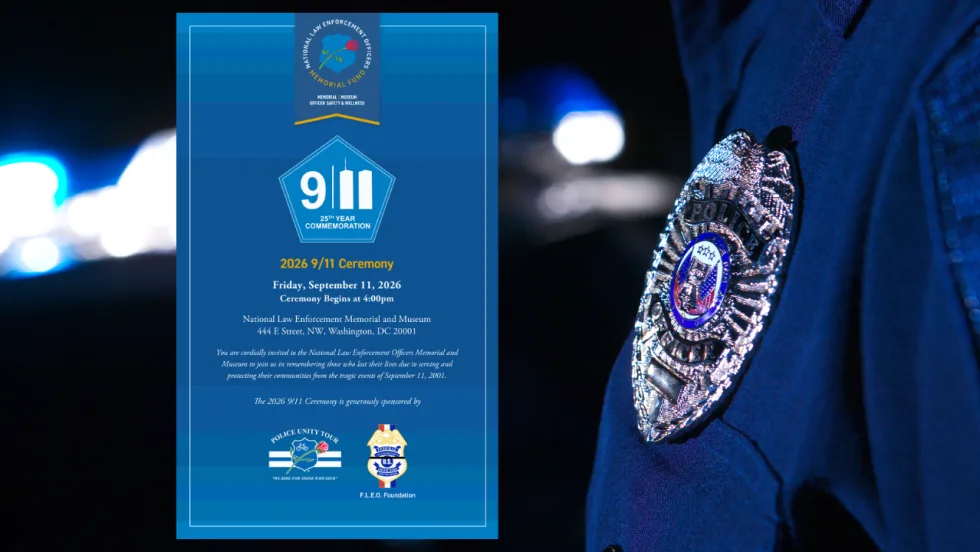
National Law Enforcement Memorial and Museum Hosting 9/11 25th-Year Commemoration Ceremony
The National Law Enforcement Memorial and Museum is hosting a 9/11 25th Year Commemoration Ceremony on Sept. 11 at 4 p.m.
Read More →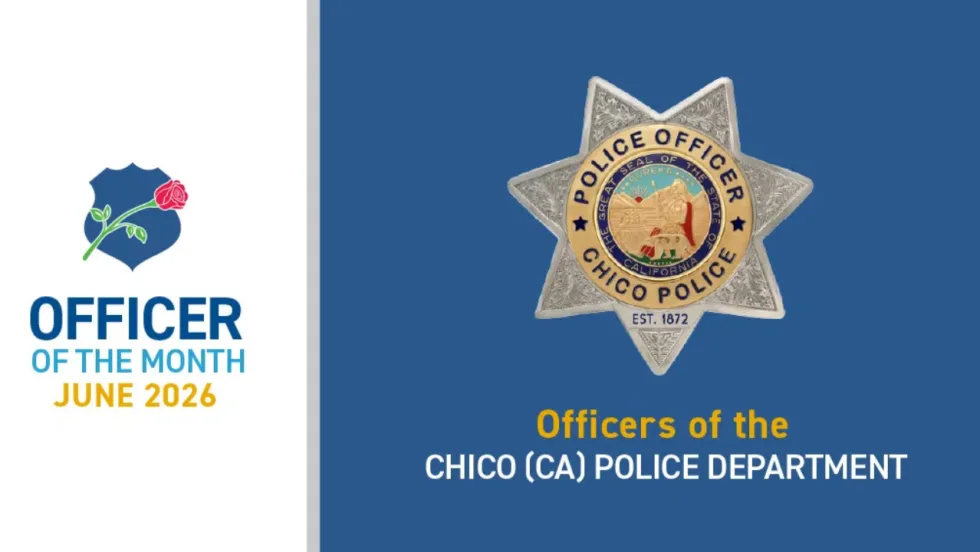
National Law Enforcement Officers Memorial Fund Announces June 2026 Officers of the Month
The National Law Enforcement Officers Memorial Fund (NLEOMF) named 15 officers of the Chico Police Department (California) as the Officers of the Month for June 2026 for their roles in responding to an active-shooter incident at a public library.
Read More →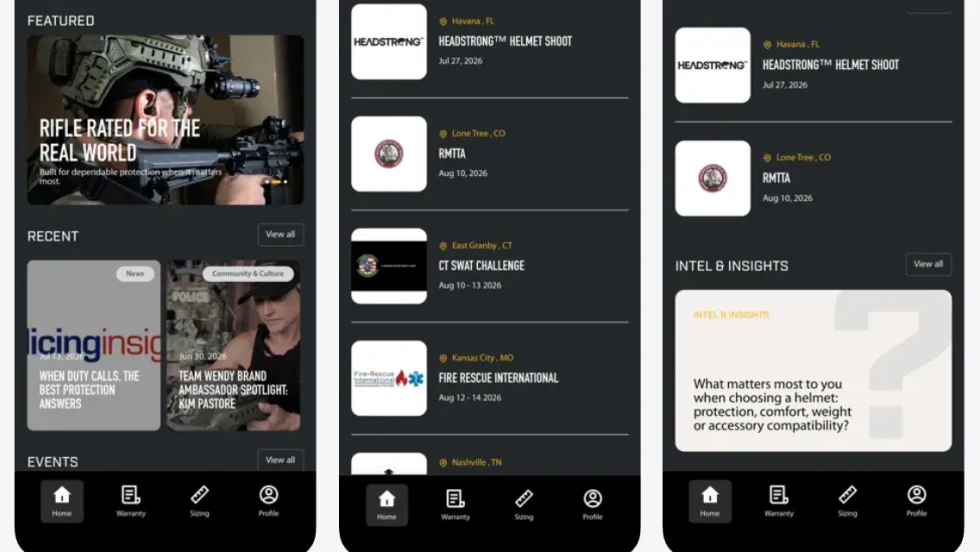
Team Wendy App Creates New Digital Hub for Helmet Owners
The Team Wendy Community App provides one location for warranty registration, size-fit tools, product updates, and community connection. For helmet owners, the new app creates a simpler path to the information and tools that matter most.
Read More →