



Federal Aid
Improved cooperation between Marshals and local cops is the goal of a new federal initiative that was established after 9/11.

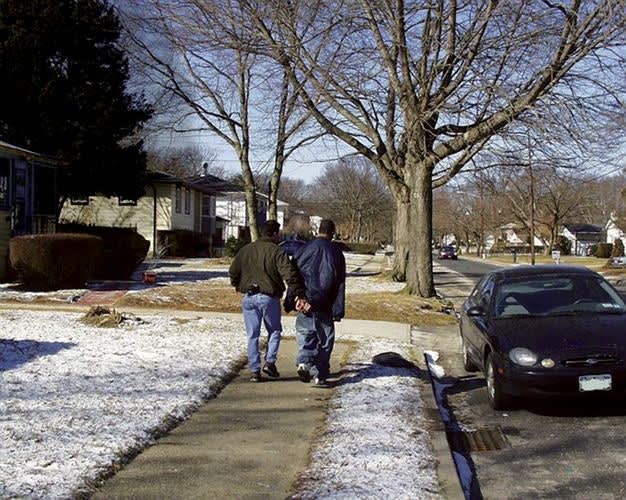
Last year Edward Mathis was living in a Detroit-area motel room under the alias Manny Rohena. He had been on the run since 1997, escaping custody after being charged with conspiracy to distribute crack cocaine and the brutal 1994 machine gun murders of Ari and Millie Espinal.
Mathis, who police reports say fired a burst from a Mac-10 machine pistol into the Espinals in front of their three-year-old son, was a primary target of a joint task force of local officers and U.S. Marshals. And they got their man.
On August 16, law enforcement officers from the New York/New Jersey Regional Task Force, the Redford (Mich.) Police Department, and U.S. Marshals converged on Mathis' hotel room to serve a Drug Enforcement Administration arrest warrant. Mathis didn't go quietly. He produced a 9mm Smith & Wesson semi-automatic with a laser sight and fired on the officers. The officers returned fire, killing Mathis. A subsequent search of the dead man's car yielded a .223 caliber SKS rifle, a ballistic vest, a smoke grenade, knives, boxes of 9mm ammo, and false identification.
The Mathis case didn't make a big splash nationwide. In fact, if Mathis had not been located by tips received from the viewers of "America's Most Wanted," it probably wouldn't have been covered in any nationwide media outlets.
But the Mathis case is noteworthy because it's a primary example of a new and important alliance between the U.S. Marshals Service and local law enforcement officers.
Improved cooperation between Marshals and local cops is the goal of a new federal initiative that was established after 9/11. U.S. Marshal Service Supervisor Inspector Lenny DePaul explains that the program was actually developed immediately after the 2001 terrorist attacks. "After 9/11, Congress decided we needed to concentrate a little more on homeland security and tracking more dangerous fugitives," DePaul says.
One of the reasons why the Marshals Service was asked to establish a program to lend more comprehensive aid to local law enforcement was a concern that, in the wake of 9/11, anti-terrorism tasks would monopolize all of the resources of federal law enforcement agencies.
"The FBI is concentrating on terrorists," explains DePaul. "But Congress asked, 'What about our homeland? What about the criminals? The repeat offenders? If the FBI is targeting terrorists, then who is targeting the criminals? We are here to do that and the local departments should know about it."
Surprisingly, improving police and Marshal cooperation in the pursuit of fugitives was not just a fleeting concern for Congress. It was actually something that the legislature was willing to fund.
The pilot program was launched in New York and California with a $6 million appropriation. More funding was allocated last year when program offices were opened in Atlanta and Chicago.
And by all accounts, the program is a huge success. During the 20 months since the New York/New Jersey task force began its operations, joint efforts by Marshals and local cops have yielded 4,885 arrests. Of those arrests, 1,926 were for drug felonies, 214 were for murder/attempted murder, 359 for felony assault and kidnapping, 108 for rape, 173 for rape and sexual assault, and the remainder for robbery, illegal re-entry and other crimes.
Silent Partners
Local police chiefs and sheriffs hearing that the feds are offering to help them track a fugitive might reflexively respond, "No, thanks." But they might want to give the new U.S. Marshals Service task forces a closer look.
The Marshals say their cooperative program is unique because of the way it requires them to interact with local law enforcement. Much like a silent partner in a successful business, the Marshals bring with them money, manpower, and expertise. But when it comes to controlling the case and the publicity afterwards, they take a back seat.
"We don't adopt cases, we assist with them," DePaul says. "We are here to assist. We have a ton of money; we have resources, and it's all for the locals. That is why we are so unique."
The Marshals also say they don't play the kinds of "claim jumping" games that make so many local police officials reluctant to call in the feds. "They make the press releases; their chief takes over. We don't do press conferences. If they ask us to stick our heads in, we will," DePaul explains.
Success Stories
Police chiefs hearing DePaul's comments may be skeptical, but local departments who have requested the Marshals' assistance through this program say it really works.
Guidelines specify that any department can ask for help, and because the program is so well funded, most will get it. For example, if a fugitive leaves the state or the country, the Marshals have the ability to cut through red tape and seemingly endless domestic and foreign bureaucracies to get wire taps, search warrants, and anything else that they need to bring him home.
"We can make life very easy for local investigators," DePaul says. "We know what to do to get court orders and set up electronic surveillance. Instead of three weeks to wait, we can do it in hours and be up and running on phones."
Inside the Task Force
Police magazine was granted access to the inner workings of the Long Island unit of the New York/New Jersey task force.
The New York/New Jersey task force is headquartered in New York City, but it has satellite offices on Long Island and in three New Jersey cities: Trenton, Newark, and Atlantic City. The task force also includes representation from 80 law enforcement agencies.
On Long Island, the local task force is comprised of officers and agents from 21 different agencies, including local, county, state, and federal law enforcement, social services workers, prosecutors, and probation officers.[PAGEBREAK]
In the Field
Although each task force and each satellite office is named for a geographic location, their operations are not limited to that area. Officers and agents attached to these units log some serious frequent traveler miles.
For example, Depaul's Long Island team worked the Beltway Sniper case. "We got a call and we had our team respond to the Washington area to assist Chief Moose. We went down, myself and six investigators, and we jumped in with two feet and assisted with electronic surveillance and anything else they needed us for," DePaul says.
The Beltway Case was unusual not because it required the task force officers and marshals to travel, but because the crimes did not originate in the New York/New Jersey area. Most of the operations involving the officers of the Long Island unit start in their own backyard.
George Freund, a detective with the Nassau County (N.Y.) Police Department, says the Long Island satellite office of the Marshal's task force has been a great resource. "Maybe I need a warrant," he says. "If the {task force] is working on a case and I want a copy [of its file], all I have to do is call and I can get one. Otherwise, I would be asked to fax our request in on letterhead and wait."
When regional task forces are established, marshals "deputize" local law enforcement officers so they can have the same level of authority as the Marshals, resulting in local authorities being able to act quickly in interstate investigations.
Rounding Them Up
Since its formation in 2001, the Long Island satellite unit of the New York/New Jersey task force has been a fugitive's worst nightmare. And the beneficiaries have been local departments who have received aid in apprehending some of their most difficult criminals.
For example, Arthur Brown was wanted for burglary in multiple jurisdictions including Nassau County, Westchester County, Bergen County, New Jersey, and New York City. He was also wanted for armed robbery, home invasion, and criminal possession of a firearm. Yet he had managed to evade arrest.
But Brown was finished when local cops brought in the task force. Task force members learned that their fugitive target had a cell phone and then they were able to establish a pattern of calls that were centered in the Brooklyn area of New York. After analyzing this information, the task force determined that Brown was at his children's mother's home. He was arrested without incident.
Often cooperation with other agencies is the key to the success of the task force. Consider the case of Raheem Mableton. In 1998, Mableton was arrested by the Suffolk County police and charged with assault with intent to cause serious bodily injury and endangering the welfare of a minor. He intentionally immersed a three-year-old child into scalding water, causing second and third degree burns that required skin grafts.
Mableton was convicted but he was released on bail between his conviction and his sentencing, and he skipped. To bring him to justice, local police enlisted the aid of the task force.
The task force concentrated its manpower and technology resources on finding Mableton. For months, task force officers, agents, and Marshals, interviewed Mableton's contacts, surveiled his known hangouts, and monitored his communications.
All that hard work led to a confidential informant who could pinpoint Mableton's location. Approximately three months after the task force was called in on the case, Mableton was arrested as he tried to escape a residence on Long Island.
Foreign Affairs
The task force has also been successful in preventing fugitives from leaving the country and tracking down foreign fugitives in the United States.
Uno Kim was wanted by the Manchester (N.H.) Police Department. He was a suspect in the murders of two senior males who were strangled, stabbed, and robbed of $200,000.
Manchester detectives believed that Kim was in the New York/New Jersey area and enlisted the assistance of the task force. The task force quickly identified Kim's cell phone and tracked him to New York City. By pulling his call information, they also discovered that he had been in touch with Korean Airlines and that he was attempting to flee the country.
With the cooperation of the airline, the task force discovered that Kim was booked on a specific flight. And they had him. All they had to do was watch the airport and wait for Kim to come to them. He was arrested in one of the airport lounges.
The Kim case illustrates the importance of bringing the task force into a case as soon as possible. Another recent case shows how the task force has increased cooperation among local police, Marshals, and international law enforcement.
Shane Andre Taylor was wanted by London Metropolitan Police for homicide. He was alleged to have been the triggerman in a fatal drive-by shooting with a machine gun. Leads supplied by Interpol London indicated he might be living in the Bronx, New York. Details of call records led New York/New Jersey task force investigators to an Arizona address, where he was later spotted. He was arrested without incident.
"Task forces like this one in New York and other places have shown that when law enforcement works together tremendous results can be achieved," says Chief Inspector Tim Williams, commanding officer of the New York/New Jersey task force.
Shelly Feuer Domash is a Long Island-based freelance writer and a frequent contributor to POLICE magazine.
More Patrol
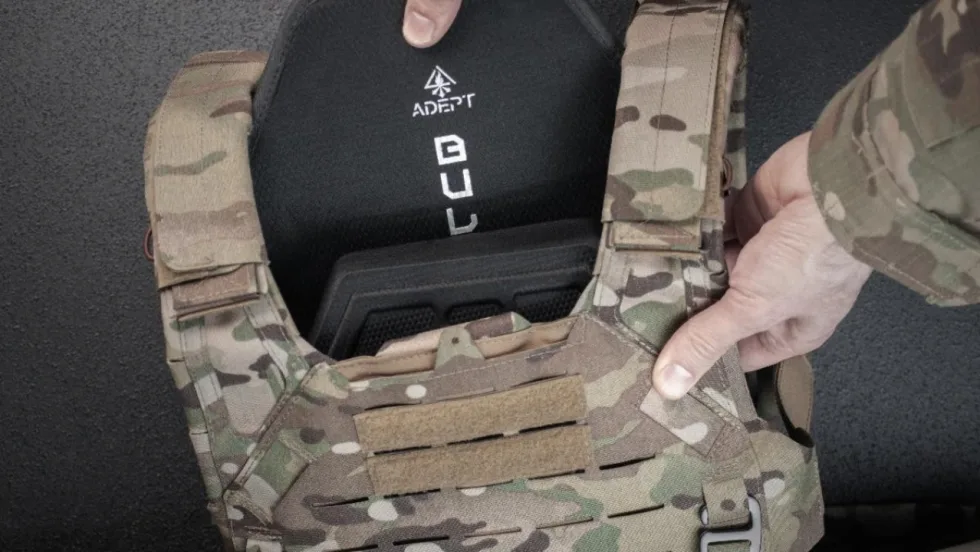
Adept Armor Introduces Two New Rifle Plates
Adept Armor has launched two new Level IV ballistic plates, the Emperor and the Archon Mark 2, which brings Adept Armor’s new Quatroid ceramic to the high-threat, performance-value center of the range at 5.2 pounds.
Read More →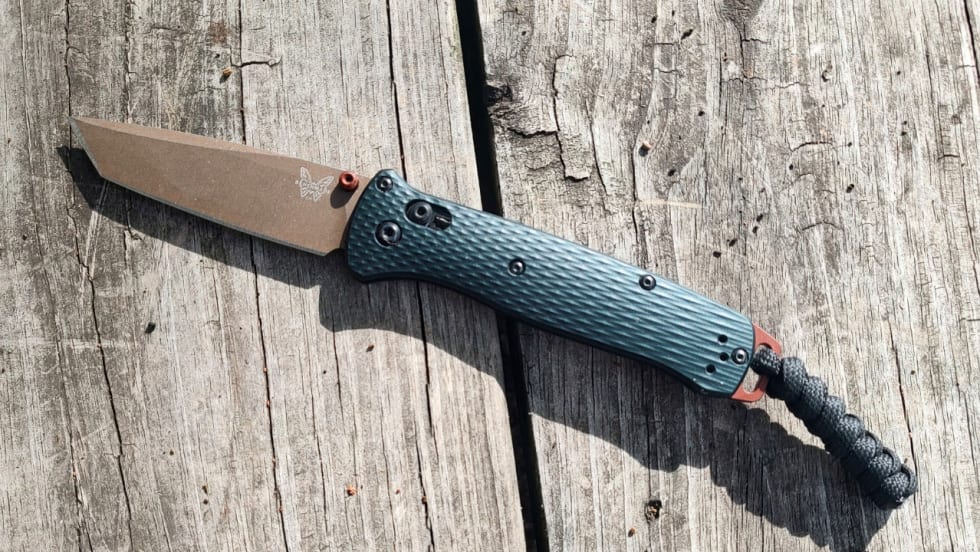
POLICE Product Test: Benchmade Bailout
The Benchmade Bailout is a slim, lightweight carry knife with a deep-ride pocket clip and comes in a variety of blade steels and scales. Here is a detailed review of the Taiga Green Bailout, released earlier this year.
Read More →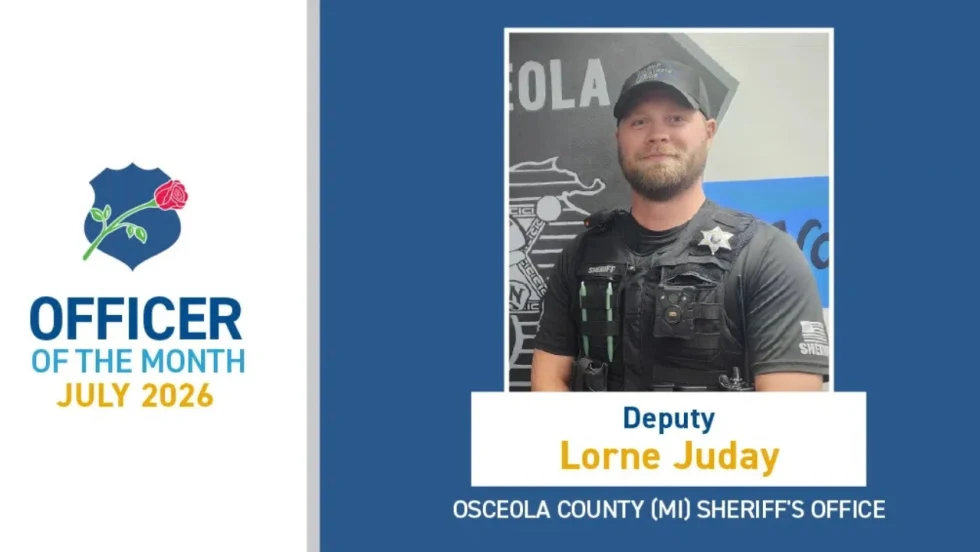
NLEOMF Announces July 2026 Officer of the Month
NLEOMF honored a Michigan deputy sheriff as the July 2026 Officer of the Month for rescuing a trapped driver from a burning vehicle following a Fourth of July crash.
Read More →
Streamlight to Showcase Newest Lighting Products at National Safety Council’s Safety Congress & Expo 2026
Streamlight will showcase its latest lights, including the Portable Scene Light III and the LiteBox 1Million, at the 2026 National Safety Council (NSC) Safety Congress & Expo.
Read More →
The 2027 World Police & Fire Games Set for Perth, Australia
The 2027 World Police & Fire Games (WPFG) will take place in Perth, Western Australia, from Friday, March 12 through Sunday, March 21, 2027.
Read More →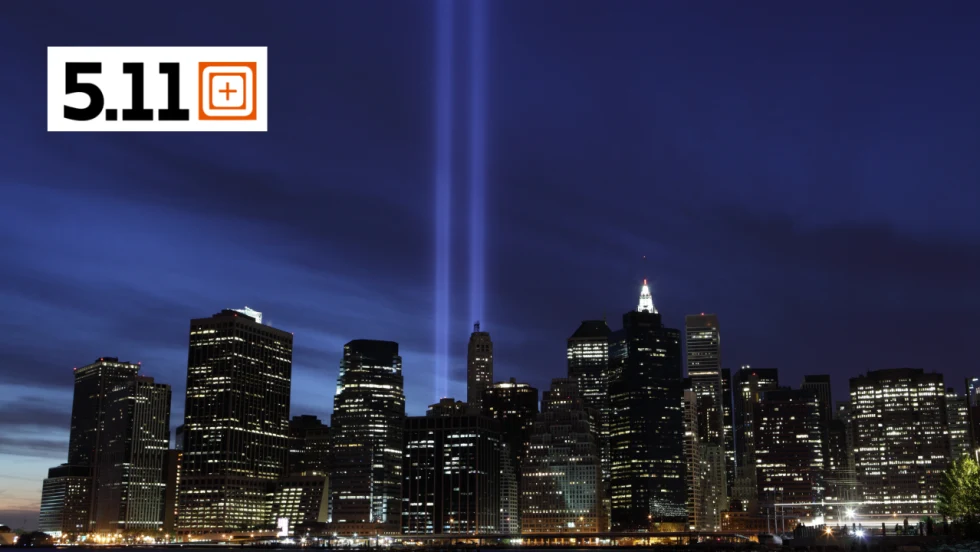
5.11 Partners with National Fallen Firefighters Foundation to Support #ForThe343
5.11 has joined the nationwide movement honoring the 343 New York City Fire Department firefighters lost on Sept. 11, 2001.
Read More →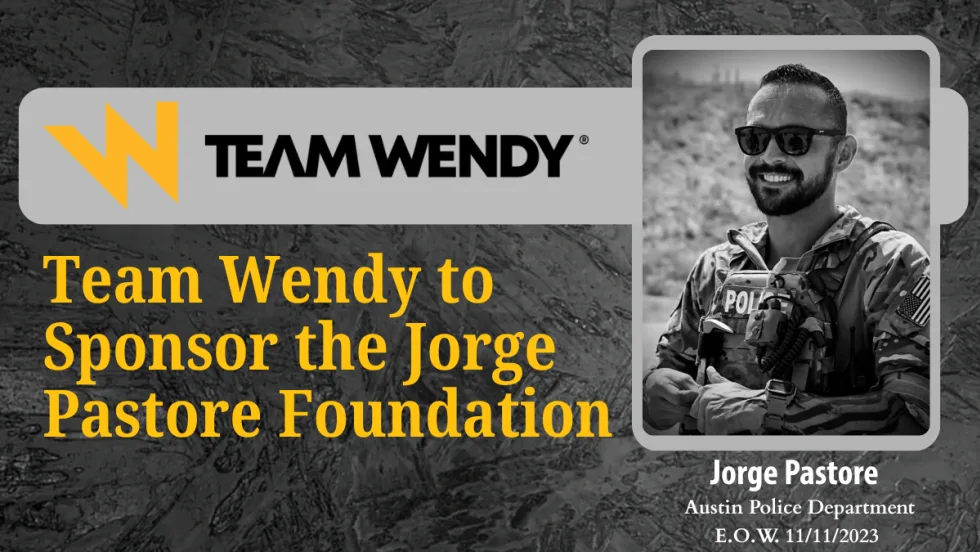
Team Wendy Announces Title Sponsorship of the Jorge Pastore Foundation
Team Wendy’s 3-year partnership with the Jorge Pastore Foundation expands access to programs that strengthen those who serve.
Read More →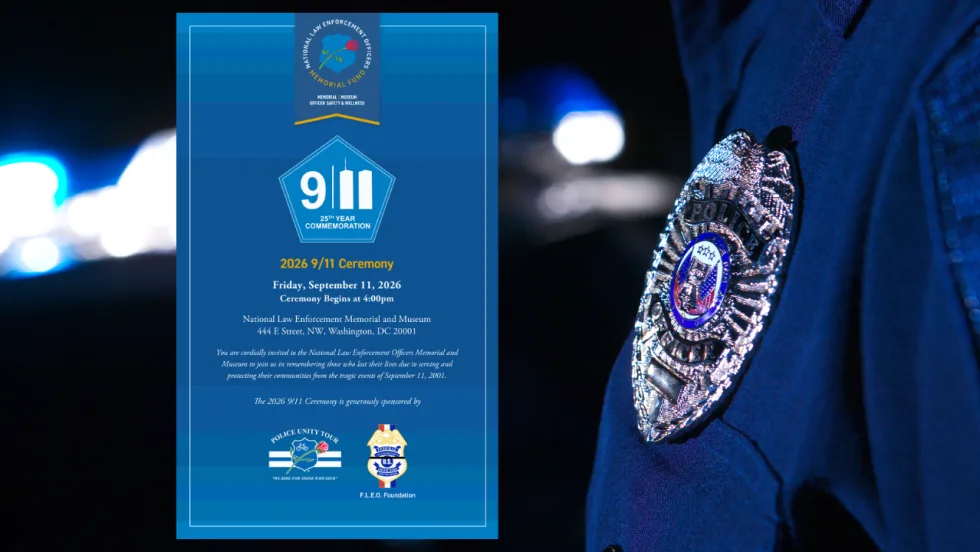
National Law Enforcement Memorial and Museum Hosting 9/11 25th-Year Commemoration Ceremony
The National Law Enforcement Memorial and Museum is hosting a 9/11 25th Year Commemoration Ceremony on Sept. 11 at 4 p.m.
Read More →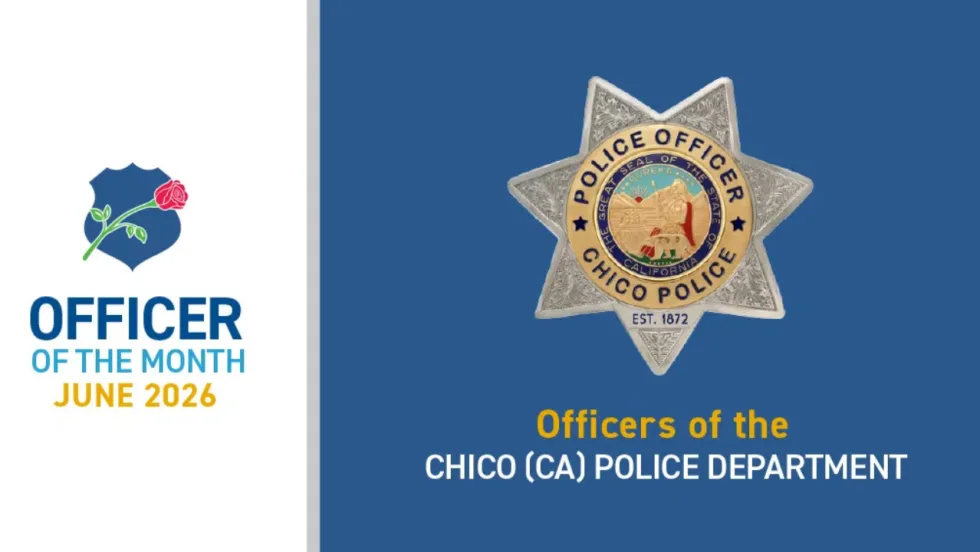
National Law Enforcement Officers Memorial Fund Announces June 2026 Officers of the Month
The National Law Enforcement Officers Memorial Fund (NLEOMF) named 15 officers of the Chico Police Department (California) as the Officers of the Month for June 2026 for their roles in responding to an active-shooter incident at a public library.
Read More →
Team Wendy App Creates New Digital Hub for Helmet Owners
The Team Wendy Community App provides one location for warranty registration, size-fit tools, product updates, and community connection. For helmet owners, the new app creates a simpler path to the information and tools that matter most.
Read More →