



Don’t Reach for the Keys
There’s probably not a patrol officer alive who hasn’t had the impulse. You don’t want an uncooperative drunk getting back on the road, so your first instinct is to reach in and take the keys from his ignition. Don’t do it.

There’s probably not a patrol officer alive who hasn’t had the impulse. You stop some guy who is driving all over the road. He pulls over, but he won’t kill the engine. You don’t want this drunk getting back on the road, so your first instinct is to reach in and take the keys from his ignition.
Don’t do it.
Your first instinct here is absolutely wrong. Reaching in for the keys is one of the most dangerous and least effective actions you can take at a traffic stop.
Police trainer, veteran cop, and attorney John Makholm believes that many trainers and police executives are dropping the ball when it comes to teaching officers not to reach for keys. “This happens all the time in this country without anybody giving any thought to it,” Makholm says. “I rarely see anybody teach anything about it. I rarely see a policy that says don’t reach into cars to get the keys.” Makholm and other police trainers say that officers should realize that there are a variety of reasons that a stopped motorist may not kill his engine when ordered to do so.
• He could be too drunk to understand what you’re saying.
• She could be dazed and confused from being stopped.
• She could be wanted or fleeing the scene of a crime and looking for a way to escape.
• He could be waiting for an opportunity to take violent action against you and preparing to bolt down the highway.
Taking these factors into consideration, a number of bad things can happen when an officer tries to take the keys out of the ignition of a motorist’s stopped car.
• The motorist can drive off with the officer’s arm trapped in the steering wheel. A number of officers have been injured in this manner. Others have been forced to shoot the drivers to prevent from being dragged to their deaths.
• The officer exposes himself to attack by the driver, if the driver has a weapon.
• When reaching into the car, the officer presents the driver with a golden opportunity to grab the officer’s gun.
“Most officers are right-handed,” explains Makholm. “If you’re right-handed and you reach in to take the keys, where is your gun? It’s arguably right in the grasp of the driver. So if the driver is so inclined, he can grab your right arm, pin you to the steering wheel, and get your gun away from you.”
If an officer is attacked while reaching in for the keys or dragged by a panicked or drunk motorist, he or she may need to respond with deadly force. Makholm says the officer can legally do so. But it still may not look good in court.
“Any good attorney is going to ask how you ended up in a situation where the driver could drag you or reach for your gun,” Makholm says. “Yes, from a legal standpoint it’s reasonable for an officer to reach into the car and take the keys out. But from a tactical standpoint, it creates risks that far exceed the potential benefits.”
More Patrol
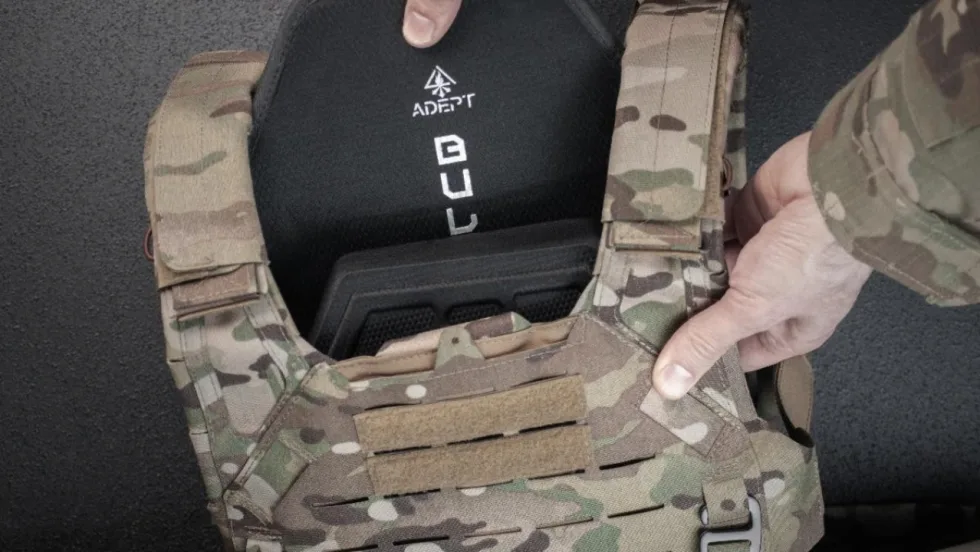
Adept Armor Introduces Two New Rifle Plates
Adept Armor has launched two new Level IV ballistic plates, the Emperor and the Archon Mark 2, which brings Adept Armor’s new Quatroid ceramic to the high-threat, performance-value center of the range at 5.2 pounds.
Read More →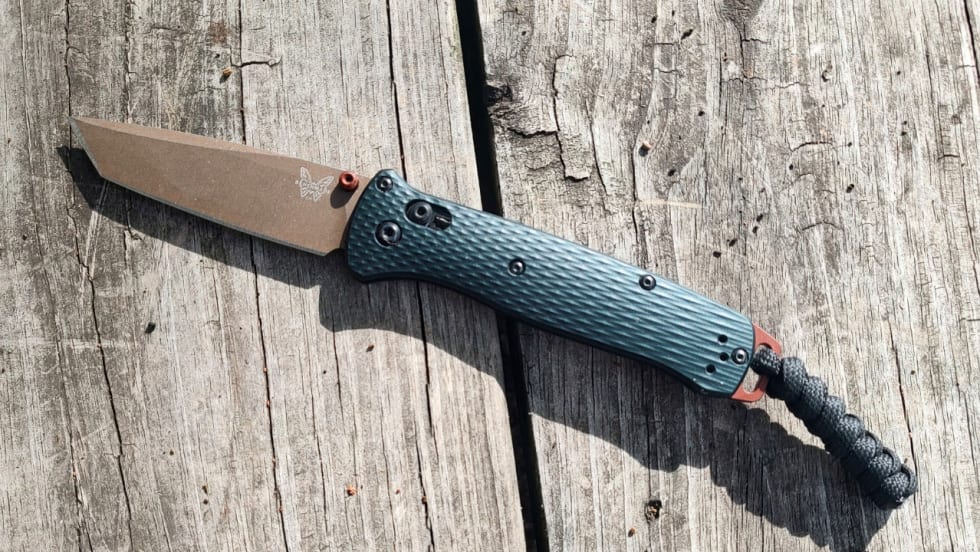
POLICE Product Test: Benchmade Bailout
The Benchmade Bailout is a slim, lightweight carry knife with a deep-ride pocket clip and comes in a variety of blade steels and scales. Here is a detailed review of the Taiga Green Bailout, released earlier this year.
Read More →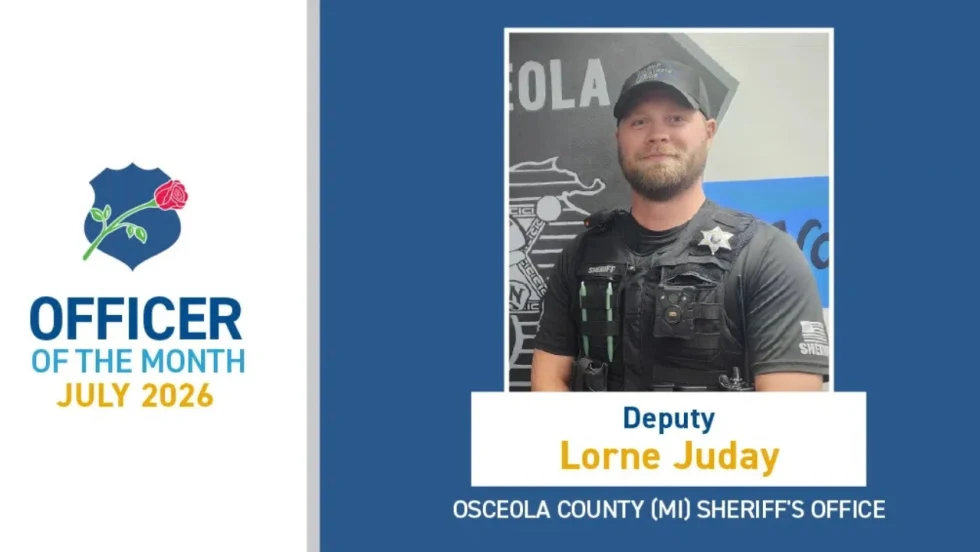
NLEOMF Announces July 2026 Officer of the Month
NLEOMF honored a Michigan deputy sheriff as the July 2026 Officer of the Month for rescuing a trapped driver from a burning vehicle following a Fourth of July crash.
Read More →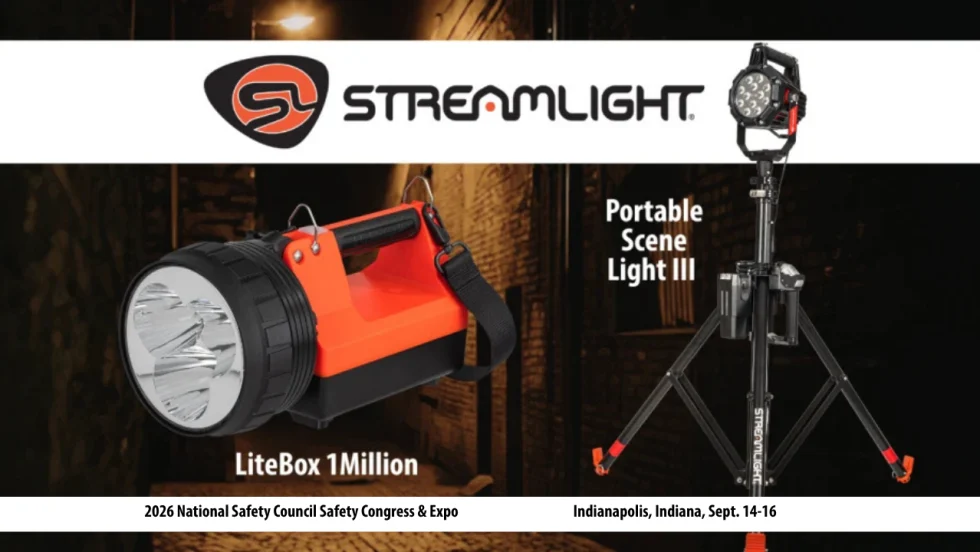
Streamlight to Showcase Newest Lighting Products at National Safety Council’s Safety Congress & Expo 2026
Streamlight will showcase its latest lights, including the Portable Scene Light III and the LiteBox 1Million, at the 2026 National Safety Council (NSC) Safety Congress & Expo.
Read More →
The 2027 World Police & Fire Games Set for Perth, Australia
The 2027 World Police & Fire Games (WPFG) will take place in Perth, Western Australia, from Friday, March 12 through Sunday, March 21, 2027.
Read More →
5.11 Partners with National Fallen Firefighters Foundation to Support #ForThe343
5.11 has joined the nationwide movement honoring the 343 New York City Fire Department firefighters lost on Sept. 11, 2001.
Read More →
Team Wendy Announces Title Sponsorship of the Jorge Pastore Foundation
Team Wendy’s 3-year partnership with the Jorge Pastore Foundation expands access to programs that strengthen those who serve.
Read More →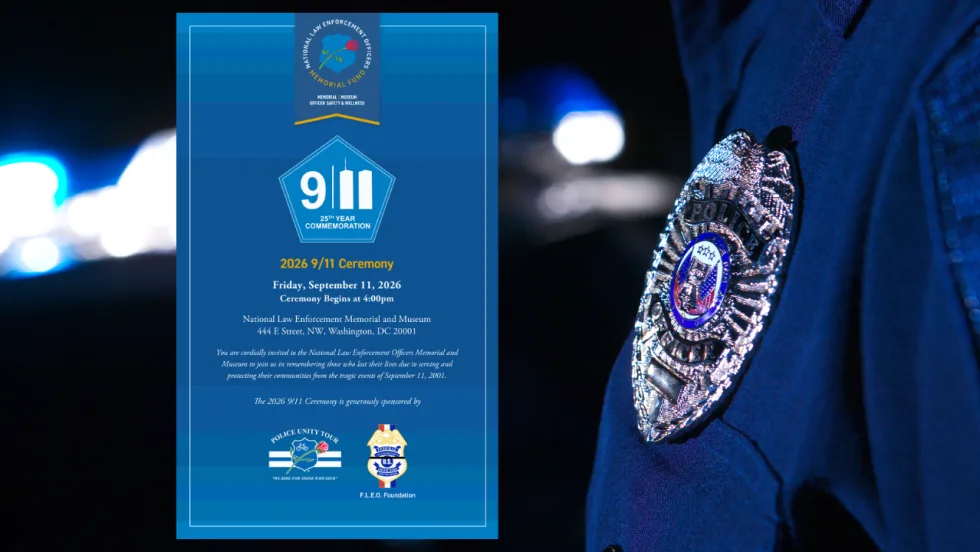
National Law Enforcement Memorial and Museum Hosting 9/11 25th-Year Commemoration Ceremony
The National Law Enforcement Memorial and Museum is hosting a 9/11 25th Year Commemoration Ceremony on Sept. 11 at 4 p.m.
Read More →
National Law Enforcement Officers Memorial Fund Announces June 2026 Officers of the Month
The National Law Enforcement Officers Memorial Fund (NLEOMF) named 15 officers of the Chico Police Department (California) as the Officers of the Month for June 2026 for their roles in responding to an active-shooter incident at a public library.
Read More →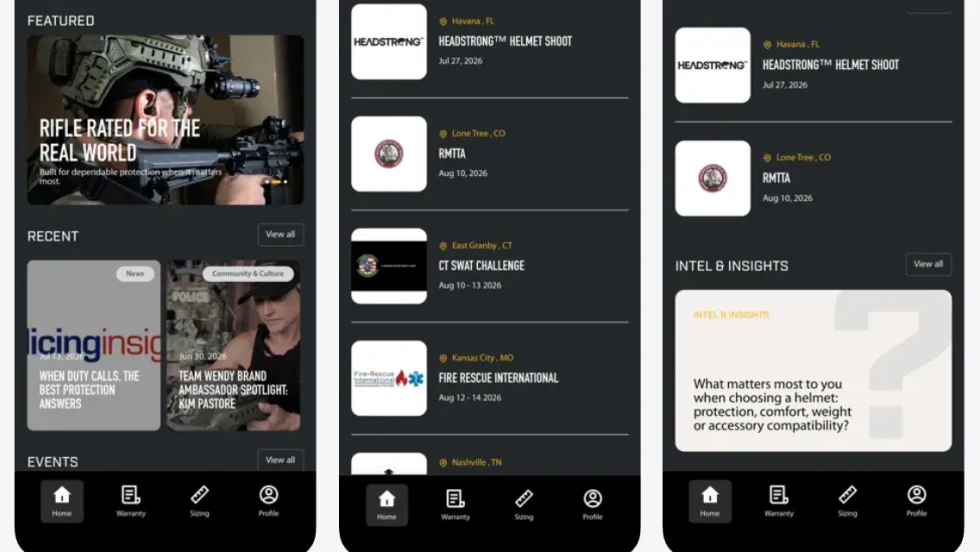
Team Wendy App Creates New Digital Hub for Helmet Owners
The Team Wendy Community App provides one location for warranty registration, size-fit tools, product updates, and community connection. For helmet owners, the new app creates a simpler path to the information and tools that matter most.
Read More →