



Don't Become a Statistic
Can we ever stop law enforcement officers from being killed? I don't think so, but we don't have to make it any easier for it to happen either. There are things we should be doing that are well within our reach, but we don't.

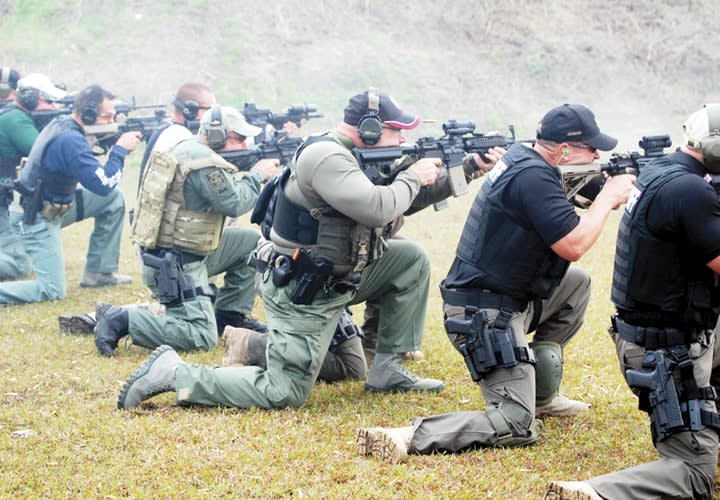
Take training seriously to decrease your chances of dying in the line of duty. Photo courtesy of the Osceola County (Fla.) Sheriff's Office
What can be done to lower the loss of life in the line of duty? Can we realistically aim for no law enforcement deaths in an entire year? It's a question that affects all of us, especially those in leadership positions who impact decision-making.
Can we ever stop law enforcement officers from being killed? I don't think so, but we don't have to make it any easier for it to happen either. There are things we should be doing that are well within our reach, but we don't. A line-of-duty death is a tragedy for about three days and then life goes on as if it never happened at all. Officers stay complacent, supervisors don't push for officer safety, and most politicos (who are hardly ever in the line of fire) just pay it lip service. Unfortunately, human nature is very much like water; it looks for the path of least resistance and an easy way out.
The truth of the matter is we can only control ourselves. Because it starts with us, it's also the last place we look for answers. In order to make a significant impact in lowering line-of-duty deaths, we need to take a good look at ourselves in the mirror. We need to do our part in order to cut down the odds against us. We need to stop using wishful thinking as a standard operating procedure. Our relying on luck is never a good tactical choice. "We don't need to do that" or "that will never happen here" are mantras of future fallen officers.
If we are going to try to make a dent in these numbers, then we need to address the real issues that officers and administrators consistently blow off because it's not politically correct or too painful to discuss. We need to address the poor choices, bad habits, and questionable decision-making on the part of officers no matter who or what is involved.
Attitude is Everything
Attitude is the first place we need to look for answers. Our attitude sets the tone for how we look at life and how we choose to live it. Our attitude is the driving force that creates the core values that determine who we are and what we stand for.
If your attitude revolves around getting a paycheck every two weeks, then that's the perspective you will have at work. You will do just enough to get by and let mediocrity be your guiding light. If you choose to do only the minimum, you are playing the odds in hopes that your luck holds out. In conversation, such a person usually says, "I've been a cop for X number of years and it's never happened, so why should I do that?" It's just this type of thinking that prevents people from grasping the simple truth that just because it hasn't happened doesn't mean it won't. If you don't want to be a statistic, start by first checking your attitude.
Be Professional
You have to adopt the concept that law enforcement is a profession. Law enforcement has specific meaning and value to society. It's a profession that requires us to draw a line in the sand to protect and defend the common good. Unlike most other professions, law enforcement deals with issues that directly affect life and death as well as personal liberties and revolve around the basic fibers that help keep our society civilized.
True professionals take their calling seriously. They do whatever necessary to be the best they can be in all aspects of their duties. No matter how little or small the task, the professional realizes it all counts toward accomplishing the overall mission. More importantly, it counts toward making a difference.
The law enforcement professional understands that perception is reality so he takes measures to look sharp in uniform. She realizes she may be called upon to do strenuous things that require endurance, so she stays in shape. He knows that the law is ever changing so he reviews it constantly. Professionals know how to use all of their available tools and are willing to teach others how to do the same.
In essence, true law enforcement professionals lead by example. If you want to cut down the number of line-of-duty deaths then don't just talk about it, do it. When you do, you will motivate others to do the same.
Training is Key
Don't count on your agency to provide you with all the training you need. You are your own gatekeeper. All of our high-liability areas involve skills that diminish over time. It's up to you to keep them honed. You need to therefore seek out training and take advantage of it.
Look for like-minded individuals and train together. Learn to take advantage of the expertise that is in your own backyard. For example, each agency usually has its own firearms and combatives gurus. Get with them and arrange some one-on-one time. Take advantage of the expertise in your own community. Find a local martial arts school that offers special opportunities for law enforcement officers. I'm not suggesting you work toward obtaining a black belt, but look at their core curriculum and see what you can incorporate into your own control and arrest procedures.
Look for ways to stay in shape. No one is asking you to be an Olympic athlete. Stop making excuses and eat better, get some sleep, and work out. If you can't find something that works for you, it's because you haven't looked.
Find seminars and webinars you can attend. Tap into the Internet with free sites like Lessons Learned Information Sharing at LLIS.gov, which hosts all types of emergency management material. See what others have done; see what works and what doesn't work. Learn from other people's mistakes.
You need to be a student of strategy and tactics. How will you know how to counter if you don't know what tactics are being used against you? Do you read and keep officer safety bulletins? Do you know the difference in tactics between what a white supremacist and an Islamic extremist might use? Do you know how an ambush is set and therefore how to look out for one? Do you keep up on current events? Even if it's happening somewhere else, you'll see it sooner or later.
These are all things that we need to consider because the world is a different place than when our grandfathers walked a beat. The days of just worrying about how to deal with a drunk are long gone.
Stop Candy Coating Mistakes
At some point we have to have an honest discussion and stop candy coating officers' mistakes. We focus on making them heroes in order to be politically correct and help deal with the tough emotions of the time. And yet, if we really wanted to honor their ultimate sacrifice, we should be completely honest with ourselves. Why can't we talk about the bad tactics and the bad choices the officer made? Why can't we say that she never took training seriously? Why can't we say he was overweight and chose not to do something about it?
If you want to truly honor the dead then we need learn from them. Don't let their final act be their death, but the lessons they can teach us instead. We need to pass on the good, the bad, and the ugly. We need to openly talk about what really happened and why. We save lives by never making the same mistakes twice. Being mindful of feelings is important, but I'd rather take the chance of offending someone than attending another funeral.
Officers Need to Win, Not Just Survive
I dislike the term "office safety and survival." The word "survival" does not represent our needs very well. I don't want to just survive; I want to win. Surviving is not winning nor is it thriving. You could survive a deadly force encounter and yet lose your career because of your injuries. You may have won the battle but lost the war. Maybe we should change it to "officer safety and perseverance" instead.
We need to teach that surviving an incident is not enough; we need to persevere. We need to hold fast in the belief that we will win the encounter by performing our duties in a professional manner and take whatever action necessary to bring the incident to its rightful conclusion. If that means using deadly force, so be it. When it comes to life and death, it's a battle of wills and we will win. Let the bad guys "survive" the incident.
It's Your Choice
If we are to cut down on the number of officers killed in the line of duty it's up to the individual officer. Sure, we can't prevent a sniper round to the back of the head, but when an officer gets shot because of poor tactics, it's not just sad, it's just plain stupid.
Let's face it, some of us have no business being in law enforcement. As for the rest of us, we can always do better. The choices we make every day will determine whether we become a statistic or not. It's never too late to shed some pounds, train in earnest, and change our attitudes.
Amaury Murgado is a special operations lieutenant with the Osceola County (Fla.) Sheriff's Office. He is a retired master sergeant from the Army Reserve, has more than 25 years of law enforcement experience, and has been a lifelong student of martial arts.
More Patrol
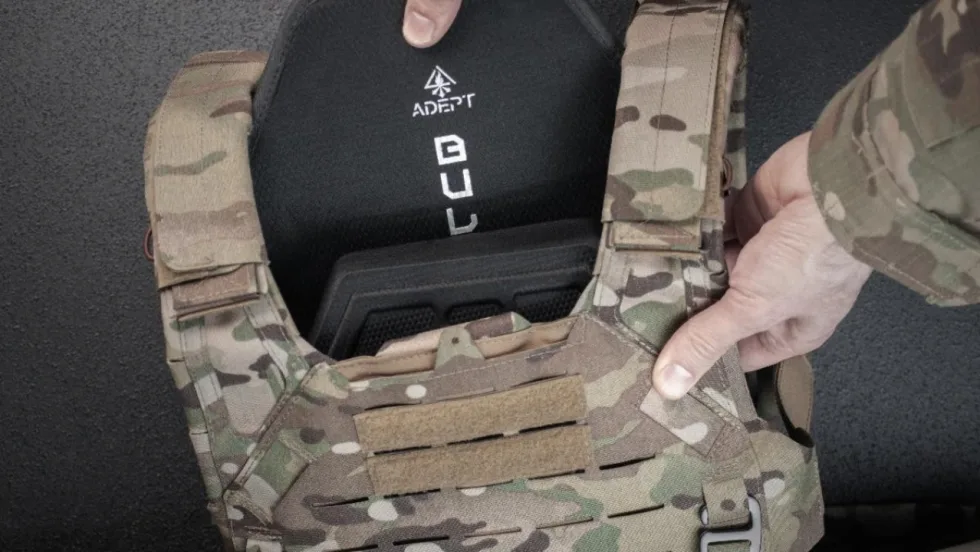
Adept Armor Introduces Two New Rifle Plates
Adept Armor has launched two new Level IV ballistic plates, the Emperor and the Archon Mark 2, which brings Adept Armor’s new Quatroid ceramic to the high-threat, performance-value center of the range at 5.2 pounds.
Read More →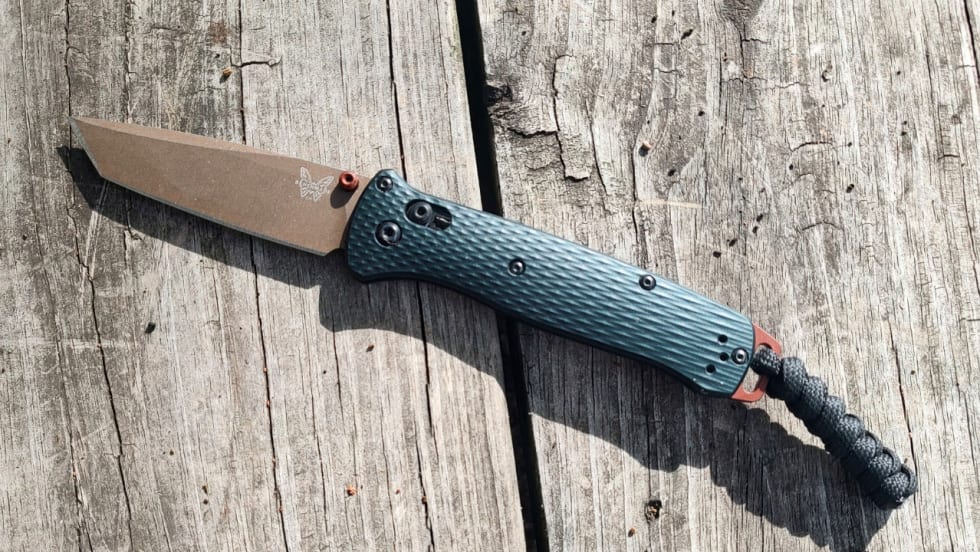
POLICE Product Test: Benchmade Bailout
The Benchmade Bailout is a slim, lightweight carry knife with a deep-ride pocket clip and comes in a variety of blade steels and scales. Here is a detailed review of the Taiga Green Bailout, released earlier this year.
Read More →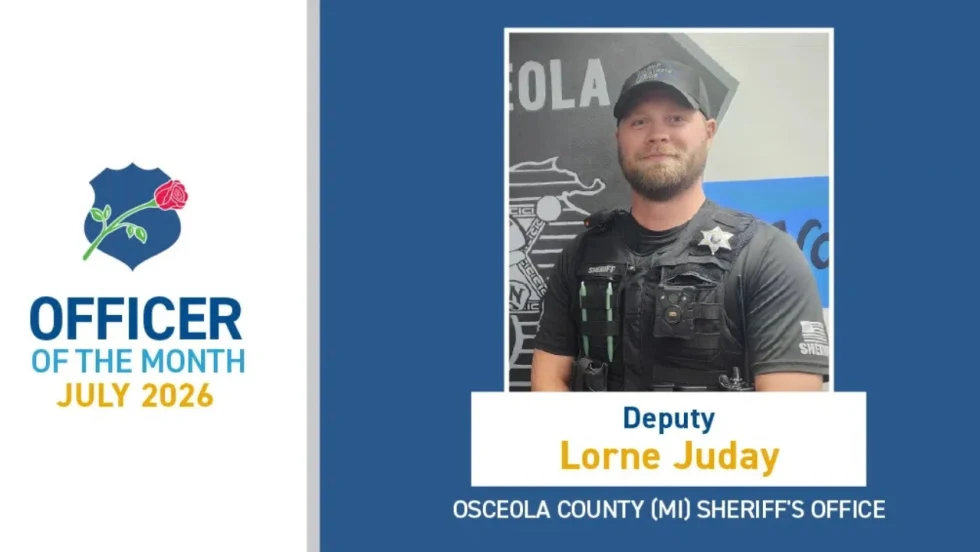
NLEOMF Announces July 2026 Officer of the Month
NLEOMF honored a Michigan deputy sheriff as the July 2026 Officer of the Month for rescuing a trapped driver from a burning vehicle following a Fourth of July crash.
Read More →
Streamlight to Showcase Newest Lighting Products at National Safety Council’s Safety Congress & Expo 2026
Streamlight will showcase its latest lights, including the Portable Scene Light III and the LiteBox 1Million, at the 2026 National Safety Council (NSC) Safety Congress & Expo.
Read More →
The 2027 World Police & Fire Games Set for Perth, Australia
The 2027 World Police & Fire Games (WPFG) will take place in Perth, Western Australia, from Friday, March 12 through Sunday, March 21, 2027.
Read More →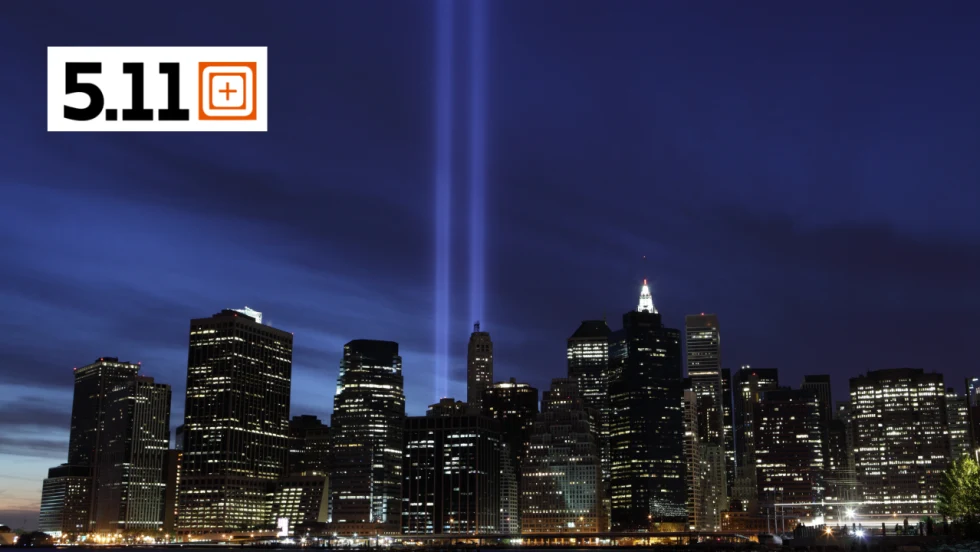
5.11 Partners with National Fallen Firefighters Foundation to Support #ForThe343
5.11 has joined the nationwide movement honoring the 343 New York City Fire Department firefighters lost on Sept. 11, 2001.
Read More →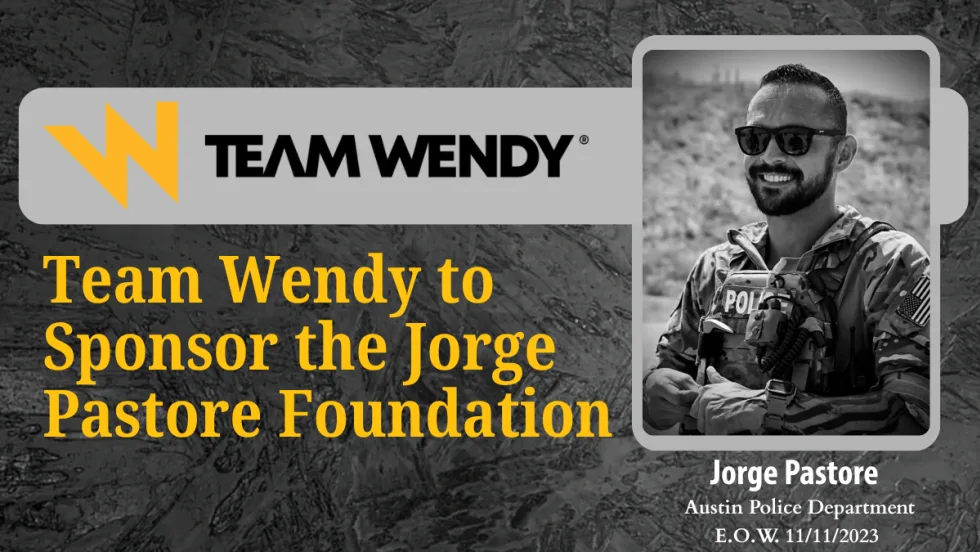
Team Wendy Announces Title Sponsorship of the Jorge Pastore Foundation
Team Wendy’s 3-year partnership with the Jorge Pastore Foundation expands access to programs that strengthen those who serve.
Read More →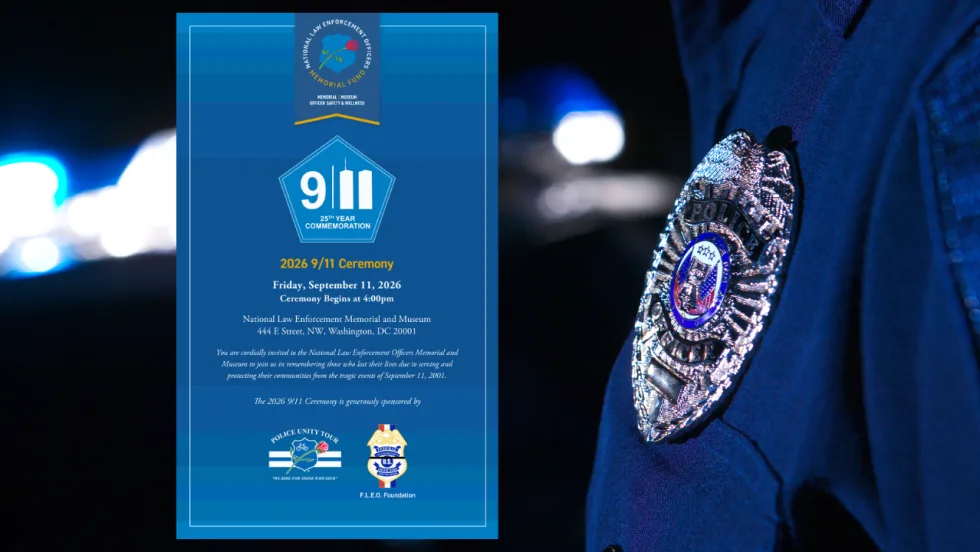
National Law Enforcement Memorial and Museum Hosting 9/11 25th-Year Commemoration Ceremony
The National Law Enforcement Memorial and Museum is hosting a 9/11 25th Year Commemoration Ceremony on Sept. 11 at 4 p.m.
Read More →
National Law Enforcement Officers Memorial Fund Announces June 2026 Officers of the Month
The National Law Enforcement Officers Memorial Fund (NLEOMF) named 15 officers of the Chico Police Department (California) as the Officers of the Month for June 2026 for their roles in responding to an active-shooter incident at a public library.
Read More →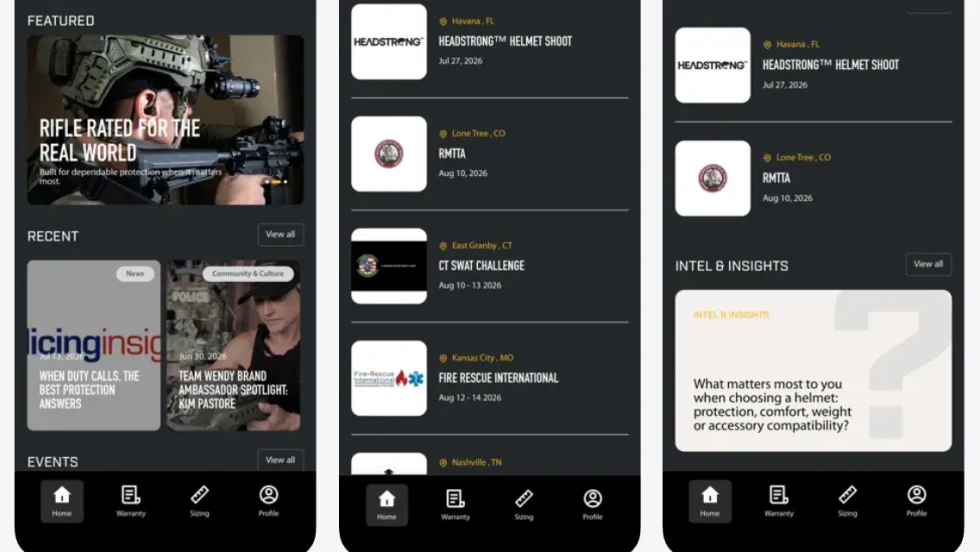
Team Wendy App Creates New Digital Hub for Helmet Owners
The Team Wendy Community App provides one location for warranty registration, size-fit tools, product updates, and community connection. For helmet owners, the new app creates a simpler path to the information and tools that matter most.
Read More →