



Digital Video: Working Under the Microscope
When the public sees a news video that apparently shows an officer committing excessive force, the incessant media-driven quest for "Justice! Now!" puts false hope in the minds of many that there will be quick and easy answers for complex events.


Photo: iStockphoto.com
Picture a bunch of glum cavemen looking at their leader who proclaims to the group, "Conditions have always been bad…but now that language has been invented you hear more about it!" That's a quote from a "Grin and Bear It" cartoon that I clipped out of a newspaper about 40 years ago. I think it perfectly describes today's 24/7 news cycle and social media.
Daily and nightly we are treated to increasing numbers of videos of this or that police incident. Some of them are put out there for pure entertainment value. And of course, the news being the news, the ugly ones get the most play.
Protest how unfair it all is if you must, but "Congress shall make no law… abridging the freedom of… the press." Which means this is basic First Amendment stuff, so the press is allowed to sell it. And what the press sells, as always, is controversy. Still, the controversial videos raise legitimate questions about the quality of the police work that is seen.
It's not news, as they say, when dog bites man. Ah, but when man bites dog that's a story. And the same is true for law enforcement officers. When you are shown doing your job professionally and in respect of the rights of the people you encounter, that's not news, and it won't be shown on the news. But when a fellow officer shoots an unarmed, fleeing person in the back for head-scratching reasons or a group of fellow officers kick and thump on a suspect who puts his hands behind his back in the normal felony handcuffing position and these actions are recorded on video, the footage will be shown over and over.
We've seen a lot of people biting a lot of dogs in our profession lately. Some of it's shocking, some of it's ugly, some of it is pretty cool, like the officer who righteously rammed a rifle-toting nutjob with his patrol car before he could reach a business complex full of people, preventing a possible standoff without shooting and killing the gunman.
But some of what we see is not defensible police work. A growing percentage of the public seems to be of a mind that the actions of officers doing the wrong things, which are captured on sensational videos, are the norm in our profession, instead of aberrations.
And when the public sees a news video that apparently shows an officer committing excessive force, the incessant media-driven quest for "Justice! Now!" puts false hope in the minds of many that there will be quick and easy answers for complex events. The 60-minute solutions to TV crime drama investigations and instant interpersonal digital communications capabilities drive these false expectations, and many do not see just how unreasonable such expectations are. In the real world investigations take time and with major use-of-force incidents, concurrent investigations are underway by the local agency, the district attorney, the county medical examiner or coroner, and (increasingly often) the U.S. Department of Justice. So there will be no quick answers regardless of how much people demand them.
Besides the excesses of television, we now have social media, where blowhards of all persuasions pontificate instant opinions for issues they know absolutely nothing about, and then get quoted in the major media to boot. This is a recipe for ramped-up public outrage before a competent investigation has even started, much less been completed.
Truth be told, most people wouldn't know a legitimate police use of force if it punched them in the nose.
My colleague, retired Los Angeles County Sheriff's Commander Sid Heal (a widely known tactics expert) recently told me, "The trends have been moving toward tabloid TV and have determined that excitement is more important than information. Law enforcement is the current whipping boy." I'll buy that.
But complain all we want about this sorry state of affairs, and we get nowhere. The focus on police is here, it's now, it's staying, and it will become more intense in the coming months and years as more and more people video police with cellphones, and as more and more officers are issued body-worn cameras.
Various studies have shown that significant police use of force occurs in less than two percent of all arrests. Most use of force is obviously proper. Some is in a gray area, and the courts give us the legal benefit of the doubt because of the nature of our jobs. But some small, increasingly viewable percent of force cases are over the line, out of policy, illegal, and just plain wrong.
One big question: if police use of force occurs in just two percent of all arrests, are the excessive force incidents just "two percent of the two percent," or are the indefensible incidents more widespread?
Another big question: we always say that "use of force never looks pretty," which is true, but what should police be doing to better explain use of force to the public?
The days of circling the wagons and getting away with saying only, "We're aware of it, we're looking into it, and we'll investigate it," are over. Some police leaders and agency spokespeople are better than others at informing the public—through the media—about major incidents. Better explanations of the investigative process and the laws and policy and training that govern use of force are now imperative.
Some folks will never understand, they don't want to understand, and they will always despise who you are and what you stand for. The uncivilized will continue to cheer when you get hurt or even die doing your duty. Nothing will change that. Don't bother telling that crowd that nearly all of the major use-of-force incidents would not occur if someone didn't run from, resist, or attack the officer. They don't want to hear it, and you're not ever going to be the hero in their eyes.
But most people are rational and can learn more about what we do to protect them and to keep ourselves alive, if we teach them. Perhaps you have opportunities on your beat to talk about how the job is done, and why. Perhaps your agency can establish better relationships with your local media and community leaders, and conduct specific education sessions about laws and procedures that have to do with arrests and use of force.
In the next couple of years, I expect we will see academic studies of incidents recorded on police body-worn cameras. I believe the studies will show that police overwhelmingly do the right thing in those tense, uncertain, and rapidly evolving circumstances that we face on the street. Body-worn cameras (especially the audio tracks, since the videos won't always capture all of the important views of your incident) will protect you when you are doing your job in a reasonable fashion, and they will show the world the challenges you face while doing your job each day.
But use of force will continue to be an ugly thing to watch for most people. The media will make sure that it is watched, and the editorial choices of which videos to show will tilt toward the sensational. Get used to it. The video of you arresting someone peacefully will not be shown, it just doesn't sell soap.
When officers are on camera, as they increasingly will be, it is an opportunity for them—you!—to prove that we're as good as we claim to be.
Greg Meyer is a retired Los Angeles Police Department captain, a member of the POLICE advisory board, and a frequent use-of-force expert in civil and criminal litigation cases.
More Technology

A police agency's guide to data-driven fleet management
Costs are rising and the public expects more transparency into how their tax dollars are spent. This e-book shows how police agencies can use fleet data to take control of fleet expenses while improving officer safety and demonstrating fiscal responsibility to the communities they serve.
Read More →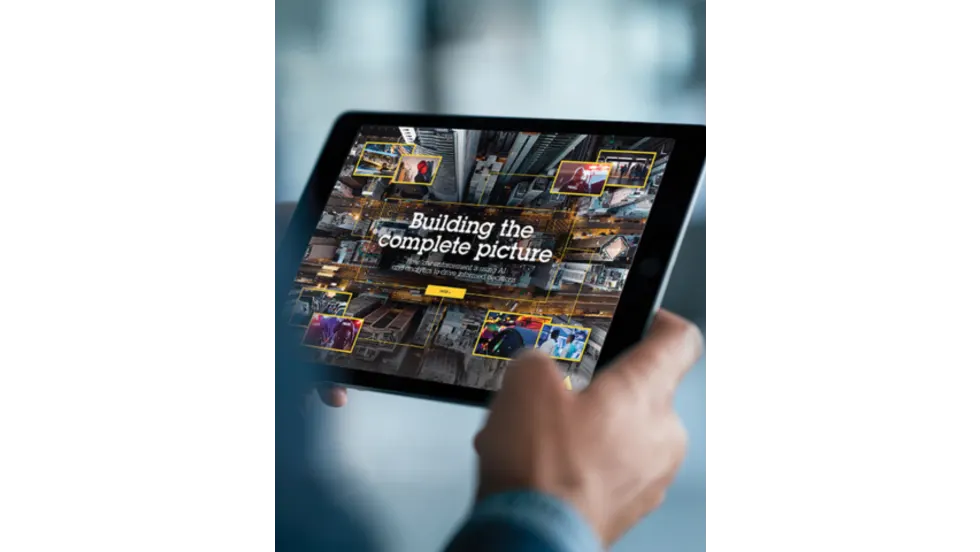
AI and analytics for law enforcement: Turning data into insights
Law enforcement agencies are managing more video, sensor data and digital evidence than ever before. Discover how AI and analytics can help turn that data into actionable insights that strengthen situational awareness, accelerate investigations and support more informed decisions.
Read More →
Vasco Electronics Adds Automatic Language Detection to Vasco Translator Q1
Vasco Electronics’ software update introduces hands-free language switching and expanded offline translation across 45 language pairs, empowering law enforcement, healthcare, and front-office enterprise teams
Read More →

North Miami Police Department Deploys Mark43
The North Miami Police Department has deployed Mark43 as part of its Five-Year Strategic Plan that represents its collective vision and goals for a more proactive police department, anchored by a core commitment to leveraging modern technology to enhance efficiency and public safety.
Read More →
Cellebrite Genesis for Enterprise Now Generally Available
Made available to the public sector in June, Cellebrite Genesis is serving a growing mix of national, regional, and local agencies worldwide, including some of the largest regional and metropolitan police departments. It is now available for enterprise organizations.
Read More →
2026 Vision FirstNet Users Summit to Host Emerging Leaders Training on Grassroots Advocacy for Public Safety
“Emerging Leaders Training: Understanding the Importance of Grassroots Advocacy for Public Safety," a session during the 2026 Vision FirstNet Users Summit, will offer a roadmap for unified advocacy at the federal level.
Read More →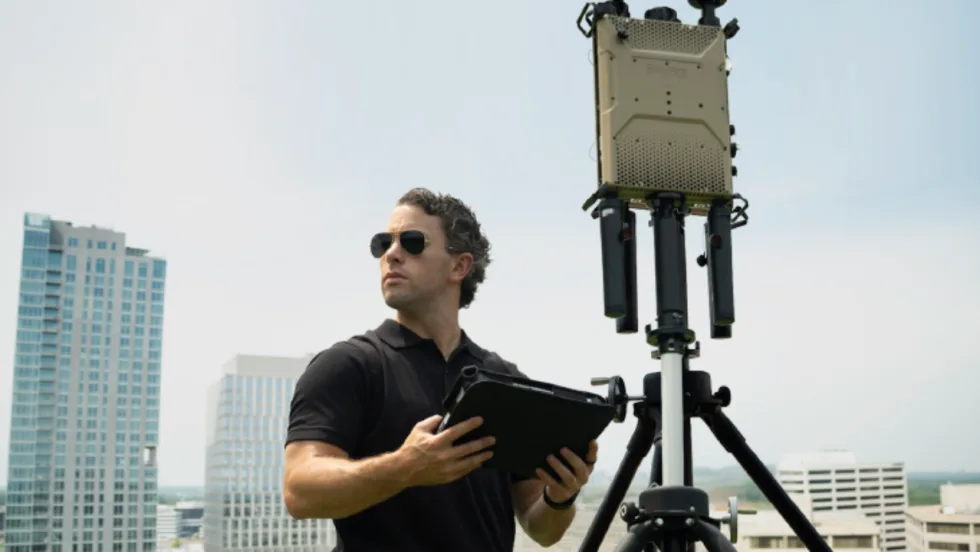
Motorola Solutions Completes Acquisition of D-Fend Solutions
Motorola Solutions has acquired D-Fend Solutions, an industry leader in counter-drone technology. This deal provides public safety and enterprise customers with access to advanced counter-unmanned aerial systems.
Read More →
ZeroEyes, Advantech & Camden Police Partner to Bring AI Gun Detection Technology to Delaware School District
ZeroEyes has partnered with Advantech and the Camden Police Department to deploy ZeroEyes’ AI gun detection and intelligent situational awareness platform at Delaware’s Caesar Rodney School District (CRSD).
Read More →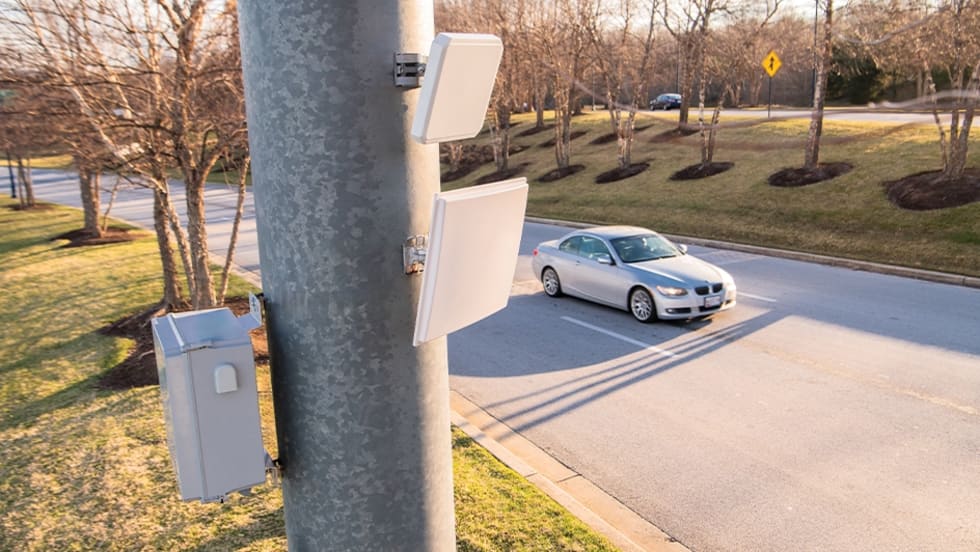
Leonardo U.S. Cyber & Security Solutions Introduces SignalTrace, the Next Evolution in Electronic Signature Detection Technology
SignalTrace reflects years of product refinement and a clearer expression of the technology’s purpose of recognizing and correlating electronic signatures in publicly broadcast wireless signals to reveal patterns, relationships, and trends that might otherwise go undetected.
Read More →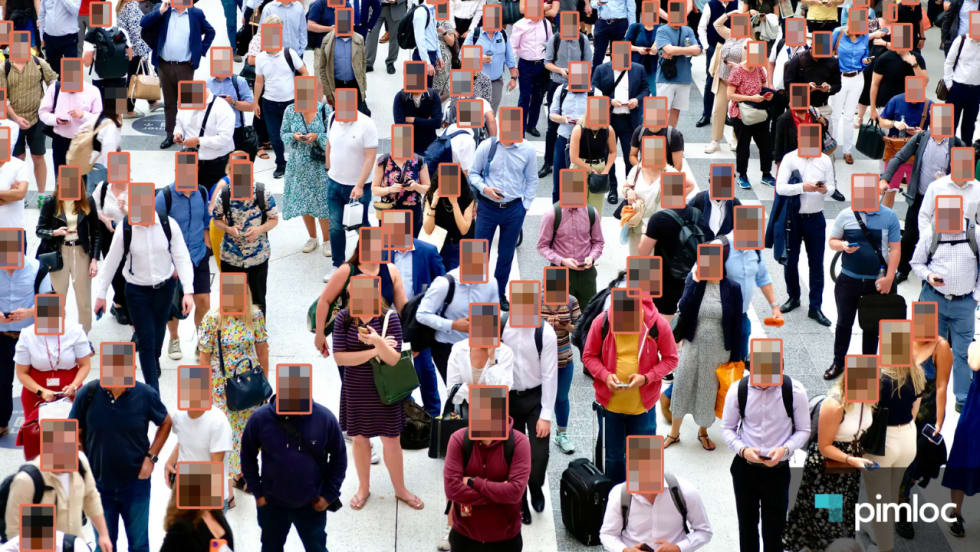
Pimloc Launches Secure File Sharing to Streamline Release of Redacted Video
Pimloc’s Secure File Sharing lets organizations deliver redacted video, audio, and documents through expiring, passcode-protected links, accelerating delivery while reducing security, compliance, and chain-of-custody risks.
Read More →