



Critical Incident Delegation and Documentation
Most officers place a great deal of emphasis on the tactical side of operations but forget that wars are now won through paperwork. That's why the warrior scribe is so important.

There is a Chinese proverb that states, "The palest ink is better than the best memory." We can all benefit from this sage wisdom, as there is an ongoing struggle between those who enforce the law and those who prefer to attack it in the courts.
Attorneys tend to keep in mind two basic assumptions: "If it isn't in writing, it didn't happen," and, "Documents are power." Unfortunately for us, we don't share the same assumptions. When we do write, we make clear and concise an elevated art form.
Being designated the scribe does not place anyone in a trivial role, so if that's your assignment check your ego at the door. The scribe is a key player who helps the incident commander tackle command and control, decision-making, and documentation.
Command and Control Asset
Incident commanders should look for opportunities to delegate tasks so they have more opportunities to handle the bigger picture. The scribe creates such opportunities and should be considered the incident commander's best friend.
A scribe gives the incident commander maneuvering room so he or she can focus on command and control. So making a scribe part of in-progress calls procedure makes a great deal of sense.
For example, the closest unit going straight to a scene will obtain victim, witness, and suspect information. The second unit should be designated as the scribe; these officers also start setting up the perimeter. This simple tactic relieves the primary unit and the incident commander of setting up the perimeter. The next responding units communicate directly with the scribe and receive their assignments. The scribe also starts writing down perimeter positions and logs any other pertinent information, thus becoming the gatekeeper.
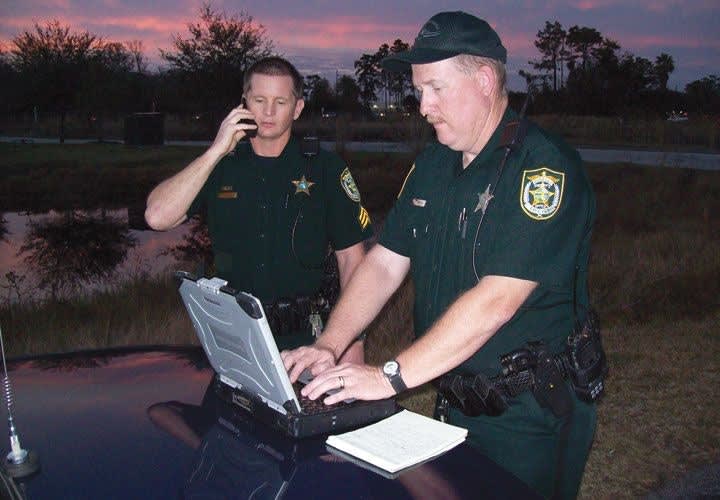
Typically, once the perimeter has been set and the initial response is in motion, the scribe and the incident commander will meet at some type of command post. The command post can be as simple as the trunk of the incident commander's car. This then becomes the scribe's temporary office.
Delegating Authority
Incident commanders need the freedom to address the overall strategy of the response and cannot do everything themselves. If they do, the situation will eventually overwhelm them. Inevitably some consideration or assignment will fall through the cracks. That's why during the early moments of a response, not having to worry about setting up a perimeter is worth its weight in gold. If any adjustments to the perimeter are needed, they are handled by the scribe as well. In general, this opens up more free time for decision-making.
The deployment of a scribe also makes it easier for the incident commander to handle any phone calls or radio traffic while formulating the next move. Sometimes, the most time-consuming activity becomes dealing with your own chain of command. You can only say "I'll call you back" so many times.
Since a scribe is documenting the events as they unfold, he or she becomes a viable option to help answer basic questions for the incident commander. The scribe also keeps track of the incident's progress. This reduces or eliminates any duplication of effort. It never fails, when a scribe is not documenting what is happening during an incident, two or more units respond to the same perimeter position. And it's quite possible that your suspect has just escaped through the very open position you are trying to have covered.
After-Action Benefits
The scribe is invaluable when it is time to write the report narrative, an after-action report, or a lessons learned summary. This is another gatekeeper function and should be viewed as a tactical consideration.
If you have to defend yourself or the actions of others in court, your documentation becomes your first line of defense. Ask any veteran officer and he or she will tell you the better the report, the less chance of you having to go to court.
But that is just one consideration. A scribe's work can also lead to identifying and analyzing deficiencies in policy, training, and individual officers' performance. The scribe is constantly looking at what is and is not working. Many issues can be resolved right at the end of an operation when a debriefing with all those involved is conducted.
Scribe Tools
The scribe can use any form of low- or high-tech approach to make his or her notations. Since the initial part of any documentation takes the form of note-taking, the scribe can use a yellow pad. If your agency uses a Mobile Data Computer (MDC), the scribe can work from there.
Many agencies have added a GPS program that tracks its patrol cars. A scribe can easily form a perimeter by switching to that program and calling out positions. Adjustments can then be made over the radio or by the MDC's instant messaging program. Further, the scribe can use the MDC's word processing capability to type so poor handwriting is never an issue.
Scribes should try to answer who, what, when, where, how, and why on the command side. They write down any specific instructions that were given by or to the incident commander. If something goes wrong, this will help alleviate a medical condition I lovingly refer to as "bureaucratic selective memory."
Scribes need to document anyone whom the incident commander talked to over the phone outside the chain of command. This helps eliminate having to ask dispatch for the same information or asking them to have someone call you back. If your situation goes long term, your communications center personnel will have their hands full as well. Dispatch should never do something for you that you can do yourself. You're the cop, not them.
I can't emphasize enough the importance of using a scribe for setting up a perimeter. Using a scribe will help you with command and control, decision-making, and documentation. It will be a way for you to work smarter and not harder. There will come a time when you'll be glad you did.
Amaury Murgado is a road patrol lieutenant with the Osceola County (Fla.) Sheriff's Office. He is a retired master sergeant from the Army Reserves, has 23 years of law enforcement experience, and has been involved with martial arts for 37 years.
More Patrol
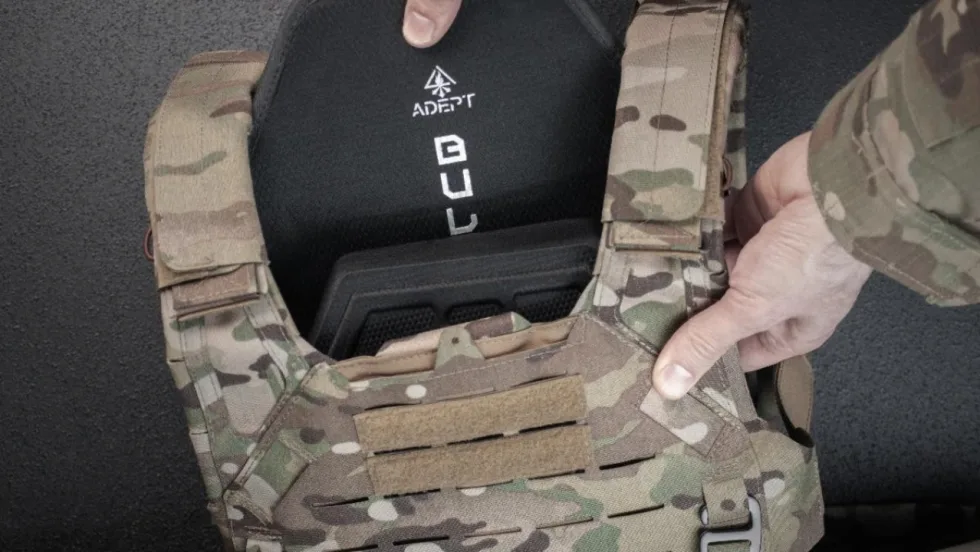
Adept Armor Introduces Two New Rifle Plates
Adept Armor has launched two new Level IV ballistic plates, the Emperor and the Archon Mark 2, which brings Adept Armor’s new Quatroid ceramic to the high-threat, performance-value center of the range at 5.2 pounds.
Read More →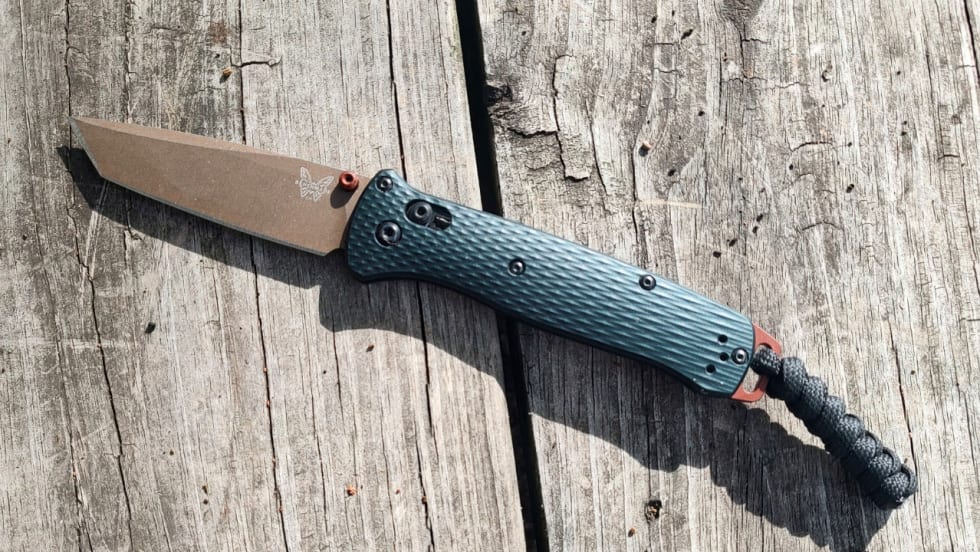
POLICE Product Test: Benchmade Bailout
The Benchmade Bailout is a slim, lightweight carry knife with a deep-ride pocket clip and comes in a variety of blade steels and scales. Here is a detailed review of the Taiga Green Bailout, released earlier this year.
Read More →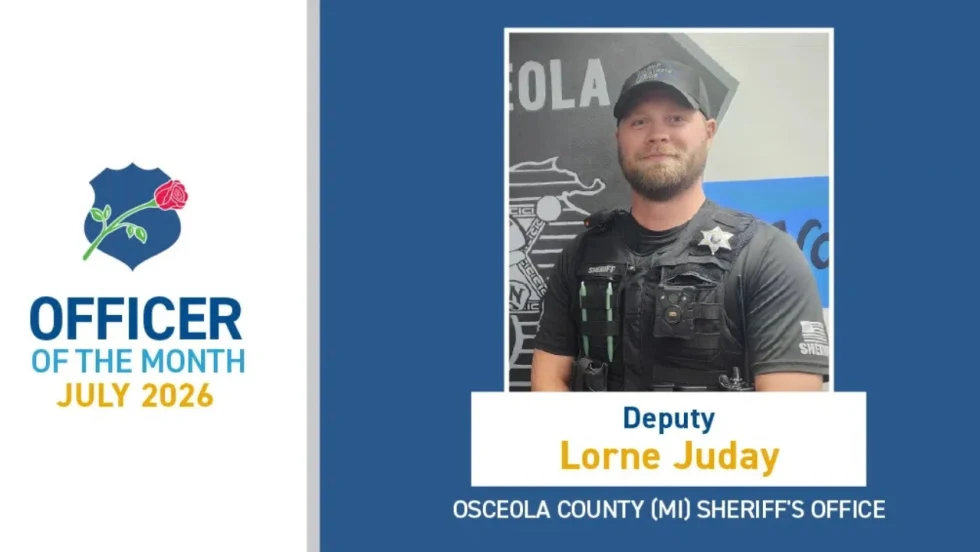
NLEOMF Announces July 2026 Officer of the Month
NLEOMF honored a Michigan deputy sheriff as the July 2026 Officer of the Month for rescuing a trapped driver from a burning vehicle following a Fourth of July crash.
Read More →
Streamlight to Showcase Newest Lighting Products at National Safety Council’s Safety Congress & Expo 2026
Streamlight will showcase its latest lights, including the Portable Scene Light III and the LiteBox 1Million, at the 2026 National Safety Council (NSC) Safety Congress & Expo.
Read More →
The 2027 World Police & Fire Games Set for Perth, Australia
The 2027 World Police & Fire Games (WPFG) will take place in Perth, Western Australia, from Friday, March 12 through Sunday, March 21, 2027.
Read More →
5.11 Partners with National Fallen Firefighters Foundation to Support #ForThe343
5.11 has joined the nationwide movement honoring the 343 New York City Fire Department firefighters lost on Sept. 11, 2001.
Read More →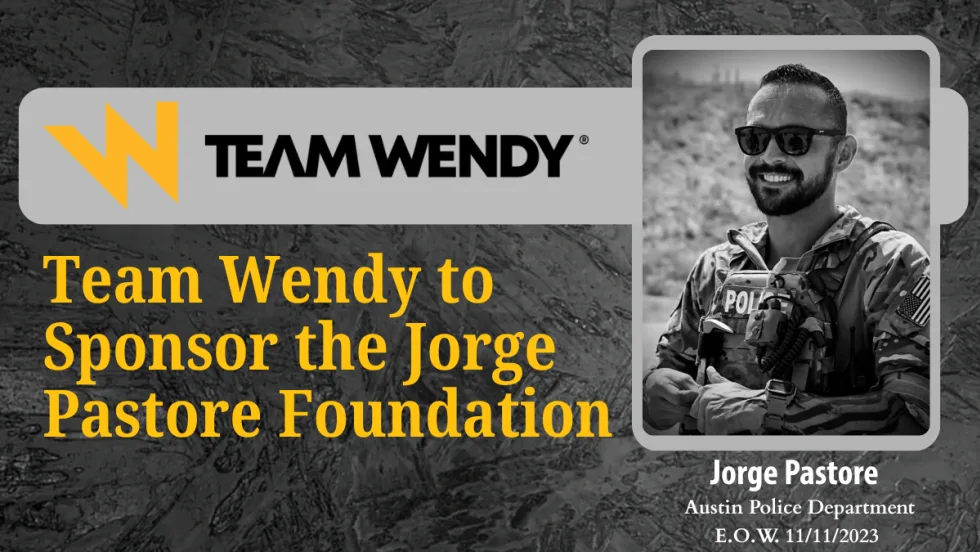
Team Wendy Announces Title Sponsorship of the Jorge Pastore Foundation
Team Wendy’s 3-year partnership with the Jorge Pastore Foundation expands access to programs that strengthen those who serve.
Read More →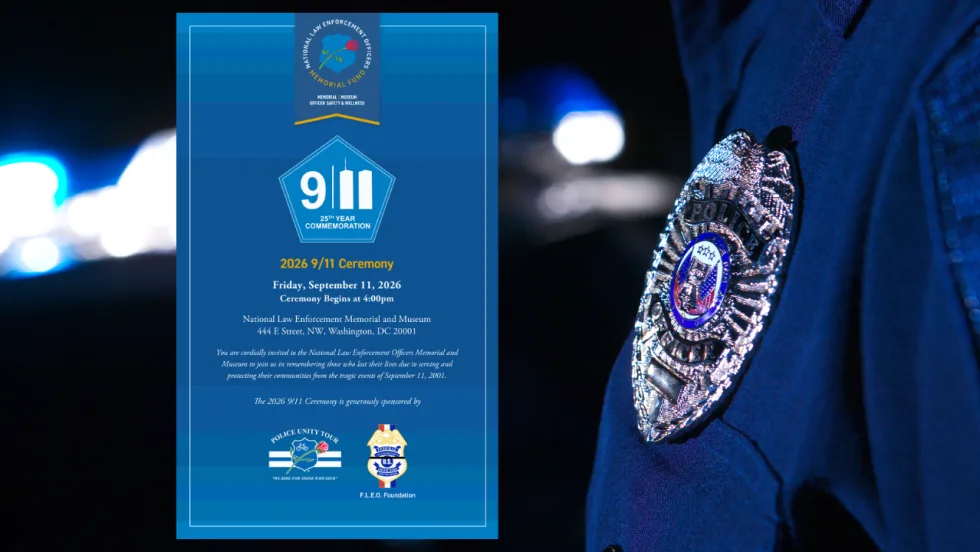
National Law Enforcement Memorial and Museum Hosting 9/11 25th-Year Commemoration Ceremony
The National Law Enforcement Memorial and Museum is hosting a 9/11 25th Year Commemoration Ceremony on Sept. 11 at 4 p.m.
Read More →
National Law Enforcement Officers Memorial Fund Announces June 2026 Officers of the Month
The National Law Enforcement Officers Memorial Fund (NLEOMF) named 15 officers of the Chico Police Department (California) as the Officers of the Month for June 2026 for their roles in responding to an active-shooter incident at a public library.
Read More →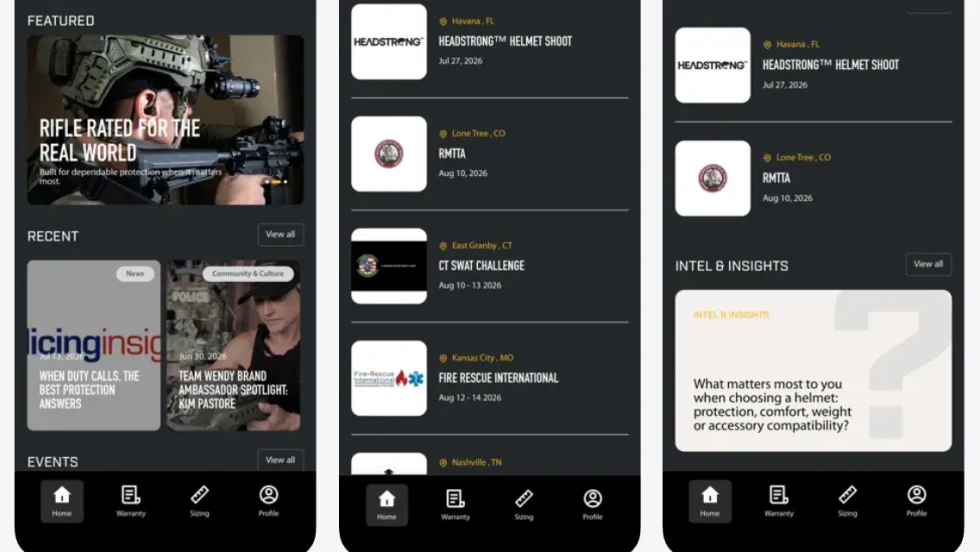
Team Wendy App Creates New Digital Hub for Helmet Owners
The Team Wendy Community App provides one location for warranty registration, size-fit tools, product updates, and community connection. For helmet owners, the new app creates a simpler path to the information and tools that matter most.
Read More →