



At What Cost?
Take the time to nurture your loved ones. They need you more than "the job" does.

Take the time to nurture your loved ones. They need you more than "the job" does.
In March 1999, when my 23-year marriage ended, I became painfully aware of what is, unfortunately, one of the most common occupational hazards we face as police officers: divorce.
Occupationally, 72 percent of police officer marriages end in divorce, which is far above the national occupational average. So, at what cost are we choosing and staying in law enforcement careers?
I am not saying that "the job" was the sale cause of all these divorces, or mine for that matter, but I strongly feel it was probably a major contributing factor. I know it was in mine.
The day we raise our right hands, all too often, we become married to "the job." Well, my fellow officers, "the job" is only a job. Of course you must meet all the obligations and requirements of "the job." But, if you value your marriage, it isn't wise to become obsessed with "the job" at the expense of your family. I am referring to those times when you choose to work extra duty that you don't really need, or spend off-duty hours with co-workers, instead of with your family.
Too much time spent on "the job" and not enough time spent with family, is one of the major contributing factors to problem children in law enforcement families, This is another one of those occupational hazards they don't tell you about in the academy.
Even the way we relate to our families may differ from the average family unit. We cannot treat our spouses and children like the people with whom we deal on the street. Leave "the job" personality, frustrations and stresses in the locker at work.
Whenever possible, adjust your work schedule to accommodate family time. This is a lesson I learned much too late in my career and one that I am sorrowfully paying for. Now, as a single parent and not having all of my four my children with me every day, I have come to cherish my time with them more than I had ever imagined.
Most police officers do consider "the job" a career, but fail to realize that their spouses may place equal importance on their "jobs". While we were married, my wife's banking career contributed to our household as much as mine and she faced many of t he same stresses, But, I was so hung up on my "job" that I lost sight of her feelings and didn't really listen to her. Instead of acknowledging my own problems and spending time truly listening to hers, I fell into that trap of feeling that no one knows how a cop feels and no one else's problems can be as important as mine. A fatal mistake.
All too often, as police officers, when someone starts to tell us a problem, we stop listening and immediately start looking for a way to fix it. At home we should be spending more time just listening and showing support rather than formulating solutions while they're still talking. I was guilty of just that.
While the terms "ex-wife" and "ex-husband" are all too common, how many times have you heard an officer say, when asked about some extra duty or overtime, ''I'll have to check and see if I have the kids that day"? If you do things right, throughout your career, you'll never have to use those terms or check to see which days you "have" the kids.
My sincere hope in writing this article is that it will serve as a warning to new officers and a wake-up call to veteran officers. If you are having problems, recognize them and get help. Seek out other officers who do have successful marriages and ask what makes their marriages so good.
I am not down on "the job." It has supported me and given me many wonderful things. However, I wish that my approach to "the job" had been different.
I would like to thank my ex-wife, without whom I would not have had my eyes opened. Losing her has been the most devastating tragedy of my life.
So,"at what cost?" Only you can decide that. But think hard and make the right decision. Your spouse and children are worth it. Do it right and you can have it all, job and marriage.
Sgt. Michael Rinaldi is a 21-year veteran of the Monroe (Conn.) PD. He is an adjunct instructor at the Connecticut and BridgeportPoliceAcademies. This is his first contribution to POLICE.
More Patrol
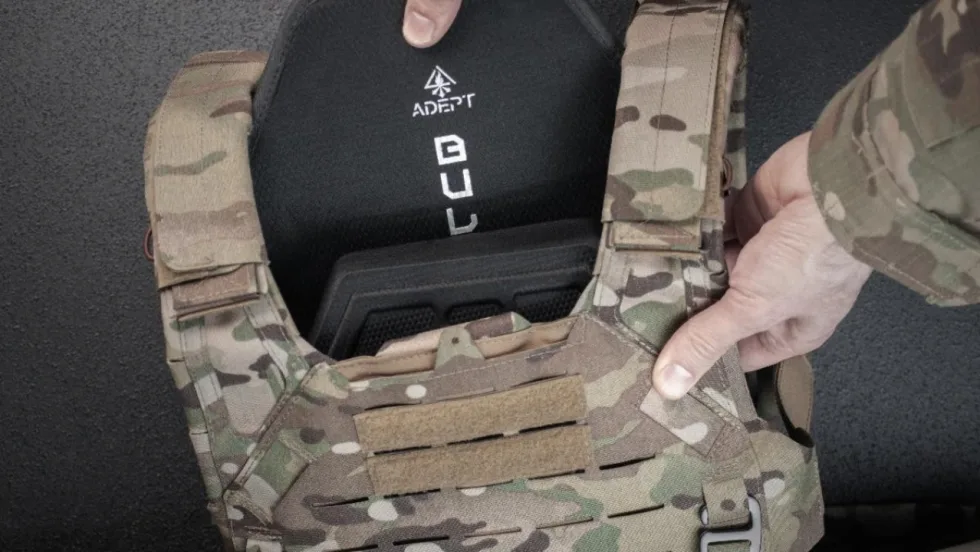
Adept Armor Introduces Two New Rifle Plates
Adept Armor has launched two new Level IV ballistic plates, the Emperor and the Archon Mark 2, which brings Adept Armor’s new Quatroid ceramic to the high-threat, performance-value center of the range at 5.2 pounds.
Read More →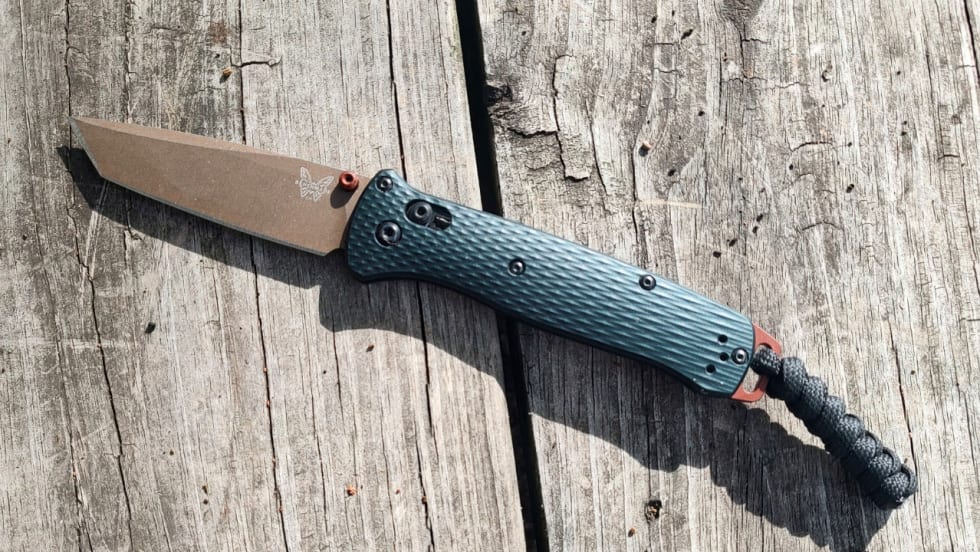
POLICE Product Test: Benchmade Bailout
The Benchmade Bailout is a slim, lightweight carry knife with a deep-ride pocket clip and comes in a variety of blade steels and scales. Here is a detailed review of the Taiga Green Bailout, released earlier this year.
Read More →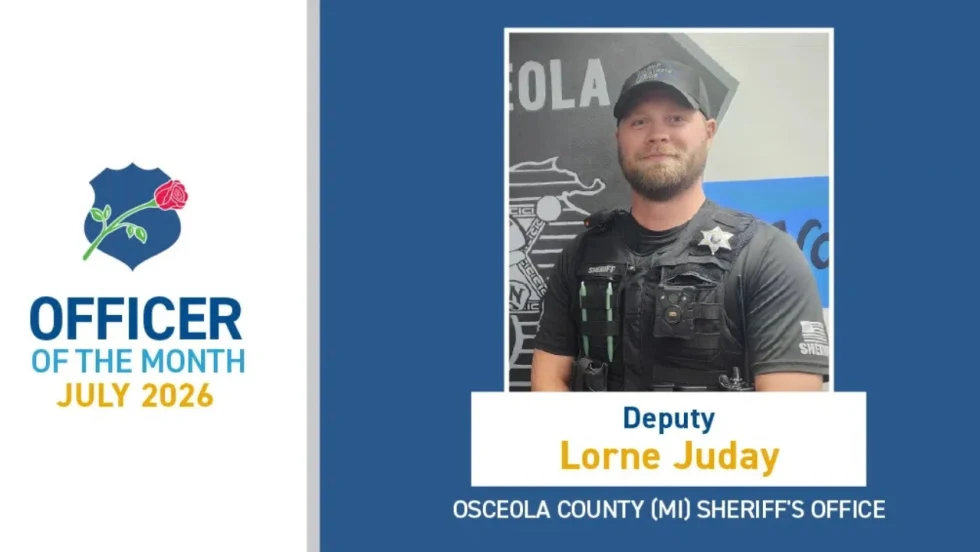
NLEOMF Announces July 2026 Officer of the Month
NLEOMF honored a Michigan deputy sheriff as the July 2026 Officer of the Month for rescuing a trapped driver from a burning vehicle following a Fourth of July crash.
Read More →
Streamlight to Showcase Newest Lighting Products at National Safety Council’s Safety Congress & Expo 2026
Streamlight will showcase its latest lights, including the Portable Scene Light III and the LiteBox 1Million, at the 2026 National Safety Council (NSC) Safety Congress & Expo.
Read More →
The 2027 World Police & Fire Games Set for Perth, Australia
The 2027 World Police & Fire Games (WPFG) will take place in Perth, Western Australia, from Friday, March 12 through Sunday, March 21, 2027.
Read More →
5.11 Partners with National Fallen Firefighters Foundation to Support #ForThe343
5.11 has joined the nationwide movement honoring the 343 New York City Fire Department firefighters lost on Sept. 11, 2001.
Read More →
Team Wendy Announces Title Sponsorship of the Jorge Pastore Foundation
Team Wendy’s 3-year partnership with the Jorge Pastore Foundation expands access to programs that strengthen those who serve.
Read More →
National Law Enforcement Memorial and Museum Hosting 9/11 25th-Year Commemoration Ceremony
The National Law Enforcement Memorial and Museum is hosting a 9/11 25th Year Commemoration Ceremony on Sept. 11 at 4 p.m.
Read More →
National Law Enforcement Officers Memorial Fund Announces June 2026 Officers of the Month
The National Law Enforcement Officers Memorial Fund (NLEOMF) named 15 officers of the Chico Police Department (California) as the Officers of the Month for June 2026 for their roles in responding to an active-shooter incident at a public library.
Read More →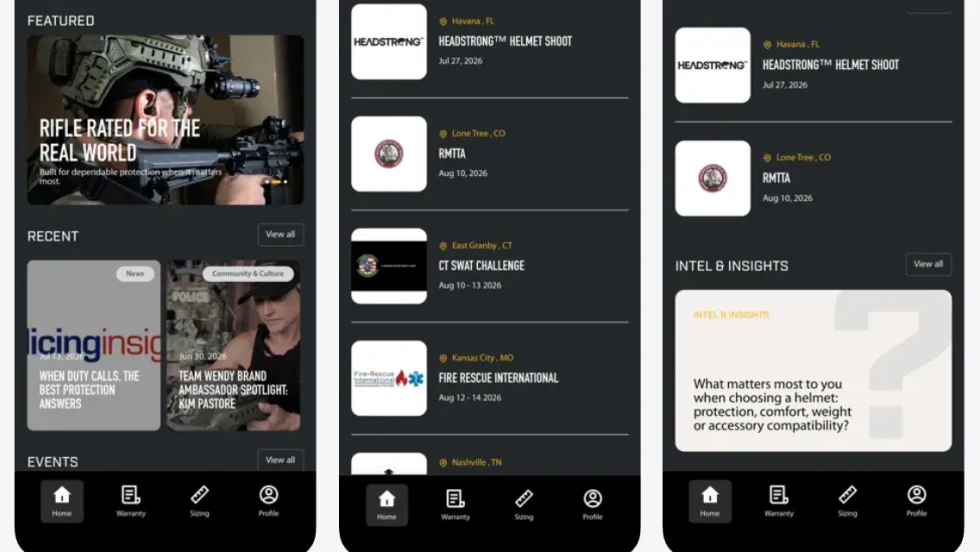
Team Wendy App Creates New Digital Hub for Helmet Owners
The Team Wendy Community App provides one location for warranty registration, size-fit tools, product updates, and community connection. For helmet owners, the new app creates a simpler path to the information and tools that matter most.
Read More →