



Alcoholism: Equal Opportunity Disease
Nearly 100,000 Americans die each year as a result of alcohol abuse. Alcohol is a factor in more than half of the nation's homicides, suicides and traffic accidents

Alcoholism can destroy lives in any profession.
Has a friend ever suggested that you drink too much? Is it difficult to stop drinking after you have had one or two drinks? Do you ever feel bad about how much you drink?
If you answered yes to one or more of these questions, you may have a serious alcohol problem.
Nearly 100,000 Americans die each year as a result of alcohol abuse. Alcohol is a factor in more than half of the nation's homicides, suicides and traffic accidents. It also plays a significant role in many domestic and social problems. The exact cause of alcohol abuse or dependence is not fully understood, but a family history of alcohol addiction places an individual at a higher risk.
What Happens When You Drink
Alcohol is a central nervous system depressant. It acts like a sedative or tranquilizer, slowing down your motor coordination and reaction time, as well as impairing judgment, memory, reasoning and self-control.
The effects of alcohol begin soon after it enters the bloodstream. Within minutes, alcohol enters the brain, numbing nerve cells and slowing their messages to the body. In the heart, cardiac muscles strain to cope with alcohol's depressive action and the pulse quickens.
If drinking continues, alcohol builds in the bloodstream, and the nerve centers in the brain governing speech, vision, balance and judgment go haywire. As even more alcohol is ingested, the drinker may loose consciousness. With extremely high levels of alcohol on the blood, the intoxicated person is in danger of dying from respiratory failure.
Signs of Alcohol Abuse
Early symptoms of abuse include drinking more than planned, frequent attempts to cut down consumption or quit drinking altogether, and continuing to drink alcohol despite the concerns of friends and family members. As the alcohol abuse progresses, the individual develops a tolerance to alcohol, and must consume more to get the desired effect or to get intoxicated.
As the alcohol abuse worsens, the person becomes preoccupied with alcohol and can lose control. Blackouts may occur. These are episodes in which a person completely forgets what has occurred while intoxicated even though he or she was conscious at the time.
Finally, personality changes occur along with withdrawal symptoms, such as headache, anxiety, nausea, vomiting and fatigue. Personality changes include, but are not limited to, increased aggression and deteriorating ability to maintain relationships with friends and family. Heavy drinkers may experience tremor, panic attacks, hallucinations and seizures.
Alcoholics often drink alone and claim they use alcohol to help them deal with stress. They may also engage in risky sexual behavior, drive when they should not and are at a higher risk for dependency on other dugs.
Effects on the Body
Consequences of heavy alcohol use include irritation and inflammation of the stomach, pancreas and liver; bleeding in the stomach and esophagus; permanent nerve and brain damage; impotence; loss of short-term memory; and loss of coordination. Long-term use of alcohol can increase the risk and severity of pneumonia and tuberculosis, and can permanently damage the heart and liver, leading up to death.
Due to its high calorie content, alcohol, ingested in large quantities, makes the body feel full. Alcoholics are very often deficient in important vitamins and minerals.
Treatment
Alcohol abuse and alcohol dependence are serious, progressive medical diseases. However, they are treatable through the many alcohol rehabilitation centers and programs, which offer family counseling. The important part of these programs is to make the drinker take responsibility and help family members offer the right kind of support. Maintaining sobriety is a long-term process and ongoing counseling and treatment with medication can also be helpful if prescribed by a doctor.
Dr. Heiskell, a member of the POLICE Advisory Board, is a reserve police officer with the Palm Springs (Calif.) Police Department and the SWAT Team physician for that agency.
More Patrol
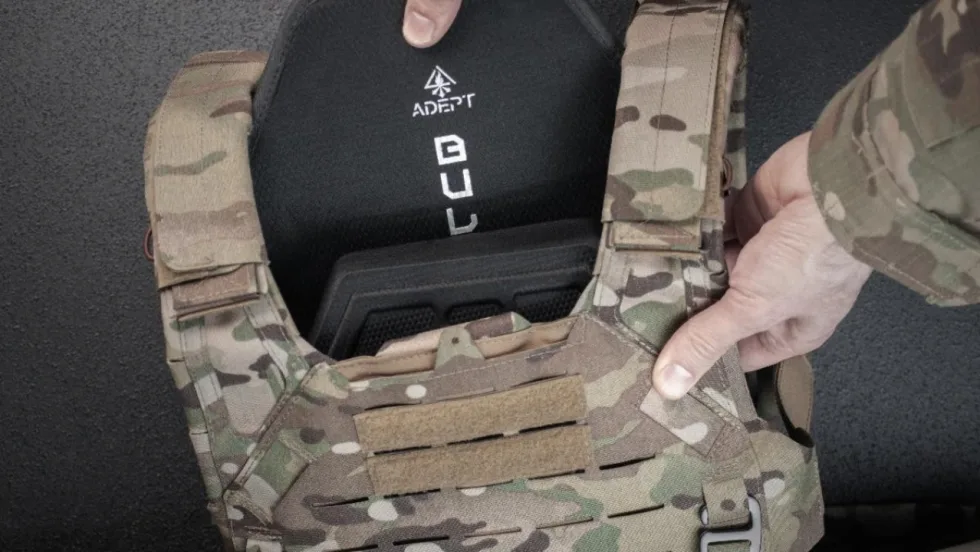
Adept Armor Introduces Two New Rifle Plates
Adept Armor has launched two new Level IV ballistic plates, the Emperor and the Archon Mark 2, which brings Adept Armor’s new Quatroid ceramic to the high-threat, performance-value center of the range at 5.2 pounds.
Read More →
POLICE Product Test: Benchmade Bailout
The Benchmade Bailout is a slim, lightweight carry knife with a deep-ride pocket clip and comes in a variety of blade steels and scales. Here is a detailed review of the Taiga Green Bailout, released earlier this year.
Read More →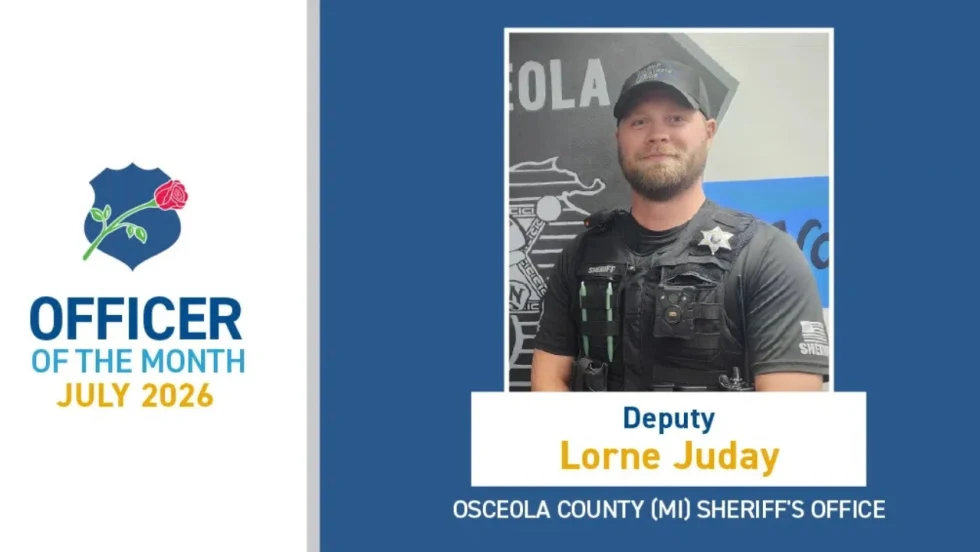
NLEOMF Announces July 2026 Officer of the Month
NLEOMF honored a Michigan deputy sheriff as the July 2026 Officer of the Month for rescuing a trapped driver from a burning vehicle following a Fourth of July crash.
Read More →
Streamlight to Showcase Newest Lighting Products at National Safety Council’s Safety Congress & Expo 2026
Streamlight will showcase its latest lights, including the Portable Scene Light III and the LiteBox 1Million, at the 2026 National Safety Council (NSC) Safety Congress & Expo.
Read More →
The 2027 World Police & Fire Games Set for Perth, Australia
The 2027 World Police & Fire Games (WPFG) will take place in Perth, Western Australia, from Friday, March 12 through Sunday, March 21, 2027.
Read More →
5.11 Partners with National Fallen Firefighters Foundation to Support #ForThe343
5.11 has joined the nationwide movement honoring the 343 New York City Fire Department firefighters lost on Sept. 11, 2001.
Read More →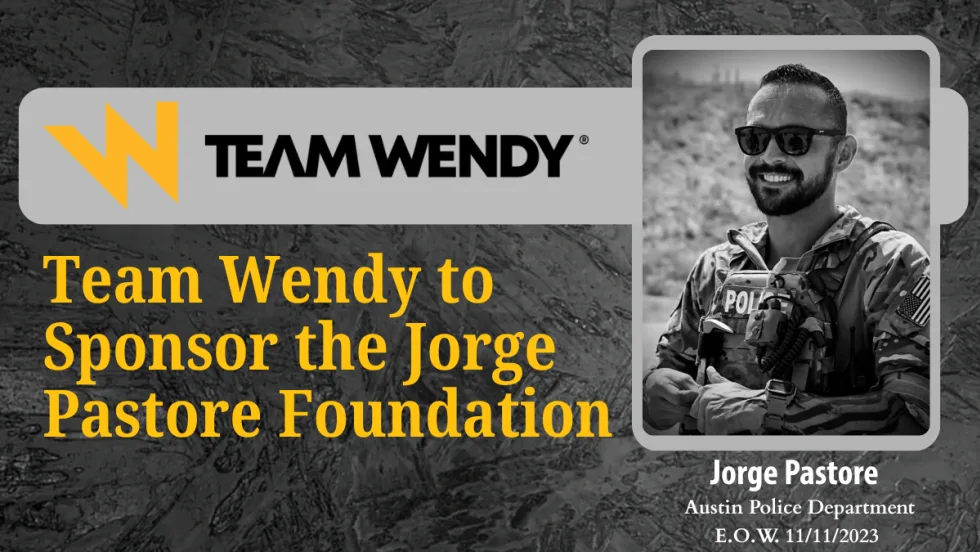
Team Wendy Announces Title Sponsorship of the Jorge Pastore Foundation
Team Wendy’s 3-year partnership with the Jorge Pastore Foundation expands access to programs that strengthen those who serve.
Read More →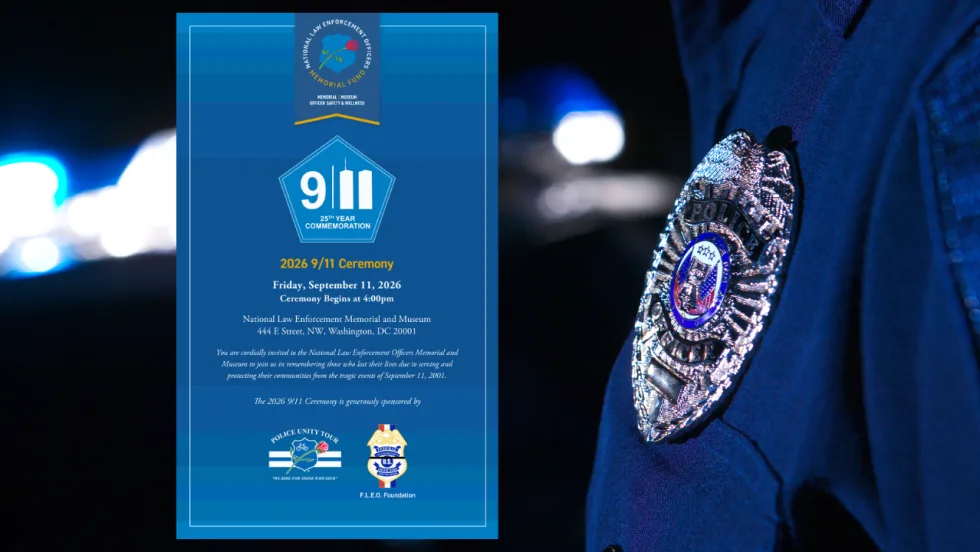
National Law Enforcement Memorial and Museum Hosting 9/11 25th-Year Commemoration Ceremony
The National Law Enforcement Memorial and Museum is hosting a 9/11 25th Year Commemoration Ceremony on Sept. 11 at 4 p.m.
Read More →
National Law Enforcement Officers Memorial Fund Announces June 2026 Officers of the Month
The National Law Enforcement Officers Memorial Fund (NLEOMF) named 15 officers of the Chico Police Department (California) as the Officers of the Month for June 2026 for their roles in responding to an active-shooter incident at a public library.
Read More →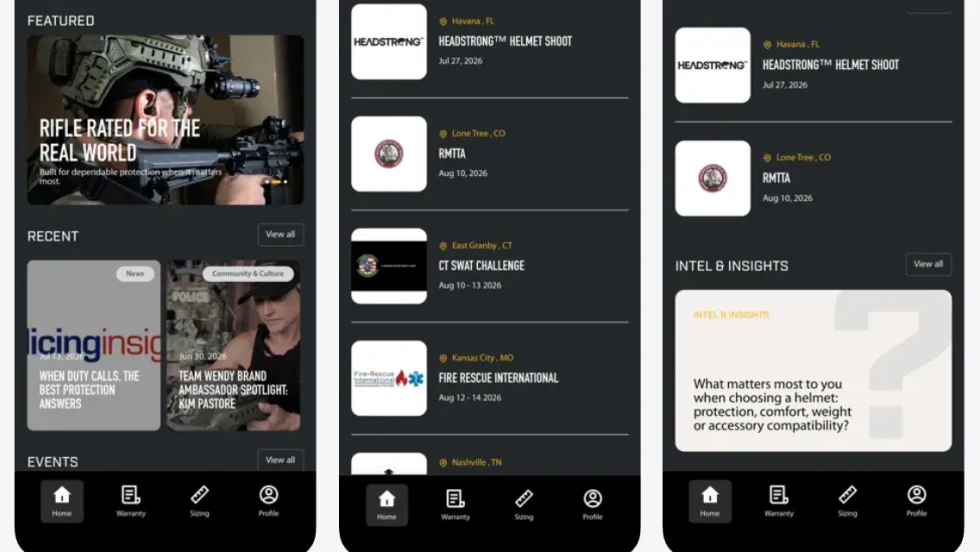
Team Wendy App Creates New Digital Hub for Helmet Owners
The Team Wendy Community App provides one location for warranty registration, size-fit tools, product updates, and community connection. For helmet owners, the new app creates a simpler path to the information and tools that matter most.
Read More →