



Aiding and Abetting a Success Story
My pager went off one afternoon a few months later. It was Andy and he seemed to be upset. He had gone to see a Marine recruiter and was told that because of his past run-ins with the law, he wouldn't even make it past the interview stage.

The first day I started at the Chicago Police Academy, my class was polled as to why we had signed on with the CPD. The instructor was just waiting for the first "I want to help people and make a difference in people's lives" line. It was given by the forth person to be asked, and the speech began. We were told that we were just there to try and keep a lid on things, not to change the world. I felt differently, but said nothing.
About five years later, I was assigned to a case in which the star witness was a small, wispy 15-year-old Hispanic kid named Andy. He had witnessed the gang-related stabbing of his best friend and, undeterred by threats and taunts from the offenders' gang associates, came through for his badly injured buddy. As a result, the three assailants went to prison.
I kept in contact with Andy throughout the next several years. At one point, he adopted the dress and mannerisms of a local gang, but denied being a gang banger. He said he was just trying to fit in. Andy had some run-ins with the police over the next year or two. Mostly he was caught in street sweeps of gang members. I ran interference a few times, but he spent more than one evening in a jail cell after he turned 17.
For reasons he wouldn't discuss, Andy dropped out of high school in the middle of his senior year. He asked me for help and a job reference. On the condition that he work towards a G.ED., I took him to a local McDonald's. The owner/operator and I had previously worked together on a loitering problem. On my word, Andy was given a job.
Andy did well at McDonald's and after getting his G.E.D., was promoted to junior manager. But Andy had always admired the Marine Corps insignia pin that I wear on my uniform shirt flap pocket. When we first met, he had talked about joining up but I figured he'd given up on the idea.
My pager went off one afternoon a few months later. It was Andy and he seemed to be upset. He had gone to see a Marine recruiter and was told that because of his past run-ins with the law, he wouldn't even make it past the interview stage.
The next day, I went to see the recruiter to plead my case for the kid, now 19. The recruiter told me he'd never seen anybody, much less a cop, care so much about an inner city kid.
I soon got a call from the recruiter's commander and made an appointment to see him. I went in uniform and was ushered into an inner office. A square jawed; recruiting poster image major came into the room. He had read the memo faxed to him by the sergeant telling of my wherewithal to get Andy into the Corps.
I told the major of Andy's determination and courage in the stabbing incident and all he had overcome since. I explained that in the inner city, young men sometimes have to "walk the walk and talk the talk" in order to survive and that sometimes the "act" gets them in trouble. I vouched that Andy had what it took for the Corps.
Andy was allowed to take the entrance tests and did well. He passed his physical, his past troubles were waived and off he went to boot camp.
We kept in touch, and one Friday afternoon, three months later, my beeper went off. It was Andy. He told me he had a surprise for me. Later that evening, I was called in to the station to meet a young man, resplendent in a crisp, Marine class A uniform with a P.F.C. chevron on each arm, a rifle expert badge on his chest and his chest puffed out with pride. Andy was not only a Marine; his dril instructors had also awarded him a meritorious promotion. My eyes welled up with tears of joy.
On my drive home that evening, 1 remembered that first day in the police academy. I'd been told I wasn't there to make a difference in people's lives. I would now have to say: I beg to differ.
Officer Christopher Karney works with the Chicago Police Department, 20th District.
More Training
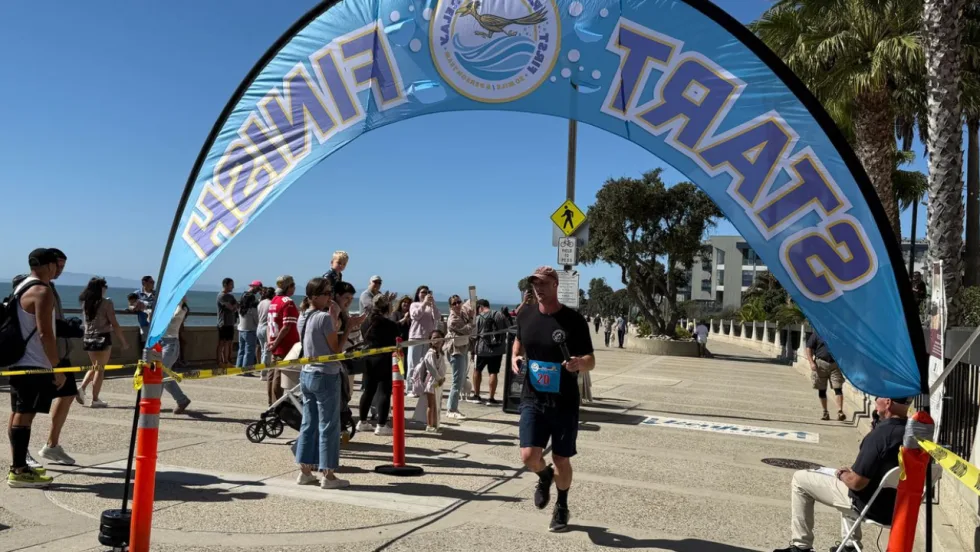
Registration Underway for Sixth Annual First Responders Relay
The California Police Athletic Federation’s annual First Responder Relay will welcome first responder teams from across the globe to compete along Ventura's scenic coastline on Oct. 11. Registration is underway.
Read More →
Vector Solutions Launches Comprehensive Online Dispatch Training Catalog for Emergency Communications Professionals
Vector Solutions’ new catalog of 35 expert-developed online courses can help emergency communication centers strengthen training, meet certification requirements, and simplify continuing education.
Read More →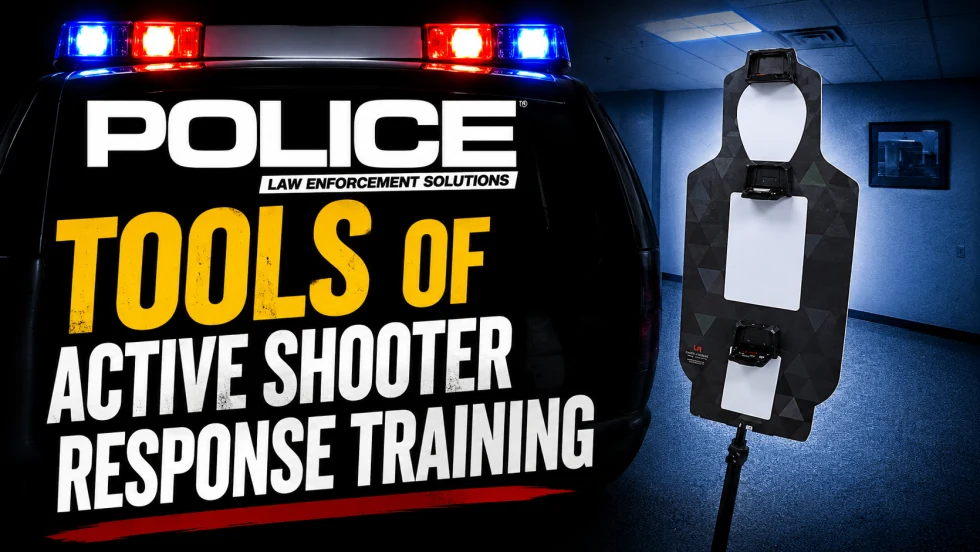
Tools for Active Shooter Response Training
What technologies help prepare officers for active shooter response situations? This behind-the-scenes look at law enforcement training explores shot simulators, smart firearms, laser target systems, and the tools used to build safer, more effective training environments.
Read More →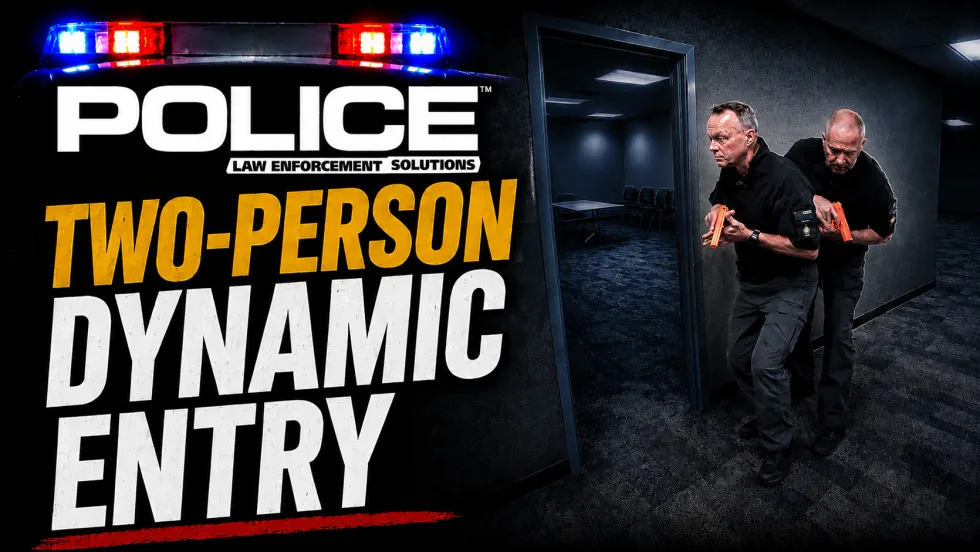
Two-Officer Tactical Doorway Entry Techniques
Entering a room during active-threat situations requires communication, coordination, and disciplined tactical movement. In this video, trainers from the United States Deputy Sheriff’s Association demonstrate critical room entry concepts, including fatal funnel awareness, team coordination, and safe tactical movement.
Read More →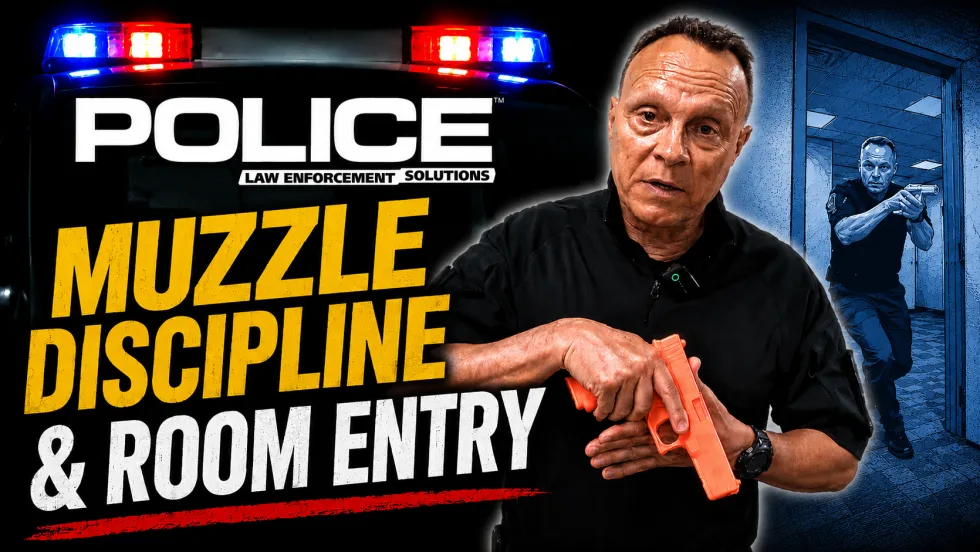
High Compressed Ready Explained | Muzzle Control For Room Entry
In this video, Mike Willis, law enforcement national training and program director for the United States Deputy Sheriffs’ Association, demonstrates the high compressed ready position and discusses muzzle control during room entry.
Read More →
Why Attend the DroneSense Innovation Summit by Versaterm?
Let’s hear from Ryan Bracken, head of product, about why your agency should send someone to the first annual DroneSense Innovation Summit by Versaterm in April.
Read More →
Caswell Live Fire Spins Off from InVeris
Caswell Live Fire has spun off from parent company InVeris, coinciding with the 100th anniversary of Caswell’s founding. Over the past 100 years, Caswell has developed pioneering solutions that support military, law enforcement, and commercial clients worldwide.
Read More →
When Do You Transport a Wounded Officer Instead of Waiting for EMS?
Thumbnail for video series POLICE Topics, Tactics & Tips with a yellow headline that reads When Do You Transport a Wounded Officer Instead of Waiting for EMS?
Read More →
How to Pick Your High-Risk Stop Location for Tactical Advantage
Hear veteran trainer Mike Willis, of the United States Deputy Sheriff’s Association, explain several considerations that can help you wisely pick your best spot to initiate high-risk or felony traffic stops.
Read More →
Coffee Break with Police Experts: Using Your Patrol Vehicle for Cover
In this video, hear from Dustin Mowery, a product specialist at Team Wendy, as he discusses how to best use a patrol vehicle for cover.
Read More →