



A Failure to Act
Sworn federal law enforcement officers were left wondering what their role was in this situation. It was shameful for the White House not to immediately commit its federal law enforcement assets to resolving this conflict.

In response to rancher activists seizing control of the Malheur National Wildlife Refuge in Oregon on Jan. 2, White House spokesman Josh Earnest made the following troubling statement: "This ultimately is a local law enforcement matter."
How should the impacted federal law enforcement officers have interpreted this? And what message did it send to Harney County Sheriff Dave Ward, who inherited this volatile situation? Answer: In substance, we don't have your back and you're on your own.
After their forcible entry and occupation of federal property, the activists destroyed a government fence and admitted to looking through documents housed in the federal building. It has also been alleged that these activist criminals intimidated local federal government employees by following them home, and/or making threatening gestures to them. These are all federal offenses.
By statute and by regulation, the FBI has broad jurisdiction over offenses involving government property. And a number of other agencies possess investigative jurisdiction over crimes involving specific federal properties. For example, the Department of the Interior is authorized to employ sworn and armed officers with full arrest powers in the National Park System. And the General Services Administration, as part of its statutory mandate to administer government properties, is authorized to appoint uniformed guards as "special policemen." These special policemen are empowered "to enforce the laws…to prevent breaches of the peace, to suppress affrays or unlawful assemblies, and to enforce any rules and regulations made and promulgated by the Administrator of General Services."
So it seems pretty clear who was supposed to have law enforcement jurisdiction and responsibility in the Malheur situation. What we don't see in the DOJ manual is the section that reads: Skate responsibility for federal volatile matters by dumping it on local law enforcement.
So sworn federal law enforcement officers from a variety of agencies were left wondering what their role was, and would the White House support them if they were forced to take enforcement action to protect innocent lives. It was shameful for the White House not to immediately commit its federal law enforcement assets to resolving this conflict.
Did this rancher versus federal law enforcement conflict seem like deja vu? It should have. In April 2014, Bureau of Land Management law enforcement officers were forced into an armed confrontation with supporters of rancher Cliven Bundy. Subsequent to the armed stand-off, no arrests were made. Why? Because the White House wouldn't support its BLM officers who had criminals point weapons at them. Now the sons of Bundy have emerged as some of the leaders of this criminal siege.
I'm not suggesting the White House should have sent in the FBI's elite Hostage Rescue Team to end this illegal siege and destruction of federal property. No one in federal law enforcement wanted to see bloodshed. But the White House needs a better game plan when these things happen than naively hoping and praying local law enforcement can resolve them on their own.
Criminals involved in an illegal siege should not be permitted to harass and threaten federal government employees, nor wander in and out of a federal building and leave without repercussions. I understand the value of waiting out those who were occupying the federal building, but anyone who left the federal property should have been taken into custody by federal LEOs. This non-engagement policy, which was clearly established by the White House, strained the resources of local officers and placed federal LEOs at a tactical disadvantage while damaging their morale.
The White House's response to the Malheur incident was confusing from the beginning. But federal law enforcement on the scene was criticized for it when the responsibility was at the top. The Washington Post wrote: "If federal law enforcement authorities had taken their roles as stewards of the rule of law seriously, many of these players would be facing justice in federal courts right now, instead of opportunistically raising hell out in poverty-stricken rural areas."
The brave men and women in federal law enforcement who were on scene during Malheur didn't deserve such criticism. It should have been leveled at the president. The White House's failure to act only served to demoralize federal officers and empower the criminals posing as patriots.
More Patrol
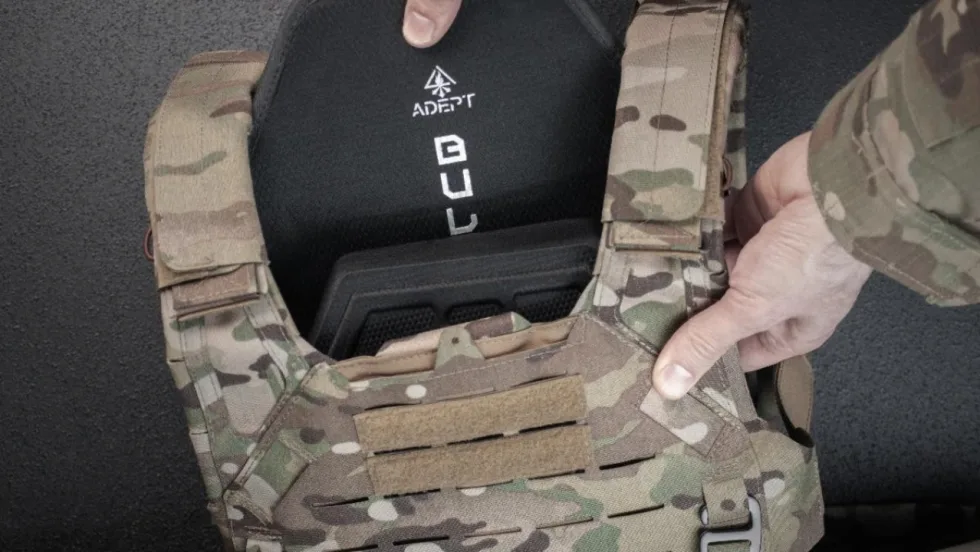
Adept Armor Introduces Two New Rifle Plates
Adept Armor has launched two new Level IV ballistic plates, the Emperor and the Archon Mark 2, which brings Adept Armor’s new Quatroid ceramic to the high-threat, performance-value center of the range at 5.2 pounds.
Read More →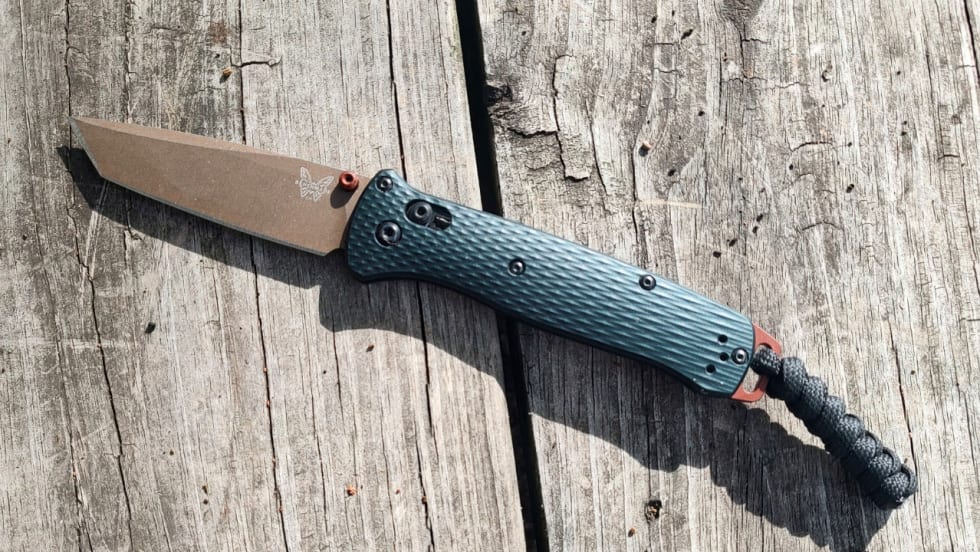
POLICE Product Test: Benchmade Bailout
The Benchmade Bailout is a slim, lightweight carry knife with a deep-ride pocket clip and comes in a variety of blade steels and scales. Here is a detailed review of the Taiga Green Bailout, released earlier this year.
Read More →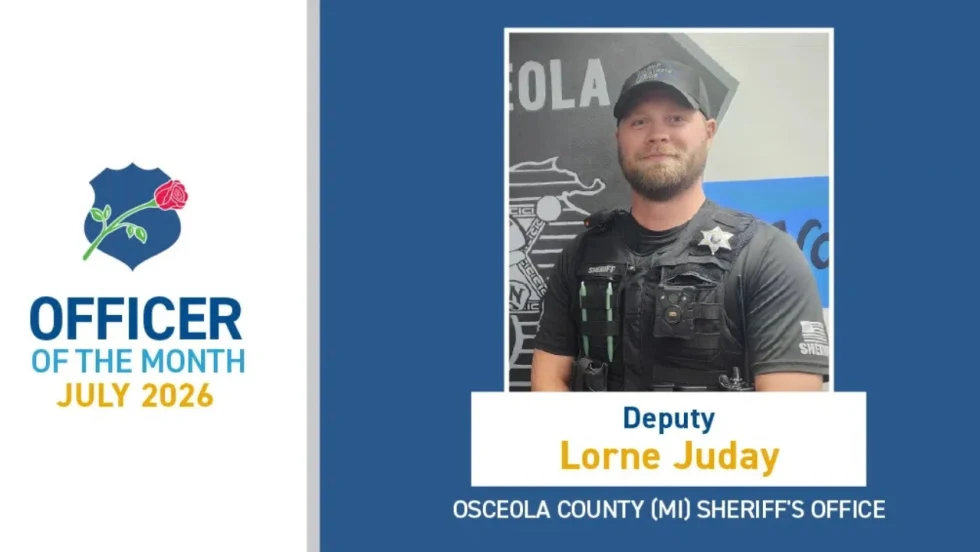
NLEOMF Announces July 2026 Officer of the Month
NLEOMF honored a Michigan deputy sheriff as the July 2026 Officer of the Month for rescuing a trapped driver from a burning vehicle following a Fourth of July crash.
Read More →
Streamlight to Showcase Newest Lighting Products at National Safety Council’s Safety Congress & Expo 2026
Streamlight will showcase its latest lights, including the Portable Scene Light III and the LiteBox 1Million, at the 2026 National Safety Council (NSC) Safety Congress & Expo.
Read More →
The 2027 World Police & Fire Games Set for Perth, Australia
The 2027 World Police & Fire Games (WPFG) will take place in Perth, Western Australia, from Friday, March 12 through Sunday, March 21, 2027.
Read More →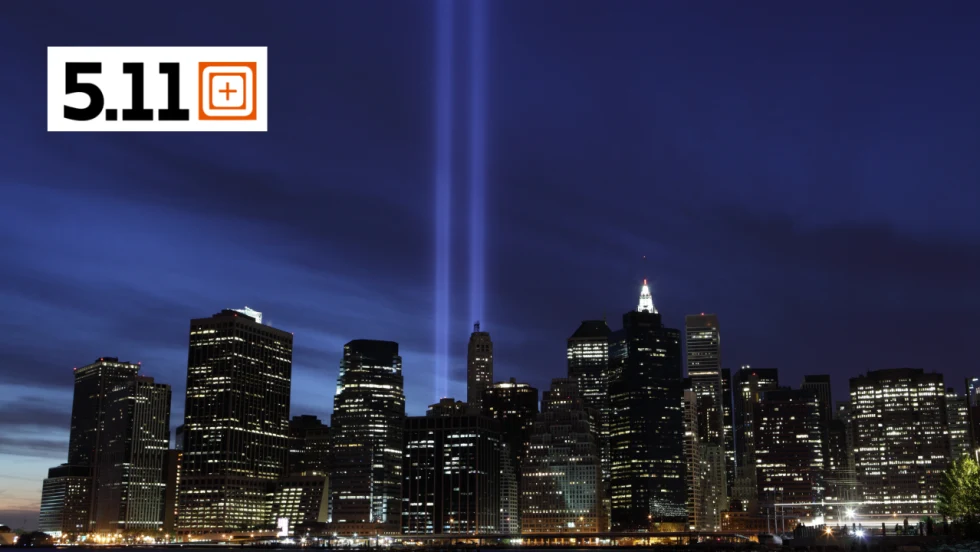
5.11 Partners with National Fallen Firefighters Foundation to Support #ForThe343
5.11 has joined the nationwide movement honoring the 343 New York City Fire Department firefighters lost on Sept. 11, 2001.
Read More →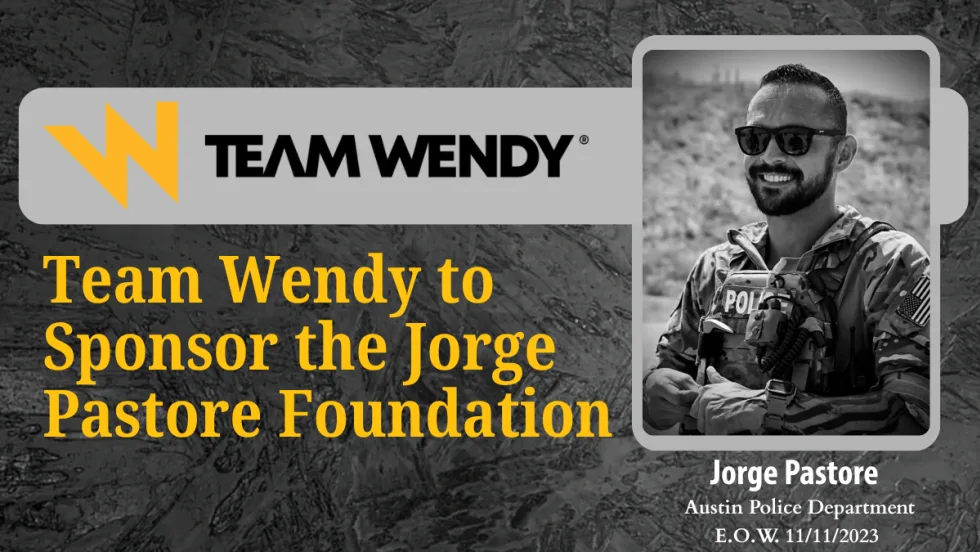
Team Wendy Announces Title Sponsorship of the Jorge Pastore Foundation
Team Wendy’s 3-year partnership with the Jorge Pastore Foundation expands access to programs that strengthen those who serve.
Read More →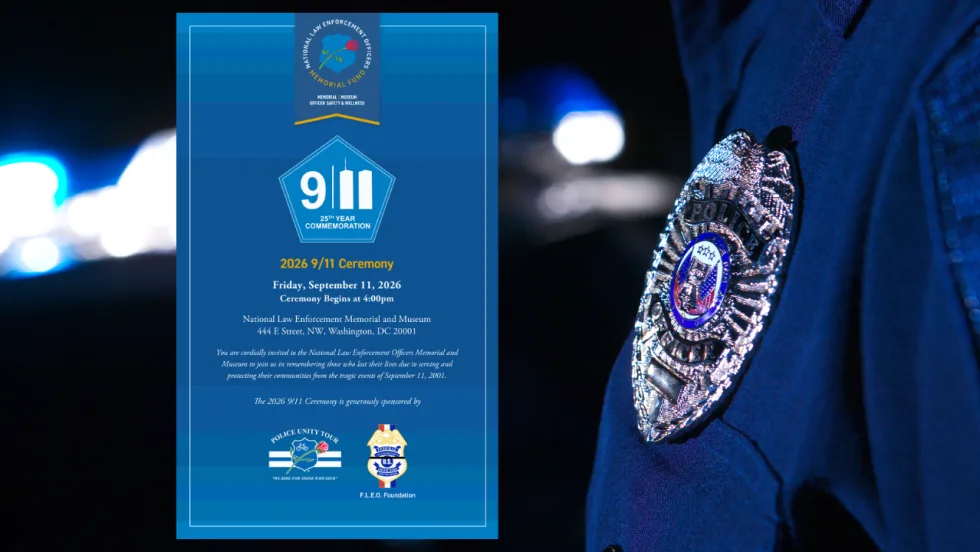
National Law Enforcement Memorial and Museum Hosting 9/11 25th-Year Commemoration Ceremony
The National Law Enforcement Memorial and Museum is hosting a 9/11 25th Year Commemoration Ceremony on Sept. 11 at 4 p.m.
Read More →
National Law Enforcement Officers Memorial Fund Announces June 2026 Officers of the Month
The National Law Enforcement Officers Memorial Fund (NLEOMF) named 15 officers of the Chico Police Department (California) as the Officers of the Month for June 2026 for their roles in responding to an active-shooter incident at a public library.
Read More →
Team Wendy App Creates New Digital Hub for Helmet Owners
The Team Wendy Community App provides one location for warranty registration, size-fit tools, product updates, and community connection. For helmet owners, the new app creates a simpler path to the information and tools that matter most.
Read More →