



4 Pillars of Police Health
Stress is the cop killer you can beat, if you maintain a healthy lifestyle.


Sleep is easily the best method to reduce your stress. Aim to get seven to eight good hours of shuteye each night. (Photo: Getty Images)
For 2016 the term "Cop Killer" evoked images far different from those of serious cardiac events that could end your life quickly. 2016 was a horrible year for violence directed at our law enforcement community, which just makes the stress of doing "The Job" even more mentally, emotionally, and medically difficult.
Yet in all the findings of police deaths related to working as a police officer or deputy, heart attacks claim over 60 times the number of officers dying from a violent incident or attack. According to the British Medical Journal (BMJ) the risk of an officer dying from a sudden heart attack is approximately 69 times higher while that officer is attempting to control a suspect or in a fight with a suspect—even though fights or altercations only comprise about 1% to 2% of an officer's normal work routine.
And according to Professor Stefanos Kales from the Harvard School of Public Health, "We found that stressful and physically demanding law enforcement activities were associated with large increases in the risk of sudden cardiac death, compared with routine/non-emergency policing activities. In 2011-12, the fatality rate among patrol officers in the United States was 15-16 per 100,000 full-time workers, about three to five times the national average for private sector employees."
What to do? Law enforcement officers need to re-configure their hard lifestyles to reduce stress for their long-term health. So how does an officer go about that seemingly daunting task? Officers need to modify their lifestyle stress factors and reduce their risk for developing life-altering diseases. This can be done by incorporating the 4 Pillars of Police Health. Taking these steps doesn't need to be a sudden, dramatic lifestyle change. Instead, you can utilize a slow descent "baby-step methodology," whereby changes in lifestyle can be easily incorporated into everyday living.
Let's first look at the stress response to get a better understanding of how it occurs and causes life-altering disease in an officer.
Stress Response
To understand chronic stress you need to understand how your adrenal glands, cortisol, and the stress response work together so you can get a complete understanding of how the process works and why as an officer you really need to reduce your levels of it. It is possible.
You have two adrenal glands and they are located on top of your kidneys. Their main function is to counter stress by producing a number of key hormones that send chemical messages to your body.
Cortisol is a very important anti-inflammatory hormone produced by the adrenal glands. Its production can be activated by any stress, good or bad. It is commonly referred to as the "stress" hormone. It is an anti-inflammatory hormone and will release glucose from your liver and muscles into your blood stream to provide an instant fuel source for a hyper-critical event. So this effect can be a good thing when things out on the street go bad and gives you that adrenal rush. It goes along with increased blood pressure and pupil dilation, and all of your body's other responses to a "fight-or-flight" event.
Now if this occurs a number of times a shift, for a number of years, along with all the other more minor stressors you have in your life, you now have all the right conditions for stress to turn into a chronic life-altering mode for the officer.
This is where cortisol comes about in a very bad way for you physiologically. Being in a constant state of yellow or orange awareness has an unwanted, long-term downside. The chronic release of cortisol results in a severe fat-storing effect on an officer's body as a way to deal with the excess glucose put into the blood stream. It becomes visceral fat, which equals weight gain. There is more "bad stuff" that can result from elevated stress and cortisol levels as well.
Your cortisol levels also influence and regulate or modulate many of the changes that occur in your body in response to stress, including blood pressure, blood sugar (glucose) levels, immune responses, anti-inflammatory actions, and metabolizing of fat, protein, and carbohydrates. After years in stressful police work, these levels may very well be in an unhealthy range, becoming risk factors for a variety of diseases. Which is why reducing and controlling your stress is highly important to you as a law enforcement officer.
The 4 Pillars of Police Health can give you various easy protocols to keep you healthy so you can look forward to a long and healthy retirement. Let's start with pillar #1, sleep.
Pillar #1 – Sleep
Sleep is easily the best method to reduce your stress. Without a good night's sleep the other three Pillars of Police Health probably won't occur that day or any other day you don't get enough quality sleep. If you can start the next day refreshed, ready to take on the world you'll be more likely to follow the other three stress reducers.
And get this: Many weight management studies have shown you can lose a pound of body weight per month just by getting seven to eight good hours of shuteye each night. So sleep on that.
Pillar #2 – Food
Clean, nutritious food intake can help modulate stress in your life and cut down immensely on chronic bodily inflammation. Make a conscious, disciplined effort to stay away from ALL fast food (yes, including pizza) until your stress levels are down. Any food item that contains sugar (yes, including doughnuts) you should visualize with a skull and crossbones over it. Sugar will jack up your stress level, increase body inflammation, and put weight on you quickly.
And watching your food intake is the most important factor in losing weight, not exercise. According to the Center for Disease Control (CDC), "80% of your ability to reduce excess body fat is directly determined by how you eat, with the other 20% depending on proper exercise, and other healthy lifestyle habits."
Finally, eating a healthy diet will give you the energy to move right into getting exercise.
Pillar #3 – Exercise
Yes, now we come to the hard part of stress management and health: exercise. However, fear not, as you can also use the small-step approach to exercise, which is recommended if you have not been working out for over a year. While exercise will certainly lower your stress levels, starting a high-intensity exercise regimen can also increase stress on your body because it can increase your cortisol level. And when that happens weight loss stops.
You'll want to do both cardio and strength training to give your body an overall workout that enhances both heart and lung power. Strengthening these hyper-critical systems of your body will keep you enjoying life well into your retirement years. And more immediately, cardio and strength exercise should be considered a "must" in police work. Foot chases and picking up prone suspects or victims is an everyday part of the job.
However, let's put exercise into perspective as well. It's not a panacea. If you work out and then go home to a large pepperoni pizza every night, swilled down with a high-sugar soda, you will still gain weight. If you are a pizzaholic, instead make pizza a "reward" meal after a good week of following the 4 Pillars. One of my favorite quotes is, "You can't outrun a bad diet." So true. This comes from Dr. Eric Serrano, the Medical Director for MusclePharm and one of the leading fitness doctors in the United States. You need a balance of a healthy diet and regular exercise to maintain health.
The bottom line on exercise is you need to find the way you WILL exercise (at home, outside, or at a fitness club) and develop the habit to do some each week.
Pillar #4 – Supplements
Supplements can be a huge help in combating stress issues when tied in with the other three pillars of police health. To reduce stress all four pillars must be addressed, as each one relies on the other for support. Just don't rely on taking a handful of supplements and thinking you're good to go; no you're not.
Vitamins and supplements are meant to fill in any nutritional gaps in your diet, not to serve as an easy replacement for healthy eating. But even if you are eating more fruits and vegetables, many commercially available vegetables no longer contain the proper amounts of minerals you need due to depleted soil conditions. This is where supplements can come to the rescue in helping you reach your health goals.
A multi-vitamin is a good place to start. If you know you already have certain health issues there are also specific supplements that may help improve those conditions. For example, taking the B vitamins B6, B12, and B3 along with folic acid can help improve cardiovascular health. If you need more energy, B vitamins—especially B12—could help. A daily dose of Omega 3s, B vitamins, phytosterols, and psyllium fiber can help promote overall health. It's always a good idea to consult with your doctor before you decide which supplements and what dosages are right for you.
Start Taking Baby Steps Now
Without going into details of Stress Management Techniques, there are usually programs within each law enforcement agency to assist officers in handling stress. You should also consider the four pillars listed above as "techniques" to help you lower day-to-day stress. If followed consistently your stress levels and health will both improve greatly.
There are very few jobs in the United States that cause more intense stress and long-term chronic stress than law enforcement work—it's well documented. Police officers live an average of 14 fewer years than the average U.S. citizen, and of those 50% will die from heart disease (or cardiovascular problems) within five years of retirement. Stress is our killer within.
The physiological changes from stress that bring about disease to an officer are many and can include weight gain, high blood pressure, cardiovascular disease, and chronic inflammation.
All of the above health issues are usually inter-related. For example, chronic inflammation can lead to many diseases including cancer, diabetes, stroke, heart attacks, and later in life Alzheimer's disease and dementia. Chronic stress is a major factor in all of these diseases as well.
Yes, the very real cop killer called stress can be defeated but it will take time, and some discipline utilizing the implementation of small "baby-step" improvements to your law enforcement lifestyle. These steps are certainly not hard to do and you can start today. So let's start.
Richard "The Police Fitness Coach" Kieffer-Adrian retired as a detective from the Columbus (OH) Division of Police after 26 years in numerous assignments. He has over 20 years of police fitness training experience and has had a lifelong interest in martial arts, health, and fitness issues. His most recent book is Police Fitness & Wellness.
More Patrol

Team Wendy Introduces the EXFIL Endurance Ballistic Helmet, Engineered to Reduce the Burden of Extended Wear
Team Wendy has launched its EXFIL Endurance, a new lightweight ballistic helmet engineered to deliver protection, comfort, and fit during demanding, extended operations.
Read More →
The First Responders Children’s Foundation National First Responders Day Roll Call of Heroes Ceremony Returns to Times Square, NYC
First Responders Children’s Foundation (FRCF), in collaboration with T-Mobile, will host the Roll Call of Heroes ceremony in Times Square to commemorate National First Responders Day on Wednesday, Oct. 28. During the event, FRCF will present 18 Hero Awards.
Read More →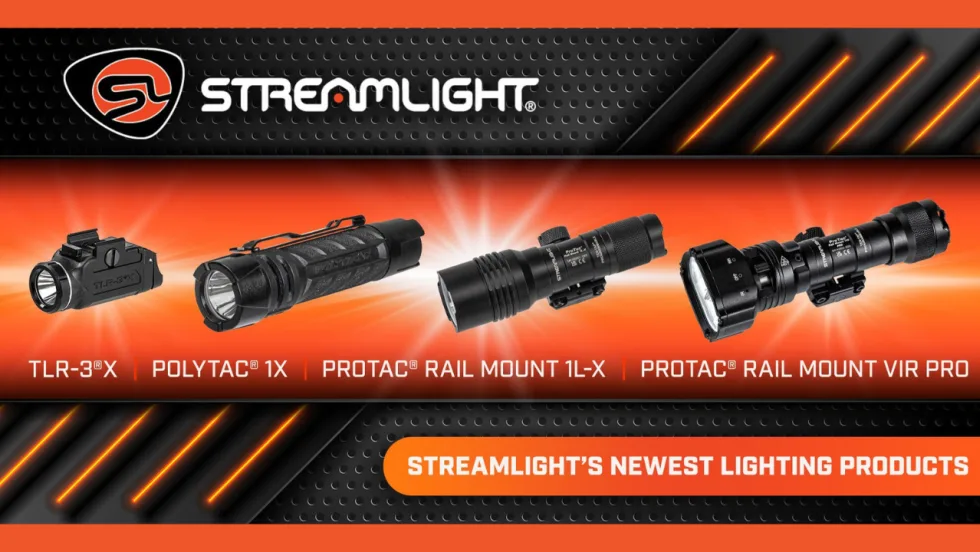
Streamlight to Showcase Newest Lighting Products for Law Enforcement Professionals at IACP 2026
Streamlight will showcase its newest lights for law enforcement at the International Association of Chiefs of Police Annual Conference & Expo. Featured lights will include the TLR-3 X, the PolyTac 1X, and more.
Read More →
Streamlight Portable Scene Light III Wins 2026 OH&S New Product of the Year Award
Streamlight’s Portable Scene Light III has won the 2026 Occupational Health & Safety (OH&S) New Product of the Year Award in the Lighting category.
Read More →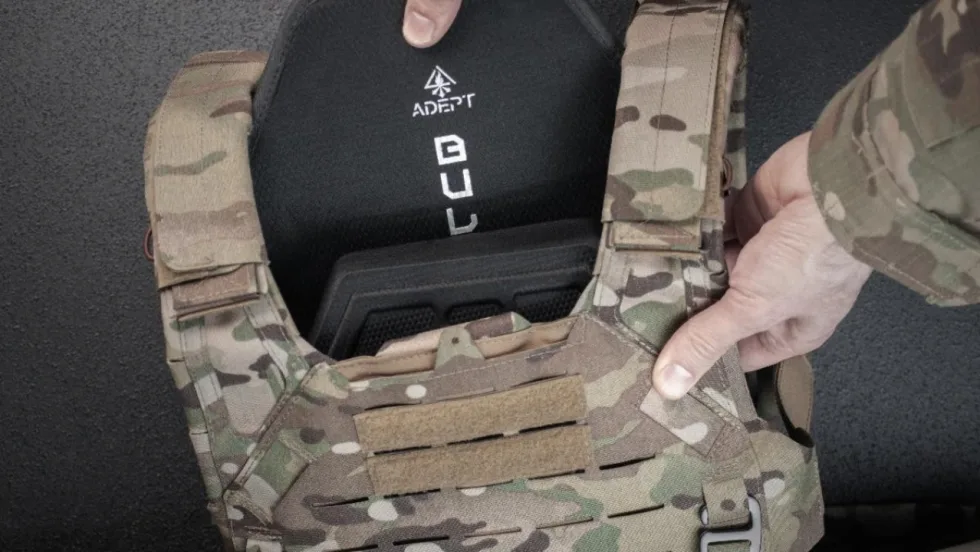
Adept Armor Introduces Two New Rifle Plates
Adept Armor has launched two new Level IV ballistic plates, the Emperor and the Archon Mark 2, which brings Adept Armor’s new Quatroid ceramic to the high-threat, performance-value center of the range at 5.2 pounds.
Read More →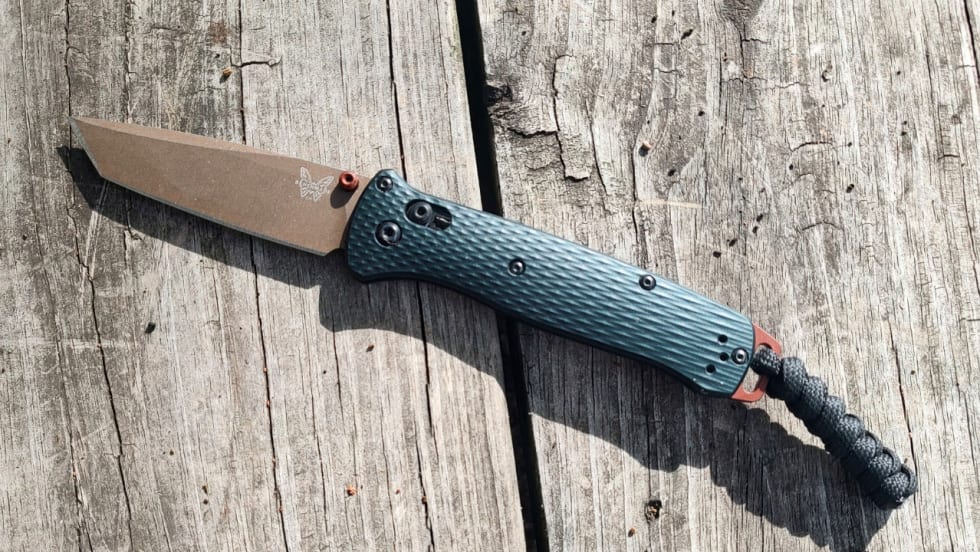
POLICE Product Test: Benchmade Bailout
The Benchmade Bailout is a slim, lightweight carry knife with a deep-ride pocket clip and comes in a variety of blade steels and scales. Here is a detailed review of the Taiga Green Bailout, released earlier this year.
Read More →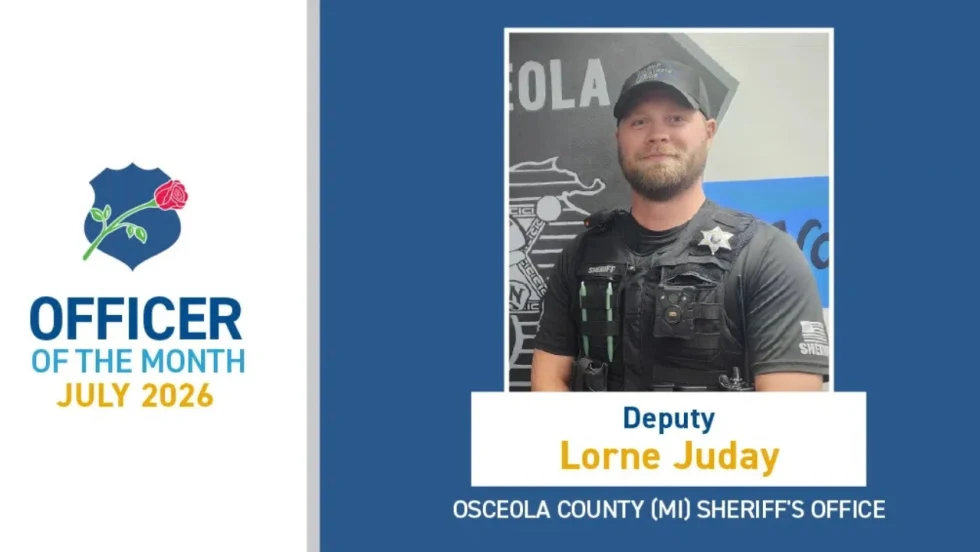
NLEOMF Announces July 2026 Officer of the Month
NLEOMF honored a Michigan deputy sheriff as the July 2026 Officer of the Month for rescuing a trapped driver from a burning vehicle following a Fourth of July crash.
Read More →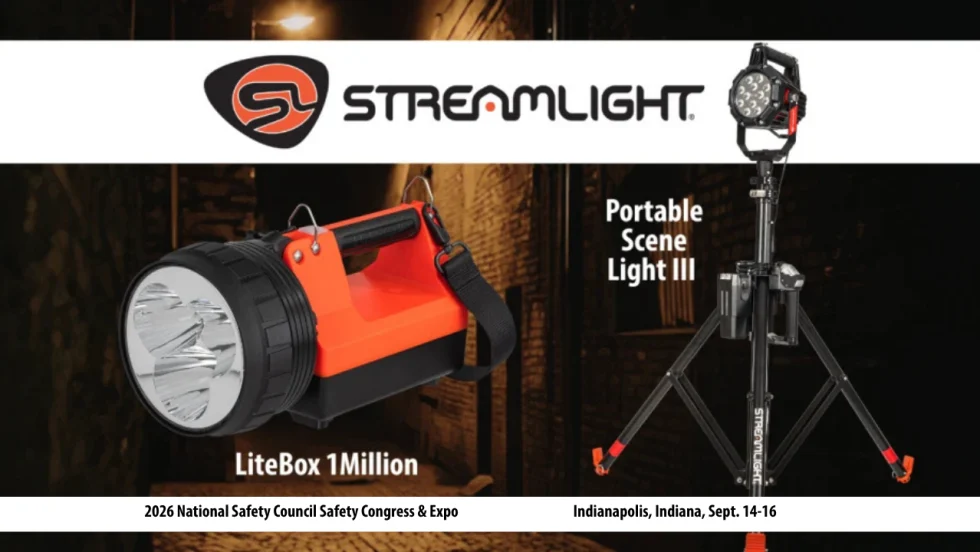
Streamlight to Showcase Newest Lighting Products at National Safety Council’s Safety Congress & Expo 2026
Streamlight will showcase its latest lights, including the Portable Scene Light III and the LiteBox 1Million, at the 2026 National Safety Council (NSC) Safety Congress & Expo.
Read More →
The 2027 World Police & Fire Games Set for Perth, Australia
The 2027 World Police & Fire Games (WPFG) will take place in Perth, Western Australia, from Friday, March 12 through Sunday, March 21, 2027.
Read More →
5.11 Partners with National Fallen Firefighters Foundation to Support #ForThe343
5.11 has joined the nationwide movement honoring the 343 New York City Fire Department firefighters lost on Sept. 11, 2001.
Read More →