



Mo. Concealed Weapons Bill Approved by House
Despite a statewide vote rejecting it, the House overwhelmingly approved legislation that allows Missouri sheriffs to issue permits for concealed weapons.

Despite a statewide vote rejecting it, the House overwhelmingly approved legislation that allows Missouri sheriffs to issue permits for concealed weapons.
The 99-50 vote followed a debate that focused more on the conduct of the 1999 referendum on concealed weapons than on the issue itself. With only weeks left in the session, the bill goes to the Senate, where it faces stronger opposition.
This week, a Senate committee stripped concealed weapons provisions out of related legislation.
Gov. Bob Holden has said he would veto a concealed weapons bill if it reached his desk.
Some members who voted for the concealed weapons bill represent areas where voters defeated the issue three years ago. The lawmakers defended their "yes" votes by saying either that the mood of the voters had changed or that the bill before them was different.
Rep. Richard Byrd, R-Kirkwood, said that while his area had opposed concealed weapons, the bill the House considered required more training for permit holders, more restrictions on where the guns could be carried, and better background checks.
Rep. Wayne Crump, D-Potosi and a supporter of the 1999 proposal, said the ballot language explaining it had been rewritten by courts in such a way as to discourage support at the polls. He said a cost estimate drafted by Auditor Claire McCaskill exaggerated the legislation's price tag.
The National Rifle Association spent nearly $4 million in the unsuccessful attempt to pass the referendum. The NRA outspent opponents by more than 4-to-1. Missouri voters rejected concealed weapons 52 percent to 48 percent.
This year's measure will not be placed on the ballot.
Rep. Kathlyn Fares, R-Webster Groves, represents an area that voted against the referendum. She said the voters were neither led nor misled.
"This is a public health issue," Fares said. "People knew what they were voting on. We do know how to read. We did it because that was our feeling."
Rep. Barbara Fraser, D-University City, said the House bill had problems because it permitted people to carry a gun in church and allowed those who had been convicted of domestic violence to qualify for a permit.
Under the bill, applicants would have to pass a sheriff's background check and complete a firearms safety course. A sheriff could deny a permit to someone who has been found guilty of a crime that is punishable by a prison sentence of more than a year. People found to be mentally incompetent at the time of application or for five years before applying are also disqualified.
Controllers of public buildings and owners of private facilities may prohibit people from carrying concealed weapons in the structures. These include courthouses, government meeting rooms, airports, bars, schools, hospitals, stadiums, and amusement parks. However, licensed public officials may bring them into these buildings.
Concealed weapons proponents have said the strong House showing should help the bill in the Senate. Recently, when the Senate Judiciary Committee considered a House-passed bill allowing concealed weapons in cars, the Second Amendment Coalition's Greg Jeffery recommended the committee change the bill to become "full-fledged" conceal and carry. Jeffery said 33 other states had such a law and there was proof that it was not a problem.
Stacey Newman of the Million Mom March said concealed weapons would increase children's access to firearms and result in more deaths and injuries from gun accidents.
Before the Senate committee approved the bill, it eliminated all concealed weapons provisions. The bill now relates only to federal firearms violations.
The bills are HB 1729 and HB 1344.
More Weapons
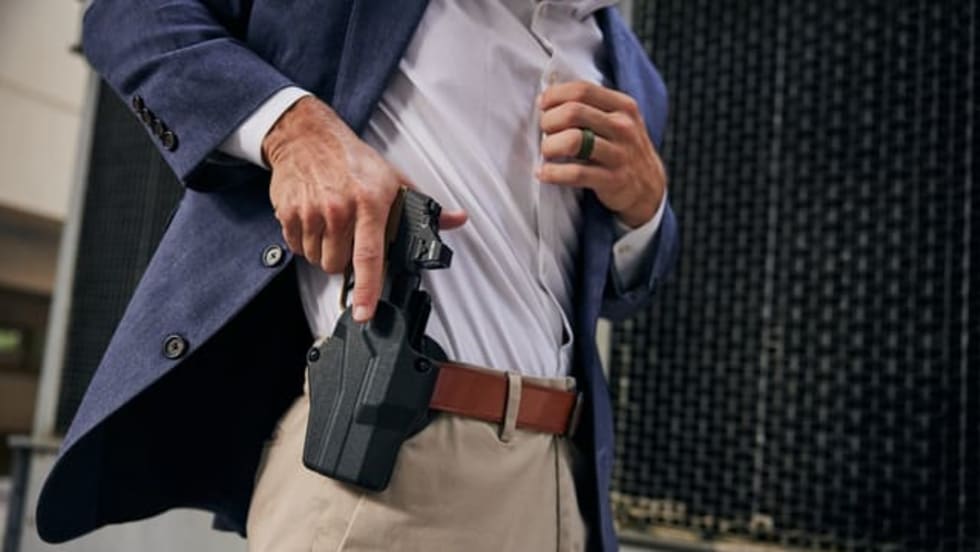
Safariland Solis Rethinks Concealable Duty
What if Level I retention didn’t require a full duty rig? Safariland’s Solis delivers trusted ALS security in a streamlined OWB platform built for administrative and plainclothes professionals who need protection without the bulk.
Read More →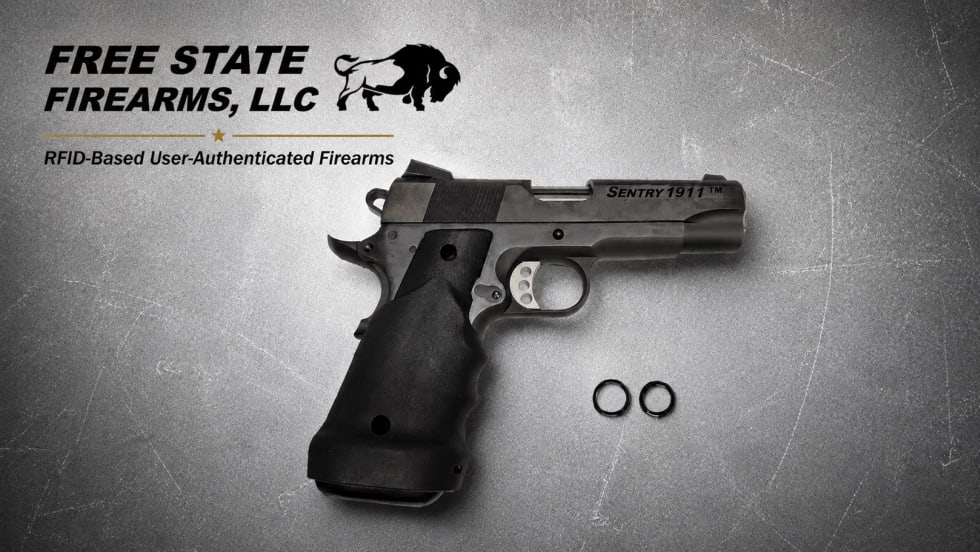
Texas Sheriff’s Office Deploys RFID-Based User-Authenticated Firearm for Prisoner Transport Operations
A sheriff’s office in Texas is now using RFID-based user-authenticated firearms, from Free State Firearms, for prisoner transfer and transport operations.
Read More →
Beretta Introduces the 80X Cheetah Tactical Bronze
Beretta has launched the 80X Cheetah Tactical Bronze, which features a fiber-optic front sight, a serrated rear sight, and a Picatinny rail for accessory mounting, and ships with three 15-round extended magazines.
Read More →

Wrap Raises $5 Million to Restart Domestic Manufacturing & Advance R&D
With new funding, Wrap Technologies will restart domestic manufacturing, advance validated R&D programs into commercialization, and responsibly accelerate early growth initiatives aligned with rising demand for non-lethal response capabilities.
Read More →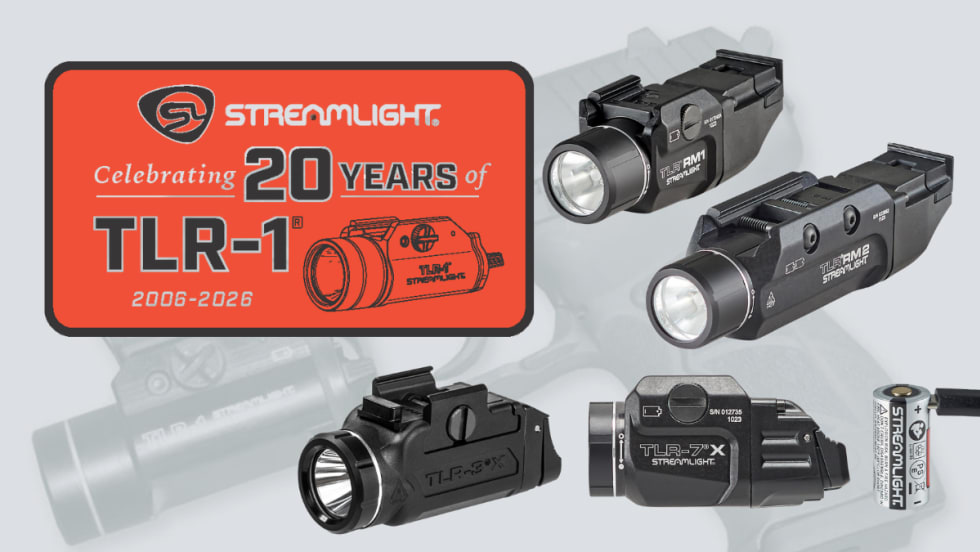
Streamlight Celebrates the 20-Year Anniversary of the TLR Series
This year, Streamlight marks two decades of weapon-mounted lighting innovation with the 20th anniversary of the TLR-1.
Read More →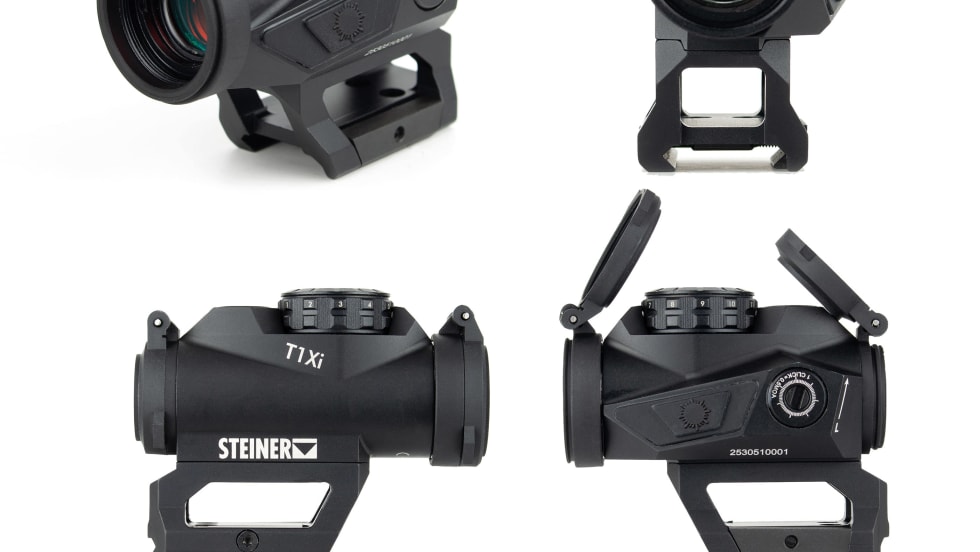
Steiner’s T1Xi Selected as Top Performer in Texas DPS Optic Evaluation
Steiner Optics’ T1Xi was selected as the top-performing red dot in the recent Texas Department of Public Safety optic evaluation.
Read More →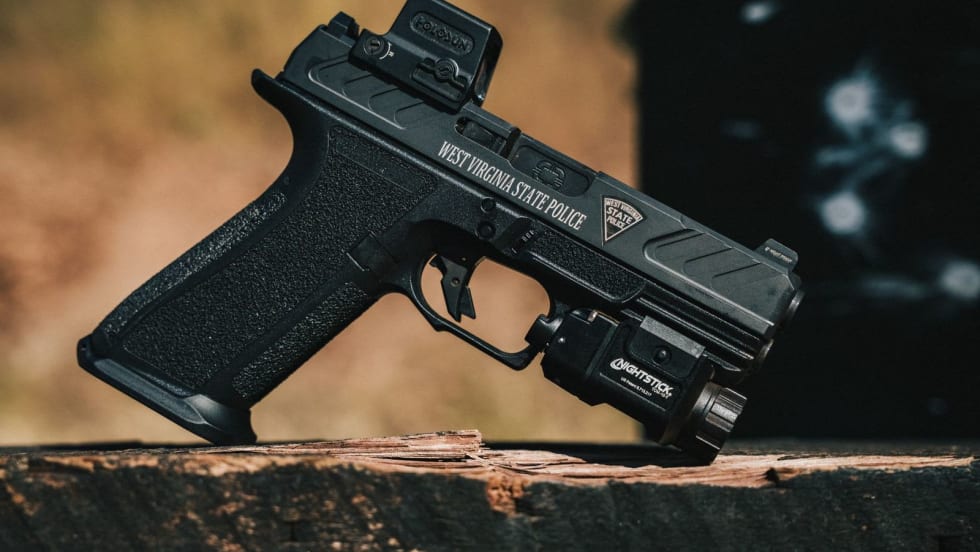
Shadow Systems Selected as Exclusive Pistol Provider for West Virginia State Police
Shadow Systems will provide 700 XR920 crossover pistols for West Virginia State Police troopers and 80 CR920X high-capacity subcompact pistols for the Bureau of Criminal Investigation.
Read More →
Aimpoint Celebrates 50 Years of Innovation and Excellence in Sighting Technology
Aimpoint is marking its 50th anniversary in 2025, celebrating five decades of red dot innovation trusted by military, law enforcement, and tactical professionals worldwide.
Read More →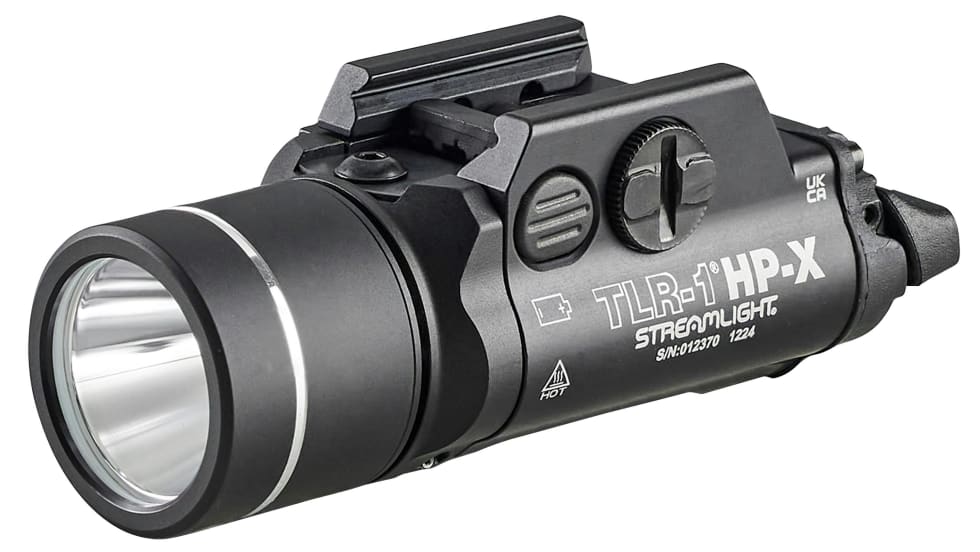
Streamlight Introduces Long-Range Handgun Light
“Our newest weapon light provides an industry-leading level of candela for handguns, giving users enhanced visibility under low light conditions, such as when searching a dark alley,” said Streamlight President Michael F. Dineen.
Read More →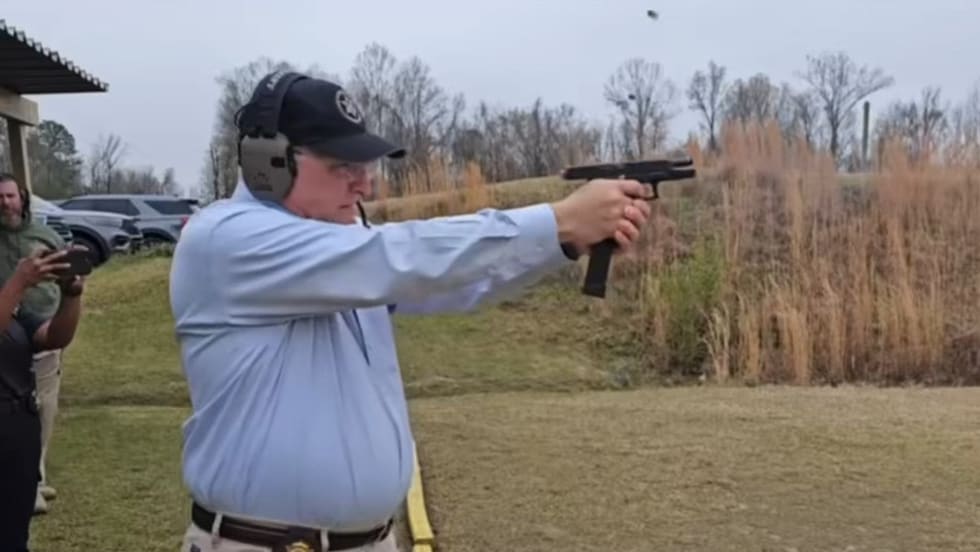
Georgia Sheriff Warns Criminals They Face Felony Charges for Having Glock Switches
This device by itself, regardless if it is installed on a slide or not, is classified by the ATF to be a machine gun, which is illegal to possess,” the Bibb County Sheriff’s Office said.
Read More →