



2011 Michigan Vehicle Tests: Motorcycles
Kawasaki's Concours 14P ABS motorcycle turned heads when it was relaunched in May (Kawasaki initially introduced it in 2009), and may have generated the most off-line conversations at this year's Michigan State Police vehicle testing.

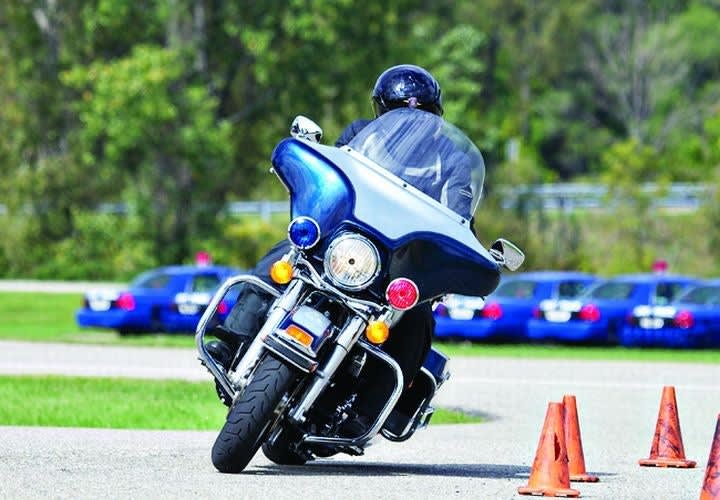
Harley-Davidson's Electra Glide was one of four police motorcycles tested by the Michigan State Police. Photo courtesy of MSP.
Kawasaki's Concours 14P ABS motorcycle turned heads when it was relaunched in May (Kawasaki initially introduced it in 2009), and may have generated the most off-line conversations at this year's Michigan State Police vehicle testing.
Kawasaki converted its civilian Concours 14, adding a tighter turning radius, extra storage, and other police-specific features for motor officers and won the MSP event's Triple Crown of top speed, acceleration, and braking.
Powered by a four-stroke DOHC multi-valve engine that generates 150 horsepower and 100 foot-pounds of torque at 6200 RPM, the Concours 14P can fly.
The driving unit, which has been testing motorcycles since 2007, also tested BMW's R1200 RTP, Harley-Davidson's Road King, and H-D's Electra Glide. Honda's ST1300 isn't tested because a test vehicle isn't provided to the unit.
The Concours 14P recorded the highest speed of the four bikes tested, reaching 131 mph on the 4.8-mile speedway. BMW's bike reached a top speed of 127 mph. H-D's Road King and Electra Glide topped out at 108 mph and 106 mph respectively.
Kawasaki's bike also reached 0-60 mph fastest, hitting the mark at 4.5 seconds. The increment was good enough to nudge BMW's R1200, which reached the mark in 4.7 seconds. The Road King and Electra Glide recorded times of 5.76 and 5.97 seconds.
Because motorcycles are intrinsically more challenging for riders and require specialized skills, acceleration from a dead stop to catch speeders can at times present more perils to the motor officer, according to Sgt. John Steele of the Los Angeles County Sheriff's Department's motorcycle training detail.
"We're looking for a motorcycle to get up to that [0-60 mph] time frame and do it safely," Steele says. "You have to look at the big picture."
Kawasaki's police bike also reached a dead stop from 60 mph quickest of the motorcycles, needing 141 feet to stop. BMW's bike, which also arrives with ABS, was close behind, needing 142.9 feet. Harley's Road King needed 148.1 feet, while the Electra Glide needed 150.5 feet.
In addition, the bikes were tested at the state police headquarters on a one-mile road course, laid out with nine different curves or turns to enhance performance riding. Evaluators consider a bike's weight, speed, and "lean angle" as it runs through the turns. The course includes turns in four categories: constant radius, increasing radius, decreasing radius, and "S" or switchback turns. Turn 7 is a wide sweeping curve known as "the sweeper."
Motor officer training is "one of the toughest schools you can send an officer to," says David "Doc" Halliday, former commander of the MSP's Precision Driving Unit. "It's physically demanding. It's mentally challenging."
The Vehicles Tested
This year's tests were held Sept. 18-20 and included motorcycles submitted by Kawasaki, Harley-Davidson, and BMW.
BMW R1200 RTP
Harley-Davidson Electra Glide
Harley-Davidson Road King
Kawasaki Concours 14P ABS
Related:
VIDEO: Michigan Vehicle Tests: 2011 Kawasaki Concours 14P
Kawasaki Edges BMW at Michigan State Police Motorcycle Test
More Vehicle Ops
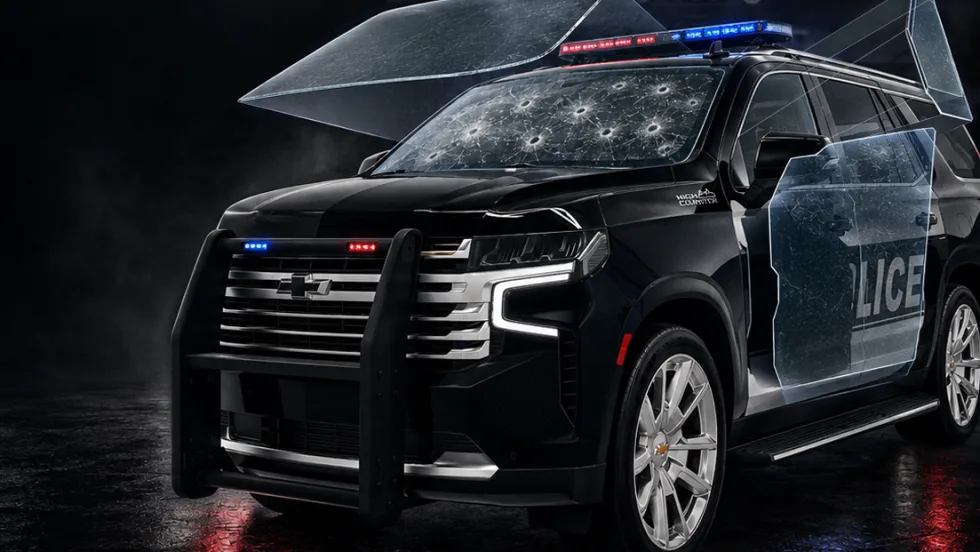
It’s an Ambush: How Ballistic Glass Redefines Patrol Vehicle Safety
Dana Safety Supply is setting a new standard for officer safety with windshields capable of withstanding multiple rounds and saving lives — and one Texas deputy is living proof.
Read More →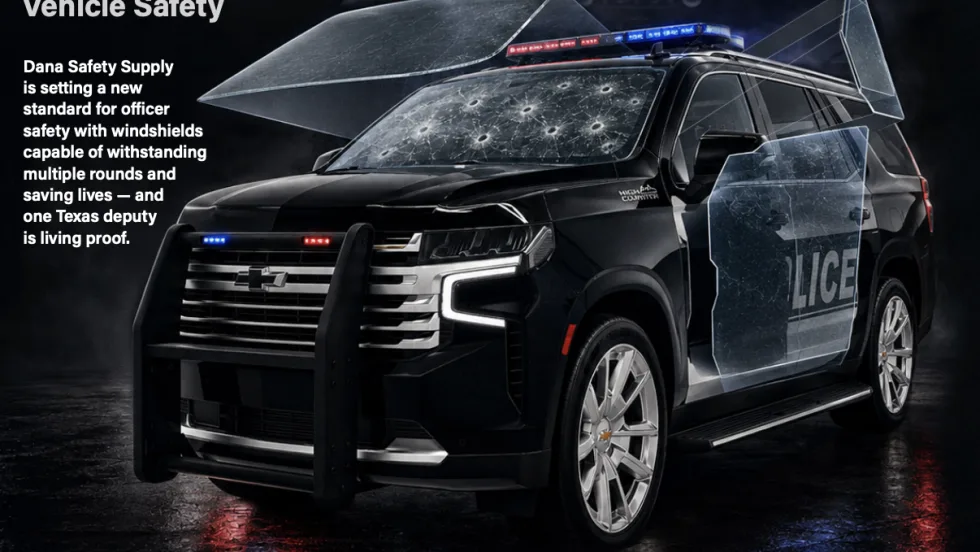
Dana Safety Supply’s BallisTech Vehicle Armoring Solutions
Dana Safety Supply is setting a new standard for officer safety with windshields capable of withstanding multiple rounds and saving lives.
Read More →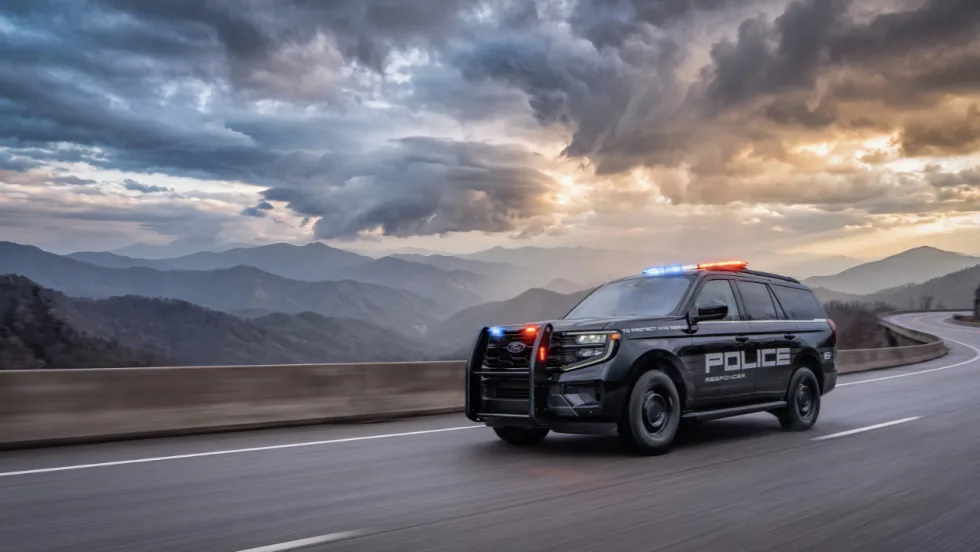
Ford Showcases 2028 Ford Expedition Police Responder
Ford showcased its 2028 Ford Expedition Police Responder, a full-size, pursuit-rated utility vehicle, at Police Fleet Expo this week. It comes standard with 4x4 and a 3.5-liter EcoBoost V6 producing 400 horsepower and 480 lb.-ft. of torque.
Read More →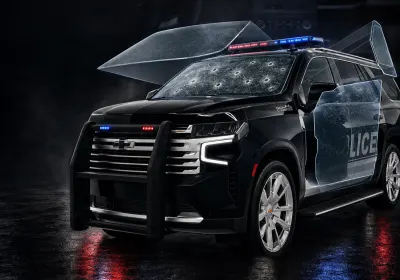
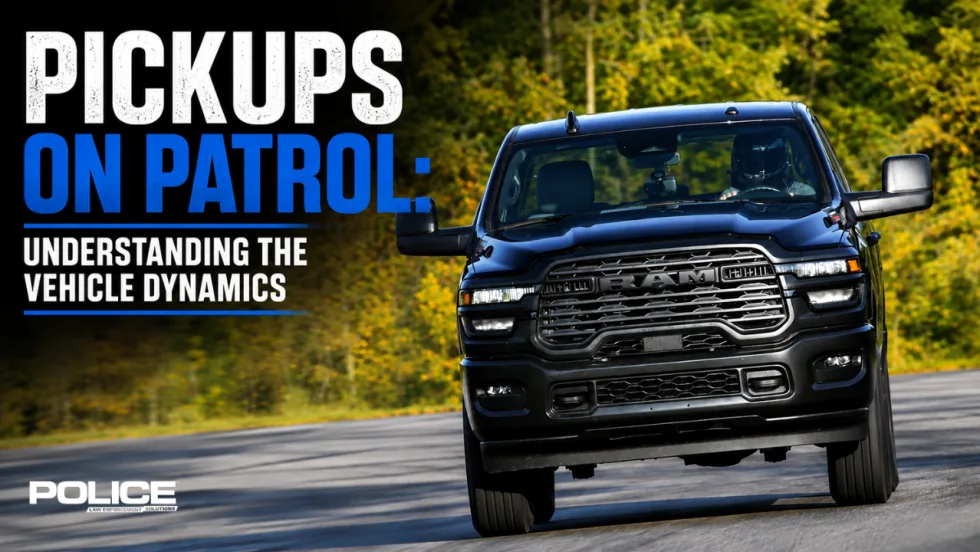
Pickups on Patrol: Understanding the Vehicle Dynamics
Pickup trucks are not new to patrol duties, but with the debut of the 2027 Ram 2500 Emergency Response Vehicle, they are getting larger and heavier. POLICE reached out to the Michigan State Police Precision Driving Unit to learn more about pickup truck handling, vehicle dynamics, and what officers need to know.
Read More →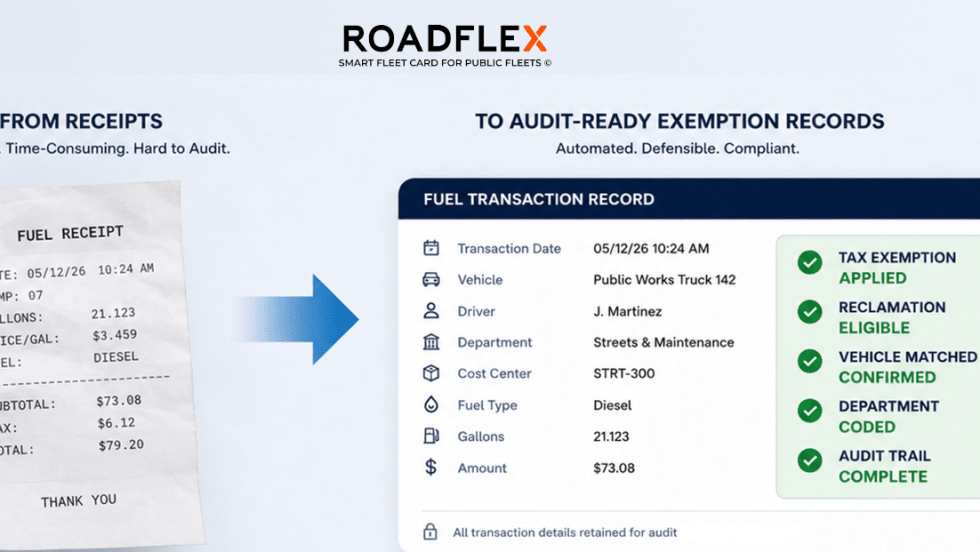
RoadFlex Brings Fuel Tax Compliance & Audit-Ready Reporting to Government Fleets
RoadFlex now offers its capabilities to help public-sector fleets streamline fuel tax exemptions, reclamation, reconciliation, and audit-ready reporting.
Read More →
Rynse Awarded Cooperative Purchasing Contract, Expanding Nationwide Fleet Wash Access for Law Enforcement
Rynse has secured a 2026-2027 NCSA contract, giving law enforcement agencies nationwide fast-track access to its fleet wash network and management platform, which streamlines procurement, reduces administrative burdens, and helps fleets stay road-ready with greater oversight.
Read More →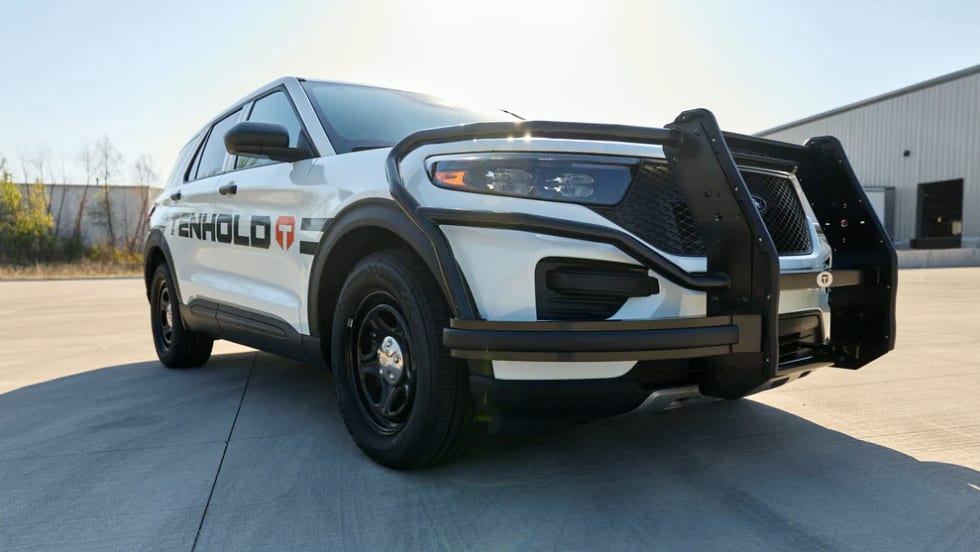
Tenhold Introduces Suppressor Gun Rack System
Tenhold, formerly Jotto Desk, provides next-generation vehicle systems for law enforcement and public safety and recently debuted its Suppressor Lock Head for its Weapon Mounting system.
Read More →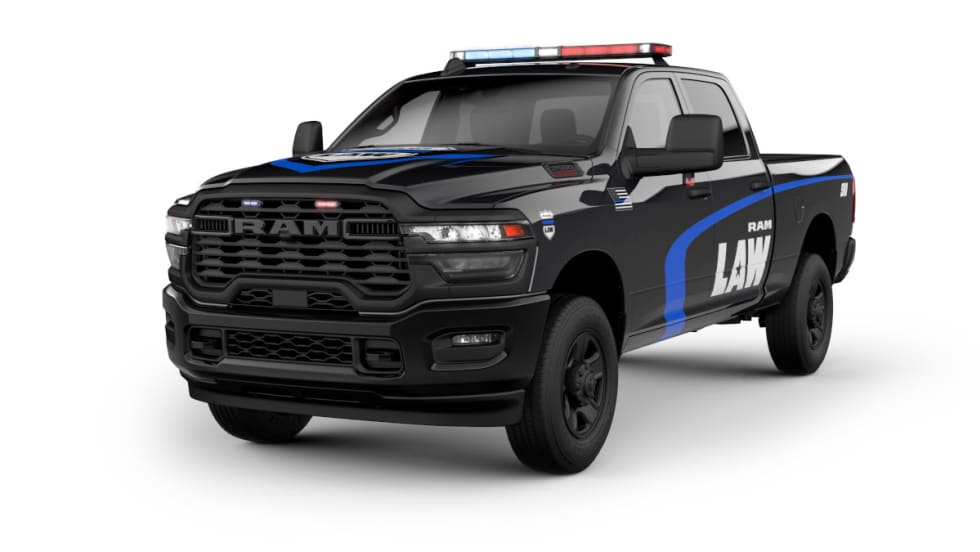
Ram Debuts Pursuit-Capable 2500 Emergency Response Vehicle
The 2027 Ram 2500 Emergency Response Vehicle is the first and only ¾-ton truck to complete the Michigan State Police vehicle trials, and Ram said it delivered outstanding performance in testing scenarios designed to replicate extreme real-world duty.
Read More →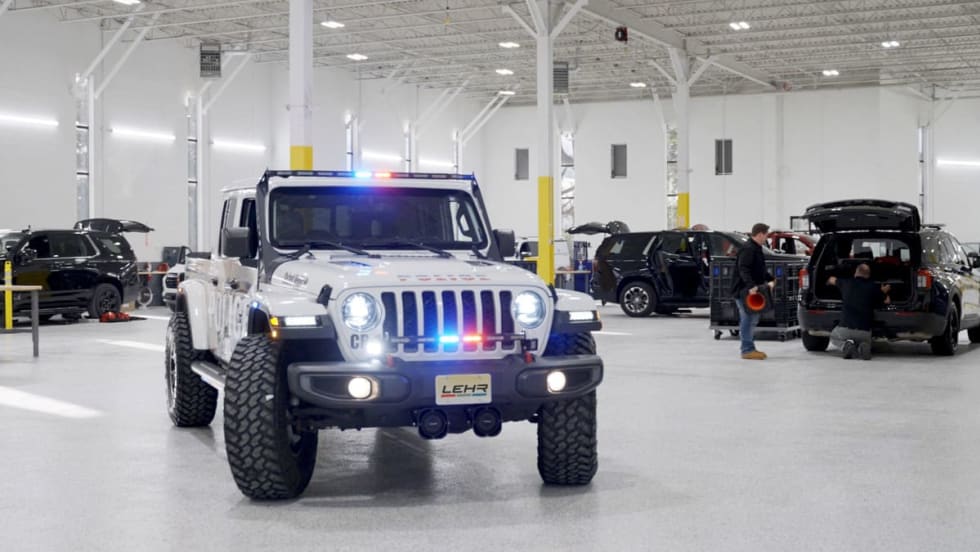
Emergency Vehicle Upfitter LEHR Opens New Facility in New Jersey
LEHR’s new centralized upfitting facility in New Jersey consolidates operations to deliver faster turnaround times and enhanced fleet capacity for law enforcement agencies across the Northeast.
Read More →
North Carolina Sheriff’s Office Improves Fueling Reliability & Operational Control
The Madison County Sheriff’s Office overcame fuel management and accounting challenges by turning to RoadFlex to improve fueling reliability, visibility, and administrative control.
Read More →