
Police Magazine

 MENU
 SEARCHMENUSEARCH
Loading data...

Hundreds of law enforcement professionals have been left homeless and impoverished by Hurricane Katrina. You can help.
Read More →
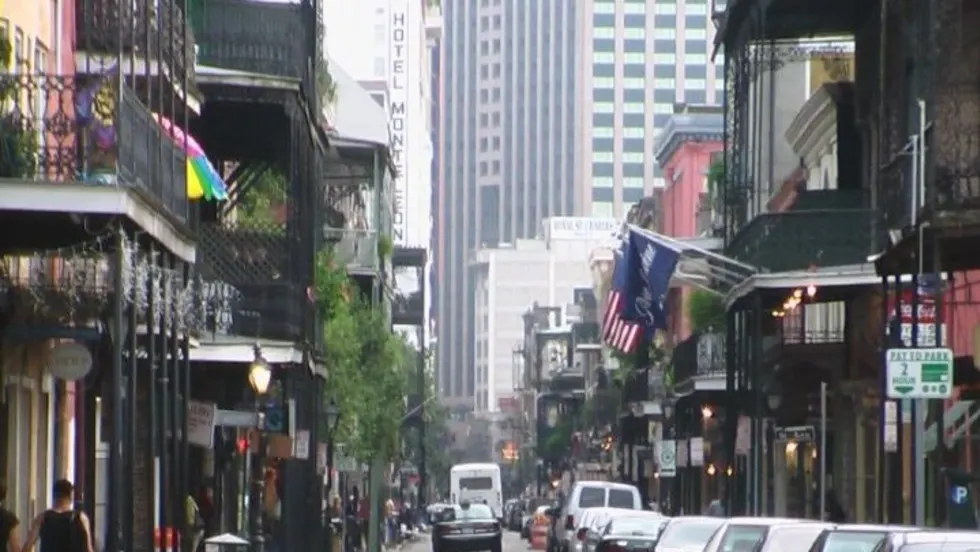


Most of us—Thank God—will never experience anything as emotionally, physically, and spiritually shattering as Hurricane Katrina. Short of an atomic bomb detonation or a biological attack, Katrina is as bad as it gets.
Read More →If you live in one of the cities that accepted Katrina refugees, you know what followed. While most Katrina survivors were appreciative of their host communities and generally law abiding, the criminal element, mostly gangs, soon returned to their thug lifestyles.
Read More →About 24 hours before Hurricane Katrina struck the Gulf Coast Capt. John Bryson of the New Orleans Police Department was in a McDonald’s in the city’s Ninth Ward buying a cup of coffee. Next to him in line was a woman and her four children; the youngest was a one-year-old baby.
Read More →As witnessed after Hurricane Katrina devastated the Louisiana and Gulf Coast region, law enforcement officers affected by a disaster are both victims and first responders, not one or the other.
Read More →A former police sergeant admitted on Friday that he helped cover up the fatal police shootings of two people in the chaotic days following Hurricane Katrina, ending a criminal case that roiled the New Orleans Police Department after the 2005 storm.
Read More →The indictment charges four officers in connection with the shootings, and charges those four officers and two supervisors with helping to obstruct justice during the subsequent investigations. The four officers charged with killing civilians could face life in prison or the death penalty.
Read More →“When the roof started to come apart and the building trembled, we all got scared. We’re grown men but you do have fear in you, no matter what job you’re in, and we felt it,” Chief Scooter Resweber said.
Read More →Eventually, the officers met at the flooded 7th District station, where they handed their weapons to members of the NOPD academy. They headed into the ruined station to tell their versions of what happened before giving formal statements to investigators.
Read More →“After every major storm of the past, I guess going back to Hurricane Andrew, we have made it a point sometime in the six to eight months after the storm to pay a visit to the impacted area, talk to law enforcement, talk to the emergency management directors, and get their honest lessons learned,” says Col. Neil Baxley.
Read More →