Build a resilient fleet with this disaster-readiness guide for fleet managers. Learn how to plan, adapt, and lead through any emergency confidently.
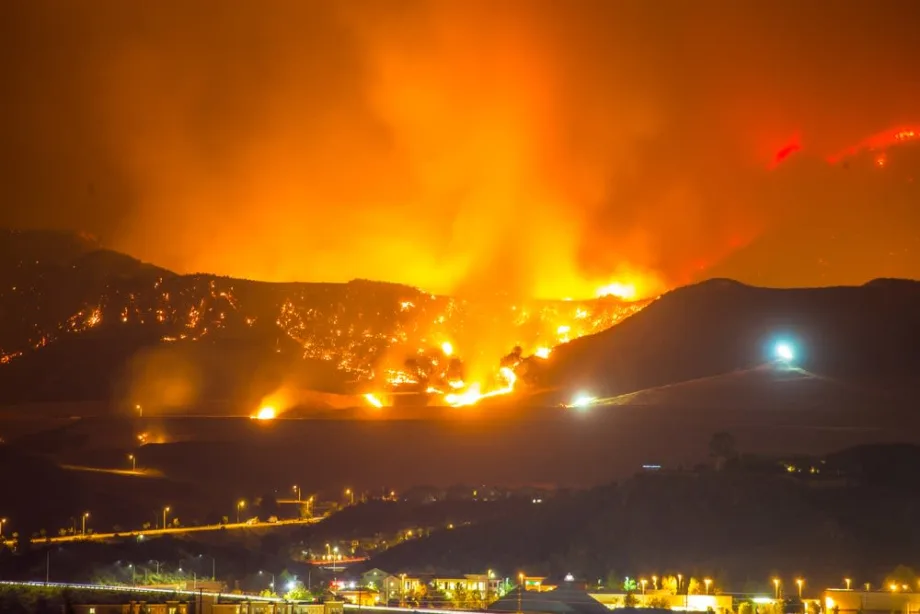
When a disaster strikes, fleet operations don’t get a day off. Whether it’s a hurricane bearing down on your city, wildfire cutting off supply routes, or a cyberattack locking down your systems, one thing is certain: your fleet must keep moving. The role of fleet managers is more than just maintenance and logistics; it is mission-critical.
“In a crisis, you don’t rise to the occasion — you fall to the level of your preparation. That’s why fleets need more than a plan — they need a mindset,” said Josh Turley, CEO of RTA: The Fleet Success Company, modifying a quote from Chris Voss.
Disaster preparedness is no longer a luxury or an afterthought; it’s a core responsibility of every fleet department. Yet too many fleets operate without a robust, tested plan in place. That’s not just risky; it’s dangerous.
Let’s unpack how to build a fleet disaster plan that prepares you for the worst and positions your team as the go-to problem-solvers when your organization needs them most.
The Realities of Disaster in Fleet Operations
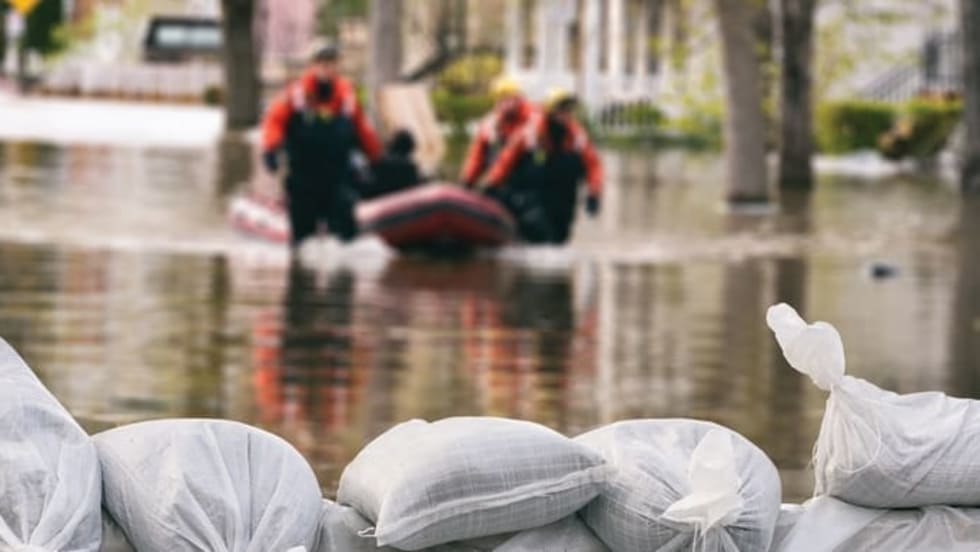
If you’ve never experienced a natural disaster while managing a fleet, consider yourself lucky, but don’t get comfortable. Fleet managers in regions like Florida or California know this all too well. Hurricanes, earthquakes, ice storms, and pandemics each bring their own brand of disruption, but they share one thing in common: they don’t announce themselves with much warning.
For example, some fleets have evolved their disaster planning in Florida after being hit by multiple hurricanes in recent years. From those events, one thing became clear: waiting for disaster to show up at your door is no way to lead a fleet. You’ve got to prepare like your community depends on it, because it does.
The more self-sustaining an organization can be during a crisis, the more resilient it becomes.
3 Core Pillars of Fleet Disaster Planning
Building a disaster-ready fleet starts with these three essential strategies every fleet manager should have in their back pocket.
1. Learn From the Past, Then Build Better. Disaster planning begins with reflection. What went wrong last time? What worked? Who stepped up, and what fell through the cracks?
One fleet manager shared how, after facing several major storms, they experienced situations where they could not obtain fuel deliveries, so they devised a plan to obtain and distribute their own fuel during emergencies. They also invested in backup generators and developed internal protocols to stay operational even when power, internet, and phone systems were down. These aren’t just logistical upgrades; they’re lifesavers.
Ask yourself:
- Have we documented past disaster responses?
- Do we conduct after-action reviews post-incident?
- Are we using lessons learned to update our current plan?
- Do we have contracts in place that prioritize our needs during disasters? This isn’t just about looking back. It’s about building forward.
2. Prepare for the Worst, Plan for the Realistic. There’s a psychological approach called episodic future thinking. It’s about mentally simulating extreme events so you’re not paralyzed when they actually happen. This concept is gold for fleet managers.
Here’s how to use it:
- Imagine your office is underwater. What would you do?
- Your vendor network is offline for 72 hours. How do you fuel and repair vehicles?
- Your tech goes down. Do you have paper backups or offline fleet maintenance management software to rely on?
Walk your team through worst-case scenarios. Practice response drills: Involve your IT team, drivers, admin staff, and even HR. Disasters don’t happen in silos, and neither should your response.
3. Flexibility Is the New Preparedness. A disaster doesn’t follow your SOPs, so your team can’t either.
Your people need to be agile. Cross-train your staff. Ensure multiple employees can fill in key roles if someone is unreachable. The more skill redundancy you build, the more resilient your fleet becomes.
Communication protocols are also critical. Establish clear command structures. Who communicates with city officials? Who updates the internal team? Who is responsible for updating your fleet management software with real-time data? Don’t forget to use your telematics data as well.
Be ready to move fast, adapt quickly, and communicate clearly, both internally and externally.
Recovery Mode: What Happens After the Storm Passes
Once the immediate threat is over, the real work begins. Recovery is often more chaotic than the disaster itself, especially if you’re not prepared.
A solid fleet disaster plan will include a structured recovery checklist:
- Inspect and assess all affected vehicles and facilities.
- Check on staff well-being and identify staffing level requirements and strategies.
- Identify required supplies, materials, and services and obtain them according to emergency procurement guidelines and contracts.
- Requests or assistance in mutual aid for surrounding communities.
- Prioritize repair schedules based on critical need.
- Communicate regularly with your Emergency Operations Center.
- Log all employee time and all equipment used for disaster recovery to request FEMA cost assistance.
- Restore data and systems, and reconcile manual logs with your software for fleet maintenance or fuel.
- Debrief your team and document key takeaways.
Don’t let the chaos overwhelm you. Let your plan take over so your team can focus on execution.
Leadership is Measured in Crisis
Fleet managers are often unsung heroes in an emergency, but only if they’re ready. Your team can become the cornerstone of your organization’s disaster response with the right planning, tools, and mindset.
Disaster planning isn’t about paranoia. It’s about empowerment. It’s about being the calm in the storm, not just for your fleet, but for everyone who relies on it.
So, ask yourself: Is your fleet ready for the next big disruption? If not, it’s time to get started.
About the Authors: Sara Burnam is a fleet success manager at RTA: The Fleet Success Company.