
Police Magazine

 MENU
MENU SEARCHMENUSEARCH
Loading data...
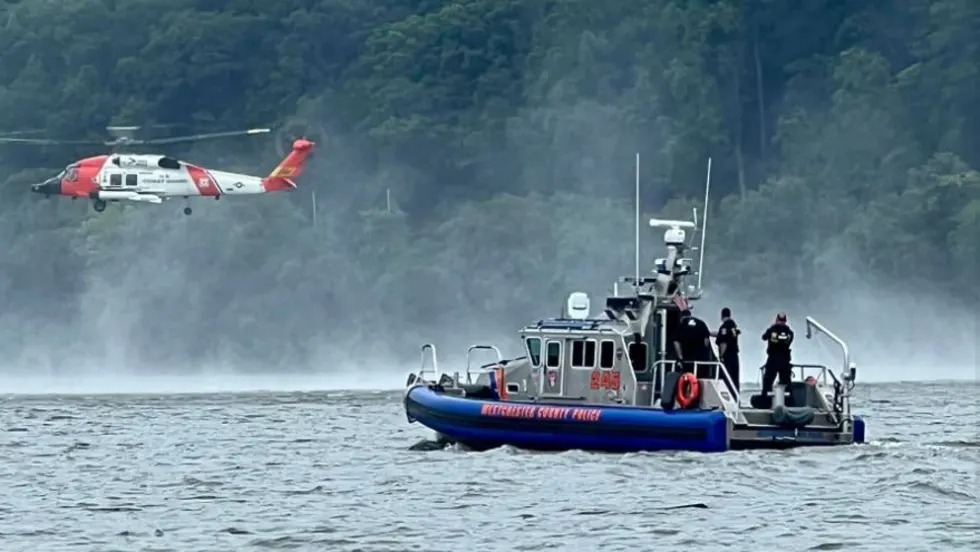
Late last month, a group of police agencies in New York participated in a two-day training exercise held in conjunction with the U.S. Coast Guard New York. It was one of many such training exercises undertaken by maritime and airborne units across the country every year in preparation for a busy summer season of rescue operations.
Read More →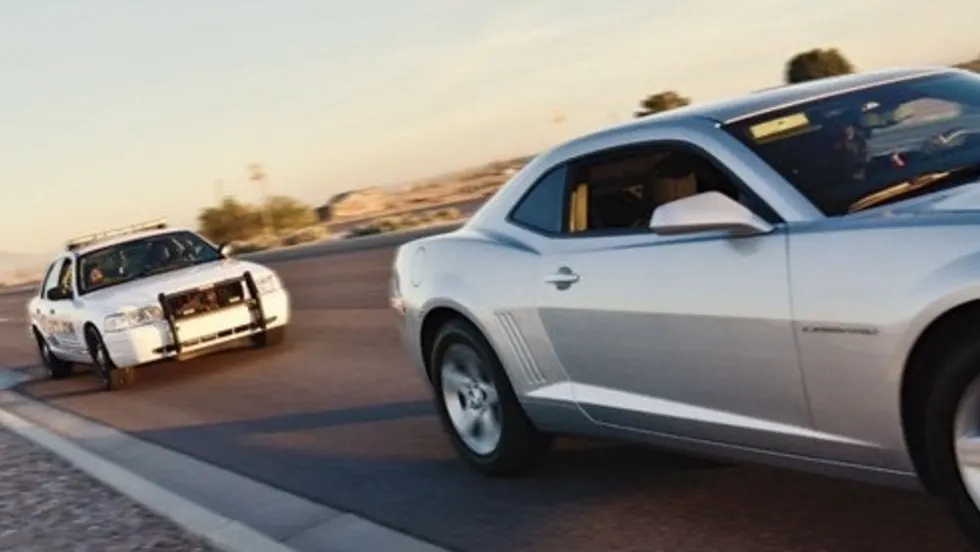


Law enforcement trainers, leaders, and manufacturers of police equipment are constantly seeking ways to decrease the dangers of police pursuits.
Read More →For whatever reason, the lessons learned hard at Columbine High School 23 years ago didn't stick in Uvalde last month. What will we learn this time for next time? Because there will—unfortunately—be a next time.
Read More →Police operation of an Unmanned Aerial Vehicle (UAV) or Unmanned Aerial System (UAS) requires the blessing of the Federal Aviation Administration.
Read More →POLICE Contributing Editor Doug Wyllie and police trainer Kim Schlau discuss the role of civilian experts in law enforcement education.
Read More →Empathy in law enforcement is now a thing. But the word "empathy" is sometimes used in the law enforcement context somewhat incorrectly—or at least incompletely—and can have negative consequences for officers.
Read More →If the story of virtual reality in law enforcement training were told in the form of a three act play, the rollout of Axon's new offering might qualify as a good place to end Act I—where setting, main characters, and plot background have been established, and the "action" begins.
Read More →The New York State Supreme Court has ruled a state law banning "chokeholds" may take now effect, potentially permanently removing that tactic from an officer's available inventory of arrest-and-control techniques.
Read More →Memorial Day is traditionally the unofficial start to summer. For American law enforcement, it signals the start of the "silly season." Here are some reminders for police trainers and street leaders to pass along to officers as they set about their summer patrols.
Read More →Despite the challenges FTOs face today, Dan Greene—Executive Director of the National Association of Field Training Officers (NAFTO)—remains optimistic about where the profession is going, and how well FTOs are adjusting to the ever-changing landscape.
Read More →