
Police Magazine

 MENU
MENU SEARCHMENUSEARCH
Loading data...

“There will come a day when it will matter a great deal to the lives of people . . . that we will be able to gain access” to such devices, Comey told reporters in a briefing. “I want to have that conversation [with companies responsible] before that day comes.”
Read More →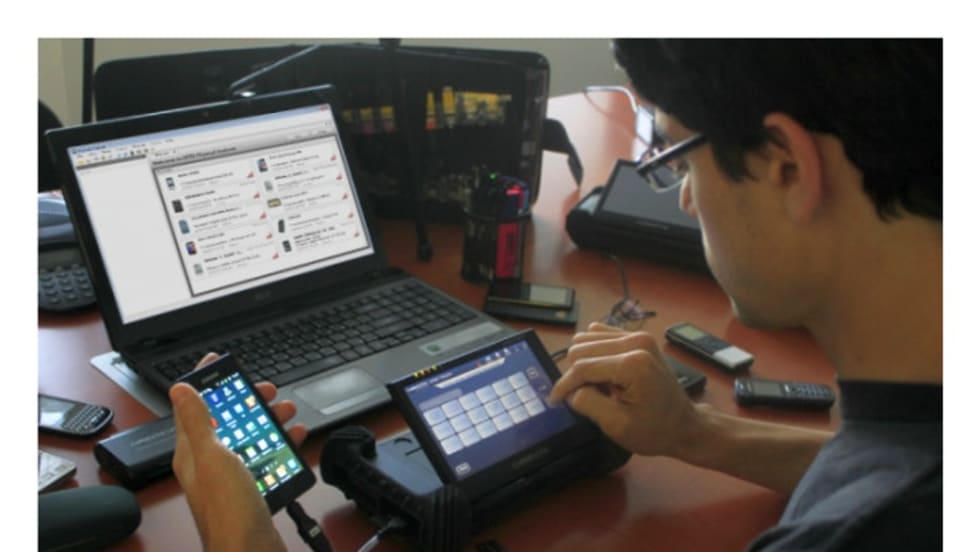

The next generation of Google’s Android operating system, due for release next month, will encrypt data by default for the first time, raising yet another barrier to police gaining access to the troves of personal data typically kept on smartphones.
Read More →Apple said Wednesday night that it is making it impossible for the company to turn over data from most iPhones or iPads to police — even when they have a search warrant.
Read More →Collect and preserve mobile device evidence from most popular smartphones, tablets, GPS devices and more.
Read More →Mobile devices have opened Pandora's Box, making digital forensics a much more volatile technology as cyber criminals find new avenues to carry out attacks. And law enforcement needs to keep up.
Read More →While the Internet has dramatically increased and facilitated the creation and distribution of child pornography, it has also given police a stronger ability to detect and track cases.
Read More →The new program offers three training courses on mobile forensics. Courses can be completed through classroom sessions, live online training or self-paced online training for trainees to earn a Cellebrite Certified Mobile Examiner credential.
Read More →Ocean Systems has included Active Audio Sync (AAS) with version 2.0 of its Omnivore video capture system to help investigators collect and process low frame rate video that has associated audio.
Read More →A Southern California fugitive was arrested in Mexico, after taunting law enforcement via Twitter with tweets such as "Catch me if you can."
Read More →Cellebrite and Nuix this week announced a partnership that will enable users to contextualize complex investigations and see larger connections more quickly.
Read More →