
Police Magazine

 MENU
MENU SEARCHMENUSEARCH
Loading data...
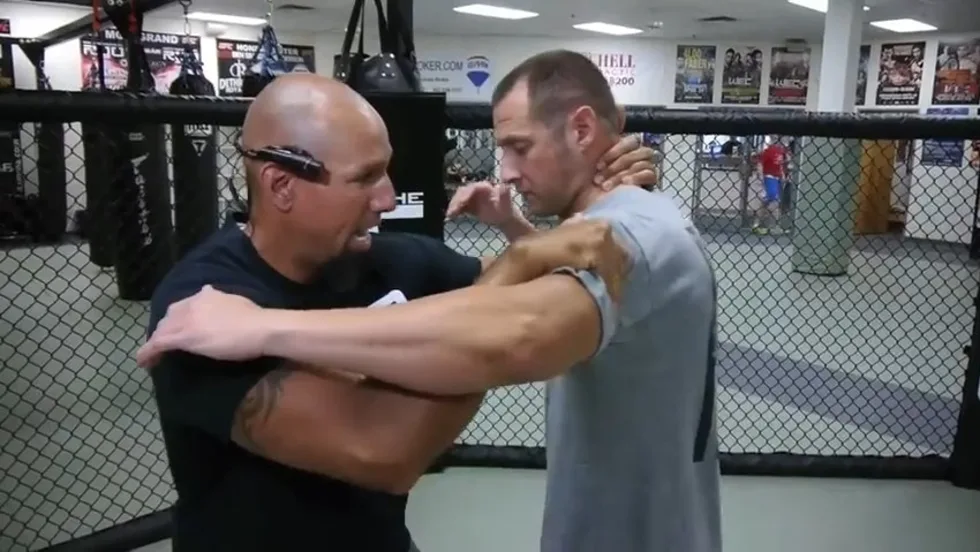
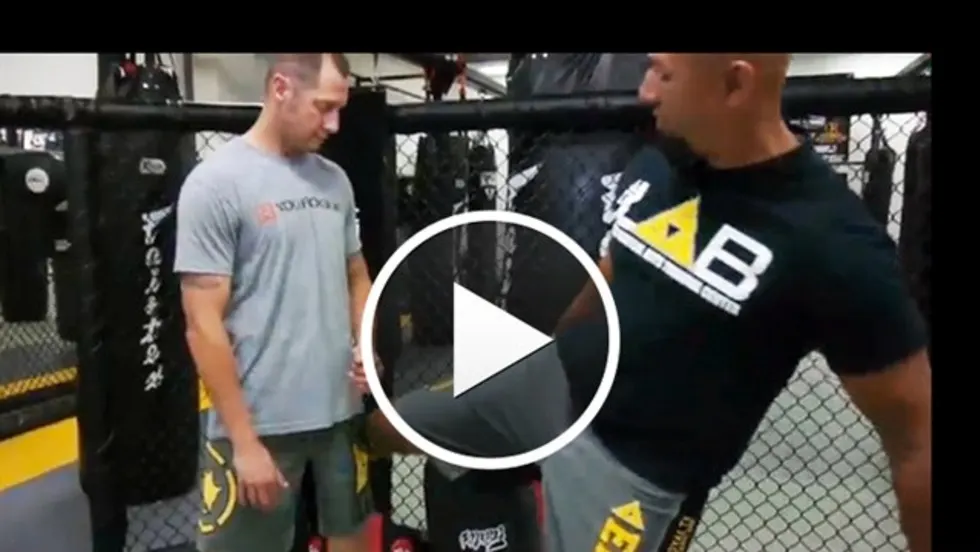
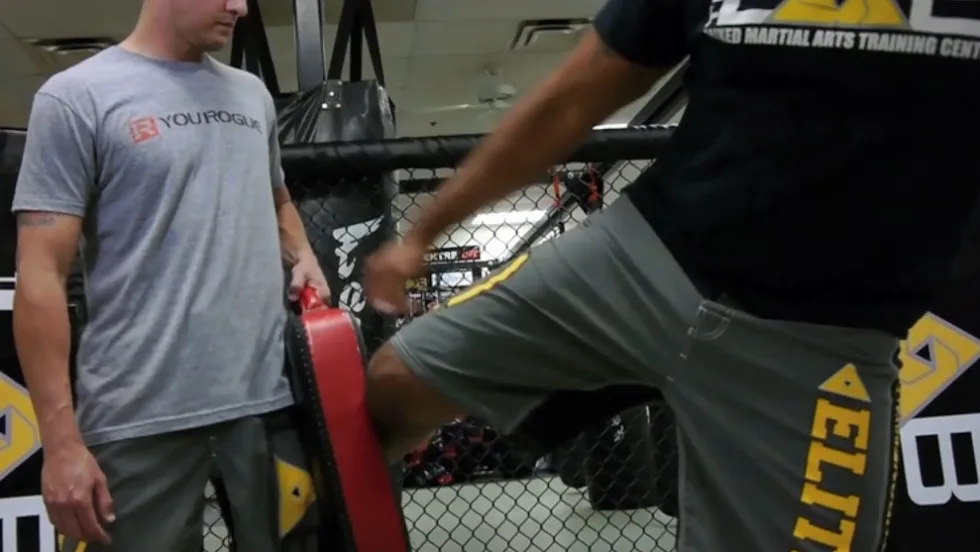
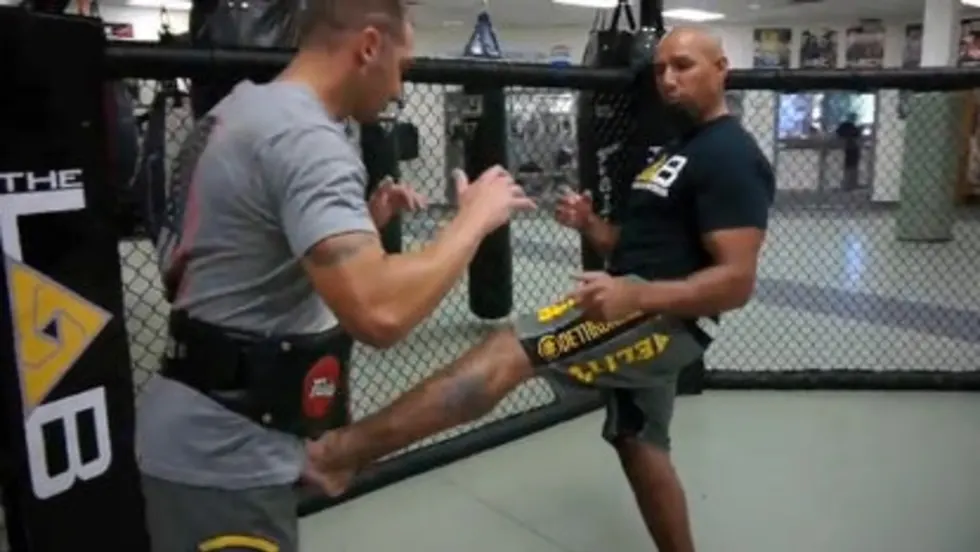
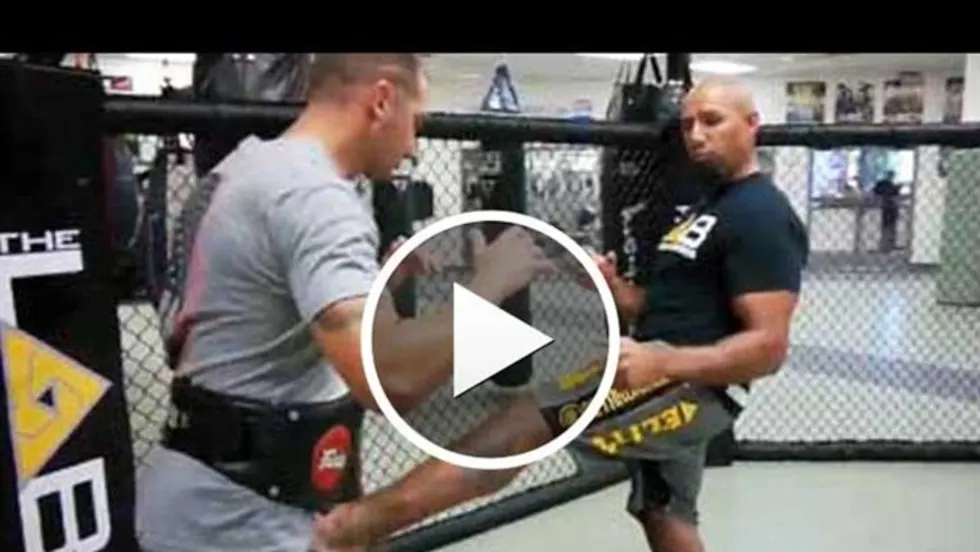
In the fourth edition of Police's Defensive Tactics Training videos, the instructors at the Lab MMA Training Center in Glendale, Ariz., demonstrate strikes and counters that can be used at extremely close range in order to stop attacks and take suspects into custody.
Read More →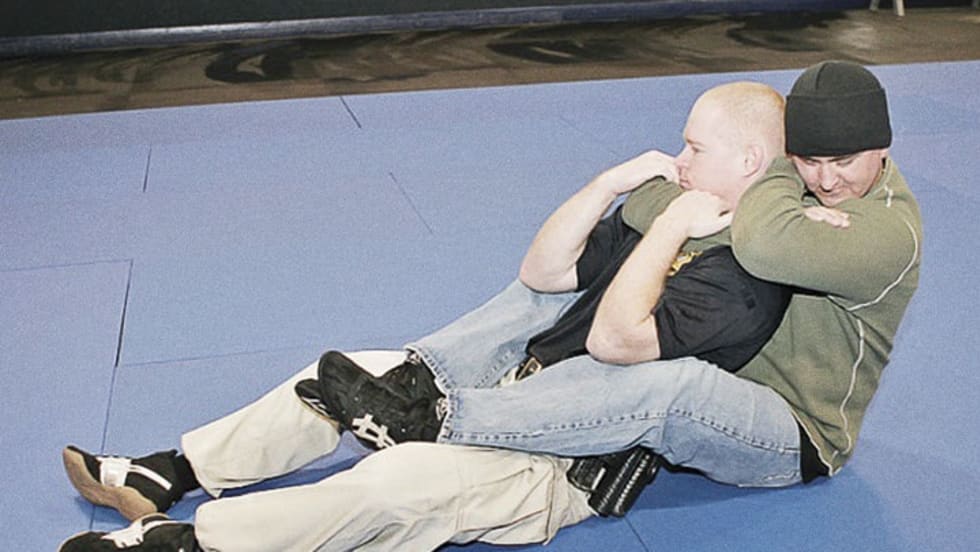

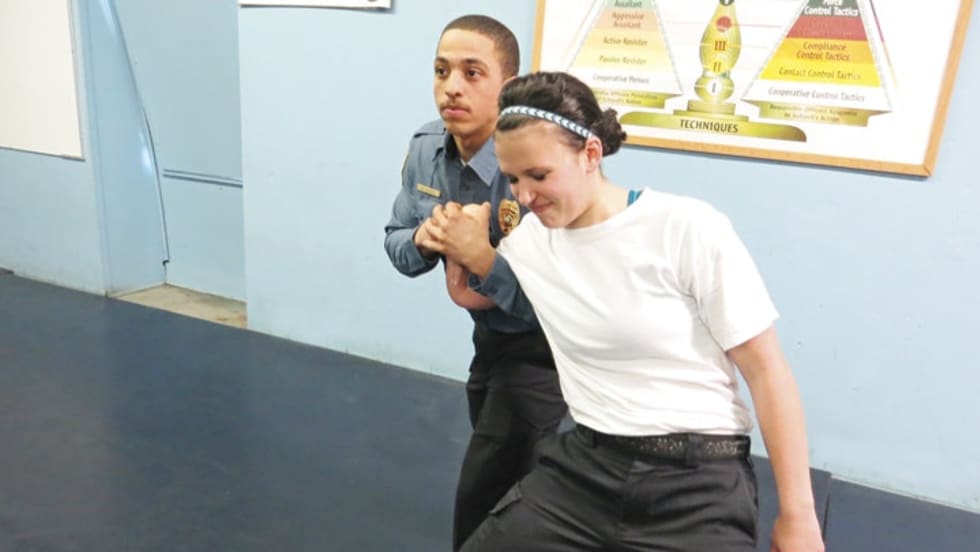
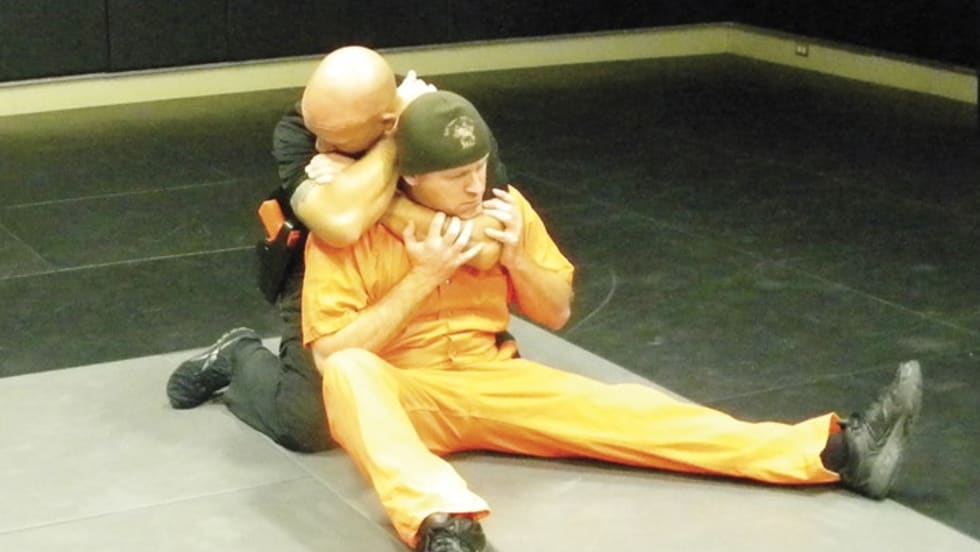
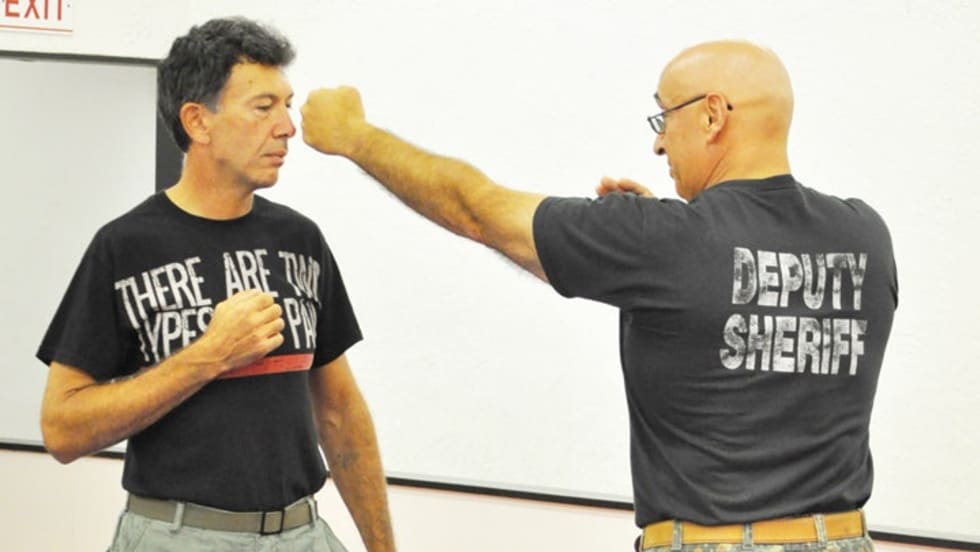
Your defensive tactics training should be intense, exhausting, applicable, and eye-opening. Don't come to in-service training dressed for vacation or expecting to sleepwalk through the course.
Read More →The tragic killings of two Las Vegas officers having lunch at a pizza place on Sunday morning brought me chills. It was reality check time for me. I realized that any officer is vulnerable to attack, at any time, at any place, doing any part of his or her job. Even on a "break," we know there are no breaks, no down time when we're on duty, in uniform.
Read More →It's critically important for you to be able to control the suspect at the point of initial contact, and it is equally important for you to have control tactic options once the initial contact is made.
Read More →The carotid restraint control hold is a valuable force option. When applied by a competent end-user, the hold is quick and highly effective and is absent of any evidence of traumatic injury.
Read More →Law enforcement combatives are about obtaining control, and knowing how to strike properly is a big part of that. This concept is brought home every time we see an ineffective officer struggling for control in a YouTube video or in a story on the local nightly news.
Read More →Videos feature veteran officer Ron Dorfman and instructors John Crouch and Adam Gillespey demonstrating the techniques.
Read More →Video #3: Using Leg Strikes. POLICE Magazine has teamed up with The MMA Lab in Glendale, Ariz., to offer a series of training videos demonstrating defensive tactics officers may need to use. Videos feature veteran officer Ron Dorfman and instructors John Crouch and Adam Gillespey demonstrating the techniques.
Read More →Video #2: Using Push Kicks. POLICE Magazine has teamed up with The MMA Lab in Glendale, Ariz., to offer a series of training videos demonstrating defensive tactics officers may need to use. Videos feature veteran officer Ron Dorfman and instructors John Crouch and Adam Gillespey demonstrating the techniques. Read more here.
Read More →POLICE Magazine has teamed up with The MMA Lab in Glendale, Ariz., to offer a series of training videos demonstrating defensive tactics officers may need to use. Videos feature veteran officer Ron Dorfman and instructors John Crouch and Adam Gillespey demonstrating the techniques.
Read More →