
Police Magazine

 MENU
MENU SEARCHMENUSEARCH
Loading data...

In your search warrant affidavits, your reports, and your testimony you have to lay out the basis of your suspicions and justify every detention, arrest, search, seizure, entry, and use of force.
Read More →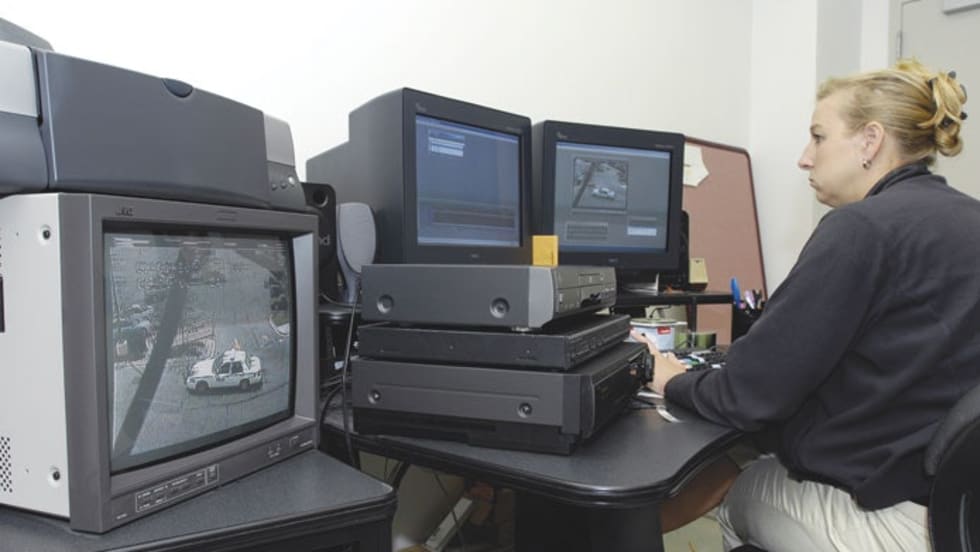
A video analyst can examine any media containing video footage including analog sources like VHS and 8mm tapes and digital sources like CDs, DVD, digital tapes, and computer hard drives.
Read More →Motels are often the first destination for parolees and sex offenders upon their release from incarceration. And that makes for an unfortunate dynamic.
Read More →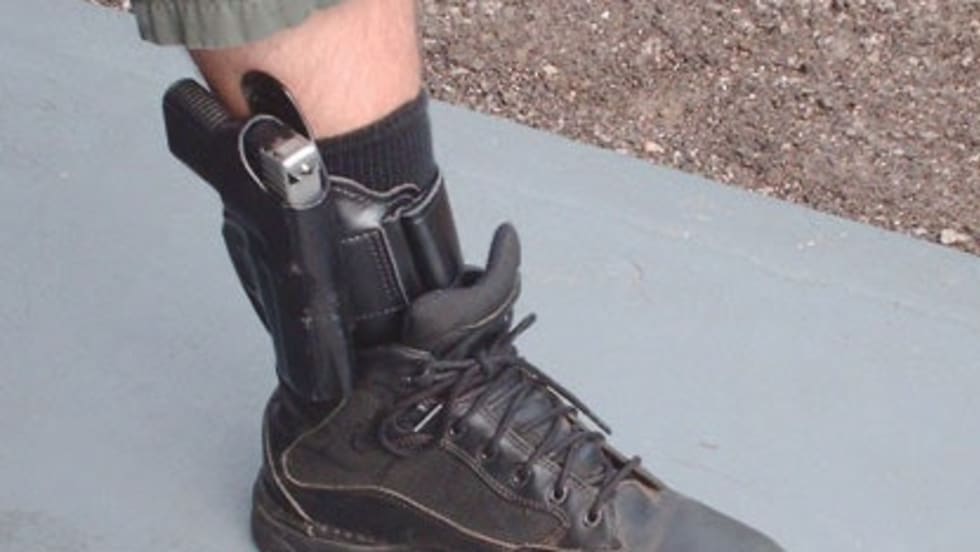
Unfortunately, Officer Erfle will not be the last law enforcement officer who will fall victim to a bad guy carrying a concealed firearm. The reason is simple; unless you have cause to search, you really can't tell who is packing and who isn't.
Read More →
I've taught forensic photography to police officers for more than 10 years, and I always start my presentations with the notion that good photographs start even before the camera is out of the bag. You have to have the proper mindset because images documenting injuries are some of the most important photos we take.
Read More →Some cops could use a hug. Others could use a Huggy Bear. Like Starsky and Hutch's trusty tattletale, reliable informants provide us with a worm's eye view of their sordid social circles, a heads up on threats to officer safety, and the groundwork for search warrants. They hang in circles we wouldn't want to enter. There is no question that the access they have and the intelligence they acquire is often invaluable to law enforcement.
Read More →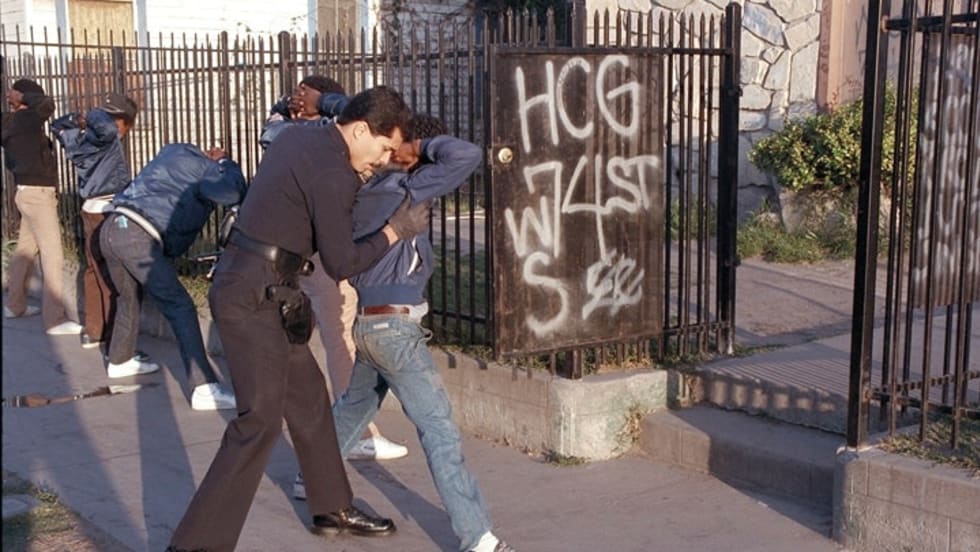
I remember riding with another L.A. Deputy Sheriff in an East Los Angeles gang car in 1975. To me, it was a privilege working with a special gang suppression unit, but my partner complained that he hated working gangs because it was useless. But he was wrong.
Read More →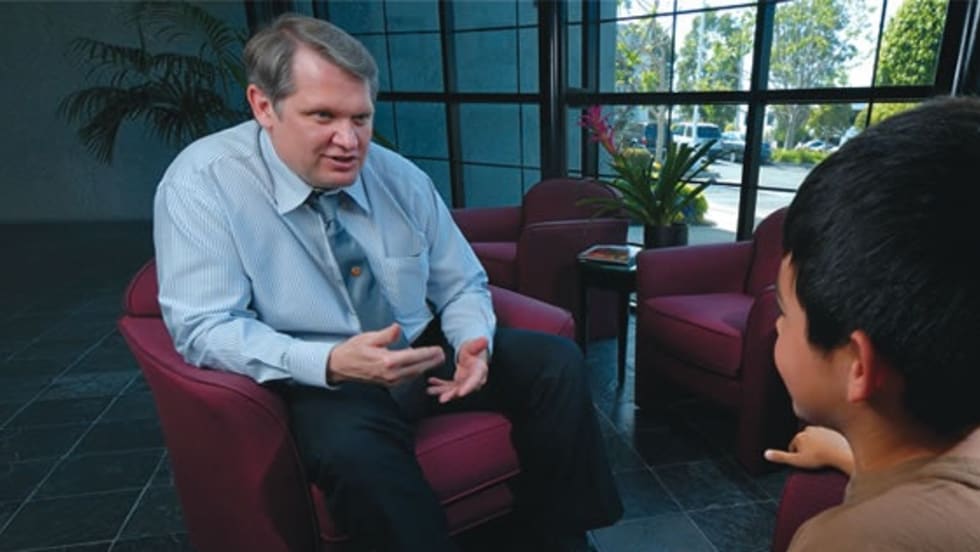
Interviewing a child is in some ways very similar to interviewing any crime victim but, in some ways, it's very different. The first hurdle is to get the child to open up.
Read More →Informants can provide a wealth of information. However, that information can come at a price if you’re not careful how you deal with them. Too many officers fall into a few common traps with informants, leading to bad cases, blown operations or personal complaints against them.
Read More →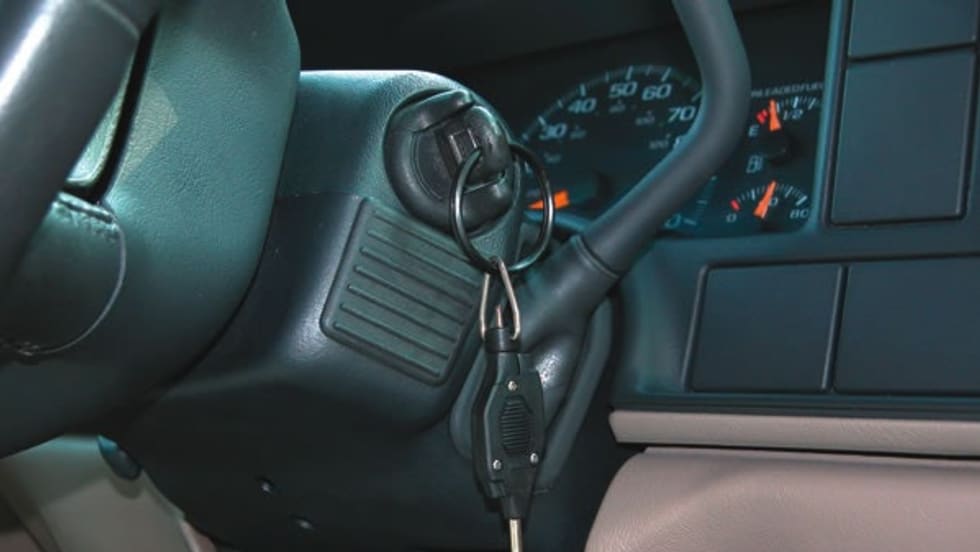
There are many motivations for stealing cars. Some are taken by kids for so-called “joyrides.” Others are shipped to foreign countries and resold or chopped into parts. And more and more often, stolen cars are used to facilitate other crimes, including burglaries, robberies, assaults, and the transportation of narcotics and smuggled immigrants.
Read More →