
Police Magazine

 MENU
 SEARCHMENUSEARCH
Loading data...

The U.S. Department of Justice agreed to create a national campus safety center that would train agency personnel, encourage research, and disseminate relevant campus public safety information.
Read More →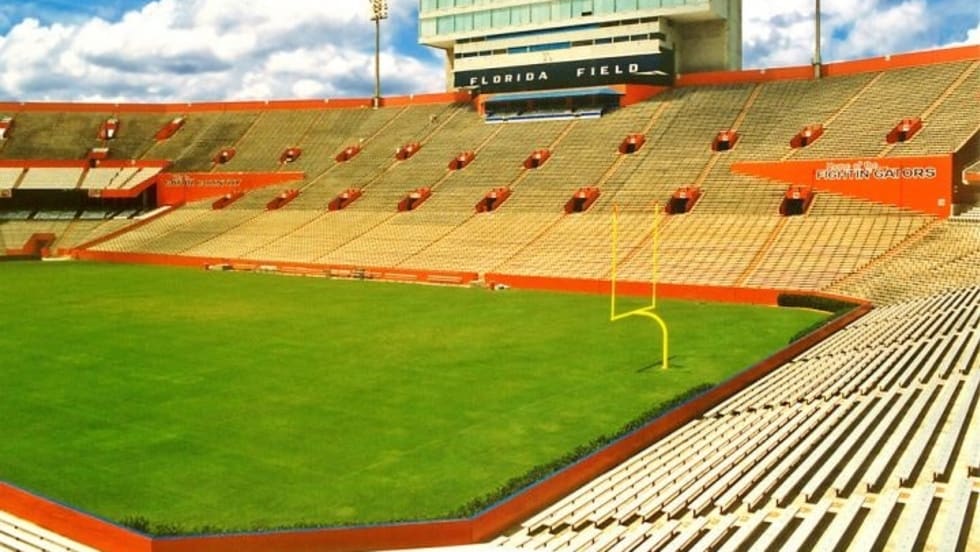


The abuses from professional sports would eventually taint college recruitment. Money under the table, trips to strip clubs and topless bars, and steroid and other strength enhancing substances used by players scandalized the college recruitment system.
Read More →Training injuries and even training fatalities are far too common in law enforcement academies, and they need to be addressed.
Read More →The iForce is more than an in-car computer. It's essentially a computer-based communication system. It helps officers communicate with each other, communicate with any applicable databases, and even communicate with their vehicles.
Read More →NEW YORK — Where are your kids going to college? If it’s a school with a criminal justice studies program, they may be part of a larger than normal incoming class if the nationwide trend follows the example at one of the country’s top criminal justice colleges.
Read More →Author Joseph Wambaugh shared some thoughts with POLICE magazine in an interview published in the October 2007 issue. Here, he reveals the inspiration for Spermwhale Whalen, and gives his thoughts about the controversial show, "The Shield."
Read More →By the time you read this article, I should have completed the six-week basic course at the FBI/Army Hazardous Devices School in Huntsville, Ala. Which means I will be well on my way to becoming a certified bomb technician, a career aspiration that many people—including fellow cops—consider crazy.
Read More →Communications may be the backbone of law enforcement, yet it can also be its most technologically confusing, politically charged and seemingly insoluble problem in the adrenaline-fueled chaos of a multi-jurisdictional or mutual-aid situation.
Read More →