



Corruption In Collegiate Athletics
The abuses from professional sports would eventually taint college recruitment. Money under the table, trips to strip clubs and topless bars, and steroid and other strength enhancing substances used by players scandalized the college recruitment system.

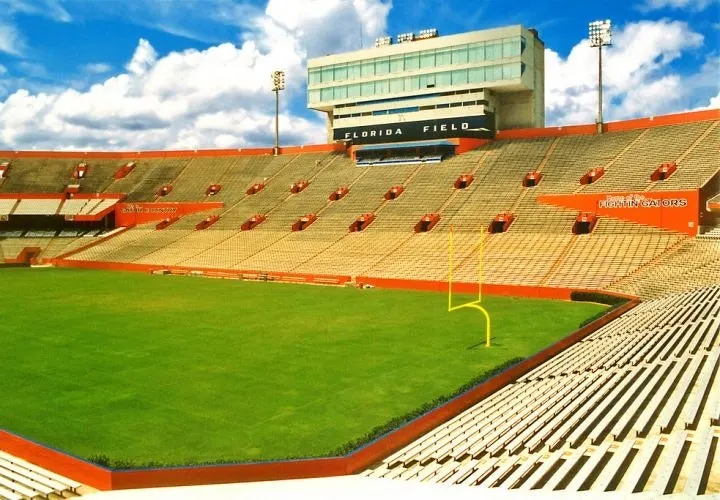
Photo via Flickr (StevenM_61).
Growing up in poverty and living in the ghetto or barrio of one of America's cities often influences "at-risk youth" toward a life of drugs, criminal activity and gangs.
As such, the strongest proven successful preventative inoculations against gang recruitment include a strong family unit, religious and moral foundations, education, scouting, martial arts, musical training and participation in team sports.
However, no matter how many of these anti-gang activities a youth at risk might participate in, some kids are bound for prison. Even kids from middle- and upper-class communities have become notorious criminals and gang members.
In my neighborhood of Willowbrook near Compton, most kids dreamt of becoming an athletic champion or famous rock and roll entertainer as a path out of the ghetto. We had many examples of people from our neighborhood who became rich and famous in this way. This way out was especially attractive to the less than stellar students who hoped that their athletic talent could secure a scholarship despite a mediocre grade point average.
I've always enjoyed college team sports over national professional teams. This is because most college teams adhered to strict NCAA codes of moral conduct and college academic discipline, while the professional teams relied on mercenary methods of recruiting the best players money could buy.
The abuses from professional sports would eventually taint college recruitment. Money under the table, trips to strip clubs and topless bars, and steroid and other strength enhancing substances used by players scandalized the college recruitment system.
As this county's moral codes loosened and pressure to be a winning team replaced honor and sportsmanship, college recruiters began looking for players in criminal gang neighborhoods. Coaches sometimes also came out of these troubled ghetto school systems and went back to the neighborhood to find and recruit more aggressive players.
In the March 7 issue of "Sports Illustrated," the article, "Rap Sheets, Recruits And Repercussions" documents that this is nothing new. Here's an excerpt:
Pop Warner paid off the cops to keep players at the Carlisle (Pa.) Indian School out of jail. At Alabama Bear Bryant used players well-known to police, and modern powerhouses — Oklahoma and Miami in the 1980s, Nebraska, Washington and Florida State in the 1990s, and, most recently, Florida — have had players who dealt drugs, assaulted women, thieved, drove drunk and more.
The magazine and CBS News conducted a six-month investigation that involved running criminal background checks on all the players who were on the roster of the top 25 college football teams for the 2010 pre-season. Shockingly, the investigation showed that colleges rarely checked the criminal histories of scholarship winners and recruits. Although these young men often were just barely adults, a juvenile criminal record check was even rarer.
A total of 2,837 players were checked for criminal histories (7,030 total record checks). The study found that 204 players had criminal records — including 105 alcohol and drug related offences; 75 for disorderly conduct, resisting arrest, and criminal mischief; 56 for violent crimes (domestic violence, sex crimes, assault and battery); and 41 for property crimes (burglary, grand theft and shoplifting).
Even though many player records were protected from juvenile criminal history checks by many states, the SI/CBS study was able to check 318 in Florida and 300 from other states and found 58 had juvenile records. One team from the University of Pittsburgh had 23.5 percent of its scholarship athletes who had been in trouble with the law. Can you imagine how many a professional football team like the Oakland Raiders might have?
The player's race had little to do with this criminal history. Overall, 48% were black and 44.5% were white. In contrast, Rose Bowl champions Texas Christian had no arrests among its team members. And only one prior minor arrest was noted among the Orange-Bowl-champion Stanford players. This debunks the argument that recruiting this type of troubled-past player is somehow necessary to succeed.
More Blog Posts
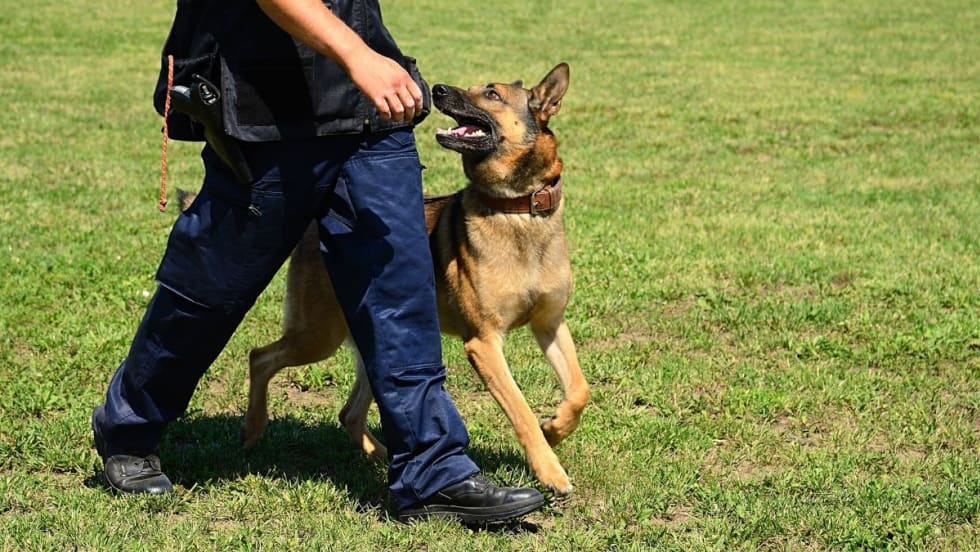
Preventing Heat Injury in Police K-9s
In the relentless heat of summer and even early fall in some parts of the country, officers face the important task of protecting their K-9 partners while working in sweltering temperatures. Recognizing changes in a dog’s behavior is the key.
Read More →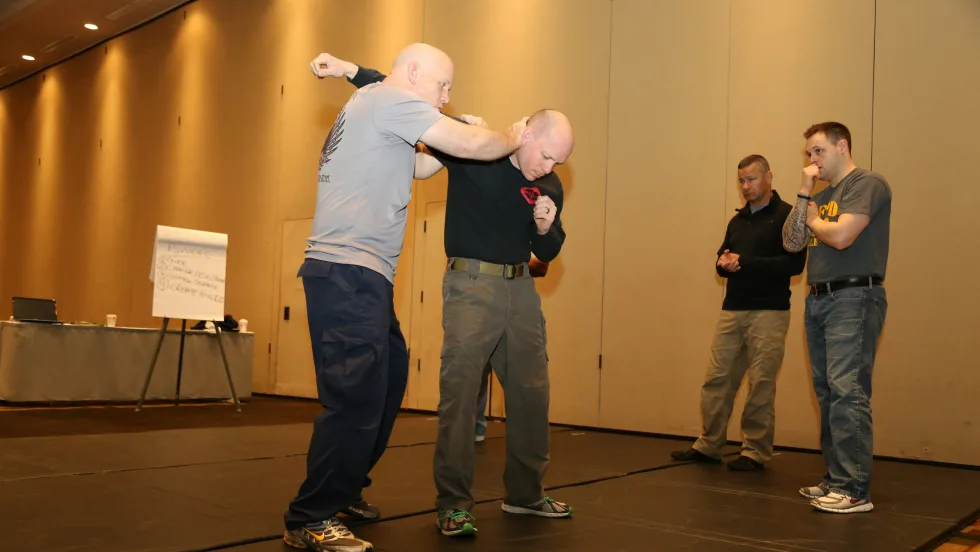
Why Your Agency Needs to Attend the ILEETA Conference
ILEETA is a complete resource for trainers to address trainers' needs. Its mission is to enhance the skills and safety of criminal justice practitioners while fostering stronger and safer communities.
Read More →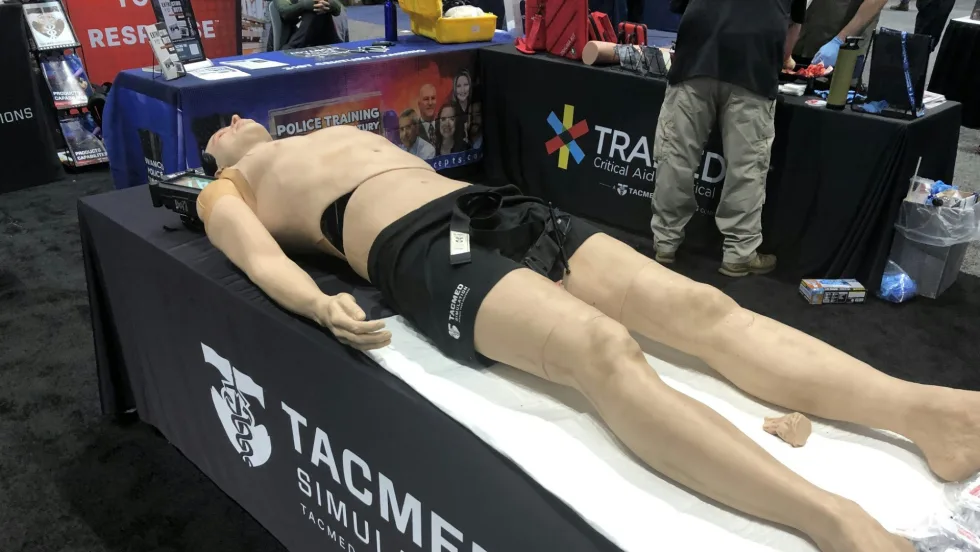
IACP 2023: New Training Products
Technologies for improving law enforcement training and training management were some of the highlights at this year's show.
Read More →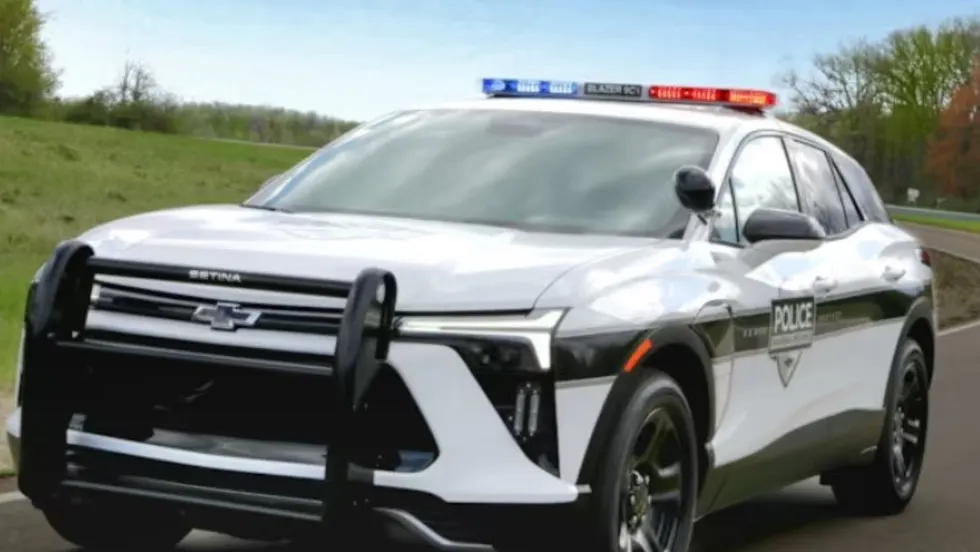
Initial Results Released from MSP 2024 Police Vehicle Testing
The 2024 pursuit-rated vehicles--all pickup trucks or SUVs, including two battery electric models the Chevrolet Blazer EV AWD and Ford Mustang Mach-E--were put through their paces.
Read More →
Officer Safety Considerations Related to Alternative-Fuel Vehicles
As more alternative-fuel and hybrid vehicles hit the road, police and other first responders need to understand that they are no more dangerous than conventional vehicles. However, there are certain safety considerations every cop should know.
Read More →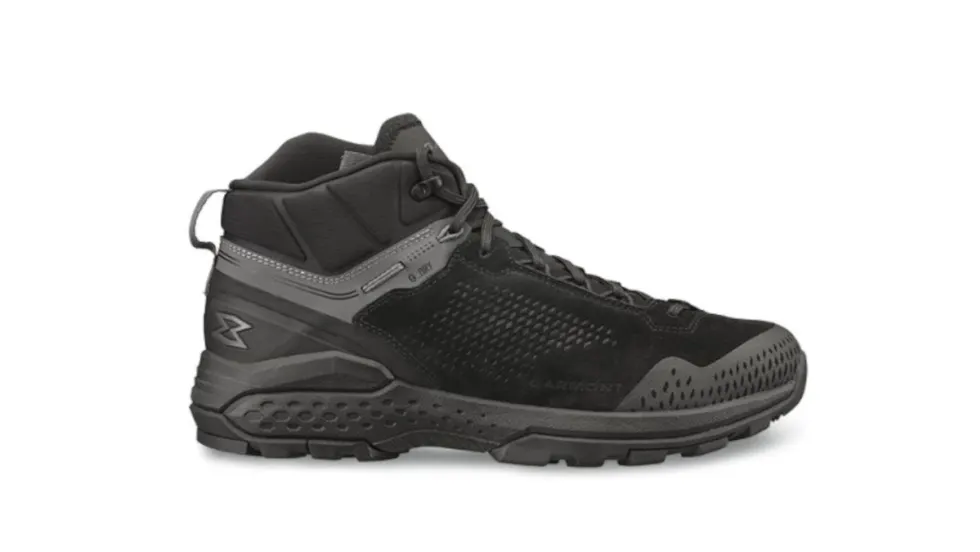
Garmont Working to Grow LE Market Presence
Garmont Tactical has found wide acceptance by military boot buyers, but now the company is trying to better respond to the needs of police officers. Many cops now are not fans of 8-inch boots, so Garmont is adapting.
Read More →
Publisher’s Note: Our Commitment to You
Through our magazine and website and our Police Technology eXchange event, we promise to provide you with information and access to resources to help you do your job safer and better.
Read More →
10 Tips for Responding to Mental Health Crisis Calls
The Harris County Sheriff's Office is a model for other agencies that want to learn about crisis intervention and mental health crisis response. Sgt. Jose Gomez shares the story of their programs and provides 10 tips for mental health crisis call response
Read More →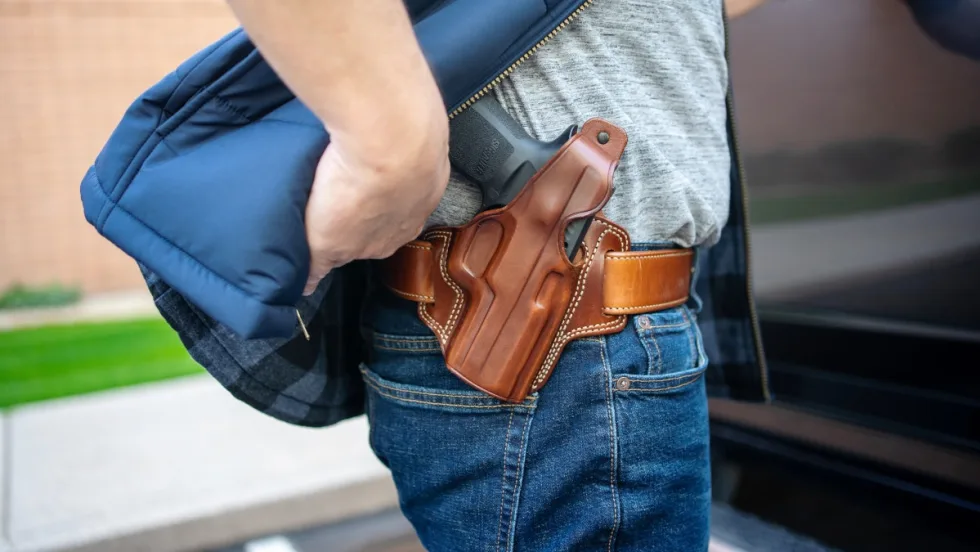
5 Things to Know When Buying Concealed-Carry or Off-Duty Holsters
Mike Barham, of Galco Holsters, shares five important considerations to keep in mind when you buy off-duty concealed or plain-clothes carry holsters.
Read More →
10 Tips for Reviewing Use-of-Force Reports
While the burden of accurately reporting use-of-force situations is on an individual deputy or officer, the person reviewing those reports shares in the responsibility of making sure the reporting is done properly, with clear details included.
Read More →