
Police Magazine

 MENU
MENU SEARCHMENUSEARCH
Loading data...
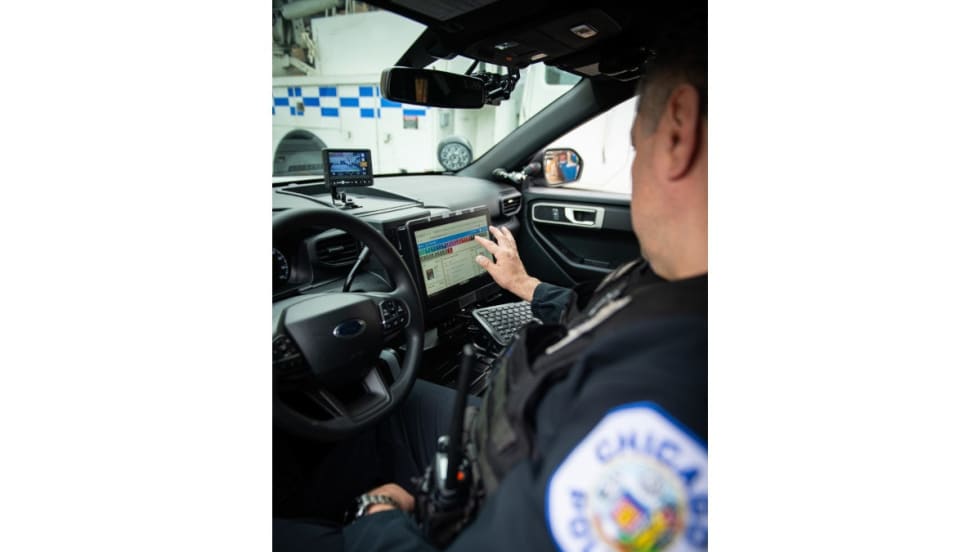
Samsung first partnered with the Chicago Police Department to launch a technology proof of concept in 2018. Under the expanded relationship, Samsung now provides equipment and software for the entire police fleet.
Read More →
The court found that the use of force by the officers was deemed unreasonable given that the call was a non-criminal mental health request. The court questioned whether any force was appropriate because a crime had not been committed.
Read More →A federal court jury has convicted a former Sanger, California, police officer on eight counts of sexually assaulting women while on duty. Five of the counts each carry a maximum penalty of life in prison and a $250,000 fine.
Read More →Defense attorneys for Jason Meade, a former Franklin County sheriff’s deputy who fatally shot Casey Goodson Jr., successfully requested a delay for his criminal trial to await direction from the Barnes v. Felix decision.
Read More →
“I would have much rather that he considered those cases independently, rather than blanket pardons and commutations because there is never an acceptable reason to assault, hit, attack law enforcement officers who are trying to do their job," Judd said.
Read More →Col. Robert Hodges, the state police superintendent, told troopers in an internal email obtained by AP that the “isolated incidents” highlighted in the report “are not a fair assessment of today’s Louisiana State Police..."
Read More →The 2-1 Appeals Court decision Wednesday reversed a trial judge’s ruling favoring Trooper Omar Romero Mendoza.
Read More →
5.11's Founder's Jacket is kind of tactical outerwear for a business casual look. One of its most interesting features is elastic MOLLE webbing on the inside for attaching critically important items that won’t fit in its pockets.
Read More →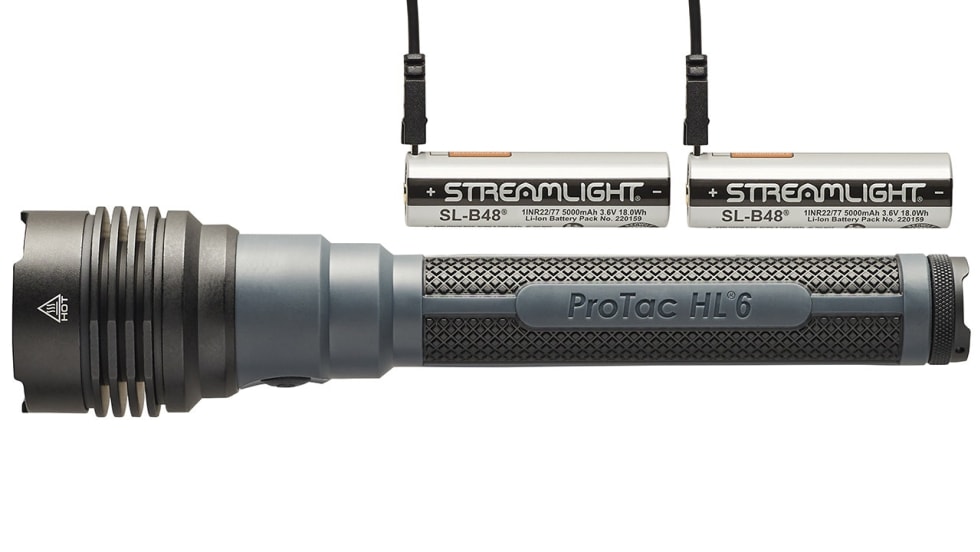
On high, the ProTac HL 6’s 5,300 lumens turns night into day for hundreds of yards. On low, you can easily search a backyard.
Read More →
Florida appeals court finds drug dog alert alone not enough to search car for marijuana.
Read More →