
Police Magazine

 MENU
MENU SEARCHMENUSEARCH
Loading data...
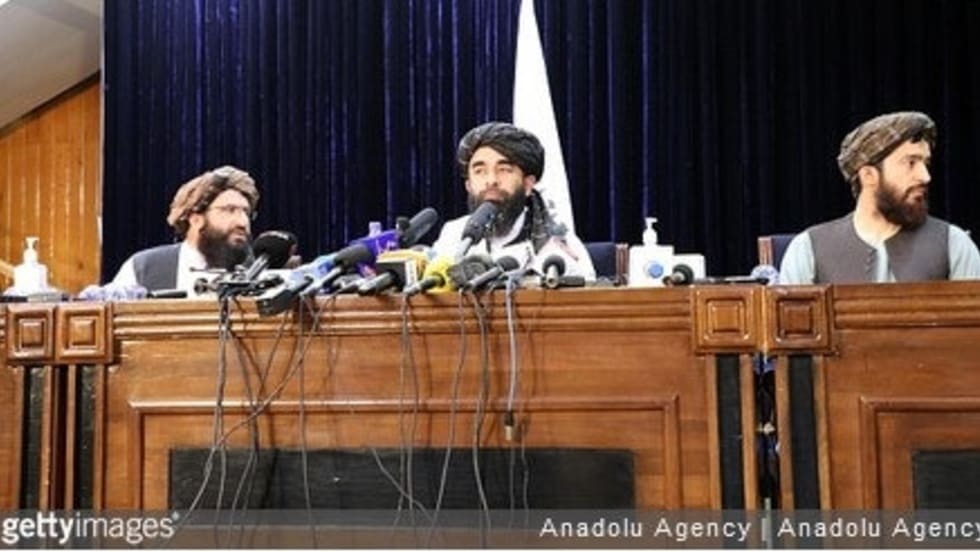
A spokesperson for Washington, D.C.’s, Metropolitan Police Department (MPD) said they are not aware of any credible threats to the city but urged the local community "to report any suspicious behavior to the proper authorities."
Read More →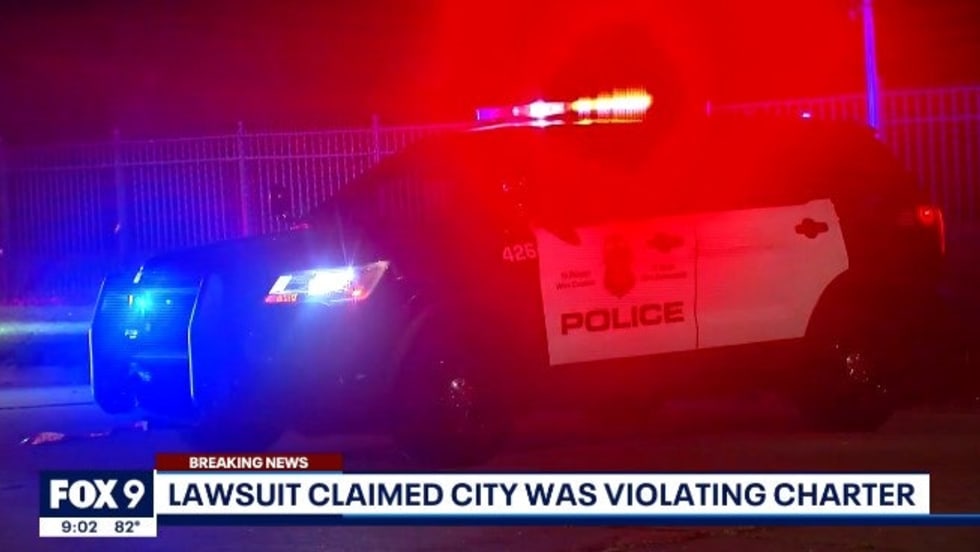

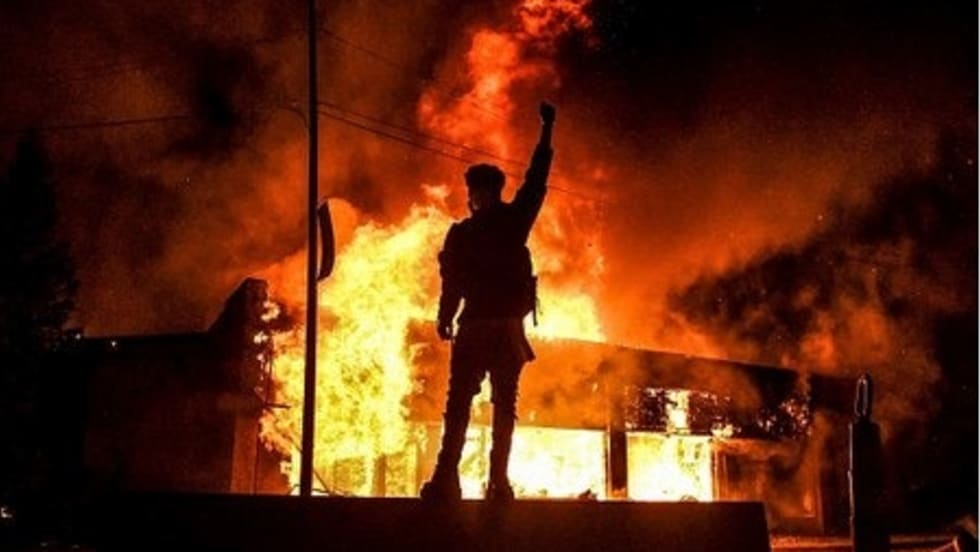
The Minnesota Supreme Court on Tuesday denied a request from the city of Minneapolis for an emergency review of a judge's order requiring at least 730 police officers be on the force by next summer in order to comply with the city charter's requirement.
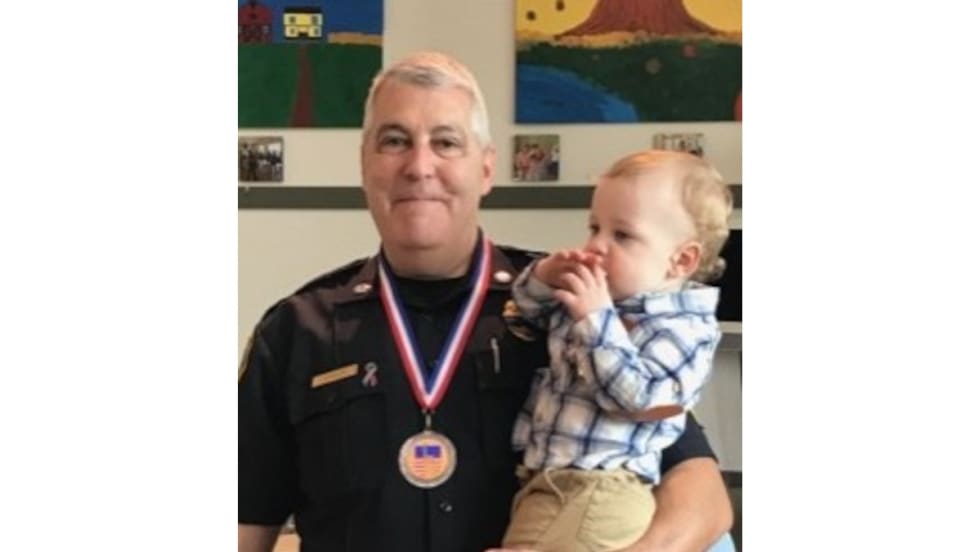
Read More →Lt. Alan Lessieur, 60, was named the Pepperell Police Department’s Officer of the Year in 2018. His many duties and accomplishments included being the administrative patrol supervisor, evidence and property control manager, and court prosecutor, according to his obituary.
Read More →Keith Thornton Jr.'s quick thinking is being credited for saving the lives of more officers and helping law enforcement on the streets quickly apprehend the suspects.
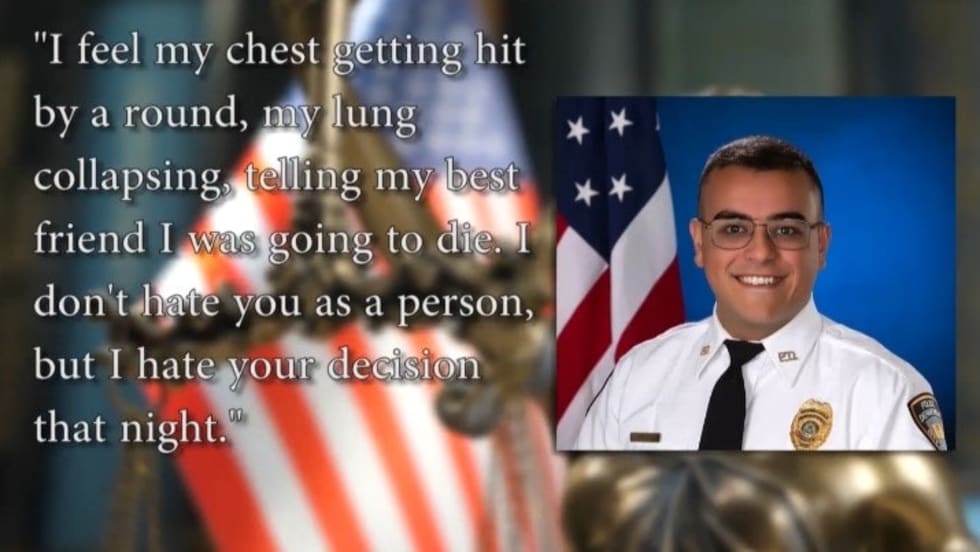
Read More →"I feel my chest getting hit by a round, my lung collapsing, telling my best friend I was going to die. I don't hate you as a person, but I hate your decision that night," Officer Lucas Campoverde said.
Read More →In Detroit, 1 in 5 residents (19%) cited public safety as the biggest issue facing the city, second only to education, named by 23%. On a list of eight concerns, police reform ranked last, at 4%.
Read More →In analyzing the survey results, the National Police Association (NPA) blamed reaction of elected officials to last year’s protests, which began after the death of George Floyd during a May arrest in Minneapolis, for a subsequent rise in violent crime.
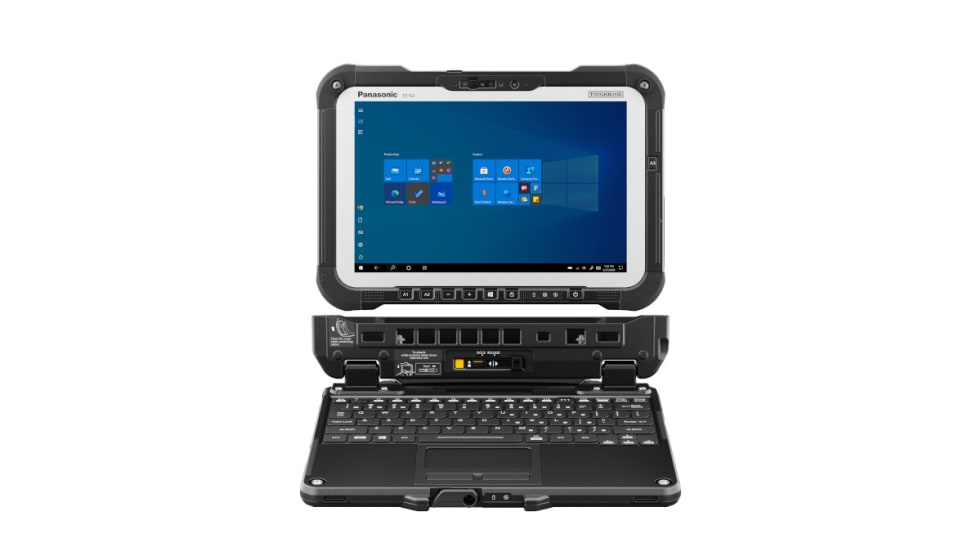
Read More →Panasonic says the Toughbook G2’s modular design supports the evolving demands of public safety users, offering increased flexibility and enhanced productivity. With three modular expansion areas and up to 36 different xPAK combinations, users can customize the Toughbook G2 to suit their needs.
Read More →Both officers are seeking unspecified damages for their injuries, which include “contusions, abrasions, soreness, sleeplessness and agitation, and significant pain and suffering,” according to their largely identical suits filed separately in Manhattan Supreme Court.
Read More →Four executives from leading body camera and in-vehicle video system makers discuss how their technology supports police agency policies and operations.
Read More →