
Police Magazine

 MENU
MENU SEARCHMENUSEARCH
Loading data...

New York Task Force One is managed by the Office of Emergency Management (OEM) and is equipped with the latest technology and equipment, trained to respond to catastrophic events involving the collapse of heavy steel and concrete.
Read More →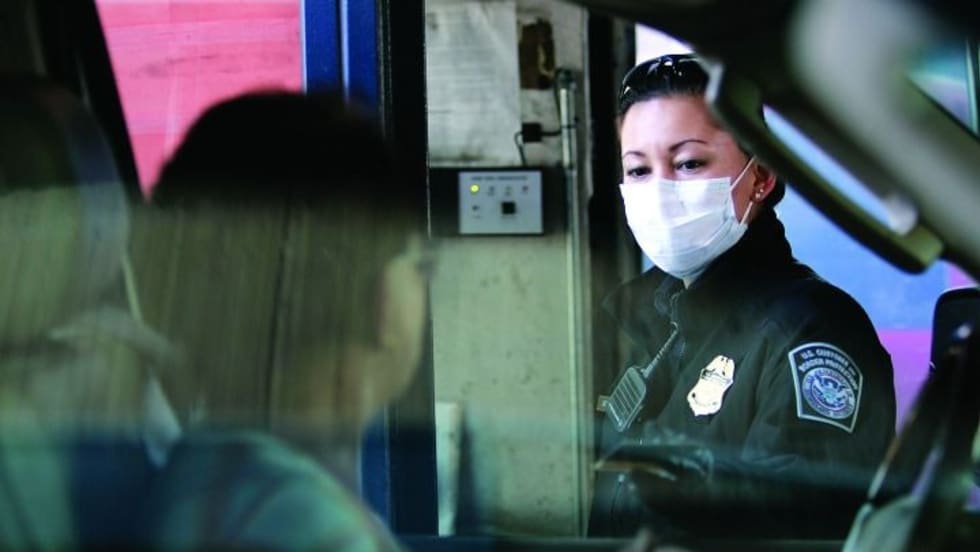


Many municipalities have planned and exercised disaster response plans for a large flu outbreak. However, the biggest challenge will be preventing panic among an anxious public and soliciting its cooperation to preserve the common good.
Read More →How long will it take before terrorists have weapons of mass destruction? The answer isn't clear. But preparing emergency response personnel to meet the threat head-on starts at the CDP's COBRATF—the Chemical, Ordnance, Biological, and Radiological Training Facility in Anniston, Ala.
Read More →Not every natural disaster is as devastating as Katrina. But does your agency have a plan in place that would allow you to communicate in case a similar event occurred in your jurisdiction?
Read More →Hurricane country cops need a scale that screams the following message to the public: Get out! Get out, now!
Read More →Informed Publishing’s new NIMS: Incident Command System Field Guide gives access to critical key points of the National Incident Management System (NIMS) that can help you make decisions fast, and help make sure that NIMS compliance requirements are met. The 3x5-inch reference guide clearly and concisely outlines what you need to know about the NIMS. The guide has color-coded tabs and is tough, waterproof, and alcohol-fast.
Read More →The enormity of what law enforcement officers have been tasked with in the Gulf state areas devastated by this year’s one-two punch of hurricanes can be summed up in one word: overwhelming.
Read More →There are many lessons that can be learned from a disaster as catastrophic as Hurricane Katrina. A good way to determine what should be done in response to future disasters is to talk to the officers who served on the front lines of Katrina.
Read More →The looters hit the gun stores in New Orleans first, loading up with rifles and ammunition to better fend for the crimes to follow. Then they descended upon other stores. Before long, they moved from the business districts to nearby residences. And what Hurricane Katrina hadn’t ravaged or left destroyed, they did.
Read More →About 24 hours before Hurricane Katrina struck the Gulf Coast Capt. John Bryson of the New Orleans Police Department was in a McDonald’s in the city’s Ninth Ward buying a cup of coffee. Next to him in line was a woman and her four children; the youngest was a one-year-old baby.
Read More →