
Police Magazine

 MENU
MENU SEARCHMENUSEARCH
Loading data...

Today and every day, thousands of people worldwide are being victimized by computer crime. That’s why just about every major municipal or county law enforcement agency in the United States now has a new breed of detective: the computer crime or “cybercrime” investigator.
Read More →
If police take someone from one location and transport him or her involuntarily to a police facility for investigation, this will be considered a de facto arrest. Without probable cause, that arrest will be unlawful, with predictable consequences for both evidence suppression and civil liability.
Read More →A chicken farmer used science to find the canine responsible for raids on his henhouse.
Read More →
The murder rate has been dropping nationwide, and nowhere is it dropping faster than on the streets of America's formerly most dangerous cities.
Read More →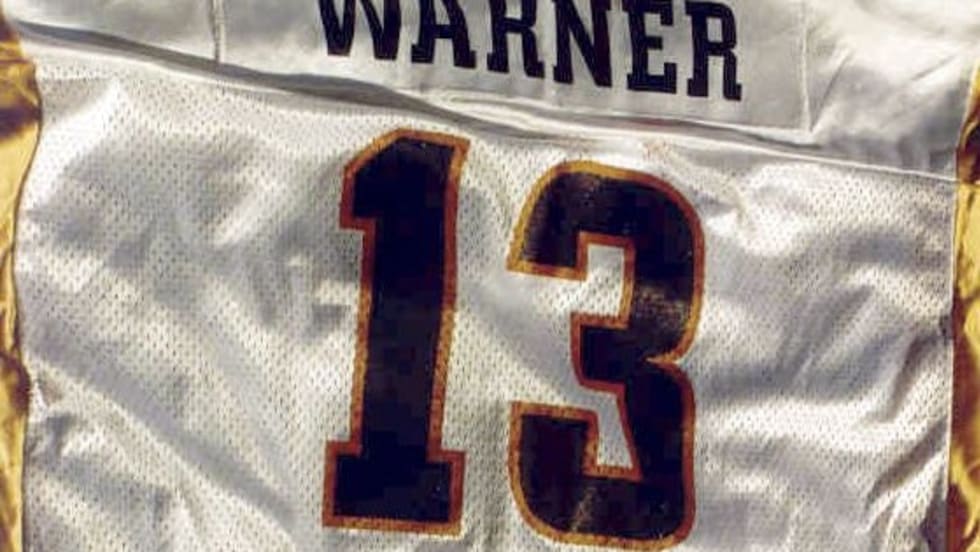
Professional and college teams' sportswear has become extremely popular with some gangs. Members wear sweatshirts or ballcaps to signify their gang. There are several reasons why gangs do this, and they're not all obvious.
Read More →Plans to give British police the power to retain fingerprints and other samples from arrested suspects have been protested by both lawyers and human rights activists.
Read More →"Looking Beyond the License Plate" is a national award program that recognizes law enforcement officers whose observations of license plates lead to an arrest or the solving of a crime. The deadline for this year's entries is June 3, 2003.
Read More →Designed by a former police chief, the Hazardous Environment Remote-Controlled Barrier (HERB) minimizes high-risk contacts at DWI checkpoints and roadblocks. The HERB can be used at bomb threat incidents, accidents, government buildings, crime scenes—virtually anywhere safe, manned, or unmanned traffic control is required.
Read More →