
Police Magazine

 MENU
MENU SEARCHMENUSEARCH
Loading data...

This four-day course, which was developed by female LEOs, provides female officers the skills to confidently engage and thwart lethal, threatening situations.
Read More →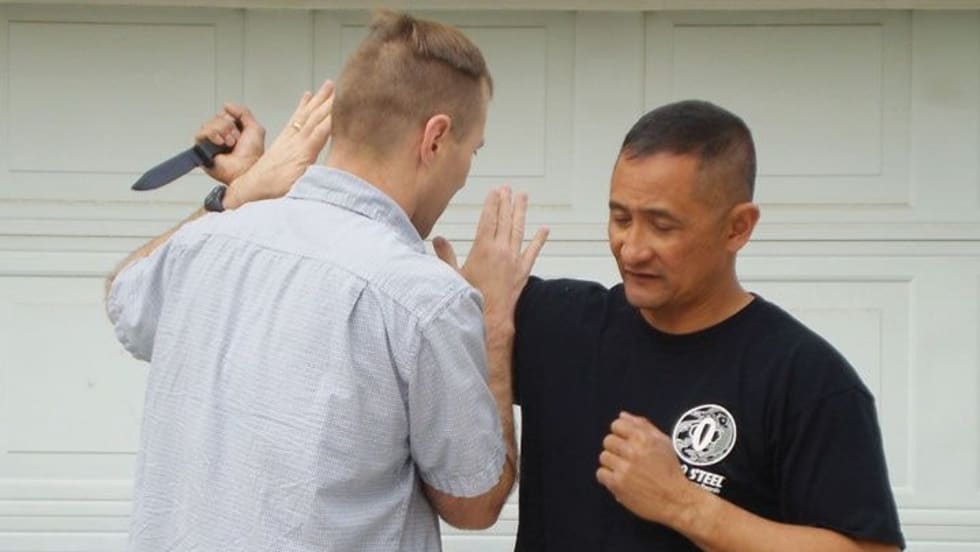

Immediately the suspect lunged to cover the 11 feet between himself and Officer Chambers, who didn't have a chance to draw his gun.
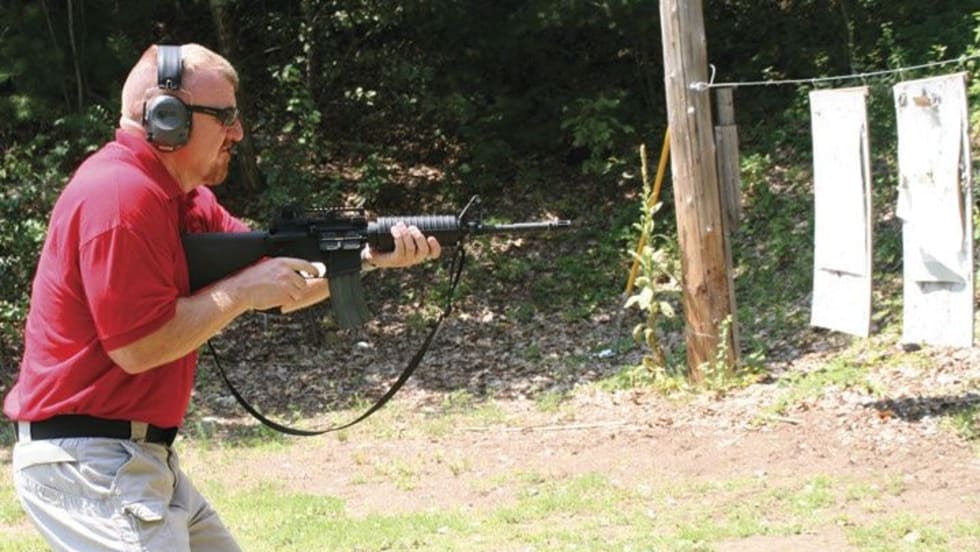
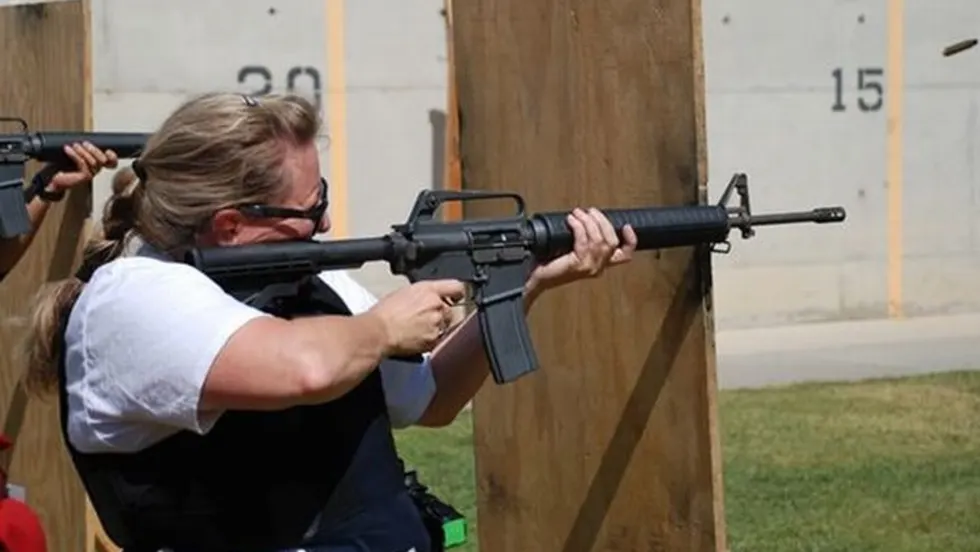
Read More →If you haven't trained to engage a suspect at less than 100 yards with your patrol rifle, start now.
Read More →Loaded with a variety of new classes to help you stay prepared and protected out in the field, the 2010 POLICE-TREXPO West "Defensive Tactics Track" will provide you with excellent training and techniques. Take a look at the valuable defensive tactics courses that will be offered in Long Beach, Calif., March 29-April 1, 2010.
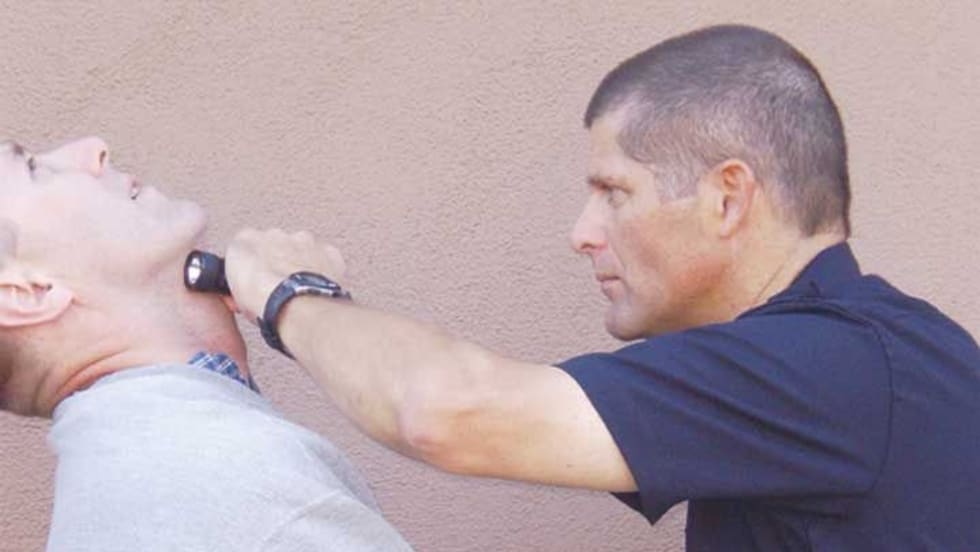
Read More →When you're involved in a life-and-death battle where someone is grabbing your gun, anything in your hand can be used as an equalizer to help you gain control of your gun and gain control of the suspect by striking him in the face or head.
Read More →Handcuffing a suspect may only be one step toward gaining compliance. As this video from Black Tiger Tactical System states, "handcuffs on the suspect does not mean the fight is over."
Read More →SenseiNinja2 offers a pair of take-down tactics to get compliance from alcohol-fueled suspects. He advises, "try these so your subjects don't hurt themselves too badly while resisting arrest."
Read More →SenseiNinja2 offers two ways to assert yourself with the PR-24 side-handle baton to fend off an attacker. In the initial move, he advises that you "don't stand flat-footed; charge into it." Use the other hand to grab the suspect's hands or wrist immediately after the block to prevent them from using the back end of a weapon to attack you.
Read More →TREXPO East 2009 offered three days of classes covering topics ranging from knife defense to European tactical medicine techniques. Some of the best classes during this year's TREXPO East conference focused on terrorism and its effects on front line officers.
Read More →Sgt. Diana Drummey looks for other ways to resolve confrontations than getting physical, but will go there, if need be.
Read More →