
Police Magazine

 MENU
MENU SEARCHMENUSEARCH
Loading data...
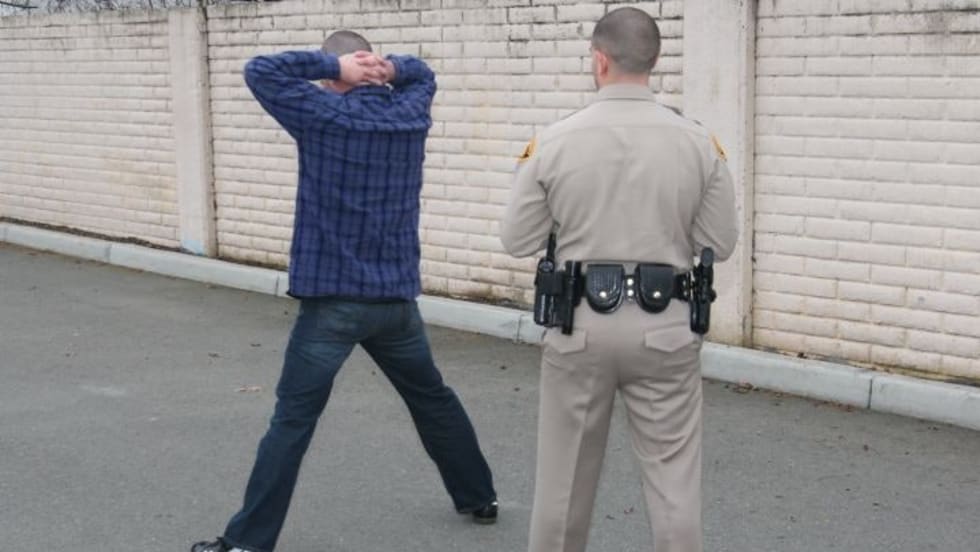
Searching people in a standing position is something deputies and officers do every day. As such, officer safety is a primary concern. View this photo gallery for a step-by-step approach to help you safely conduct a pat-down or Terry search for weapons. Read the full article, "Safe Searching: The Standing Basic Search." Photos courtesy of Sgt. James Harbison.
Read More →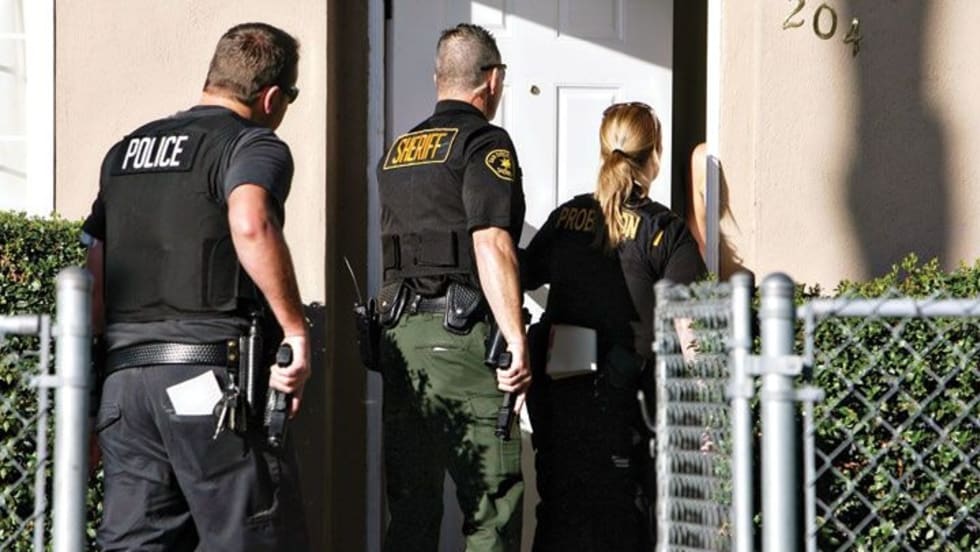
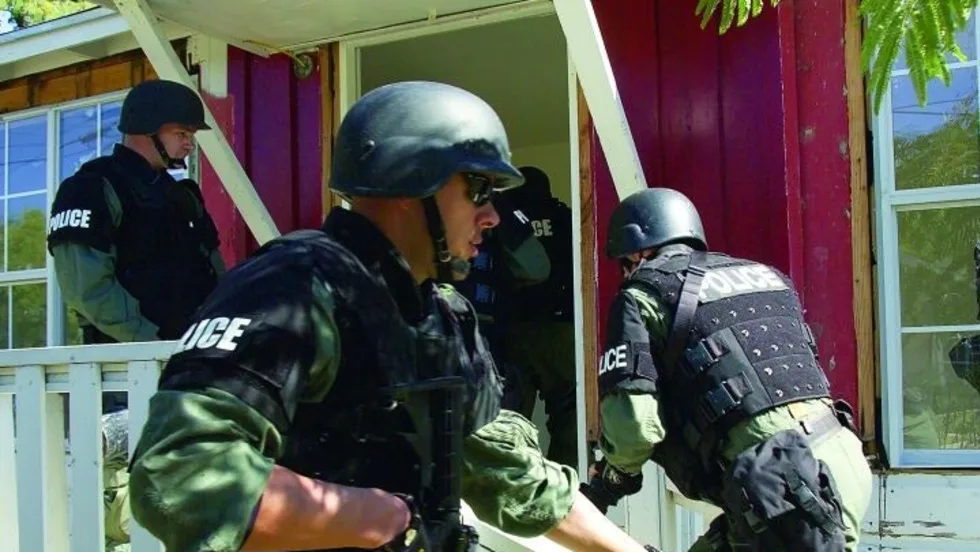


When you take down a drug house, or enter a home to investigate domestic violence, or serve a search warrant at a residence, which of the multiple people that you sometimes encounter would have the legal standing to challenge the lawfulness of your entry and search?
Read More →Incidents like the Todd Blair shooting put pressure on judges to deny requests for no-knock warrants. Don't ask for a no-knock warrant unless it really is necessary.
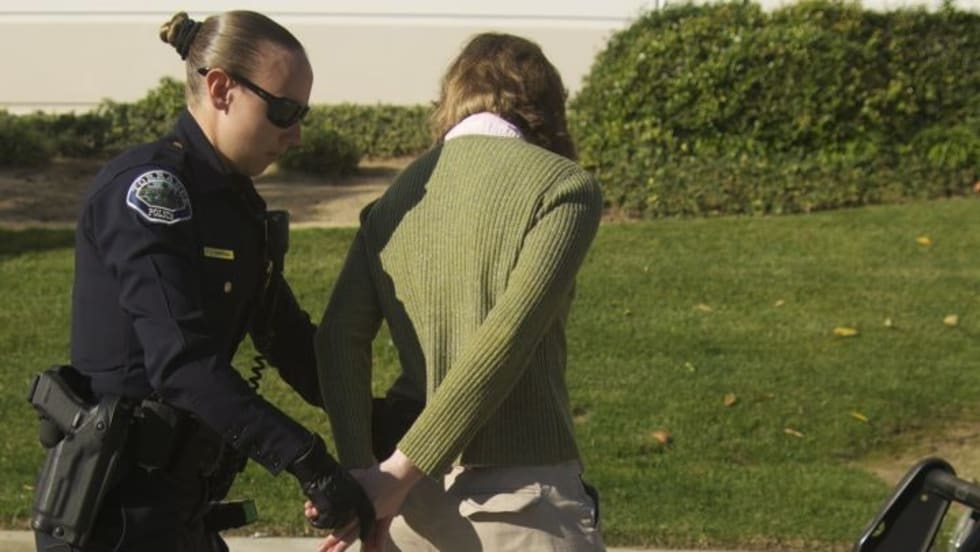
Read More →Female searches can be problematic for cops of both genders. Male officers are hamstrung by an inability to conduct such pat-downs, and female officers by their male counterparts' need to bring them to the scene to do the job.
Read More →An officer was conducting a pat-down search of a male in a group of two males and two females. The man got nervous, went to the ground, then got up, pulled out a gun and shot twice at the officer. Neither bullet hit the officer, although one struck his car. The officer did not return fire.
Read More →POLICE SWAT expert and retired LEO Bob O'Brien tells you seven tales from his experiences to teach about the danger of missing a hidden suspect during a search.
Read More →The officer, who works for the Niagara Frontier Transportation Authority, acknowledged the thefts after the airport implemented a new inventory system and supervisors noticed the missing items.
Read More →In the past, the high court has said officers need a search warrant to enter a home, but during arguments in a drug case, the court's conservatives said they favored relaxing that rule when police say they have a need to act fast.
Read More →The majority of justices, in their ruling, agreed that the cell phone was a personal item of Diaz's at the time of his arrest and during administrative processing at the station.
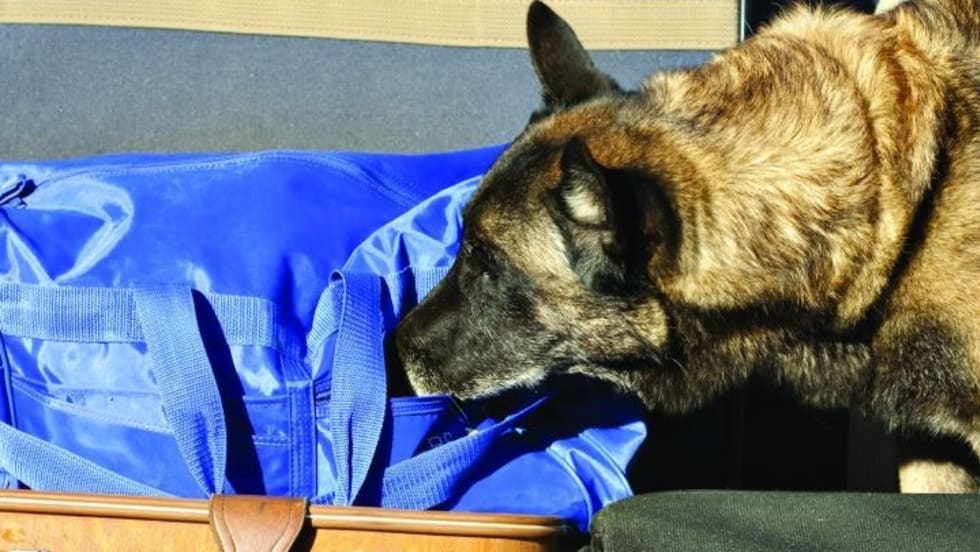
Read More →In the usual case, both the seizure and the search must be reasonable under the Fourth Amendment in order for the evidence to be admissible. The U.S. Supreme Court and federal appeals courts have considered both issues when officers have used K-9s to detect contraband.
Read More →