
Police Magazine

 MENU
MENU SEARCHMENUSEARCH
Loading data...

A 13-year-old Florida boy faces murder charges as an adult in a case that could provide another test of sentencing rules for juveniles. Cristian Fernandez has been accused of murdering his 2-year-old half-brother and sexually abusing his 5-year-old half-brother.
Read More →


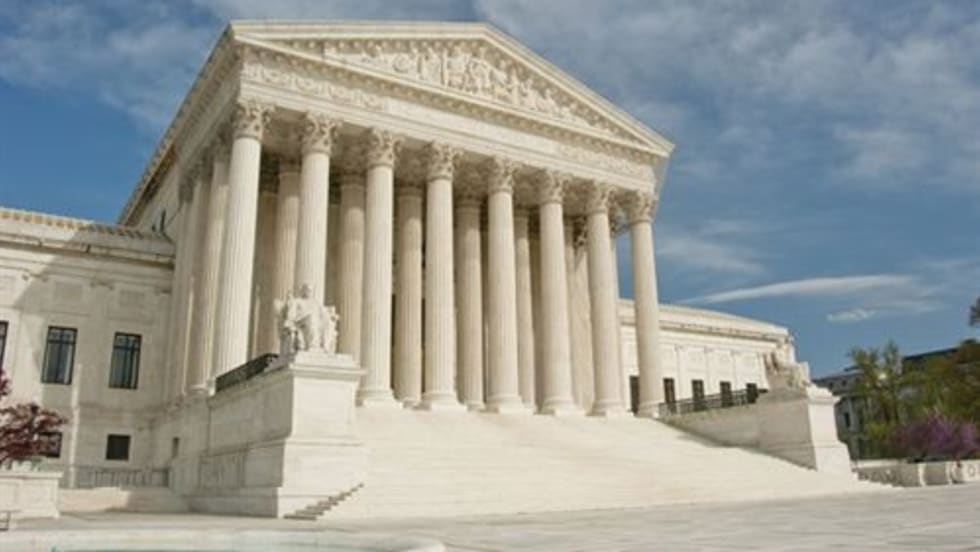
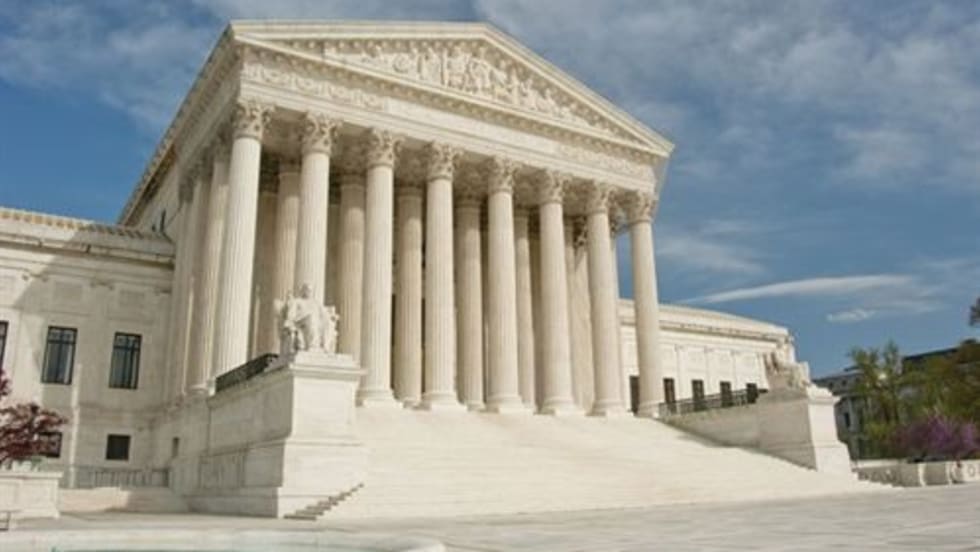

It sometimes happens that a suspect's lawyer offers to surrender him for arrest and agrees to let his or her client be questioned, provided the lawyer is present during the interrogation.
Read More →Under what circumstances is it permissible to inquire into a person's immigration status? The Supreme Court has addressed this question in several opinions, most recently in its 2012 decision reviewing Arizona's immigration statutes.
Read More →If you articulate circumstances that are suspicious, based on your training and experience, you should not be second-guessed by judges on the ground that the conduct you considered was just a combination of innocent acts.
Read More →The U.S. Supreme Court has ruled that law enforcement personnel must obtain a search warrant prior to installing a GPS unit or similar tracking device on a vehicle. Let's review the exceptions to this ruling.
Read More →The U.S. Supreme Court gave ammunition to supporters and detractors of Arizona's tough immigration law, which was left partially in tact by a ruling that's not likely to be the final word on the subject.
Read More →The Supreme Court ruled on Monday that states may not impose mandatory life sentences without parole on juveniles, even if they have been convicted of taking part in a murder.
Read More →The U.S. Supreme Court on Thursday ruled that two Chicago drug dealers should have been sentenced under a 2010 law that reduced the disparity of sentencing for crack and powder cocaine.
Read More →The U.S. Supreme Court could rule as early as Monday on the future of Arizona's controversial immigration law Senate Bill 1070, and Gov. Jan Brewer wants to make sure law enforcement is ready.
Read More →Identifying the perpetrator and clearing innocent suspects are crucial goals of every criminal investigation, and both depend on the use of reliable evidence. The Supreme Court has applied a constitutional due process test to the admissibility of testimony about an eyewitness's pretrial ID.
Read More →