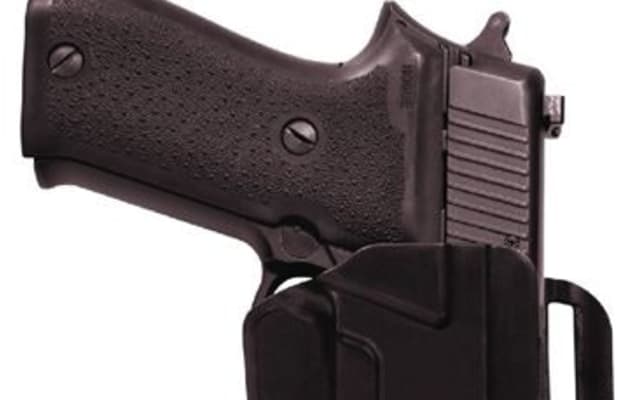
When asked to demonstrate weapon retention, most officers place both hands on their holstered handgun and move their hips violently from side to side. This is a good technique. Here are three additional techniques that can help you keep your duty weapon out of the hands of the bad guy. For the full story, read "Stopping Gun Grabs."

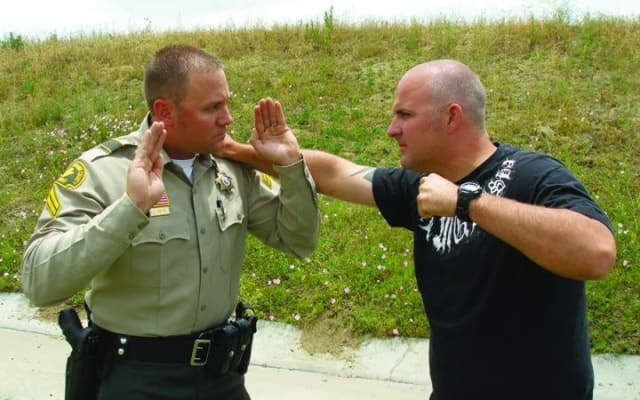
There are arguments for and against law enforcement officers using closed-hand punches. It can be better to avoid hitting a suspect with your bare knuckles so you don't injure your hands so you can't pull a trigger, hold a baton or continue striking with a broken hand. Here are four safer strikes—palm strike, bottom fist strike, knee strike and elbow strike—when dealing with a violent suspect. Our related article, "Safer Strikes," explains how to avoid bloodborne pathogens.
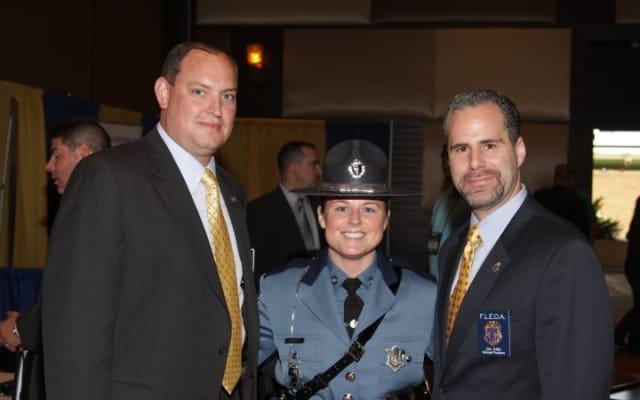
The Federal Law Enforcement Officers Association (FLEOA) recently held its 2010 national conference in Henderson, Nev. FLEOA is a volunteer organization that provides legal assistance and representation for its members. Federal officers do not have union support like municipal, county, and state law enforcement officers, so FLEOA fills this need for its members and advocates for legislation important to them. In fact, FLEOA's unified voice led to the Special Agent Samuel Hicks Families of Fallen Heroes Act being signed into law on June 1, 2010 (P.L. 111-178). These photos show some of the highlights of the FLEOA conference.
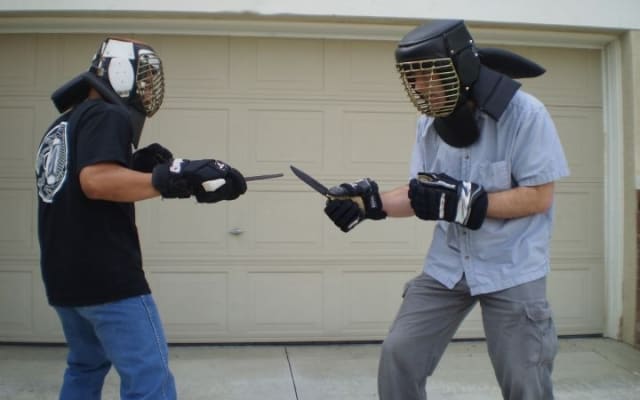
Knowing how to effectively respond to an unexpected knife attack is a crucial officer-safety concern. If a suspect is further than 21 feet, you may be able to fire one or two shots, though you'll want to rotate off line to try to get out of the path of the incoming knife. To survive a deadly knife threat, know your tactics, study concealment, realize capabilities, learn knife fighting and develop basic knife defenses. Photos and captions by Al Abidin.
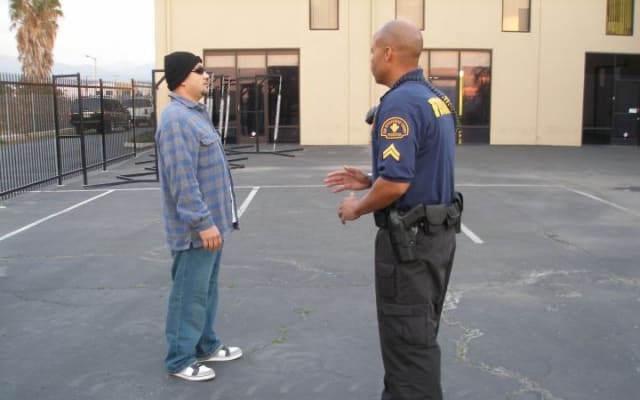
From basic training to field training, officers are told, "Watch the suspect's hands." But you are not taught how to do it. Why haven't law enforcement trainers developed an easily understandable method to teach you the specifics of hand-movement awareness? Mike "Ziggy" Siegfried explains how, and shows three scenarios – reaching for a gun, reaching for a knife, and reaching for a wallet to show ID. Also, please view "How to Watch the Hands" for an in-depth article on this topic.
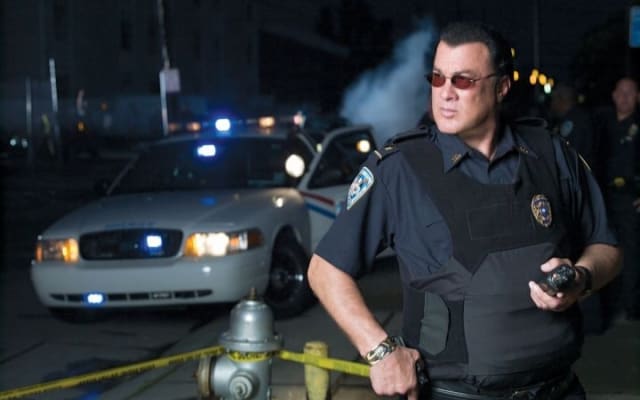
In his movies, Steven Seagal usually plays a special agent or cop with martial-arts skills who, when pushed to the edge by baddies, responds with deadly force. Turns out, Seagal knows more about law enforcement that we thought. For the past two decades, he's been working as a fully commissioned deputy with the Jefferson Parish (La.) Sheriff's Office. Here are a few images from his new police reality show, "Steven Seagal: Lawman," which debuts Dec. 2 on A&E. Images courtesy of A&E.
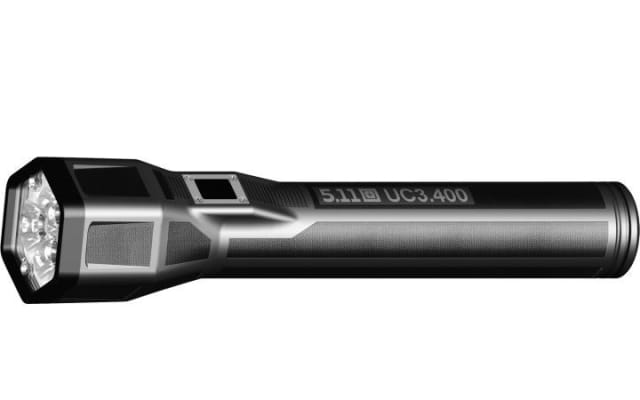
A good duty light should be easily carried on a duty belt, provide adequate illumination up to 50 yards away, and be long enough that it protrudes from both sides of a fist so the light can act as a last-ditch impact weapon. The light should also be able to be used in conjunction with a sidearm in the Harries or Rogers technique. Xenon bulbs put out a tight beam and mega amounts of lumens; but they eat batteries and the lamp assemblies are expensive when you need a new bulb. LEDs, on the other hand, are rapidly approaching the light output of xenon at 50 yards or so. These models became available in 2009.
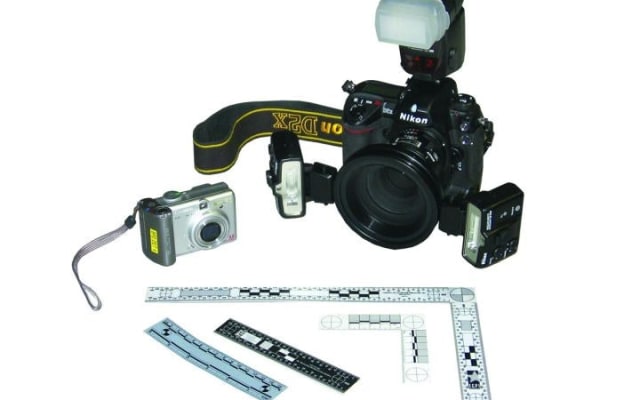
Good photographs documenting physical injuries start even before the camera is out of the bag, because you need to have the proper mindset. These photos aren't just for police departments. They'll be viewed by the prosecutor, defense attorney, judge and, most importantly, the jury will scrutinize your work. Good composition, proper exposure and attention to detail speak volumes about your skill and dedication. Sloppy, out-of-focus images give the impression of incompetence.
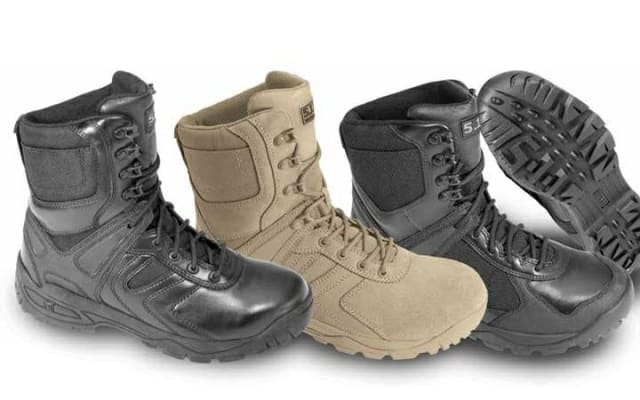
You might not be Cinderella or even Prince Charming, but you deserve a pair of boots that meets your finicky standards. Good looks are only part of the criteria that need to be met. Your boots should provide proper fit, comfort, and durability, in addition to any other personal preferences. New footwear styles for patrol include such features as side zippers, new waterproofing technologies, and improved shock absorption, not to mention good-looking designs.
With all of the duty holsters available today, it's amazing to think the only option for police officers used to be black leather. Now there's also laminate, nylon, and all manner of synthetics. For finish there's basketweave, plain, or high gloss. Not to mention increasingly innovative retention devices in holsters from level 1 to 3. Here's a selection of holsters for duty carry encompassing all of these variations.
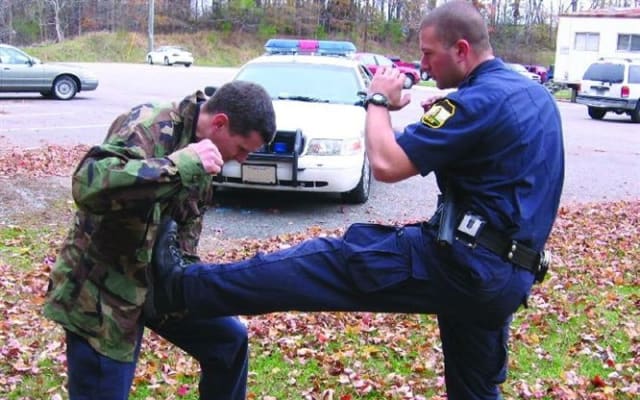
A swift kick can do wonders in a violent confrontation, but you have to know how to deliver it. Law enforcement agencies equip and train officers with pistols, rifles, shotguns, batons, OC, TASERs, canines, horses, basllistic shields, battering rams, emplty hand self defense, and countless other potentially dangerous law enforcement tools, but may be hesistant when an officer properly and justifiably uses kicks for self-defense or to subdue a suspect. The U.S. Supreme Court held in Graham v. Connor that the reasonableness of an officer's actions must be judged by the circumstances at the time the force is used. It did not restrict of limit the tactics that an officer can employ.