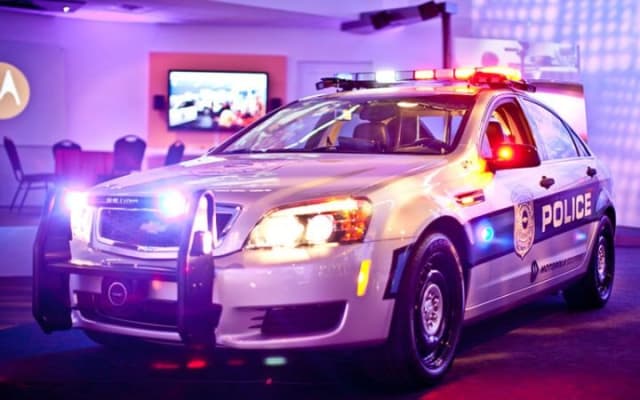
Motorola Solutions unveiled its concept of a next-generation patrol vehicle at a July press event that brings many new communications capabilities to field officers. Motorola's Chevy Caprice includes an LTE broadband modem, steering wheel controls for radio communication, and voice-command technology. Video processing technology optimizes in-car video streaming into and out of the vehicle.

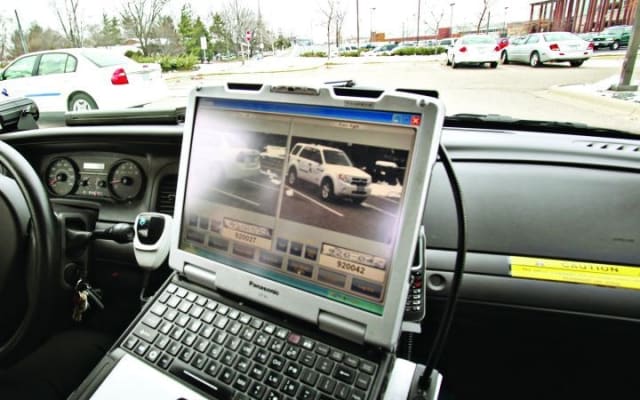
The current generation of Automated License Plate Recognition (ALPR) technology provides officers greater detail and scanning capability to capture numbers, letters, symbols and logos on traditional, printed and affinity plates. View these photos of real-world examples of license plates captured by this technology. And read our full article, "New Developments In ALPR."
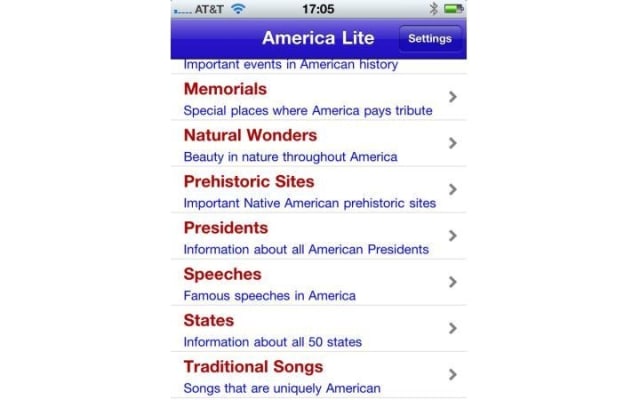
We've selected 22 of our top picks of smartphone apps for officers for this photo gallery to accompany our story, Smartphone Apps for Cops. View the app's User Interface to see how they would look on your smart phone, whether it's an Apple iPhone or Android device. Images courtesy of Tim Dees.
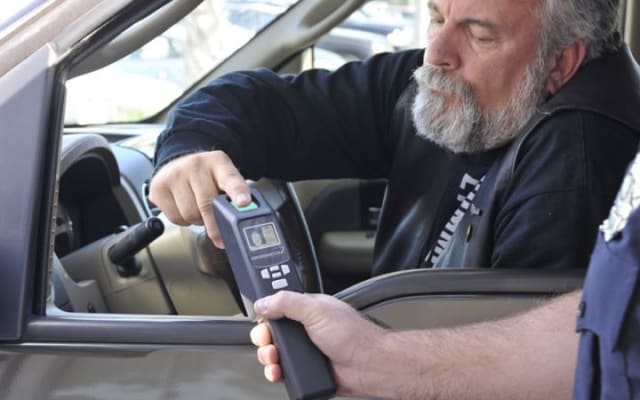
Each year at the annual conference of the International Association of Chiefs of Police (IACP), the leading manufacturers of law enforcement products roll out some of their most innovative offerings. The 2010 IACP show was no exception. Here's an overview of some of the most interesting products we saw at this year's IACP. For more coverage of the show, pick up our December issue.
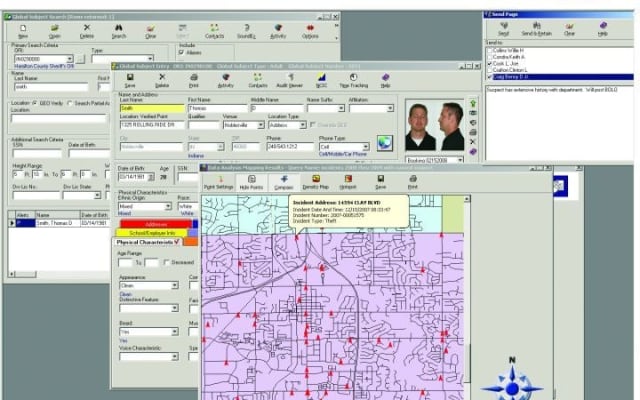
Now that computers have become commonplace in law enforcement vehicles, the depth and breadth of software for the police market has ballooned. A wide variety of enterprise and standalone products are now available to help officers identify threats, manage case information, administer and schedule personnel, and perform just about any other public safety duty.
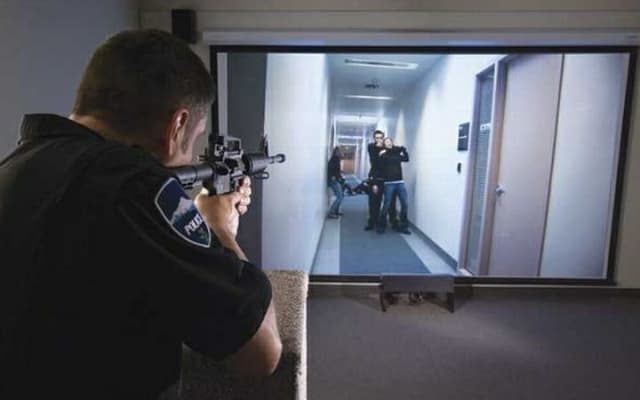
The first law enforcement simulators were 16 mm projectors that flickered their filmed images onto sheets strung across shooting ranges. When the bad guy went for his gun, the officer had to fire and then await the judgement of his trainer as to whether it was a good shoot. Today's simulators are high-tech computer systems with digital projectors that play complex interactive scenarios. They are designed not only to teach officers when and how to shoot guns and less-lethal weapons but also how to talk to suspects to avoid escalation and confrontation.
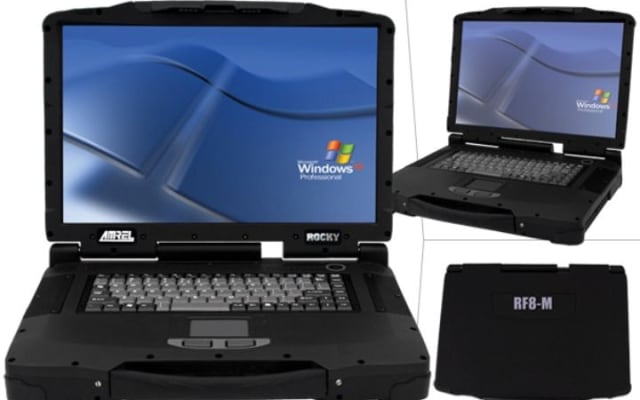
Each year, at the International Association of Chiefs of Police (IACP) Conference in the fall, computer manufacturers introduce their new ruggedized laptops designed for in-vehicle use by law enforcement officers and deputies. View a photo gallery of several of the models that arrived for 2009, such as the Amrel Rocky RT-M, Dell Latitude E6400 XFR, Getac V100, Itronix GD6000 and Panasonic Toughbook 30F.
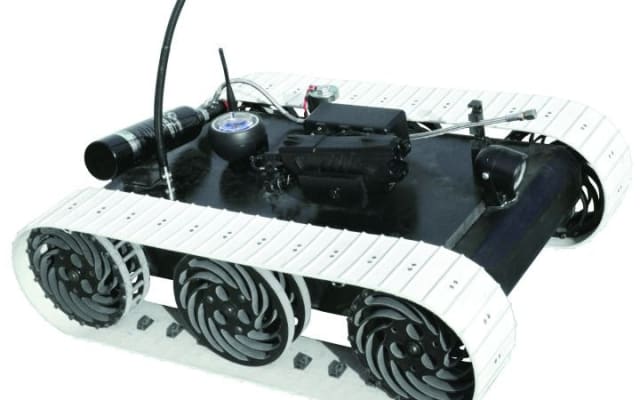
If you think robots are just for bomb disposal, think again. Police robots are often used to handle IEDs, but they can be used in other arenas that are inhospitable to humans. Robots can be used to reach a barricaded subject or hostages and carry information or evidence back out without sending an officer into the line of fire. They can also provide enhanced surveillance and deploy lethal or less-lethal weapons.
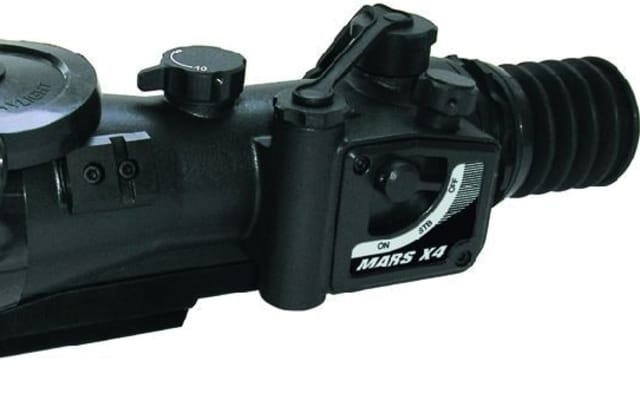
There was a time when night vision tools and thermal imaging cameras were so cutting edge and so expensive that only the military and the FBI had access to them. Today, this equipment is playing a greater role in local law enforcement operations. It's less expensive, though still not cheap, and it's much easier to use. Here's a quick look at some of the most innovative products now available in the night vision and thermal imaging market.