



Nationwide Independent Taser Study Results Suggest Devices are Safe
A nationwide study examining the safety of TASERs used by law enforcement agencies suggests the devices are safe, causing a low occurrence of serious injuries.

A nationwide study examining the safety of TASERs used by law enforcement agencies suggests the devices are safe, causing a low occurrence of serious injuries.
"This study is the first large, independent study of injuries associated with TASERs. It is the first injury epidemiology study to review every TASER deployment and to reliably assess the overall risk and severity of injuries in real world conditions," said William Bozeman, M.D., the lead investigator and an emergency medicine specialist at Wake Forest University School of Medicine. "The injury rate is low and most injuries appear to be minor. These results support the safety of the devices."
Bozeman presented the study results at the American College of Emergency Physicians' Research Forum in Seattle, Wash., Oct. 8. In a review of nearly 1,000 cases, 99.7 percent of those subjected to a TASER had mild injuries, such as scrapes and bruises, or none at all. Only three subjects (0.3%) suffered injuries severe enough to need hospital admission. Two had head injuries suffered in falls after TASER use. A third subject was admitted to a hospital two days after arrest with a medical condition of unclear relationship to the TASER. Two subjects died, but autopsy reports indicate that neither death was related to the TASER. Earlier partial results involving 597 cases were published in the September issue of Annals of Emergency Medicine.
The independent prospective study was funded by the National Institute of Justice and included six law enforcement agencies across the United States. A tactical physician at each participating agency reviewed police and medical records after each successful application of a TASER. Injuries were identified and classified as mild, moderate, or severe and their relationship to the TASER was classified as direct, indirect, or uncertain.
TASERs are used by many police departments in the United States and are credited with decreasing police officer and suspect injuries and deaths due to police use of force. However, the devices have been surrounded with controversy.
"This is the largest independent study to date, and the first to detail the medical effects of TASERs under real-world conditions," said Bozeman. "With physician review of 100 percent of TASER uses, this study promises to give us the best information yet on the medical risks of these weapons."
Bozeman said results from previous studies were limited by the use of animal models and of healthy police volunteers in training settings, not criminal suspects in real-world conditions.
"The TASER is a weapon and it can clearly cause injuries and even deaths in some cases," Bozeman said. "The question is 'how likely is it to cause a significant injury' and whether that risk of injury outweighs the benefits it brings."
More Patrol

Team Wendy Introduces the EXFIL Endurance Ballistic Helmet, Engineered to Reduce the Burden of Extended Wear
Team Wendy has launched its EXFIL Endurance, a new lightweight ballistic helmet engineered to deliver protection, comfort, and fit during demanding, extended operations.
Read More →
The First Responders Children’s Foundation National First Responders Day Roll Call of Heroes Ceremony Returns to Times Square, NYC
First Responders Children’s Foundation (FRCF), in collaboration with T-Mobile, will host the Roll Call of Heroes ceremony in Times Square to commemorate National First Responders Day on Wednesday, Oct. 28. During the event, FRCF will present 18 Hero Awards.
Read More →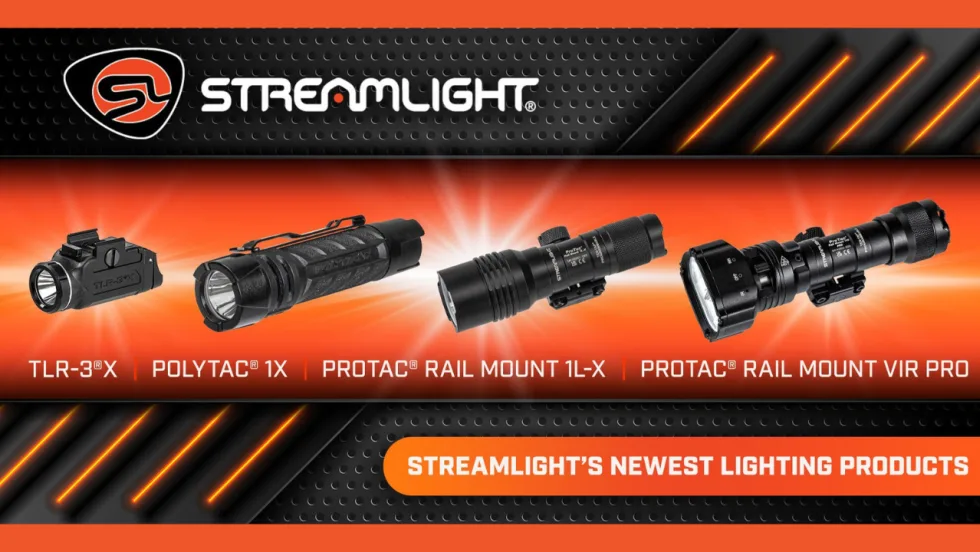
Streamlight to Showcase Newest Lighting Products for Law Enforcement Professionals at IACP 2026
Streamlight will showcase its newest lights for law enforcement at the International Association of Chiefs of Police Annual Conference & Expo. Featured lights will include the TLR-3 X, the PolyTac 1X, and more.
Read More →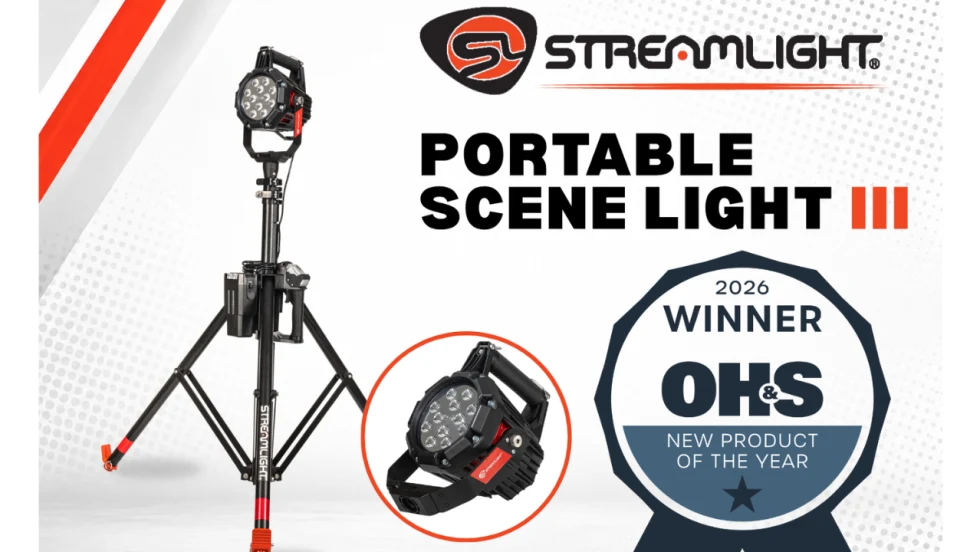
Streamlight Portable Scene Light III Wins 2026 OH&S New Product of the Year Award
Streamlight’s Portable Scene Light III has won the 2026 Occupational Health & Safety (OH&S) New Product of the Year Award in the Lighting category.
Read More →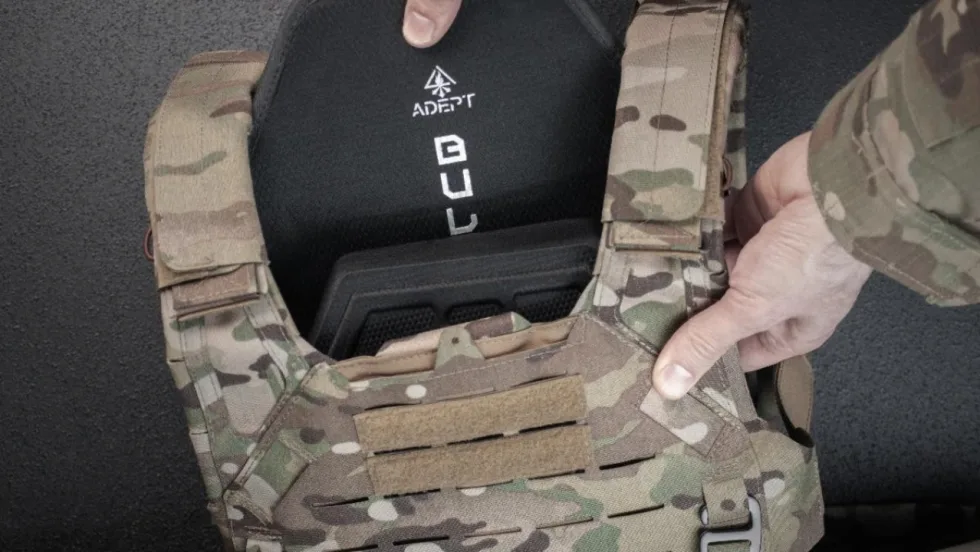
Adept Armor Introduces Two New Rifle Plates
Adept Armor has launched two new Level IV ballistic plates, the Emperor and the Archon Mark 2, which brings Adept Armor’s new Quatroid ceramic to the high-threat, performance-value center of the range at 5.2 pounds.
Read More →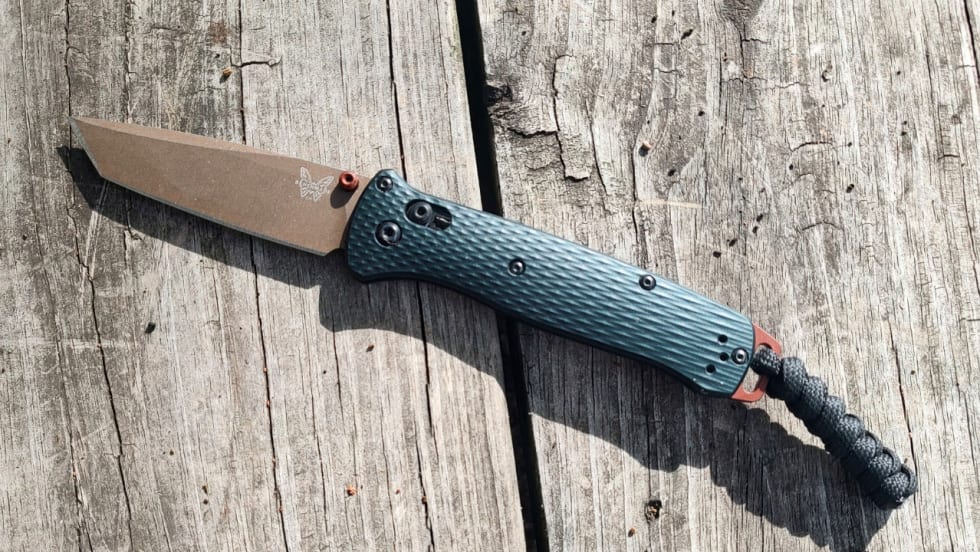
POLICE Product Test: Benchmade Bailout
The Benchmade Bailout is a slim, lightweight carry knife with a deep-ride pocket clip and comes in a variety of blade steels and scales. Here is a detailed review of the Taiga Green Bailout, released earlier this year.
Read More →
NLEOMF Announces July 2026 Officer of the Month
NLEOMF honored a Michigan deputy sheriff as the July 2026 Officer of the Month for rescuing a trapped driver from a burning vehicle following a Fourth of July crash.
Read More →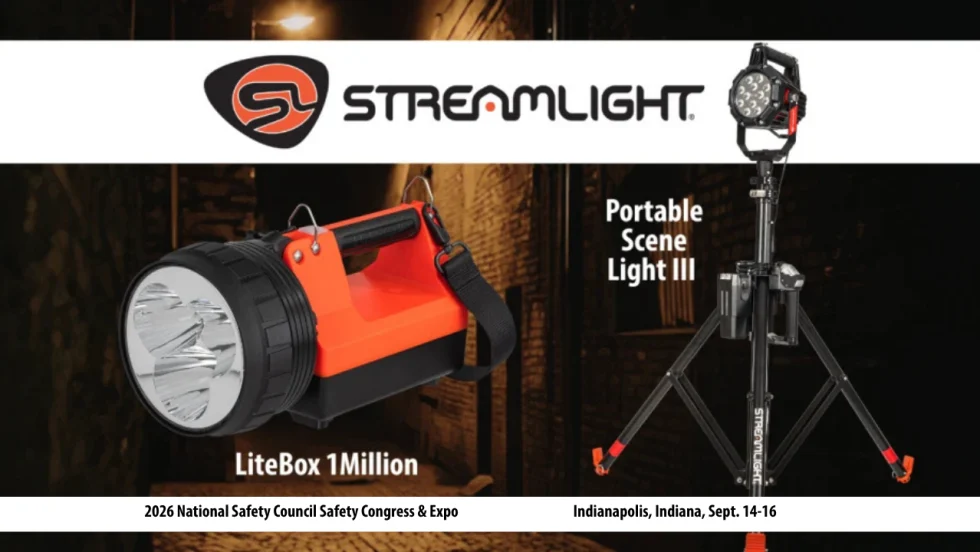
Streamlight to Showcase Newest Lighting Products at National Safety Council’s Safety Congress & Expo 2026
Streamlight will showcase its latest lights, including the Portable Scene Light III and the LiteBox 1Million, at the 2026 National Safety Council (NSC) Safety Congress & Expo.
Read More →
The 2027 World Police & Fire Games Set for Perth, Australia
The 2027 World Police & Fire Games (WPFG) will take place in Perth, Western Australia, from Friday, March 12 through Sunday, March 21, 2027.
Read More →
5.11 Partners with National Fallen Firefighters Foundation to Support #ForThe343
5.11 has joined the nationwide movement honoring the 343 New York City Fire Department firefighters lost on Sept. 11, 2001.
Read More →