



National Law Enforcement Museum Breaks Ground
Scheduled to open in late 2013, the 55,000-square-foot, mostly underground institution will offer high-tech interactive exhibitions, as well as a vast collection of law enforcement artifacts and dedicated spaces for research and education.

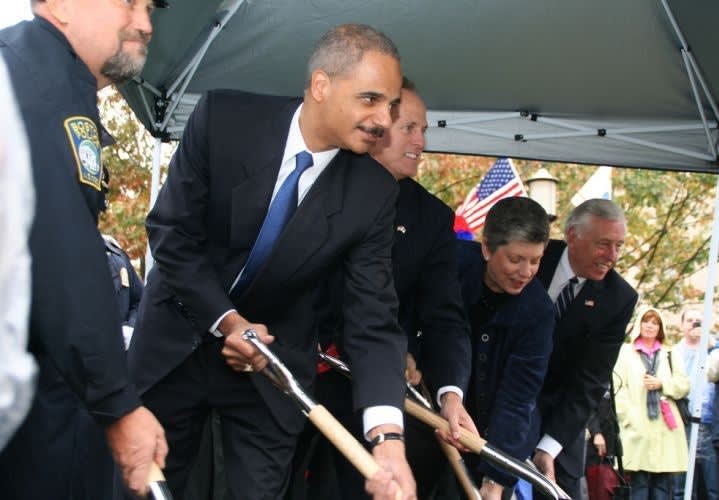
Dignitaries at the National LE Museum's ground-breaking included (l. to r.) Boston PD's Officer Thomas Griffiths, Attorney General Eric Holder, NLEOMF CEO Craig W. Floyd and Homeland Security Secretary Janet Napolitano. Photo via NLEOMF.
The National Law Enforcement Officers Memorial Fund (NLEOMF) began the process of building the National Law Enforcement Museum in D.C., a moment symbolized in a Thursday ground-breaking ceremony.
Scheduled to open in late 2013, the 55,000-square-foot, mostly underground institution will offer high-tech interactive exhibitions, as well as a vast collection of law enforcement artifacts and dedicated spaces for research and education.
"Today marks a major milestone for this important institution," said Craig W. Floyd, NLEOMF's chairman and CEO. "With this ground-breaking, we are taking a historic step in realizing our mission to tell the story of American law enforcement through exhibits, collections, research, and education."
Thursday's ceremony took place at the future site of the museum in the 400 block of E Street NW, across the street from the existing National Law Enforcement Officers Memorial in Judiciary Square — the seat of the nation's criminal justice system. The ceremony marked the official start of construction of the museum 10 years after Congress authorized the project.
Among the dignitaries in attendance at the ceremony were U.S. Attorney General Eric Holder, who stressed the recognition the museum will give to law enforcement officers across the nation and throughout history. U.S. Department of Homeland Security (DHS) Secretary Janet Napolitano also appeared, along with hundreds of other law enforcement, corporate and government leaders, surviving family members of officers killed in the line of duty, and citizen supporters.
"We recognize that public safety is a partnership between law enforcement and the citizens they serve," Floyd added. "This museum will strengthen that partnership by helping people to better understand and appreciate the value of policing in America … Today, we bring our remarkable vision an important step closer to reality."
Other speakers at the groundbreaking ceremony included Linda Moon Gregory, national president of the Concerns of Police Survivors (COPS); Harry Phillips, the executive director of the Police Unity Tour, which has raised $5 million for the museum; and Boston PD's Officer Thomas Griffiths, who joined the ranks of law enforcement after his brother, Sherman, was killed in the line of duty.
"Law enforcement officers from across the nation have joined the Police Unity Tour to help bring the National Law Enforcement Museum to fruition," said Phillips. "The museum will recognize all law enforcement officers who have died in the line of duty, and it will chronicle the stories of officers who have served in an effort to help our citizens gain valuable insight into the work that we do."
Among the highlights of the museum's planned exhibits are an interactive 911 emergency center and Al Capone's bullet-resistant vest.
One of the key artifacts to be displayed in the museum is U.S. Park Police helicopter, "Eagle One." The aircraft was used in the law enforcement response to the Air Florida Flight 90 crash into the 14th Street Bridge on Jan. 13, 1982.
"I am grateful that the National Law Enforcement Museum will preserve the incredible story of law enforcement's response to the Air Florida crash for future generations," according to San Antonio Police Chief William P. McManus, who was a patrol sergeant for the Metropolitan (D.C.) PD at the time.
Visitor experiences will include assuming the role of a police dispatcher in the Motorola 911 Emergency Call Center; making split-second, life-or-death decisions posed by the use-of-force judgment simulator; solving crimes in the museum's Target Forensics Lab.
Other major exhibitions will focus on the history of law enforcement, corrections, tools of the trade, and a fascinating look at a day in the life of an officer. The "Reel to Real" exhibit will give visitors the opportunity to compare real-life law enforcement with depictions in movies and on television.
The museum will also offer a wide range of educational programs for school-age children, families, adults, and law enforcement professionals.
In the museum's Hall of Remembrance, visitors will learn the inspirational stories of the nearly 19,000 fallen heroes whose names are engraved on the National Law Enforcement Officers Memorial. A changing exhibition gallery sponsored by DuPont will focus on topical issues and delve deeper into some of the milestone moments of law enforcement's past.
One of the most comprehensive collections of law enforcement artifacts found anywhere in the world will be used by the museum for its exhibitions, educational programs, and research activities.
The museum's collection already comprises more than 14,000 objects, including a sheriff's writ from 1703, the earliest object in the collection; artifacts associated with infamous crimes, such as the Lindbergh baby kidnapping case, and infamous criminals such as gangster Al Capone; handcuffs, nightsticks, and other tools of the trade dating back to the 1850s; and pop culture items, such as the RoboCop movie costume and one of Jack Bauer's sweatshirts from the television show, "24."
The museum has also been designated as the official repository for oral history transcripts from members of the Society of Former Special Agents of the FBI and, earlier this year, the museum acquired the J. Edgar Hoover estate, which includes thousands of personal and professional objects belonging to the man who essentially created the modern FBI.
The museum will also feature material from the memorial fund's files on the nearly 19,000 federal, state, and local law enforcement officers in the U.S. who have died in the line of duty since the first recorded officer death in 1792.
The museum is being designed by Davis Buckley Architects and Planners, the D.C. firm that created the National Law Enforcement Officers Memorial, which was dedicated in 1991.
Funds for the construction and development of the Museum, which was authorized by a public law enacted in 2000 and authored by U.S. Sen. Ben Nighthorse Campbell, a former deputy sheriff, are being raised privately by the memorial fund.
The museum will cost approximately $80 million. To date, law enforcement organizations, corporations, foundations, and individuals from across the country have donated more than $40 million toward that goal. The District of Columbia has also authorized up to $60 million in industrial revenue bonds to help with financing, and providing a 20-year sales tax credit for the museum worth up to $10 million.
Donations of $1 million or more have come from Motorola, DuPont, Target, the Verizon Foundation, Mag-Lite, Advanced Interactive Systems, Panasonic Solutions Company, the California Correctional Peace Officers Association, and the Police Unity Tour, whose $5 million donation is the single largest to date.
The campaign is being spearheaded by former Presidents George H.W. Bush and Bill Clinton, who serve as co-chairs of the museum's National Honorary Campaign Committee, which also includes seven former U.S. Attorneys General.
More Patrol
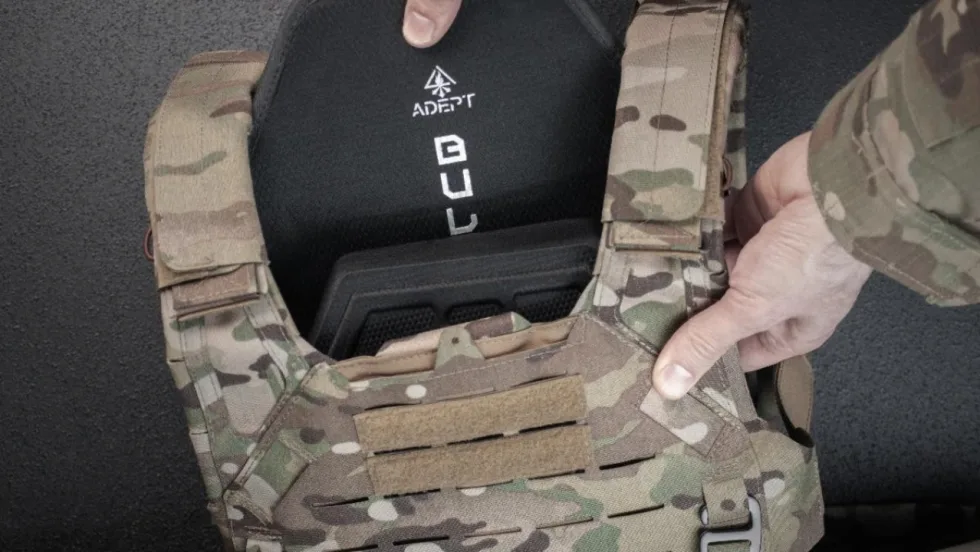
Adept Armor Introduces Two New Rifle Plates
Adept Armor has launched two new Level IV ballistic plates, the Emperor and the Archon Mark 2, which brings Adept Armor’s new Quatroid ceramic to the high-threat, performance-value center of the range at 5.2 pounds.
Read More →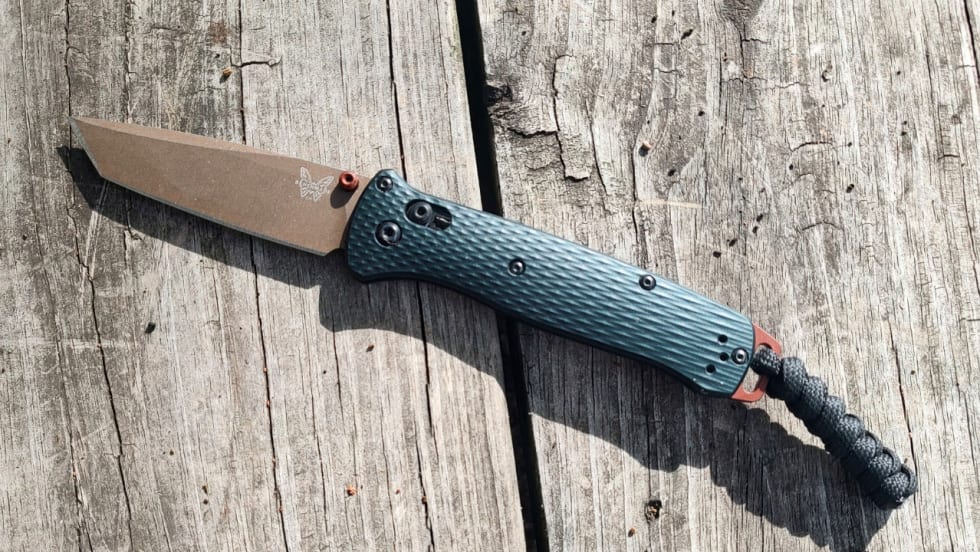
POLICE Product Test: Benchmade Bailout
The Benchmade Bailout is a slim, lightweight carry knife with a deep-ride pocket clip and comes in a variety of blade steels and scales. Here is a detailed review of the Taiga Green Bailout, released earlier this year.
Read More →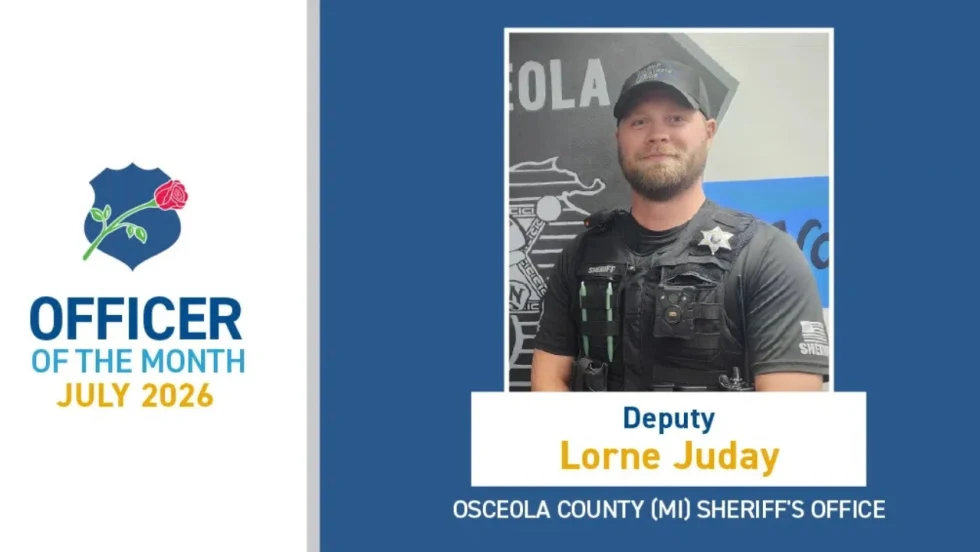
NLEOMF Announces July 2026 Officer of the Month
NLEOMF honored a Michigan deputy sheriff as the July 2026 Officer of the Month for rescuing a trapped driver from a burning vehicle following a Fourth of July crash.
Read More →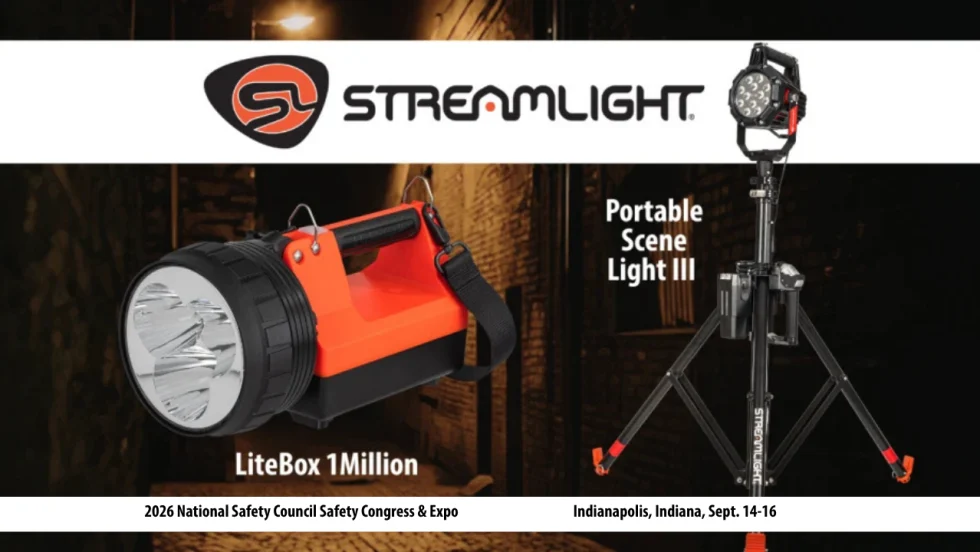
Streamlight to Showcase Newest Lighting Products at National Safety Council’s Safety Congress & Expo 2026
Streamlight will showcase its latest lights, including the Portable Scene Light III and the LiteBox 1Million, at the 2026 National Safety Council (NSC) Safety Congress & Expo.
Read More →
The 2027 World Police & Fire Games Set for Perth, Australia
The 2027 World Police & Fire Games (WPFG) will take place in Perth, Western Australia, from Friday, March 12 through Sunday, March 21, 2027.
Read More →
5.11 Partners with National Fallen Firefighters Foundation to Support #ForThe343
5.11 has joined the nationwide movement honoring the 343 New York City Fire Department firefighters lost on Sept. 11, 2001.
Read More →
Team Wendy Announces Title Sponsorship of the Jorge Pastore Foundation
Team Wendy’s 3-year partnership with the Jorge Pastore Foundation expands access to programs that strengthen those who serve.
Read More →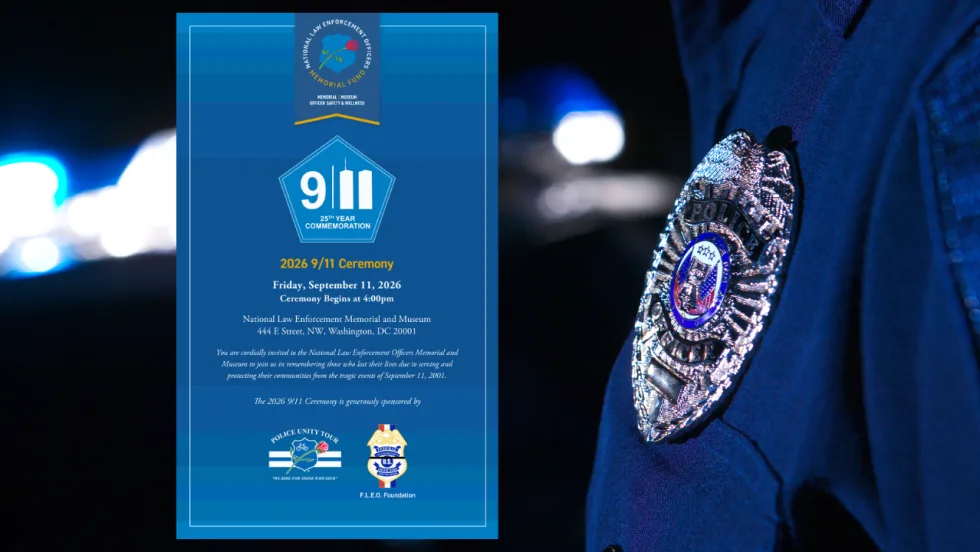
National Law Enforcement Memorial and Museum Hosting 9/11 25th-Year Commemoration Ceremony
The National Law Enforcement Memorial and Museum is hosting a 9/11 25th Year Commemoration Ceremony on Sept. 11 at 4 p.m.
Read More →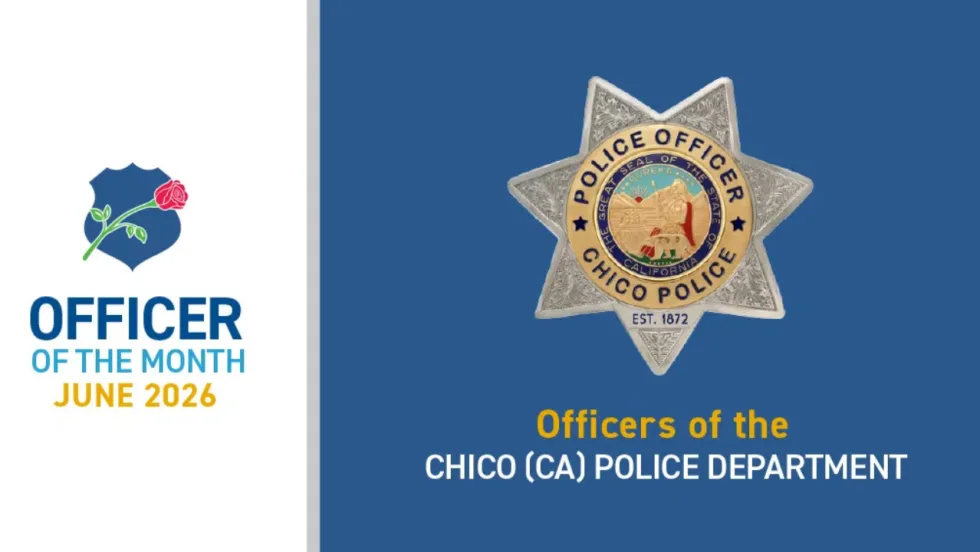
National Law Enforcement Officers Memorial Fund Announces June 2026 Officers of the Month
The National Law Enforcement Officers Memorial Fund (NLEOMF) named 15 officers of the Chico Police Department (California) as the Officers of the Month for June 2026 for their roles in responding to an active-shooter incident at a public library.
Read More →
Team Wendy App Creates New Digital Hub for Helmet Owners
The Team Wendy Community App provides one location for warranty registration, size-fit tools, product updates, and community connection. For helmet owners, the new app creates a simpler path to the information and tools that matter most.
Read More →