



Axon to Partner with Washington State University for Police-Community Interactions Research
At the annual Axon Accelerate User Conference, Axon and Washington State University (WSU) announced their intent to form a strategic partnership for further research that may improve law enforcement training and police-community relations.


At the annual Axon Accelerate User Conference, Axon and Washington State University (WSU) announced their intent to form a strategic partnership for further research that may improve law enforcement training and police-community relations. In a set of landmark studies published in 2017, researchers at WSU's new Complex Social Interaction (CSI) laboratory have analyzed body-worn camera footage to gain a more thorough and complete understanding of police use of force and police-community interaction.
To aid the CSI team in their ongoing research, Axon will provide the researchers with body-worn cameras and access to its digital evidence management solution, Evidence.com, free of charge. The donated technology will allow researchers to generate their own research footage via cadets enrolled in WSU's Police Corps program and analyze it along with other data that local agencies choose to share with them. This partnership will provide them with the necessary tools and information for WSU to develop new algorithms for understanding use of force videos.
While statistics relating to police use of force have long been collected and made available to the public, the information provided by those statistics has been limited, indicating only whether use of force occurred and the type of force used. Led by Dr. David Makin, assistant professor of Criminal Justice and Criminology at WSU, the CSI lab uses advanced scientific tools and techniques such as data analytics, biometrics and machine learning to examine the complex factors that shape interactions between police and community members. By examining data from body-worn cameras, the team can contextualize use of force, such as how quickly it occurs, the severity and duration.
By working with local law enforcement agencies, CSI researchers have demonstrated the type of insights that can be derived when body-worn camera footage is sequenced and subjected to these analyses. This represents a promising first step toward fully leveraging body-worn camera (BWC) technology, not only for improved safety and accountability, but also for actionable insights about the nature of police work. Thanks to its partnership with Axon, the CSI lab will undertake a range of experiments that explore the situational and dynamic factors associated with police decision-making and the efficacy of police training. In the future, this research may help public safety agencies identify areas for improvement in their training, policies and protocols and ultimately improve police-community relations.
"The research that David Makin and his team are doing at WSU is groundbreaking," said Axon CEO and founder Rick Smith. "We believe that it represents another exciting avenue for body-worn camera usage, potentially leading to the development of tools that will make BWC footage more useful for training and for understanding patterns of behavior. Our core mission is to protect life, which means protecting officers and citizens alike, so we're thrilled to support researchers like those at CSI who obviously share that mission," Smith said.
"This cutting-edge research and technology will have real-world applications for improving organizations and decision-making at the individual level," Makin said. "Our goal is to help public safety agencies improve police-community relations, reduce conflict, cost and liability, and enhance the health and well-being of law officers and their communities."
"This is an excellent example of a win-win public-private partnership with the potential to generate cost savings for police departments and bring new products to the market," added Brian Kraft, director of Business Development for WSU's College of Arts and Sciences and director of Innovation and Industrial Research Engagement for the Office of Research.
Bryce J. Dietrich, assistant professor of Social Science Informatics at the University of Iowa, commented further on the partnership saying, "As one of the most recent hires of the Iowa Informatics Initiative, I am excited to work with Axon and the rest of the CSI team at Washington State University to help better understand how data from body-worn cameras can be used to improve officer and public safety."
For more information about Axon, visit https://www.axon.com/.
More Patrol

Streamlight Portable Scene Light III Wins 2026 OH&S New Product of the Year Award
Streamlight’s Portable Scene Light III has won the 2026 Occupational Health & Safety (OH&S) New Product of the Year Award in the Lighting category.
Read More →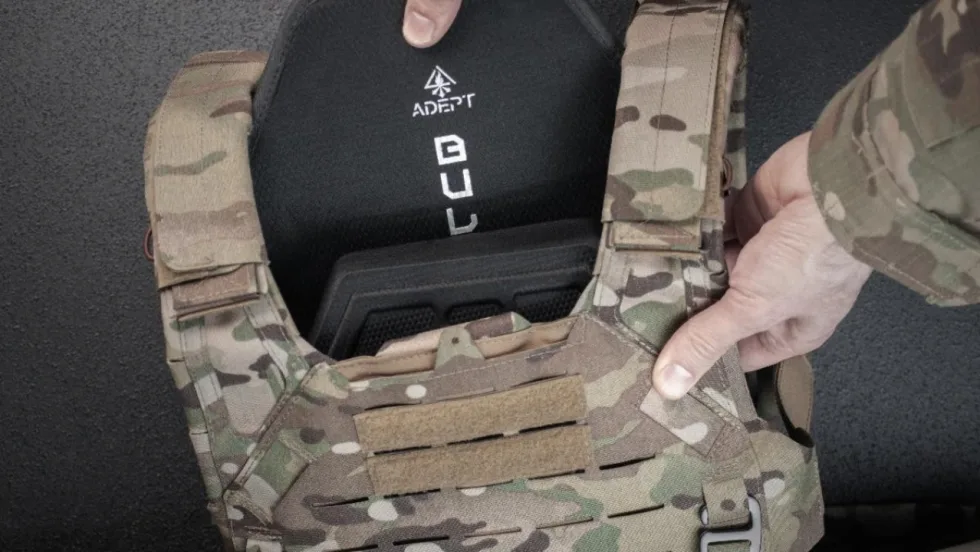
Adept Armor Introduces Two New Rifle Plates
Adept Armor has launched two new Level IV ballistic plates, the Emperor and the Archon Mark 2, which brings Adept Armor’s new Quatroid ceramic to the high-threat, performance-value center of the range at 5.2 pounds.
Read More →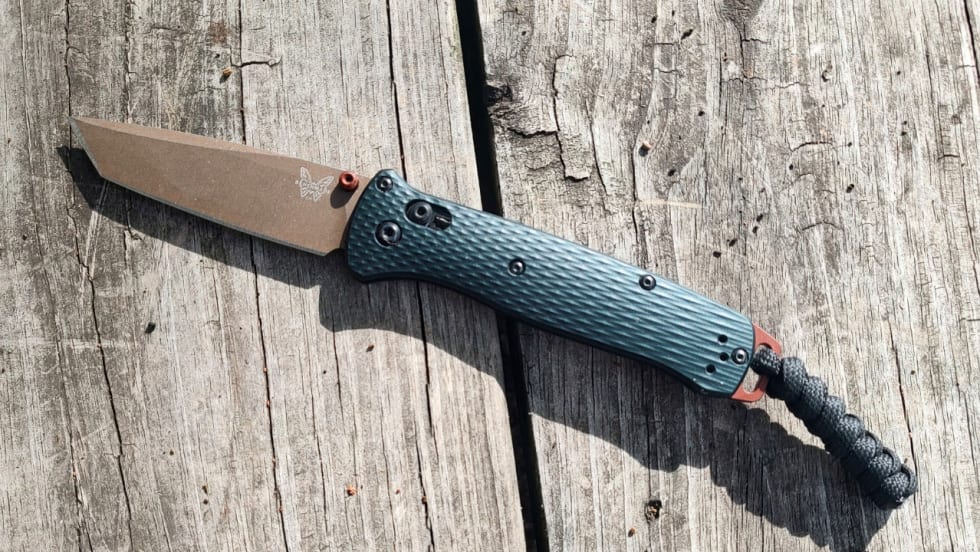
POLICE Product Test: Benchmade Bailout
The Benchmade Bailout is a slim, lightweight carry knife with a deep-ride pocket clip and comes in a variety of blade steels and scales. Here is a detailed review of the Taiga Green Bailout, released earlier this year.
Read More →
NLEOMF Announces July 2026 Officer of the Month
NLEOMF honored a Michigan deputy sheriff as the July 2026 Officer of the Month for rescuing a trapped driver from a burning vehicle following a Fourth of July crash.
Read More →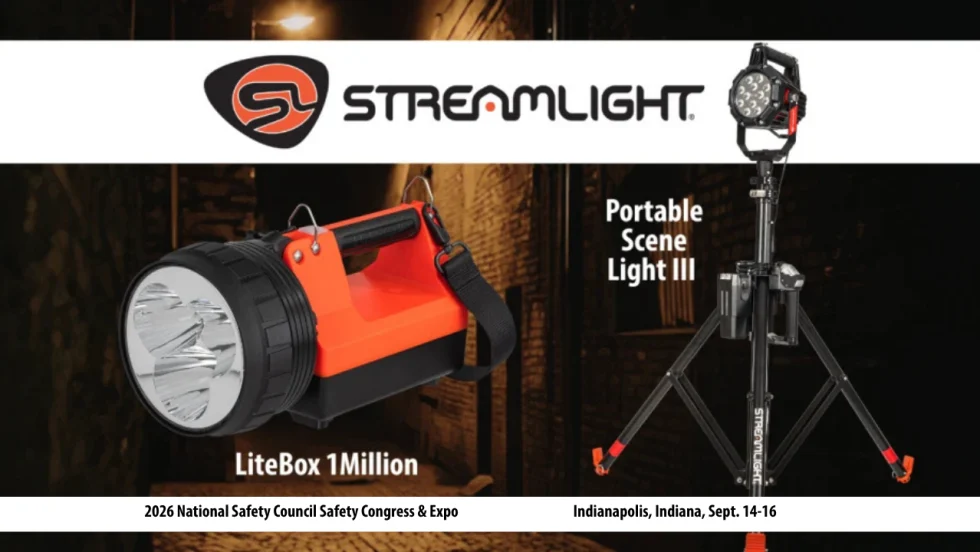
Streamlight to Showcase Newest Lighting Products at National Safety Council’s Safety Congress & Expo 2026
Streamlight will showcase its latest lights, including the Portable Scene Light III and the LiteBox 1Million, at the 2026 National Safety Council (NSC) Safety Congress & Expo.
Read More →
The 2027 World Police & Fire Games Set for Perth, Australia
The 2027 World Police & Fire Games (WPFG) will take place in Perth, Western Australia, from Friday, March 12 through Sunday, March 21, 2027.
Read More →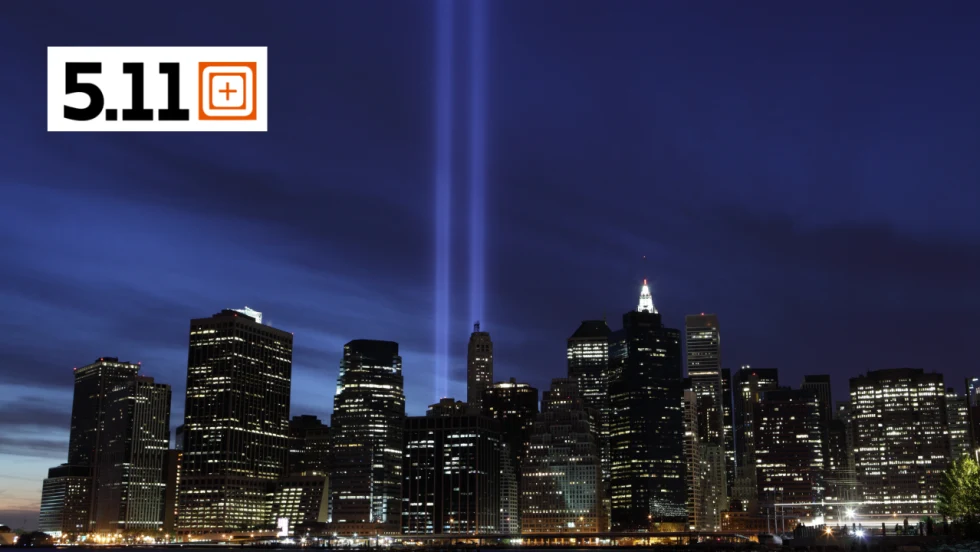
5.11 Partners with National Fallen Firefighters Foundation to Support #ForThe343
5.11 has joined the nationwide movement honoring the 343 New York City Fire Department firefighters lost on Sept. 11, 2001.
Read More →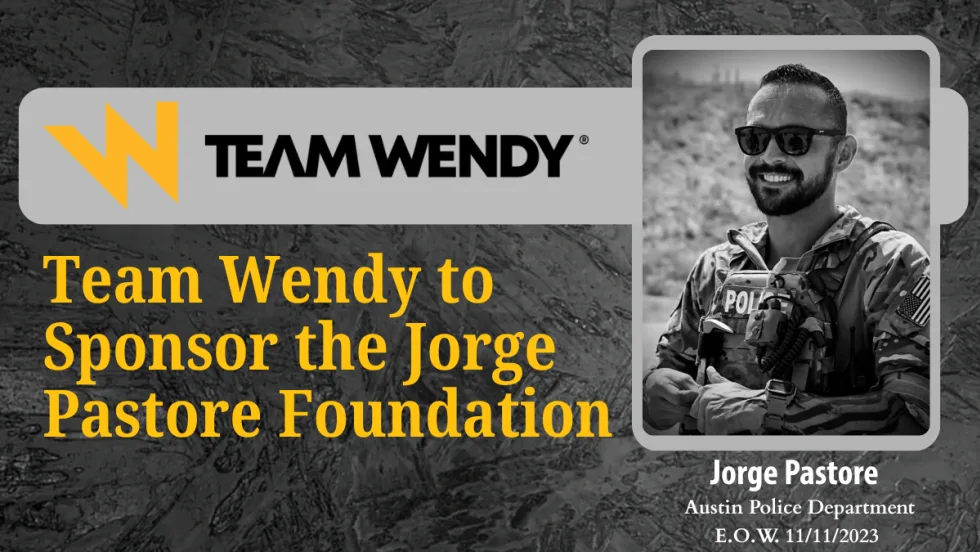
Team Wendy Announces Title Sponsorship of the Jorge Pastore Foundation
Team Wendy’s 3-year partnership with the Jorge Pastore Foundation expands access to programs that strengthen those who serve.
Read More →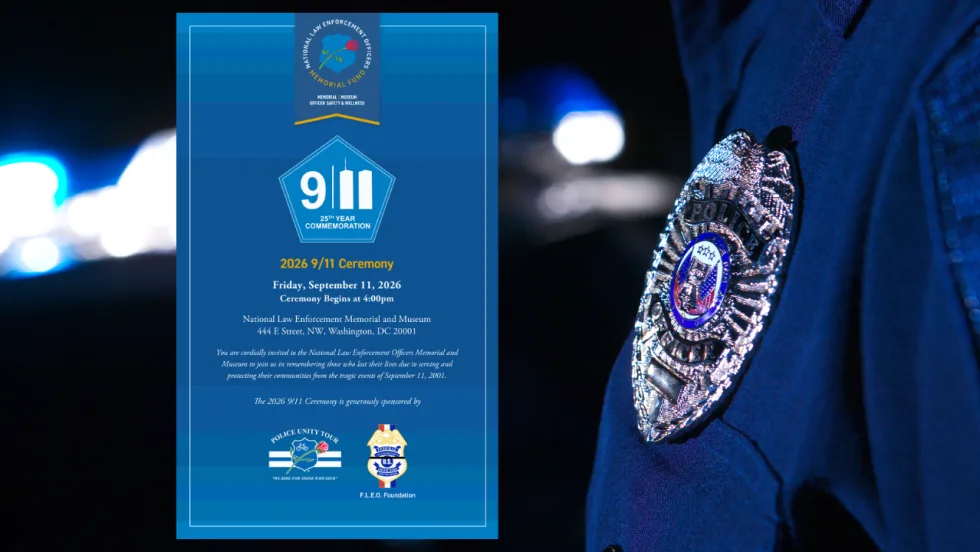
National Law Enforcement Memorial and Museum Hosting 9/11 25th-Year Commemoration Ceremony
The National Law Enforcement Memorial and Museum is hosting a 9/11 25th Year Commemoration Ceremony on Sept. 11 at 4 p.m.
Read More →
National Law Enforcement Officers Memorial Fund Announces June 2026 Officers of the Month
The National Law Enforcement Officers Memorial Fund (NLEOMF) named 15 officers of the Chico Police Department (California) as the Officers of the Month for June 2026 for their roles in responding to an active-shooter incident at a public library.
Read More →