



GA Officers Carry Smart Card with QR Code for Public to Scan
For the past few months, the agency has partnered with Montana-based Police Smart Card on a first-of-its-kind pilot to replace police officers’ business cards with fully featured smart cards.

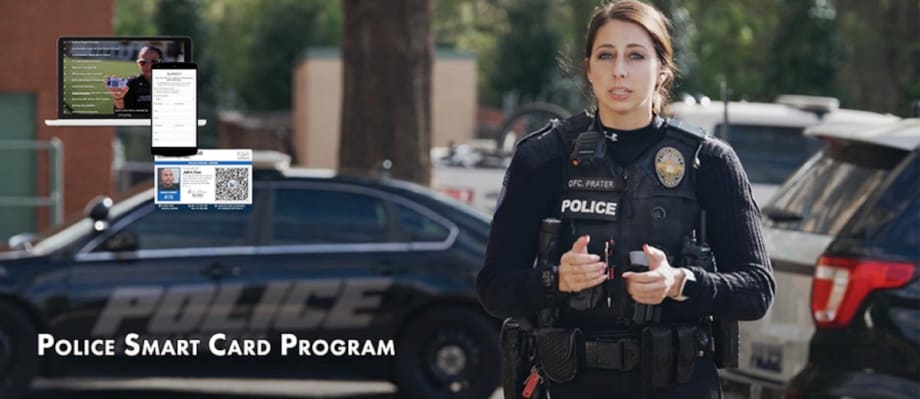
Alpharetta, GA, officers are now using Smart Cards that allow a citizen to scan a QR code.
PHOTO: City of Alpharetta
Police in Alpharetta, GA, are replacing traditional business cards with technology through their use of the Police Smart Card platform. Officers now are equipped with a card containing a QR code the public can scan.
Earlier this week the Alpharetta Police Department received recognition from Smart Card in connection to being the first in the nation to implement the program. For the past few months, the agency has partnered with Montana-based Police Smart Card on a first-of-its-kind pilot to replace police officers’ business cards with fully featured smart cards, a City of Alpharetta press release explains.
The cards enable a citizen to scan a QR code on the card to access a police officer’s badge information, download a vCard with the officer’s contact information and a case number, and even a survey the citizen can complete to provide feedback on their interaction with the officer. Citizens who have been the victim of a crime can also more easily share information with police officers assigned to their case. The cards are also near-field communication (NFC) enabled so a citizen can access all the features by simply tapping the card with their smartphone.
One of the goals of the program is to make it easier for citizens to get to know the police officers and build positive, more personal relationships so they are not just a person in a uniform. According to department officials, those relationships are key to improving the perception of the police among the public.
“There is a concept called police legitimacy that essentially states that we can be effective in policing a community only so long as the public allows us to do so, and they will only allow us to police the community if they see us as legitimate,” says Capt. Mike Stewart, who has been leading the rollout of the smart card project. “Legitimacy comes from transparency, and we see the smart cards as a way to be even more transparent while also making it easier for the public to interact with us. If you have a good interaction, we want to know. If you have a not so good interaction, we want to know, and in either case, we want it to be easy for you to tell us because that makes it easier for us to identify issues we need to address.
Stewart explained that the smart card platform also makes it easier for the department to obtain and analyze data on each officer’s performance and public interactions, which will help the city better understand how each officer is performing in the field, customize training for each officer, and improve performance and interactions across the agency.
“We see this as a big step into the future for policing, and it is exciting to know that agencies across the country are watching what we are doing with this program in Alpharetta and what they can learn from us,” Stewart says.
More Patrol

The First Responders Children’s Foundation National First Responders Day Roll Call of Heroes Ceremony Returns to Times Square, NYC
First Responders Children’s Foundation (FRCF), in collaboration with T-Mobile, will host the Roll Call of Heroes ceremony in Times Square to commemorate National First Responders Day on Wednesday, Oct. 28. During the event, FRCF will present 18 Hero Awards.
Read More →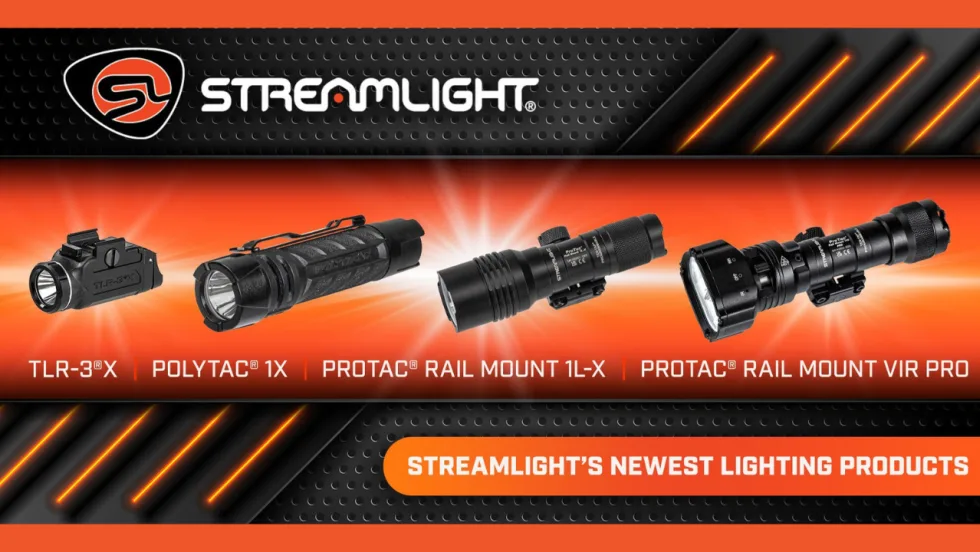
Streamlight to Showcase Newest Lighting Products for Law Enforcement Professionals at IACP 2026
Streamlight will showcase its newest lights for law enforcement at the International Association of Chiefs of Police Annual Conference & Expo. Featured lights will include the TLR-3 X, the PolyTac 1X, and more.
Read More →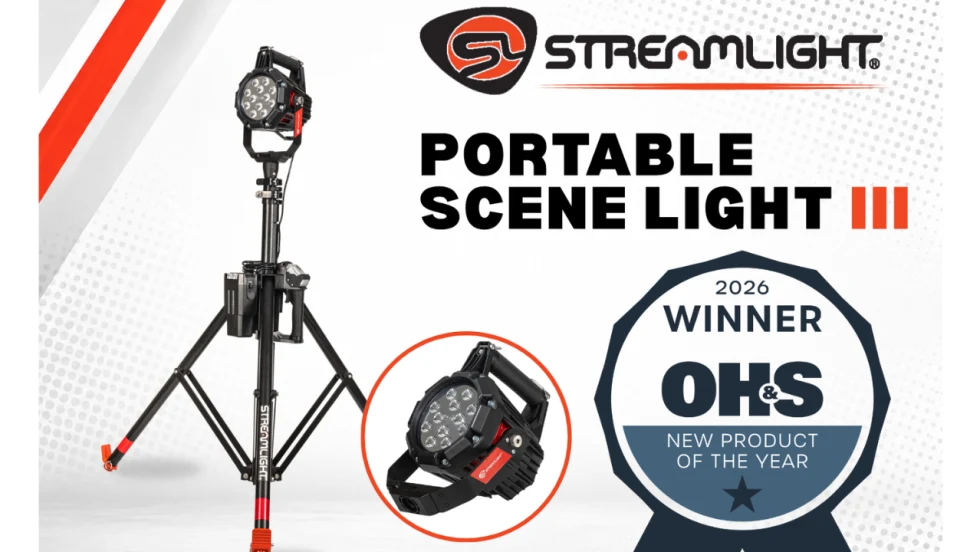
Streamlight Portable Scene Light III Wins 2026 OH&S New Product of the Year Award
Streamlight’s Portable Scene Light III has won the 2026 Occupational Health & Safety (OH&S) New Product of the Year Award in the Lighting category.
Read More →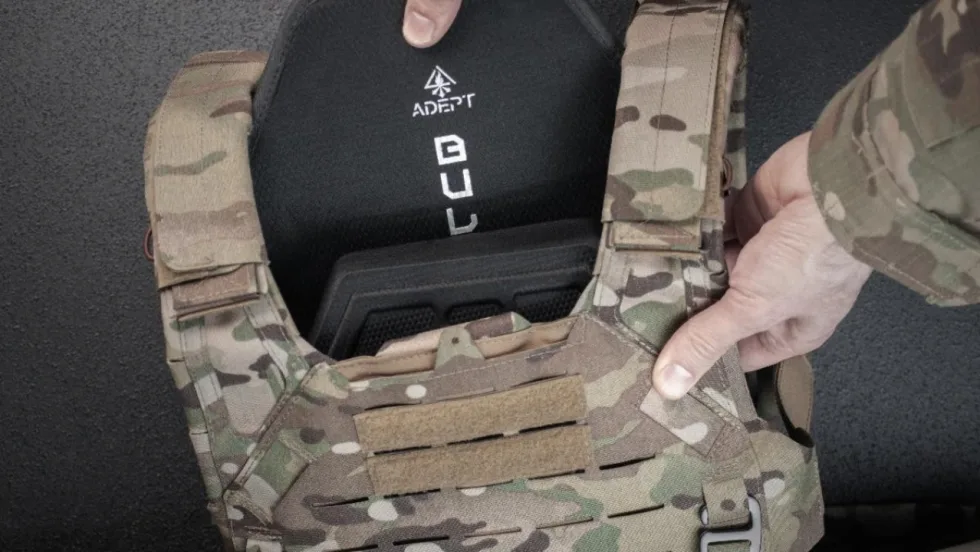
Adept Armor Introduces Two New Rifle Plates
Adept Armor has launched two new Level IV ballistic plates, the Emperor and the Archon Mark 2, which brings Adept Armor’s new Quatroid ceramic to the high-threat, performance-value center of the range at 5.2 pounds.
Read More →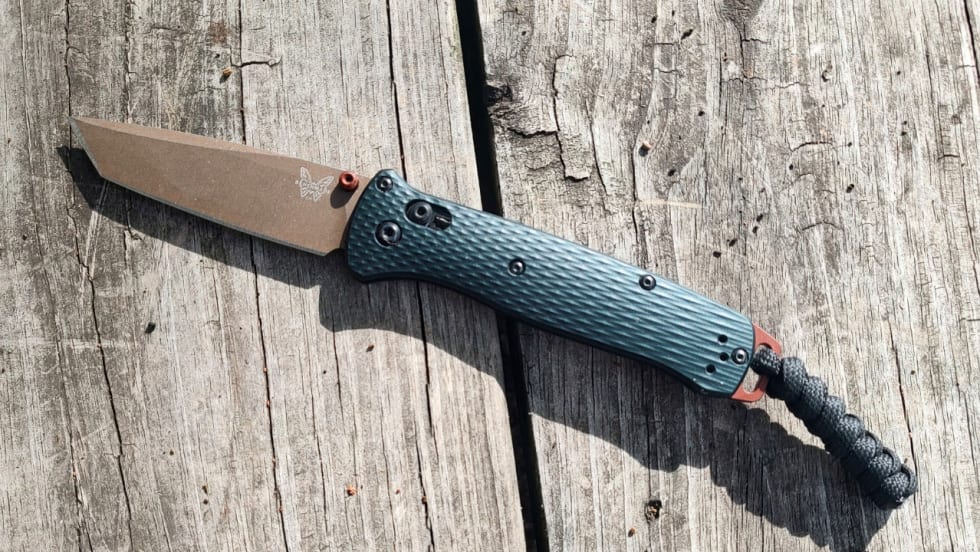
POLICE Product Test: Benchmade Bailout
The Benchmade Bailout is a slim, lightweight carry knife with a deep-ride pocket clip and comes in a variety of blade steels and scales. Here is a detailed review of the Taiga Green Bailout, released earlier this year.
Read More →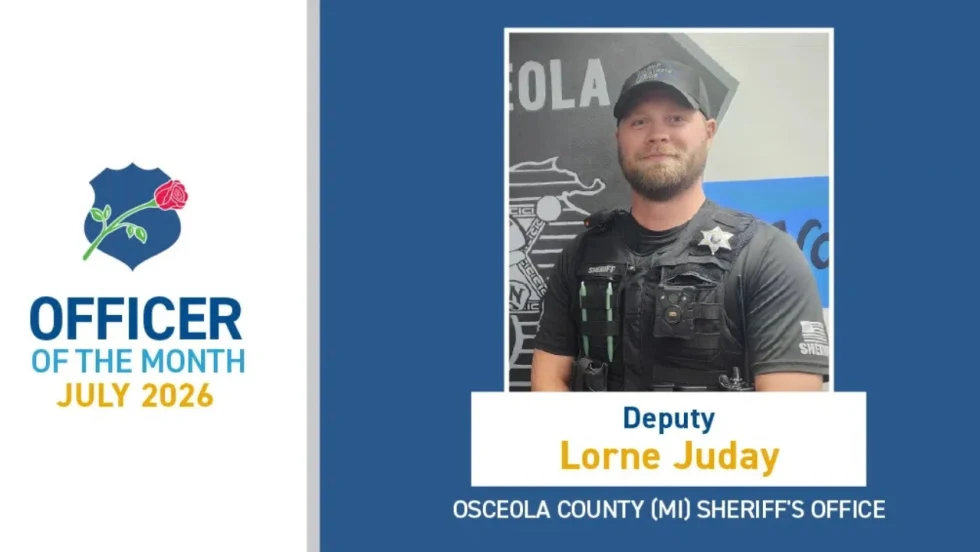
NLEOMF Announces July 2026 Officer of the Month
NLEOMF honored a Michigan deputy sheriff as the July 2026 Officer of the Month for rescuing a trapped driver from a burning vehicle following a Fourth of July crash.
Read More →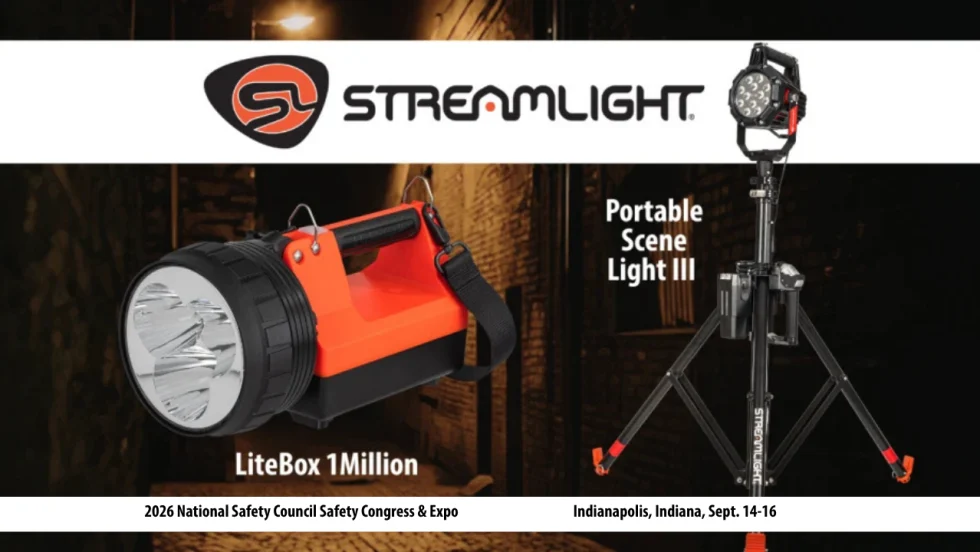
Streamlight to Showcase Newest Lighting Products at National Safety Council’s Safety Congress & Expo 2026
Streamlight will showcase its latest lights, including the Portable Scene Light III and the LiteBox 1Million, at the 2026 National Safety Council (NSC) Safety Congress & Expo.
Read More →
The 2027 World Police & Fire Games Set for Perth, Australia
The 2027 World Police & Fire Games (WPFG) will take place in Perth, Western Australia, from Friday, March 12 through Sunday, March 21, 2027.
Read More →
5.11 Partners with National Fallen Firefighters Foundation to Support #ForThe343
5.11 has joined the nationwide movement honoring the 343 New York City Fire Department firefighters lost on Sept. 11, 2001.
Read More →
Team Wendy Announces Title Sponsorship of the Jorge Pastore Foundation
Team Wendy’s 3-year partnership with the Jorge Pastore Foundation expands access to programs that strengthen those who serve.
Read More →