



A Collision Course on Traffic Investigations
Like any other common task, accident investigations can become a bit routine for most patrol officers. Important details can be inadvertently missed as we try to finish up to get to the next call.

Like any other common task, accident investigations can become a bit routine for most patrol officers. Important details can be inadvertently missed as we try to finish up to get to the next call.
To counteract this, I met with our department’s traffic division to get an insight into how we, as patrol officers, can become better traffic investigators. Here are some universal tips to help your traffic reports avoid a collision with your supervisor’s red pen.
• Get good statements. Although traffic collisions are usually small police reports, they are still investigations. As with any investigation, statements are some of the best evidence you can get. Be sure to get statements from the involved drivers as to what happened, including what they were doing leading up to the collision.
Most importantly, try to dig up independent witnesses, such as a driver who happened to see the crash or a business owner who witnessed it from afar. These uninvolved witnesses can usually break the tie between dueling driver statements, giving you a clearer understanding of how the accident happened.
Also, remember to follow up the statements of those drivers who claim a lapse of consciousness. Ask about their medical history and make sure you get them to tell you why they feel they “blacked out.” These drivers can be dangerous, and may need to be re-examined by the local department of motor vehicles.
• Avoid police or local jargon. We all fall victim to this in just about any report. Just because everyone in your city knows the name of the local hospital doesn’t mean the insurance agent in another time zone does. Make sure you accurately record the names and addresses of businesses and people so that anyone, including yourself can contact them easily.
Police jargon such as “code four” and crime codes that only police officers use on a daily basis will confuse some readers. Traffic collisions are some of the most well-traveled reports in your department. Your accident reports will be read not only by fellow cops, but by both involved parties, by countless people at the involved insurance companies, by city engineers, and by court personnel.
• Become a shutterbug. Let’s face it; a picture truly is worth a thousand words. This is especially true in the world of collision investigation, where the damage to and the positioning of vehicles at the scene is usually the best evidence available. Taking good photos of the scene as you found it will not only prove your findings, it will protect you in court and aid you in your investigation and report writing once you’ve left the scene.
In today’s digital age, photos are cheap and easy to store. Take a bunch of pictures and book them all. When your simple traffic accident turns into a courtroom marathon, you’ll be ready.
• Take good measurements. Do you know your pace length? Many officers will rely on another officer’s measured pace and adopt it as their own. However, just as officers come in all shapes and sizes, we all have a different walking pace and length.
Take the time to measure your own pace accurately by walking a known-distance line or use a rolling-tape device to get accurate measurements. When you’re at especially involved accident scenes, consider using orange spray paint to mark important measuring points. This will make them semi-permanent and keep them around for a few more weeks in case you need to go back and double-check something. Details count. As with any report, don’t forget the little things.
For example, penmanship is one trait that seems to be scarce amongst us as police officers. Be sure to write as neat as possible to ensure everyone reading this report will have a clear understanding of what took place.
Also, draw clear diagrams of the collision and surrounding area, and be sure to label all evidence points at the scene.
Finally, when deciding the cause of the collision, be sure to use the most applicable section, not only the generic sections such as “unsafe speed.” Look up the most specific section or run it by a traffic officer to get his or her opinion.
These tips were designed as a refresher course on traffic collision investigation for all patrol officers. Try a few of them at your next traffic collision and see what a difference they make.
I would like to thank Officer Mike Reiter and the Tracy (Calif.) Police Department traffic unit for their help with this article.
More Patrol
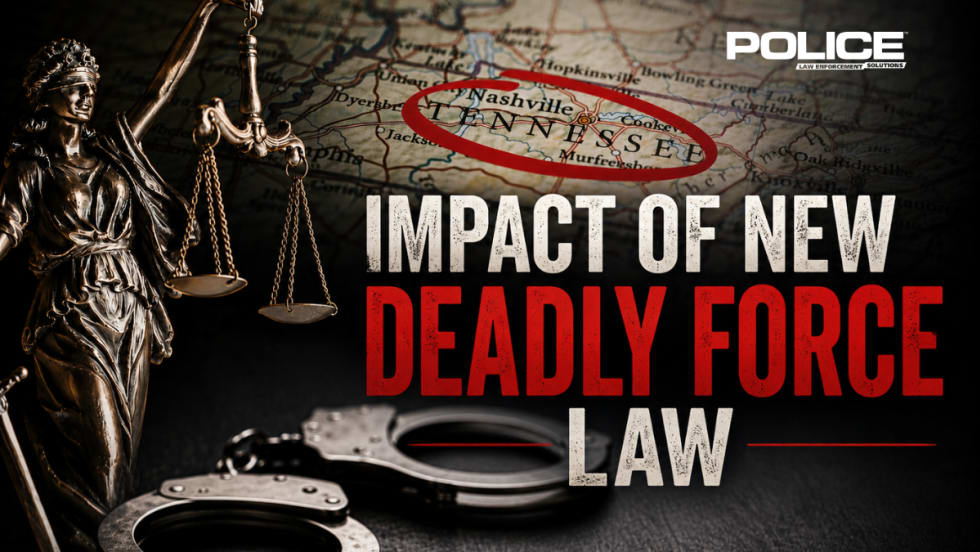
Why Tennessee’s New Deadly Force Law Matters Beyond Tennessee
Tennessee’s new deadly force law is more limited than many may realize. Effective July 1, 2026, the law applies to a person who is not engaged in conduct that would constitute a felony or a Class A misdemeanor and who is in a place where the person lawfully resides. But it could have far-reaching influence.
Read More →
When Do You Transport a Wounded Officer by Police Vehicle?
Time-sensitive injuries like penetrating trauma mean a wounded officer needs to reach a trauma center as soon as possible, and in some cases, that means transporting by police vehicle rather than waiting for EMS. What are the factors to consider in making that transport decision?
Read More →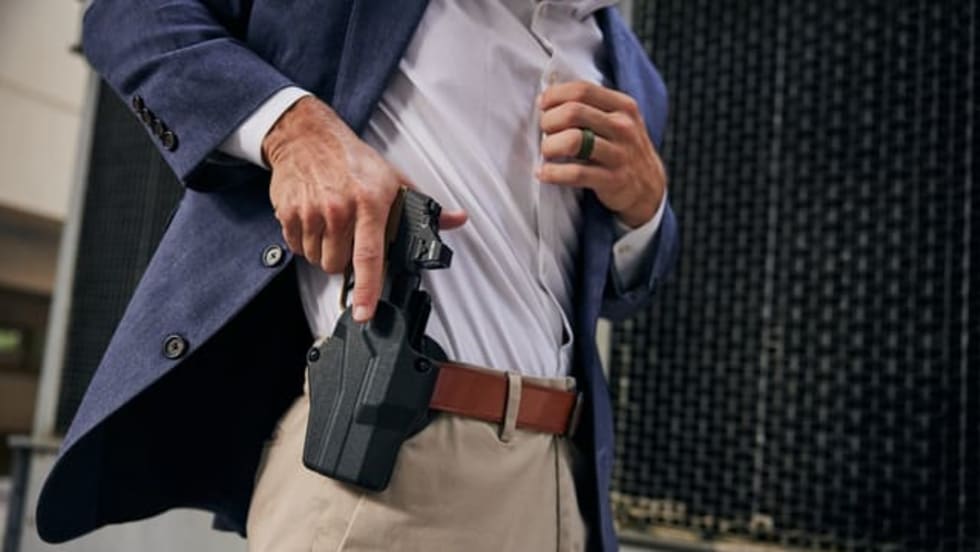
Safariland Solis Rethinks Concealable Duty
What if Level I retention didn’t require a full duty rig? Safariland’s Solis delivers trusted ALS security in a streamlined OWB platform built for administrative and plainclothes professionals who need protection without the bulk.
Read More →
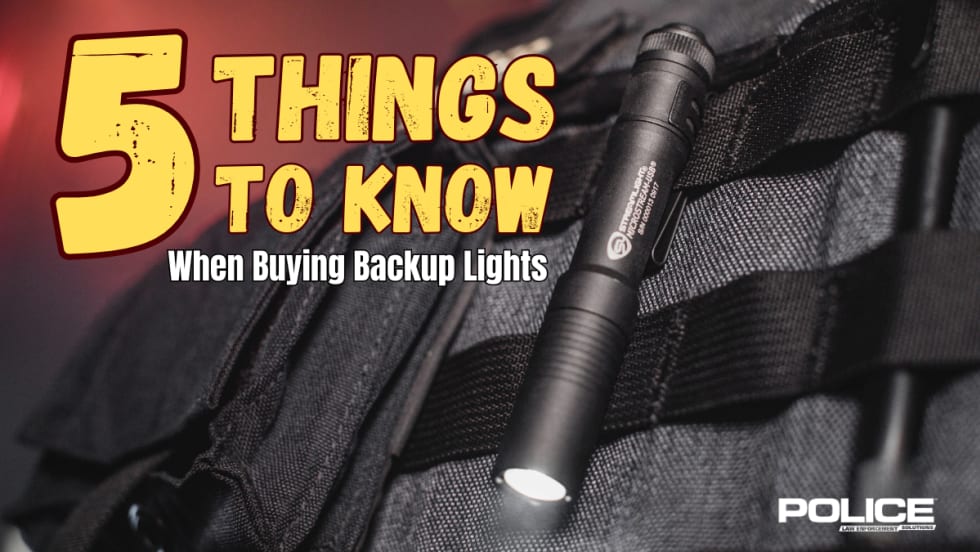
5 Things to Know When Buying Backup Lights for Patrol Use
What is the value of a backup light, and what do you need to consider when selecting one? These smaller lights are invaluable as a secondary or special-purpose light and can be easily carried in a pocket or clipped to MOLLE gear, a key chain, shirt, or a vest.
Read More →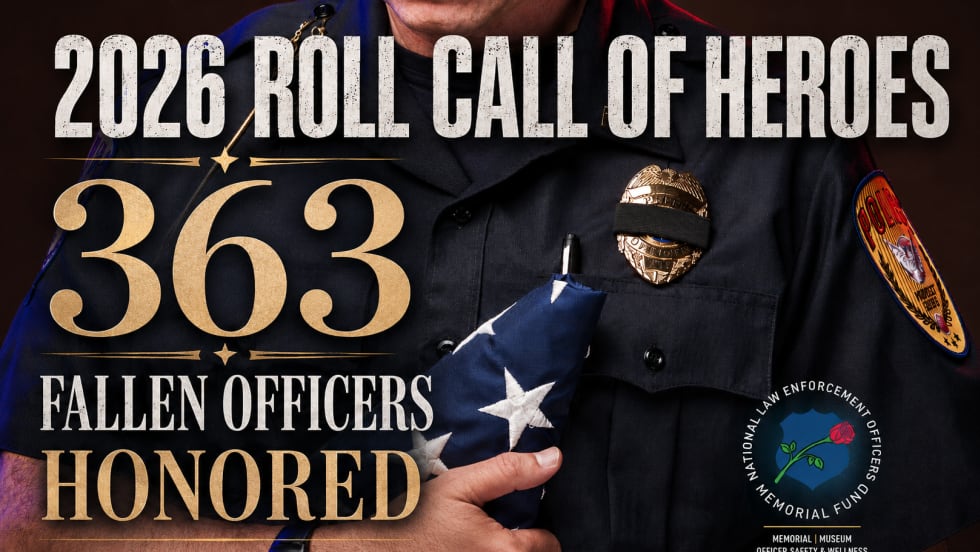
363 Fallen Officers Honored During National Police Week
In case you missed NELOMF’s annual Candlelight Vigil, here are all 363 names of the fallen officers whose names were added to the National Law Enforcement Officers Memorial this year.
Read More →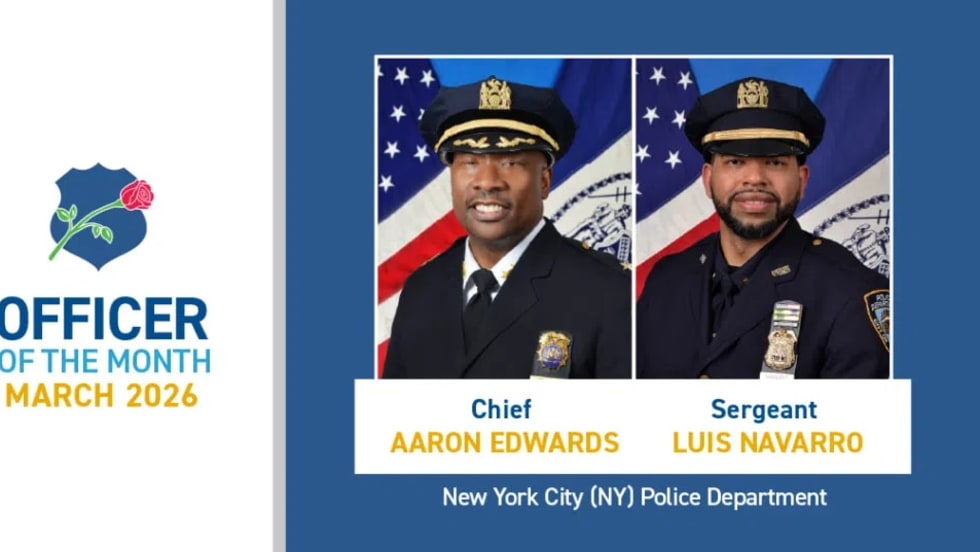
NYPD Officers Who Responded Quickly During IED Incident Recognized as NLEOMF Officers of the Month
Chief Aaron Edwards and Sgt. Luis Navarro were recognized by NLEOMF as Officers of the Month for their response during an IED incident and their actions that helped prevent harm to the public.
Read More →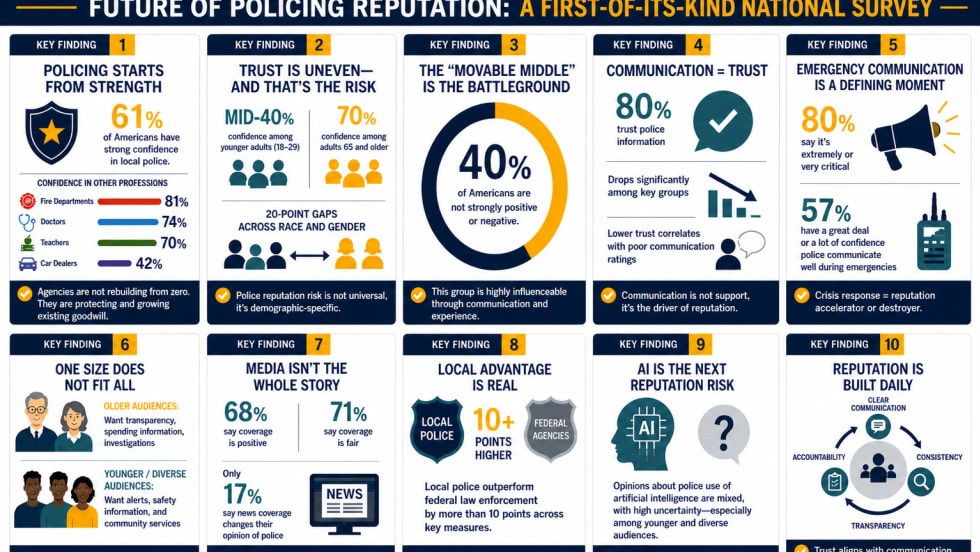
National Police Survey Reveals How Americans View Policing Today
A new national survey offers a comprehensive look at how Americans view policing. The study uncovers public sentiment toward local vs. federal police, communications, crisis response, the use of AI in policing, and more.
Read More →
Streamlight TLR-7 X Selected as Standard Issue Pistol Light by Canadian Federal Police
The Canadian Federal Police will be adding a new duty pistol system, which will include Streamlight’s TLR-7 X and a Glock 45 MOS 7 pistol with a red dot sight.
Read More →
Fallen Law Enforcement Officers from Across the Country to be Honored During 38th Annual Candlelight Vigil on May 13th in Washington, D.C.
The National Law Enforcement Officers Memorial Fund (NLEOMF) will honor 363 fallen officers who have died in the line of duty as their names are added to the National Law Enforcement Officers Memorial during the annual Candlelight Vigil on May 13.
Read More →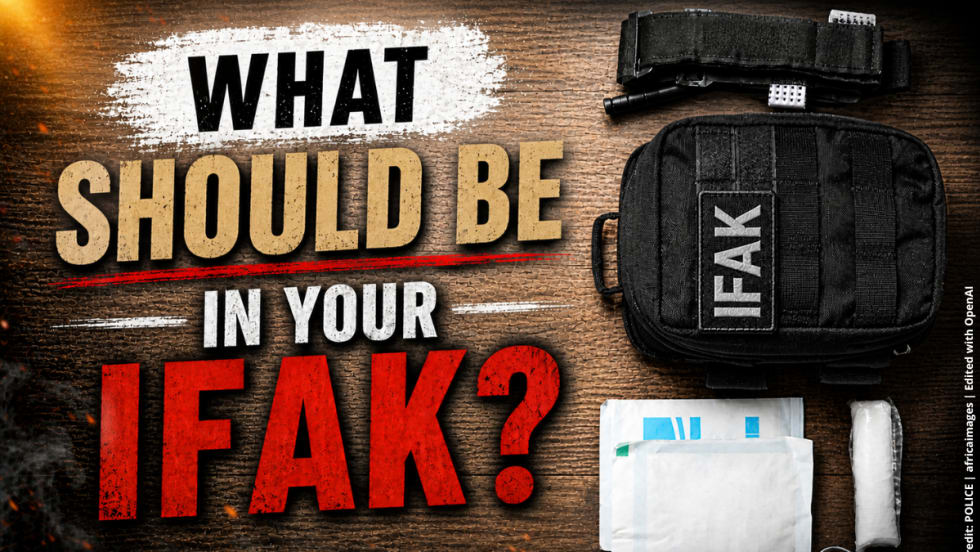
What Should Be in Your IFAK?
What should every officer include in an IFAK? Sydney Vail, M.D., a veteran trauma surgeon and former SWAT surgeon, explains which components are needed and which are not, and stresses training.
Read More →