



Diagramming Success
Understanding the crime scene and its layout is vital to prosecuting any case. One of the quickest and easiest ways to record everything pertinent to the case is by drawing a diagram of the crime scene.

Crime scenes can be both complicated and confusing for investigators and first responders alike. Only after hours of carefully sorting evidence, taking measurements and recording every painstaking detail does an investigator have a clear understanding of what happened and how it transpired.
So, what makes you think a district attorney or jury can figure it out in your opening remarks?
Understanding the crime scene and its layout is vital to prosecuting any case. One of the quickest and easiest ways to record everything pertinent to the case is by drawing a diagram of the crime scene. These can range from hand-drawn sketches to high-tech computer generated maps complete with GPS markings. The severity of the individual case should dictate which an officer should select, but make no mistake: Every case can be better understood by drawing up a simple diagram, especially when most cases don't go to court until months after the incident occurred. By then, even the reporting officer can have a foggy recollection of how the crime scene was laid out, and where everyone was situated.
In the spirit of avoiding these pitfalls, let's look at a few pointers when debating which crime scene diagram is right for your next crime scene.
1. In most cases, a suspect will want to tell his or her side of the story. As any good investigator knows, let them talk! Better yet, hand them a piece of paper and pen and ask them to draw the scene out for you, then explain to you what happened and how. Don't coach them; let him or her draw arrows and anything else they want. When its all said and done, you have a map of the crime scene drawn by your suspect himself, which can be invaluable later in court. Book the original drawing as evidence and attach a copy to your report. If you can later prove his or her story false, that little sketch is akin to having a videotaped lie to show the jury.
2. In the same way, victims of crimes can give you a better idea of what happened when they have a map or sketch as a reference point. You can have them draw their own diagram, or even give them a photocopy of a map page out of your police map book. They can draw in their positions, a suspect's actions and any buildings or landmarks they may have noticed during the incident. This can also help jog their memory in recalling possible witnesses who were in the area when the event occurred. It also serves as a great reference point for you to start your neighborhood canvases or business contacts for any other potential witnesses. Not bad for a quick jotting on notebook paper, huh?
3. If your crime scene is outdoors, consider enlisting the help of your department's traffic unit. Most agencies now have access to high-tech mapping equipment that can make short work of a complicated crime scene, especially when outside on public roadways. This equipment is made to be as precise as possible, rivaling the best mapping equipment your city engineers can dream up. Nothing can produce a better or more accurate crime scene diagram if on a public roadway. Don't forget to enlist their help when it's an option. If your department has its own crime scene technicians, they can do an even better job indoors and in other situations.
4. Once you have drawn a sketch or diagram of the crime scene, be sure to go over the entire document with everyone involved in the case. This way, you can be sure you didn't inadvertently leave any detail out of the map, which could lead to a lot of questions and explaining in court. Similarly, when your court date arrives, be sure to go over the sketch with everyone again before you get on the stand. Be sure everyone has a copy of the diagram with them in their case file, and has access to it while on the stand. Having one single well-drawn map makes a world of difference to the prosecution and defense alike, and keeps you and your team on the same page while testifying.
Drawing sketches or diagrams can seem like just another step in an often already-too-long report process, but they are invaluable months later when you are trying to recall details of a case and successfully prosecute it. A simple sketch can give a clear picture of the event to a judge and jury, and when drawn by your suspect, can be the final nail in the case that books him a stay at the Iron Bar Hotel. Good luck, and happy diagramming!
More Patrol

Team Wendy Introduces the EXFIL Endurance Ballistic Helmet, Engineered to Reduce the Burden of Extended Wear
Team Wendy has launched its EXFIL Endurance, a new lightweight ballistic helmet engineered to deliver protection, comfort, and fit during demanding, extended operations.
Read More →
The First Responders Children’s Foundation National First Responders Day Roll Call of Heroes Ceremony Returns to Times Square, NYC
First Responders Children’s Foundation (FRCF), in collaboration with T-Mobile, will host the Roll Call of Heroes ceremony in Times Square to commemorate National First Responders Day on Wednesday, Oct. 28. During the event, FRCF will present 18 Hero Awards.
Read More →
Streamlight to Showcase Newest Lighting Products for Law Enforcement Professionals at IACP 2026
Streamlight will showcase its newest lights for law enforcement at the International Association of Chiefs of Police Annual Conference & Expo. Featured lights will include the TLR-3 X, the PolyTac 1X, and more.
Read More →
Streamlight Portable Scene Light III Wins 2026 OH&S New Product of the Year Award
Streamlight’s Portable Scene Light III has won the 2026 Occupational Health & Safety (OH&S) New Product of the Year Award in the Lighting category.
Read More →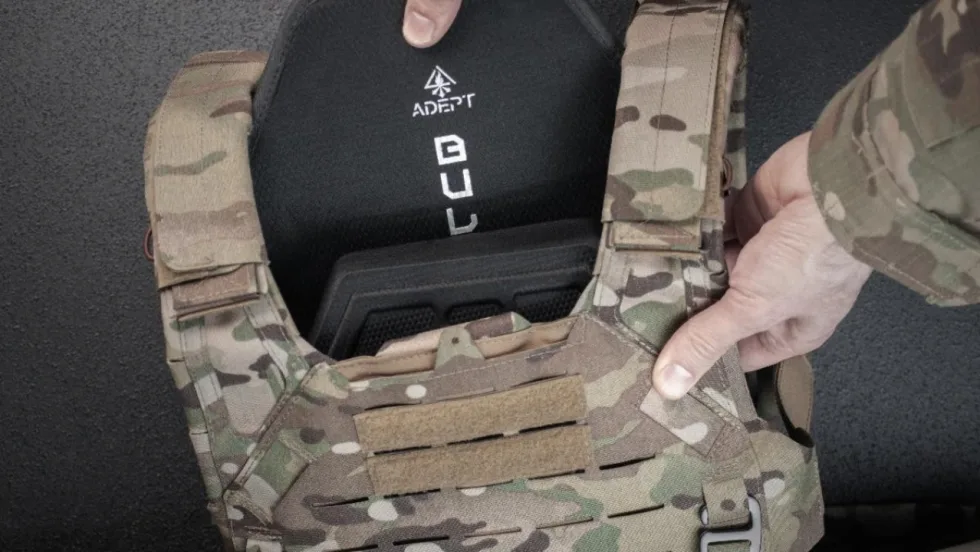
Adept Armor Introduces Two New Rifle Plates
Adept Armor has launched two new Level IV ballistic plates, the Emperor and the Archon Mark 2, which brings Adept Armor’s new Quatroid ceramic to the high-threat, performance-value center of the range at 5.2 pounds.
Read More →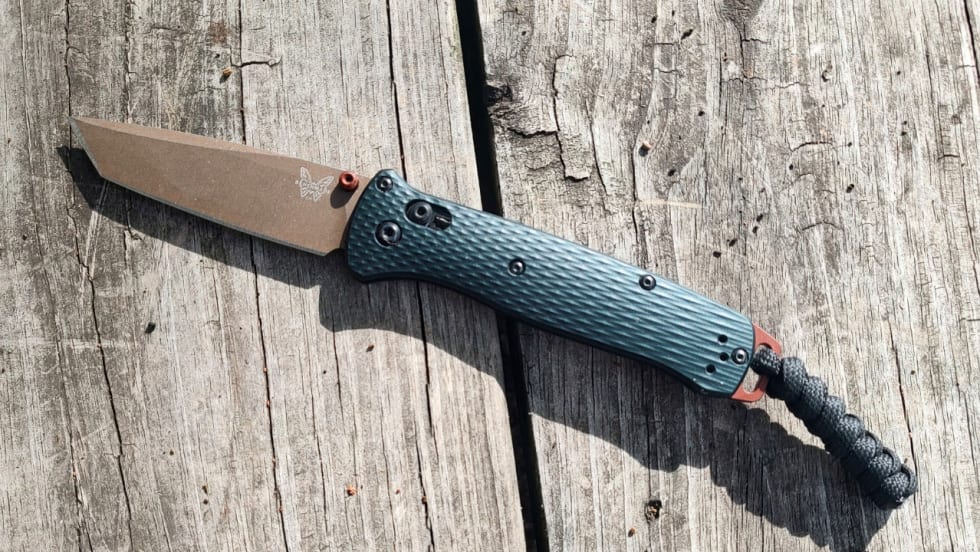
POLICE Product Test: Benchmade Bailout
The Benchmade Bailout is a slim, lightweight carry knife with a deep-ride pocket clip and comes in a variety of blade steels and scales. Here is a detailed review of the Taiga Green Bailout, released earlier this year.
Read More →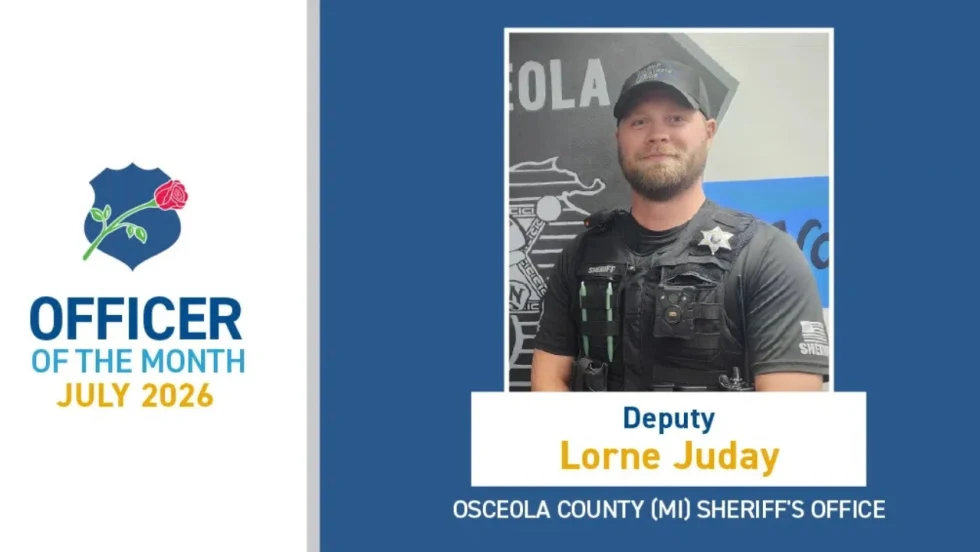
NLEOMF Announces July 2026 Officer of the Month
NLEOMF honored a Michigan deputy sheriff as the July 2026 Officer of the Month for rescuing a trapped driver from a burning vehicle following a Fourth of July crash.
Read More →
Streamlight to Showcase Newest Lighting Products at National Safety Council’s Safety Congress & Expo 2026
Streamlight will showcase its latest lights, including the Portable Scene Light III and the LiteBox 1Million, at the 2026 National Safety Council (NSC) Safety Congress & Expo.
Read More →
The 2027 World Police & Fire Games Set for Perth, Australia
The 2027 World Police & Fire Games (WPFG) will take place in Perth, Western Australia, from Friday, March 12 through Sunday, March 21, 2027.
Read More →
5.11 Partners with National Fallen Firefighters Foundation to Support #ForThe343
5.11 has joined the nationwide movement honoring the 343 New York City Fire Department firefighters lost on Sept. 11, 2001.
Read More →