



The Carjacking Drill
The carjacking drill is exactly as it sounds. You're sitting in your vehicle when you're forced to defend yourself from an attack. This attack could come from the driver's side or the passenger side, so we'll train for both.

In Pennsylvania, a naked emotionally disturbed person (EDP) tries to carjack a marked police cruiser. The EDP tries to grab the officer's gun and a struggle ensues. The EDP is shot, but is still able to steal the marked unit. He then crashes into another car, and then into a bus; he later dies at the hospital.
In Ohio, an officer is waiting at a traffic light when a subject "with a history of mental problems" walks toward her marked unit, concealing a handgun behind a "boom box" he is carrying. As the EDP closes the distance on the cruiser, he opens fire on the officer, striking her with four rounds from a .357. He then shoves the officer from behind the wheel and jumps into the driver's seat. The EDP is able to drive a short distance down the road before the wounded officer is able to fatally shoot the man in the head.
In Florida, an off-duty corrections officer is on his way home from work when he is carjacked and kidnapped by three assailants. He is driven around the city while being beaten and tortured by his abductors, until he is finally let go…minus his vehicle.
These are just a few examples of officers being attacked while in their vehicles. While it might not happen every day, the threat of being attacked in this way is real. Therefore, you need to be prepared should it happen to you. This is where the carjacking drill comes in.
The carjacking drill is exactly as it sounds. You're sitting in your vehicle when you're forced to defend yourself from an attack. This attack could come from the driver's side or the passenger side, so we'll train for both.
The first thing you'll want to do is get your hands on a red/blue training gun, or have a safe and empty weapon. Practice the drill in the safety of your home first, before getting into your vehicle, and then eventually practice this drill with live fire on the range.
At Home
Once you've obtained a safe firearm to practice with, have a seat in your dining room chair, or similar sturdy seat. Your gun should be in your holster.
If you're right-handed, as you're seated in the chair, draw your handgun from your holster, and without crossing any part of your body with the muzzle of the gun, bring the gun over to the left side of your chest. Take your off hand and bring it over to your forearm, as if you were folding your arms in front of you. Now cant the firearm slightly away from your body so the slide doesn't get caught on any of your clothing. Once you do this, tighten up all of the muscles in your arm. Tightening the muscles in your arm will help you absorb the recoil from the gun. You are now ready to fire.
If you're a left-handed shooter, your gun is obviously on your left side. If an attack were coming from the passenger side of the vehicle, you would perform the drill the same way by bringing the gun over to your right chest area. If the attack is coming from the driver's side, you'll simply draw your firearm from the holster, index your elbow into your left side, and then lean hard to your right so that you're over far enough to place a shot into your assailant. Remember to tighten up the muscles in your entire arm to help you absorb the recoil of the gun, which will help you control the gun during rapid firing.
If you're a right-handed shooter you'll perform this same drill if the attack is coming from the passenger side of the vehicle. Draw your firearm and index your elbow into your right side. As you're doing this, lean hard to your left, into the door, so you can place a shot into the bad guy.
Don't Sweat the Small Stuff
At this point you're probably realizing that your shots are not going to be center mass; that's OK. At this close distance, and at the speed in which you need to bring that gun up on target, all you're looking for are hits on a man-sized target. This is going to be an up close and personal fight for your life—you need to be fast. Once you're able to get a couple of quick rounds into this bad guy, then you can worry about shot placement, or maybe getting the heck out of there.
Don't worry about shooting through your door; that is the least of your concerns. The side and rear windows are made of tempered glass and will shatter completely when struck with a bullet. Your rounds will stay true on target as they pass through the tempered glass.
The only time that your round may be stopped or deflected is when it hits the crossbeam in the door. But this is a small area, and that's just one more reason why you'll want to shoot multiple rounds. If your first round is stopped by the side beam, hopefully your second and third rounds will be true on target.
In the Vehicle
After you've practiced in the comfort of your home, go out to your personal vehicle and practice the drill again. It helps to have a shooting coach with you so that he or she can ensure your training gun is aligned properly.
Sit in your vehicle and practice bringing the gun over to your chest, without hitting the steering wheel in the vehicle. If you're in a vehicle like an SUV or a pickup truck that's high off the ground, you might have to lean into the door a little to place a shot into your training coach. If you're sitting in a sports car that's low to the ground, you may have to lean hard over onto the armrest to place an effective shot into your coach. With this being said, you need to practice this in your patrol car at work as well, because that will be at a different height than your personal vehicle.
On the Range
Because this is a firearms drill, you'll need to practice this tactic with live fire as well. Take an old chair out to the range; the last thing I want to hear is that you shot your car. For some strange reason bosses frown on that. Place the chair about five feet away from your target backer.
Put up a realistic looking, life-sized paper target. Safety comes first, so make sure you don't cross any part of your body with the muzzle of the weapon. Draw your firearm from your holster, and index it into your chest. Remember to cant the firearm away from your body so the slide doesn't hit any part of your body or get caught on your clothing, causing it to jam. Also, remember to tighten up the muscles in your arm to help you absorb the recoil.
Look, and concentrate on the target. Look at where your gun is in relation to the target. Once you're sure that you are on target, fire two rounds. If you're too low, or too high, adjust the height by leaning your body at the waist, either left or right. Once you get this down, turn your chair around and practice firing as if the bad guy were attacking you from the passenger side of your vehicle.
You need to train like you fight. If you are to be prepared for being attacked while sitting in your vehicle, then you need to be trained in how to fight back from this position. The carjacking drill is just one aspect of this training.
More Patrol

Why Tennessee’s New Deadly Force Law Matters Beyond Tennessee
Tennessee’s new deadly force law is more limited than many may realize. Effective July 1, 2026, the law applies to a person who is not engaged in conduct that would constitute a felony or a Class A misdemeanor and who is in a place where the person lawfully resides. But it could have far-reaching influence.
Read More →
When Do You Transport a Wounded Officer by Police Vehicle?
Time-sensitive injuries like penetrating trauma mean a wounded officer needs to reach a trauma center as soon as possible, and in some cases, that means transporting by police vehicle rather than waiting for EMS. What are the factors to consider in making that transport decision?
Read More →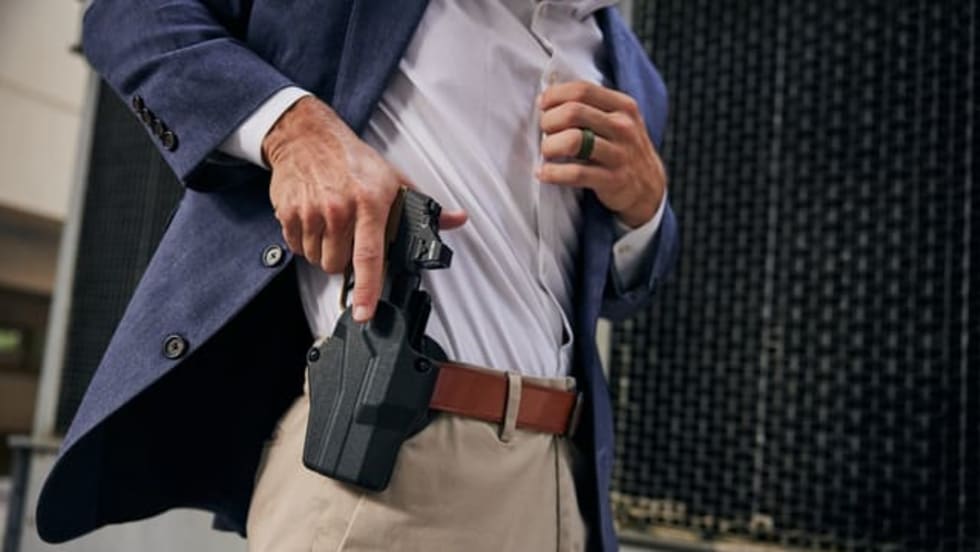
Safariland Solis Rethinks Concealable Duty
What if Level I retention didn’t require a full duty rig? Safariland’s Solis delivers trusted ALS security in a streamlined OWB platform built for administrative and plainclothes professionals who need protection without the bulk.
Read More →
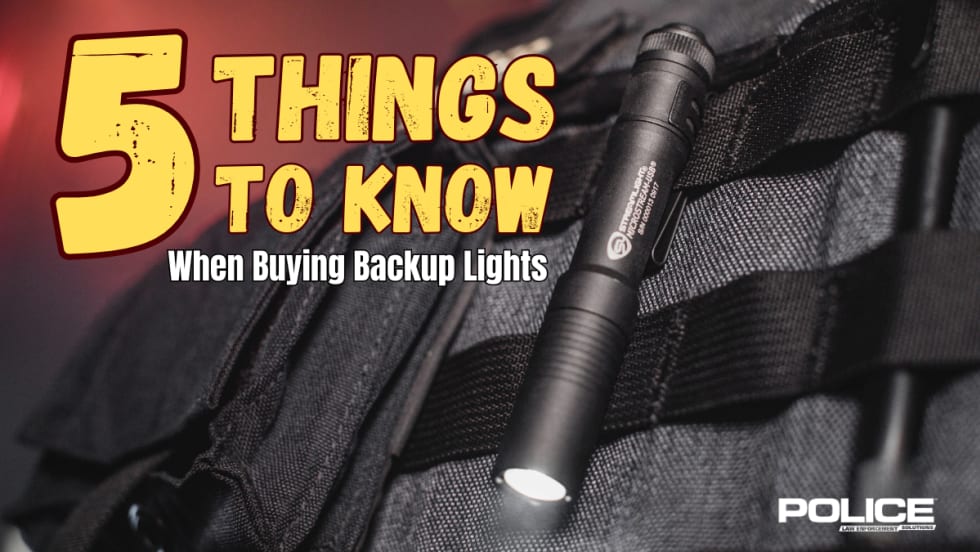
5 Things to Know When Buying Backup Lights for Patrol Use
What is the value of a backup light, and what do you need to consider when selecting one? These smaller lights are invaluable as a secondary or special-purpose light and can be easily carried in a pocket or clipped to MOLLE gear, a key chain, shirt, or a vest.
Read More →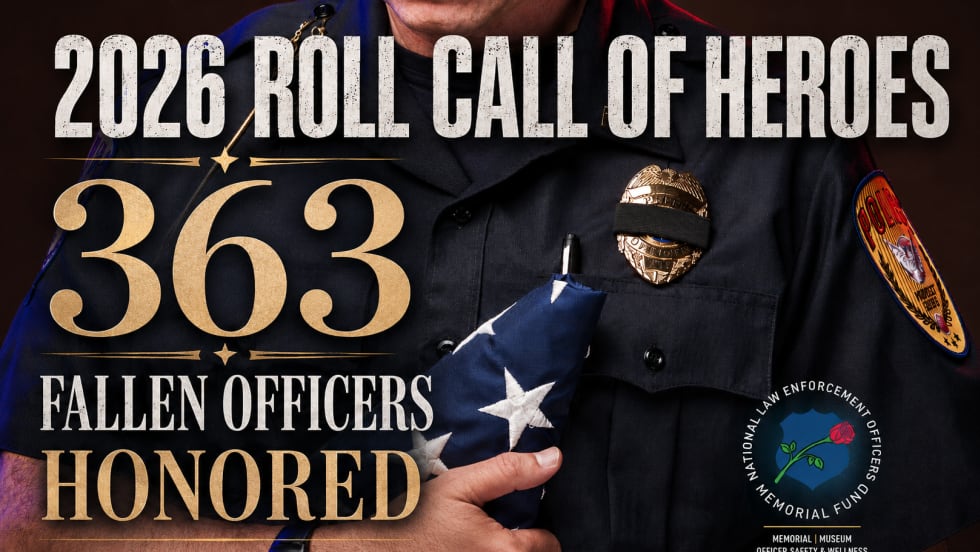
363 Fallen Officers Honored During National Police Week
In case you missed NELOMF’s annual Candlelight Vigil, here are all 363 names of the fallen officers whose names were added to the National Law Enforcement Officers Memorial this year.
Read More →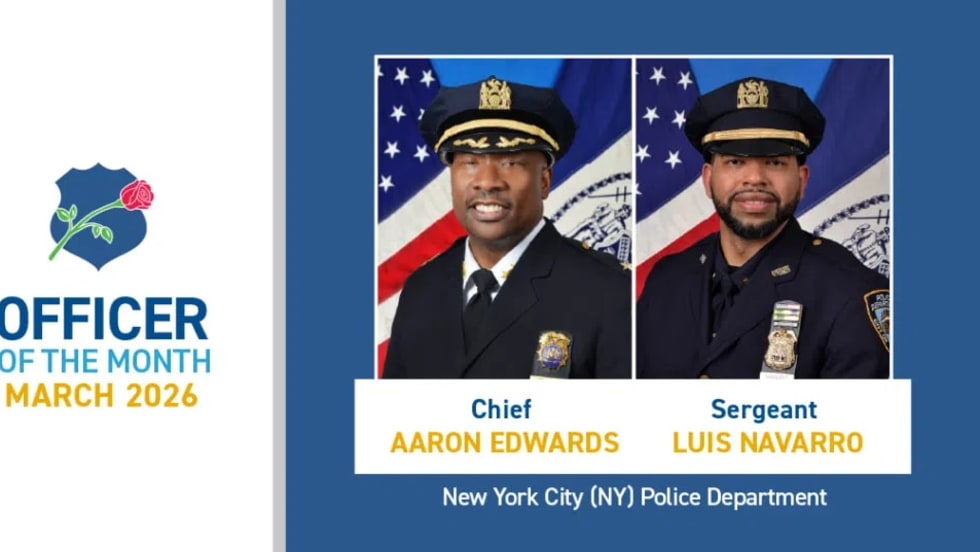
NYPD Officers Who Responded Quickly During IED Incident Recognized as NLEOMF Officers of the Month
Chief Aaron Edwards and Sgt. Luis Navarro were recognized by NLEOMF as Officers of the Month for their response during an IED incident and their actions that helped prevent harm to the public.
Read More →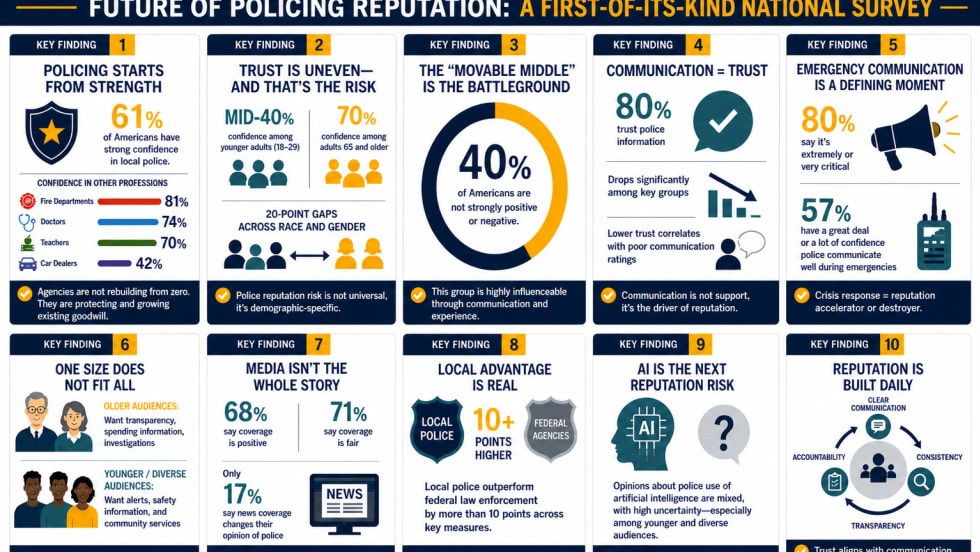
National Police Survey Reveals How Americans View Policing Today
A new national survey offers a comprehensive look at how Americans view policing. The study uncovers public sentiment toward local vs. federal police, communications, crisis response, the use of AI in policing, and more.
Read More →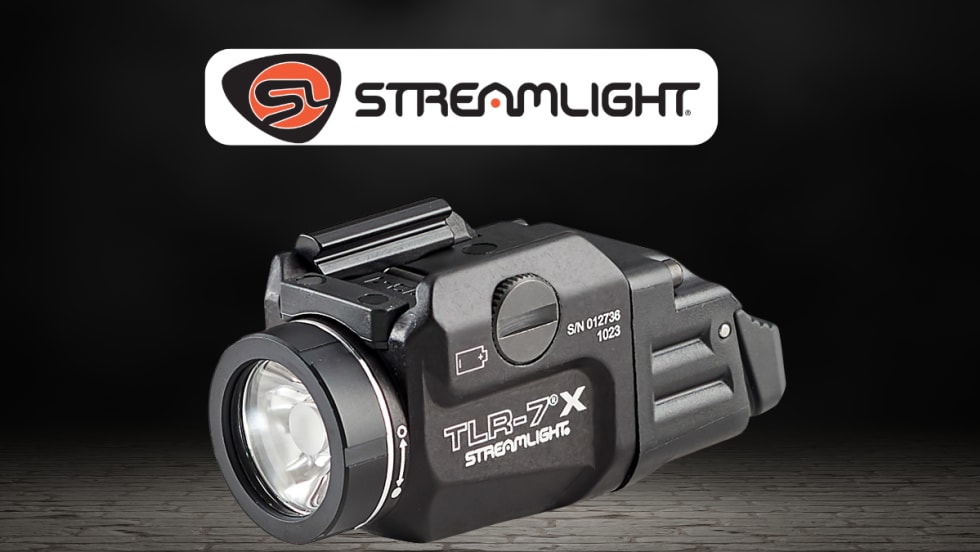
Streamlight TLR-7 X Selected as Standard Issue Pistol Light by Canadian Federal Police
The Canadian Federal Police will be adding a new duty pistol system, which will include Streamlight’s TLR-7 X and a Glock 45 MOS 7 pistol with a red dot sight.
Read More →
Fallen Law Enforcement Officers from Across the Country to be Honored During 38th Annual Candlelight Vigil on May 13th in Washington, D.C.
The National Law Enforcement Officers Memorial Fund (NLEOMF) will honor 363 fallen officers who have died in the line of duty as their names are added to the National Law Enforcement Officers Memorial during the annual Candlelight Vigil on May 13.
Read More →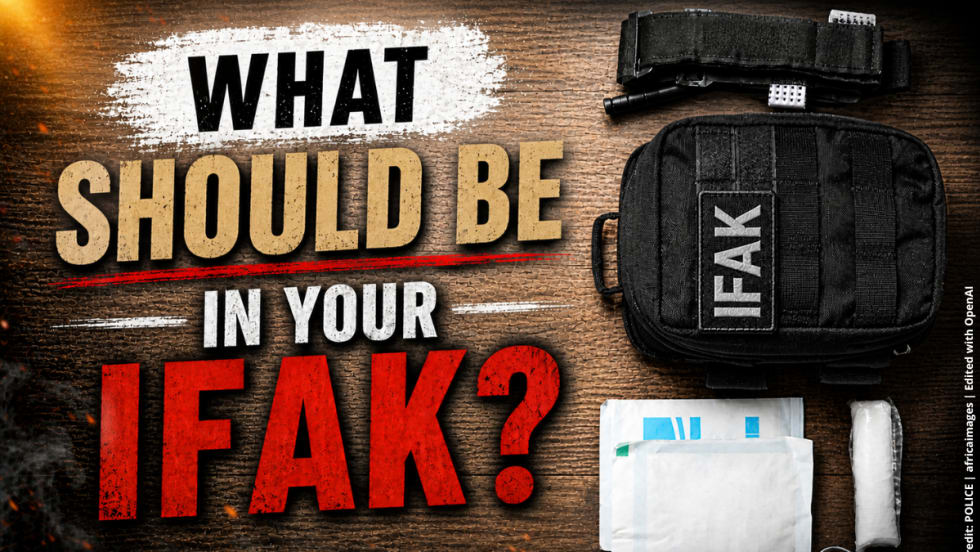
What Should Be in Your IFAK?
What should every officer include in an IFAK? Sydney Vail, M.D., a veteran trauma surgeon and former SWAT surgeon, explains which components are needed and which are not, and stresses training.
Read More →