



Stalking
At first, the term "stalking" was mostly associated only with cases involving deranged, obsessed fans who were harassing beautiful movie stars. But statistics show that one in 12 women and one in 45 men are victims of stalking at least once in their lifetime.

Not many officers have experience with responding to and investigating stalking cases. In fact, stalking wasn't even a crime until the 1990s. California passed the first stalking law in 1990; now all 50 states have stalking laws.
At first, the term "stalking" was mostly associated only with cases involving deranged, obsessed fans who were harassing beautiful movie stars. But statistics show that one in 12 women and one in 45 men are victims of stalking at least once in their lifetime.
Like many other crimes associated with domestic violence, the actors become bolder and more violent if they are not stopped early. In more than 75 percent of attempted or completed female homicides by intimates, the offenders stalked the victim in the year before the murder.
Clearly there is a need for law enforcement agencies to have a plan in place to identify and stop stalkers.
An Array of Offenses
Stalking is truly a unique crime. It is not a single act, but rather several maybe disjointed acts that all have the same motive. Stalking is defined by statute but is also defined by the effect on the victim. It is not just the act but the way that the act impacted the victim. That is why officers may be responding to calls that sound like innocent behavior.
Some of the acts reported to the police during a stalking investigation may include sending flowers, leaving love notes, and mailing stuffed animals-hardly the stuff usually associated with violent crimes. But when these seemingly innocuous acts have the effect of disrupting a victim's life, you have a case of stalking on your hands.
Stalking makes a victim feel stressed, anxious, and always on alert. The stalker creates an environment where the victim does not know when, where, or how the next attack will come. This wreaks havoc on the victim's personal life, professional life, and psychological well-being.
Still, stalking victims report only about 50 percent of stalking incidents to the police. Victims are unsure if the police can help them and often are unsure if they have even been a victim of a crime. Victims also fear that reporting an incident to the police will initiate retaliation by the actor.
In most cases the stalker has had some type of personal interaction with the victim. This means the stalker has personal information such the victim's phone numbers and work address. The stalker may also be in possession of information that may embarrass the victim.
A Complex Investigation
Despite the obvious detrimental effects on the victim, a stalking case is difficult for a responding officer to handle. The victim will have a hard time explaining the crime; stalking is not an overt act like an assault or burglary. It's an accumulation of seemingly innocent events. Then when information comes to light that the stalker and victim had a personal relationship, the police may have a hard time believing the call is anything more than a lovers' spat.
Upon investigating the call, you will often find out the crimes have occurred at several locations across different jurisdictions. The victim may live in one jurisdiction, attend church in another jurisdiction, work out at a gym in another, and work in yet another. Many of the stalking incidents may be petty crimes such as graffiti, harassing late night phone calls, and vandalism. An act of stalking can include an otherwise lawful activity such as being legally parked in front of a residence or attending a certain house of worship.
It will be up to you to "connect the dots" of these small acts to come up with the larger crime. Your first step should be to clearly define what constitutes stalking in your jurisdiction. Definitions vary, but most states include wording like "repeated conduct directed at a specific person that would put a reasonable person in fear." By definition stalking requires two or more incidents, so a good history is an important part of any investigation.
Being that stalking cases often stray beyond jurisdictional boundaries, you will want to become familiar with how the prosecutor's office handles stalking cases. If all of the events happen in one county, you should be prepared to work closely with officers from neighboring towns.
Helping the Victim
You must also encourage victim input. The crime is partially defined by the victim's reaction; she must be trained to record the initial, visceral reactions to each act. These reactions can be written or audio taped in a "stalking log." Dates, times, locations, and her feelings should be immediately recorded.
A well-kept stalking log, supported by physical evidence (phone recordings, e-mails, etc.), will not only be strong evidence at a trial, but will empower the victim. No longer is she just a defenseless victim; now she is a collector of incriminating evidence, working toward her own justice.
Your department should have an apparatus in place to get proper psychological counseling to the victim. Though counseling is outside the realm of police responsibilities, each officer should have access to victim advocates who can respond and help victims in need.
Counselors can help the victims with their logs, devise emergency safety plans, and help develop a support network. The victim can also be directed to the National Center for Victims of Crime's Stalking Resource Center (www.ncvc.org/src).
Stalking the Stalker
Stalking can be conducted in person, at any location, over the phone, through the mail, over the Internet, and through other means. This requires you to collect as much contact information on the suspect as possible. All phone numbers, e-mail addresses, and vehicle information must be included in your report.
Once this information has been retained and the report is complete, make a concerted effort to talk with the suspect. Record the conversation if possible. You can use your dash-cam.
The content of this meeting should include the clear statement of fact that the suspect is harassing the victim and the conduct violates the law. Some stalkers have pleaded in court that they did not know their behavior was illegal. They maintained they were continuing behavior both parties used during their relationship. You must make it clear that this behavior is to cease or an arrest will be made. This conversation and the suspect's reaction should be noted in an official report.
Be prepared to arrest the suspect for any and all offenses. Once the warning has been given and noted in a report, you can use the power of arrest to make sure the offender knows the crime is serious. This can only be accomplished by arresting the stalker for all offenses, obviously including violation of any restraining orders.
The department should do periodic checks of the victim's home to monitor for the presence of the suspect. The department will also want to monitor any further threats, checking for an escalating level of violence or more graphic threats.
Stalking is a unique crime and requires a unique police reaction. You need to note the different ways the victim has been stalked as well as the victim's reaction.
But never take stalking lightly. Many stalking cases escalate to violent levels. The sooner you can document separate stalking incidents the better the chance of ending the behavior before a violent crime is committed.
Det. Joseph Petrocelli is a 20-year veteran of New Jersey law enforcement. He can be contacted through SAFECOPS.com.
More Patrol

Team Wendy Introduces the EXFIL Endurance Ballistic Helmet, Engineered to Reduce the Burden of Extended Wear
Team Wendy has launched its EXFIL Endurance, a new lightweight ballistic helmet engineered to deliver protection, comfort, and fit during demanding, extended operations.
Read More →
The First Responders Children’s Foundation National First Responders Day Roll Call of Heroes Ceremony Returns to Times Square, NYC
First Responders Children’s Foundation (FRCF), in collaboration with T-Mobile, will host the Roll Call of Heroes ceremony in Times Square to commemorate National First Responders Day on Wednesday, Oct. 28. During the event, FRCF will present 18 Hero Awards.
Read More →
Streamlight to Showcase Newest Lighting Products for Law Enforcement Professionals at IACP 2026
Streamlight will showcase its newest lights for law enforcement at the International Association of Chiefs of Police Annual Conference & Expo. Featured lights will include the TLR-3 X, the PolyTac 1X, and more.
Read More →
Streamlight Portable Scene Light III Wins 2026 OH&S New Product of the Year Award
Streamlight’s Portable Scene Light III has won the 2026 Occupational Health & Safety (OH&S) New Product of the Year Award in the Lighting category.
Read More →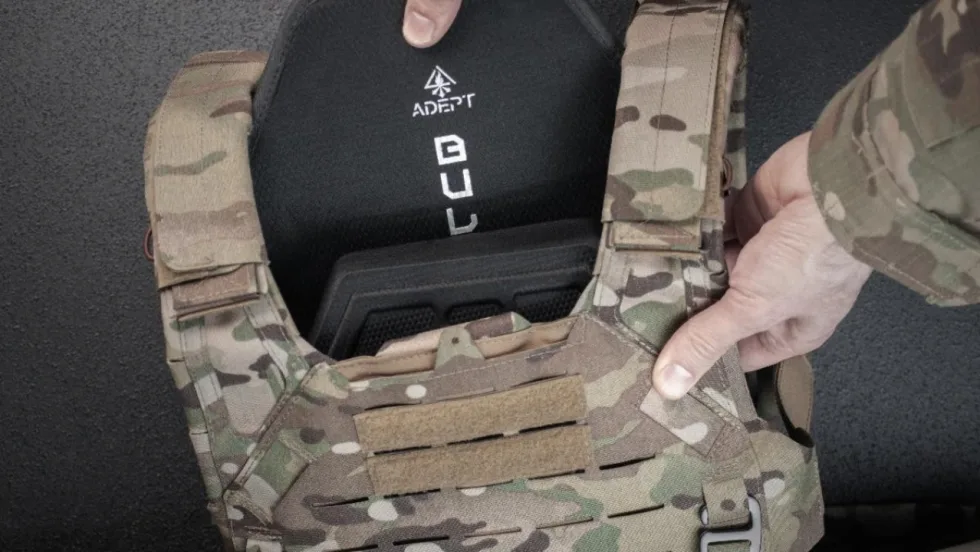
Adept Armor Introduces Two New Rifle Plates
Adept Armor has launched two new Level IV ballistic plates, the Emperor and the Archon Mark 2, which brings Adept Armor’s new Quatroid ceramic to the high-threat, performance-value center of the range at 5.2 pounds.
Read More →
POLICE Product Test: Benchmade Bailout
The Benchmade Bailout is a slim, lightweight carry knife with a deep-ride pocket clip and comes in a variety of blade steels and scales. Here is a detailed review of the Taiga Green Bailout, released earlier this year.
Read More →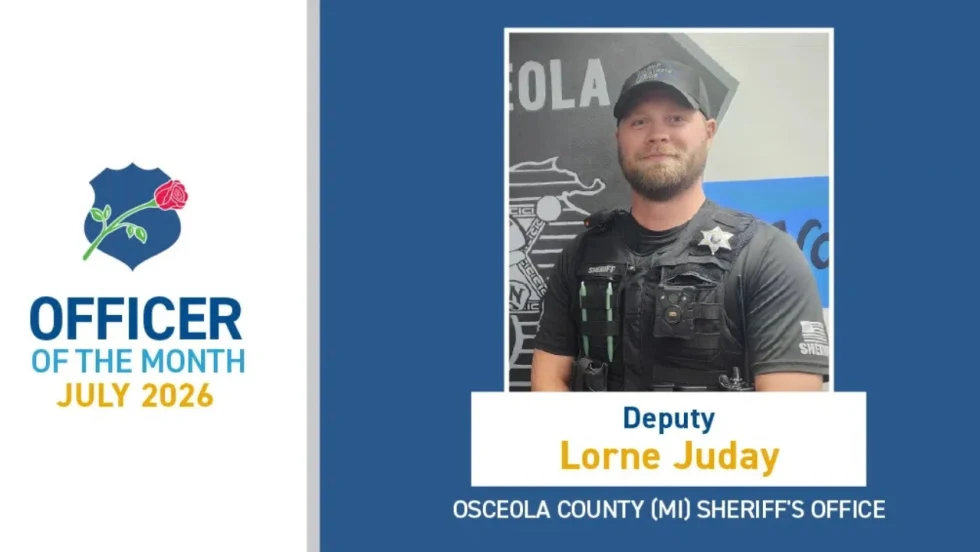
NLEOMF Announces July 2026 Officer of the Month
NLEOMF honored a Michigan deputy sheriff as the July 2026 Officer of the Month for rescuing a trapped driver from a burning vehicle following a Fourth of July crash.
Read More →
Streamlight to Showcase Newest Lighting Products at National Safety Council’s Safety Congress & Expo 2026
Streamlight will showcase its latest lights, including the Portable Scene Light III and the LiteBox 1Million, at the 2026 National Safety Council (NSC) Safety Congress & Expo.
Read More →
The 2027 World Police & Fire Games Set for Perth, Australia
The 2027 World Police & Fire Games (WPFG) will take place in Perth, Western Australia, from Friday, March 12 through Sunday, March 21, 2027.
Read More →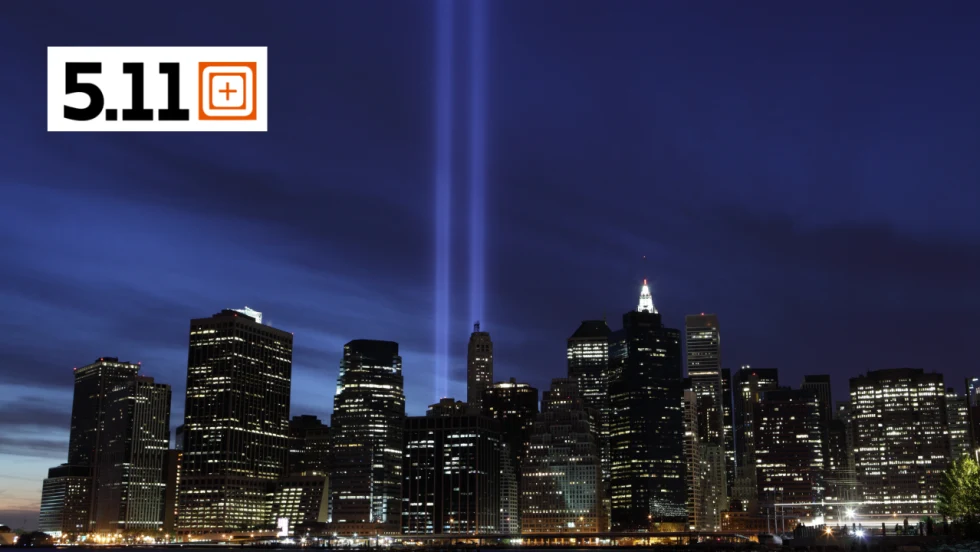
5.11 Partners with National Fallen Firefighters Foundation to Support #ForThe343
5.11 has joined the nationwide movement honoring the 343 New York City Fire Department firefighters lost on Sept. 11, 2001.
Read More →