



Full Disclosure
Two of the basic questions you have when you write an investigative report are "What to put in?" and "What to leave out?" Although these are legitimate questions-because you normally couldn't possibly write down everything you know about a case-it's important to understand that certain things you might consider leaving out should actually be included.

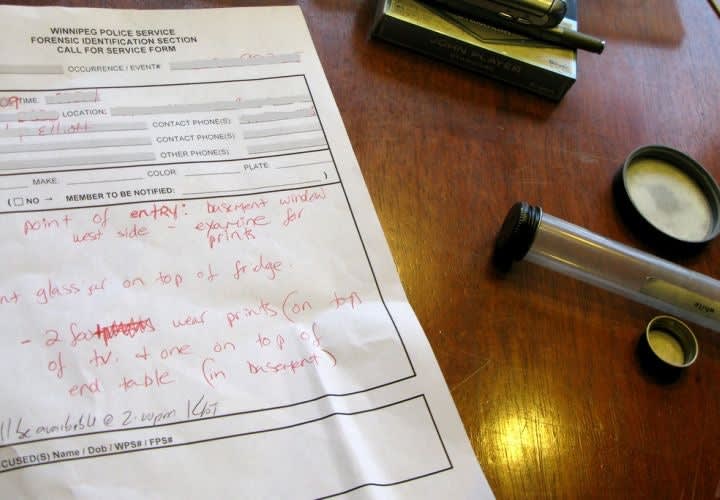
http://www.flickr.com/photos/alanaelliottphotography/ / CC BY-NC-ND 2.0
Two of the basic questions you have when you write an investigative report are "What to put in?" and "What to leave out?" Although these are legitimate questions-because you normally couldn't possibly write down everything you know about a case-it's important to understand that certain things you might consider leaving out should actually be included. They fall into two general categories: exculpatory evidence and "tainted" evidence.
Due Process Disclosure
Very few cases are of the open-and-shut variety. In most cases, there will be some evidence pointing to the suspect's guilt ("inculpatory") and other evidence that appears inconsistent with the suspect's guilt ("exculpatory"). For example, two witnesses might identify the suspect as the perpetrator of the crime, while a third insists that the suspect is not the one; a victim might make a positive ID of a suspected robber who nevertheless has an alibi based on a time clock at his job. When such evidentiary conflicts exist, the general rule is that all of the evidence, both inculpatory and exculpatory, should be reported to the prosecutor for evaluation.
In Brady v. Maryland, the U.S. Supreme Court ruled that the prosecutor's duty to seek justice includes a duty to disclose to the defense any material evidence that might be favorable to the defendant on the issues of guilt or punishment. The court said that a defendant who is tried and convicted of criminal charges where material exculpatory evidence was not disclosed by the prosecution has been denied due process of law as to the fairness of his trial, and is entitled to reversal of the judgment if the non-disclosed evidence undermines confidence in the conviction. (U.S. v. Bagley)
Examples of exculpatory evidence that may have to be disclosed could include a witness's failure to ID, the fact that a witness changed his or her story, a difference between the suspect's physical appearance and the given descriptions, scientific tests that fail to implicate the suspect, trace evidence that does not match the suspect's characteristics, failure to find property or evidence on the suspect that might be expected to be there, and the suspect's explanation or defenses to the charges. In Giglio v. U.S., the Supreme Court held that impeachment material bearing on the credibility of a prosecution witness should also be disclosed, including any consideration or benefits the witness receives from the government, as well as the witness's prior convictions involving moral turpitude.
Law enforcement officers cannot undercut the prosecution's duty of disclosure by simply withholding exculpatory evidence. Courts have said that the prosecutor has a duty to learn of exculpatory material that is within the knowledge or possession of any members of the "prosecution team" and to make required disclosures:
"The individual prosecutor has a duty to learn of any favorable evidence known to others acting on the government's behalf in the case, including the police." (Kyles v. Whitley)
"Because the prosecution is in a unique position to obtain information known to other agents of the government, it may not be excused from disclosing what it does not know but could have learned. A prosecutor's duty under Brady necessarily requires the cooperation of other government agents who might possess Brady material." (U.S. v. Blanco)
Therefore, if police fail to mention exculpatory evidence to the prosecutor, the prosecutor is still liable for the failure to disclose, and a conviction may still come undone on appeal or writ of habeas corpus.
Leaving important exculpatory evidence out of a police report might not only undermine a conviction and result in other sanctions in a criminal case, it could also cause civil liability if a court finds that the evidence was willfully concealed or suppressed by police. (Atkins v. County of Riverside) Courts have also held that the duty of disclosure continues even after conviction and sentencing, so that any new evidence that comes to light that casts doubt on whether justice has been done must be promptly disclosed. Again, civil liability may result from the willful suppression of such information.
Another important reason potentially exculpatory evidence should be included in reports is that in the rare case where the suspect is actually innocent, disclosed evidence might have prevented an injustice (and the escape of the actual guilty party).
For all of these reasons, officers should not "slant" their crime and arrest reports in favor of charging and conviction, but should objectively set forth all available facts and evidence bearing on the issue of guilt and allow the prosecution to evaluate the disclosure requirements, and permit the adversary trial process to determine guilt and punishment. "We are, after all, always engaged in a search for the truth in a criminal case." (Oregon v. Hass)
"Tainted" Evidence
Occasionally, police may discover before submitting a case to the prosecutor that some evidentiary misstep has occurred, rendering the evidence apparently inadmissible. There may be a tendency to omit mention of this evidence in reports, on the assumption that it has no evidentiary value and can only cloud the case. Again, this tendency should normally be resisted, for several reasons.
First, police may be mistaken in their admissibility analysis. The prosecutor may be aware of case law allowing the introduction of evidence thought by police to be tainted. Since the prosecutor is not limited to theories of justification adopted by the police, if the prosecutor can identify an alternative ground of admissibility that simply didn't occur to police, the evidence can still be admitted. (Devenpeck v. Alford-officers arrested the suspect for the wrong offense, but the arrest was still good because there were other legitimate grounds for arrest besides the one relied on by the officers).
Also, even if, for example, a search-and-seizure error has occurred, the prosecutor may be able to establish admissibility of the evidence based on such doctrines as attenuated taint, inevitable discovery, independent source, and good faith. However, if the prosecutor never learns of the existence of the "tainted" evidence because it is mistakenly omitted from reports, these savings doctrines cannot be brought to bear and the evidence is needlessly lost.
Finally, the evidence may have other uses in the case besides proving guilt. Evidence seized in violation of the Fourth Amendment and custodial statements taken without Miranda waivers, while inadmissible in the prosecution case-in-chief, are generally admissible to impeach the defendant if his trial testimony is inconsistent with the evidence or statements. (Walder v. U.S.; Harris v. New York; Oregon v. Hass) Such evidence may also be useful at sentencing (Gagnon v. Scarpelli) and probation or parole revocation proceedings. (Scott v. Pennsylvania Board of Pardons and Parole) The prosecutor may only take advantage of these options, however, if full disclosure of the existence and circumstances of such evidence is contained in police reports.
Summary
There are significant legal and ethical reasons why police officers should include all known material statements and evidence in reports submitted to the prosecutor. Due process disclosure of exculpatory evidence must be determined and made by the prosecutor, and "tainted" evidence may still be fully admissible, or useful for limited purposes. Full reporting helps avoid civil liability, reversals of convictions, and miscarriage of justice.
More Patrol
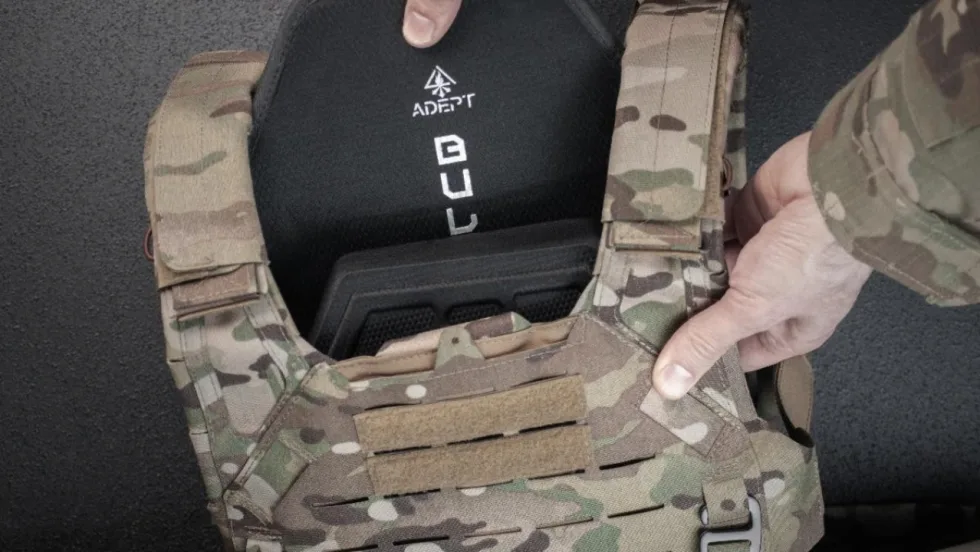
Adept Armor Introduces Two New Rifle Plates
Adept Armor has launched two new Level IV ballistic plates, the Emperor and the Archon Mark 2, which brings Adept Armor’s new Quatroid ceramic to the high-threat, performance-value center of the range at 5.2 pounds.
Read More →
POLICE Product Test: Benchmade Bailout
The Benchmade Bailout is a slim, lightweight carry knife with a deep-ride pocket clip and comes in a variety of blade steels and scales. Here is a detailed review of the Taiga Green Bailout, released earlier this year.
Read More →
NLEOMF Announces July 2026 Officer of the Month
NLEOMF honored a Michigan deputy sheriff as the July 2026 Officer of the Month for rescuing a trapped driver from a burning vehicle following a Fourth of July crash.
Read More →
Streamlight to Showcase Newest Lighting Products at National Safety Council’s Safety Congress & Expo 2026
Streamlight will showcase its latest lights, including the Portable Scene Light III and the LiteBox 1Million, at the 2026 National Safety Council (NSC) Safety Congress & Expo.
Read More →
The 2027 World Police & Fire Games Set for Perth, Australia
The 2027 World Police & Fire Games (WPFG) will take place in Perth, Western Australia, from Friday, March 12 through Sunday, March 21, 2027.
Read More →
5.11 Partners with National Fallen Firefighters Foundation to Support #ForThe343
5.11 has joined the nationwide movement honoring the 343 New York City Fire Department firefighters lost on Sept. 11, 2001.
Read More →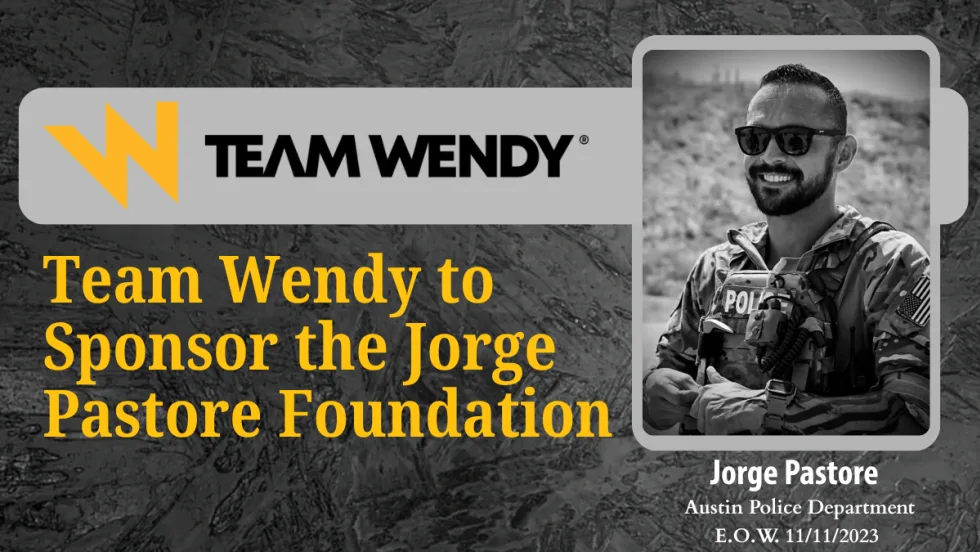
Team Wendy Announces Title Sponsorship of the Jorge Pastore Foundation
Team Wendy’s 3-year partnership with the Jorge Pastore Foundation expands access to programs that strengthen those who serve.
Read More →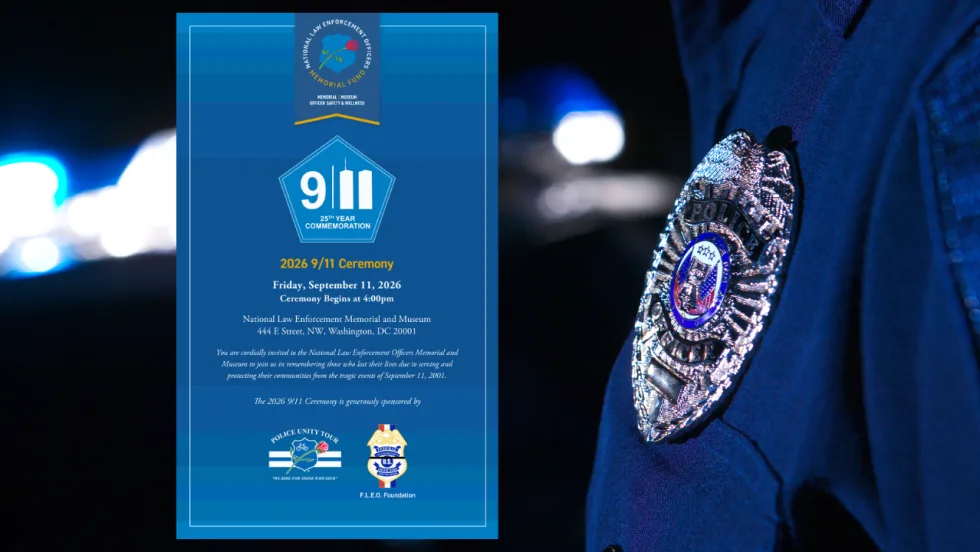
National Law Enforcement Memorial and Museum Hosting 9/11 25th-Year Commemoration Ceremony
The National Law Enforcement Memorial and Museum is hosting a 9/11 25th Year Commemoration Ceremony on Sept. 11 at 4 p.m.
Read More →
National Law Enforcement Officers Memorial Fund Announces June 2026 Officers of the Month
The National Law Enforcement Officers Memorial Fund (NLEOMF) named 15 officers of the Chico Police Department (California) as the Officers of the Month for June 2026 for their roles in responding to an active-shooter incident at a public library.
Read More →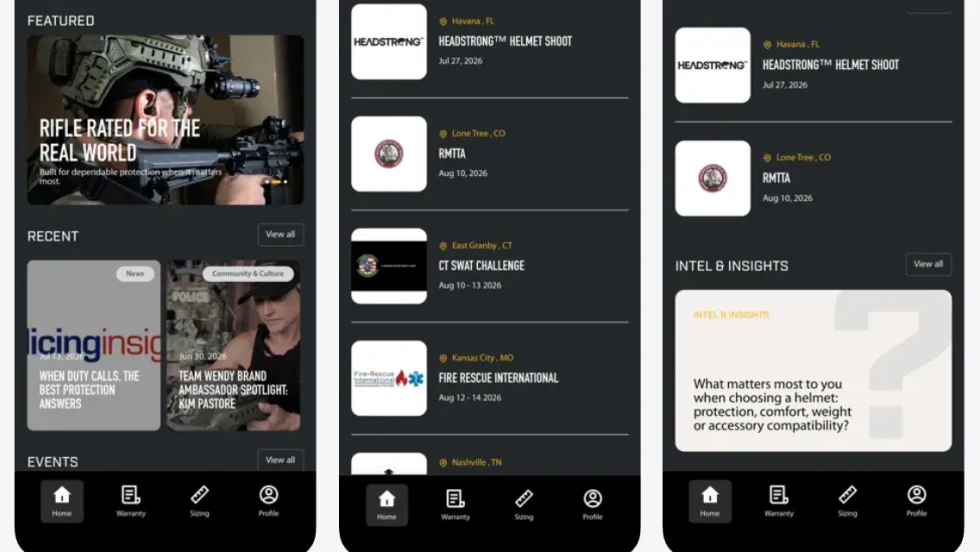
Team Wendy App Creates New Digital Hub for Helmet Owners
The Team Wendy Community App provides one location for warranty registration, size-fit tools, product updates, and community connection. For helmet owners, the new app creates a simpler path to the information and tools that matter most.
Read More →