



A Matter of National Security
We need to find an alternative to oil. But we can’t just wave a magic wand and make it so.

Last month Republican nominee for president Sen. John McCain compared drilling for oil on the coastal plain of the Arctic National Wildlife Refuge (ANWR) to drilling for oil in the Grand Canyon.
I don't think he's ever seen the coastal plain of ANWR. You see, I've been there, and it's no Grand Canyon.
Back in August 1990 when Saddam Hussein invaded Kuwait, I was working for an RV travel magazine. So as a guest of the American Petroleum Institute—an oil industry lobbying group—I found myself on a helicopter tossed around by nasty wind gusts between Prudhoe Bay and Kaktovik, an Inupiat Indian Village (population less than a movie theater on Saturday night) a few miles off of the coastal plain of ANWR.
A few hours later, I was walking the tundra of the coastal plain. About 10 months a year, this area is frozen solid. But in July and August it thaws, leaving puddles of mosquito-infested water and sticky red muck. If you like mud, mosquitoes, and biting flies, it would be an ideal place to build a summer home. One thing's for sure, you wouldn't need air conditioning. The few hours that I was there, it was sleeting.
The coastal plain of ANWR is a miserable place. If it didn't hold potential oil reserves estimated at 20 billion barrels, no one would care what happened to it. God knows I wouldn't.
But it does. So every few years Congress debates whether to open this tiny section of the Reserve up to drilling and the Sierra Club trots out pictures of ANWR. However, they never show the coastal plain. What they show is the gorgeous mountains that are hundreds of miles from the coastal plain. You see, ANWR is larger than a number of states. It's about the size of South Carolina.
If you want to know why people in this country are paying $4 per gallon for gas and law enforcement agencies nationwide are coping with budget-busting fuel costs, blame the greens. They and the Democrats in Congress have prohibited American companies from drilling in ANWR, off the continental shelf, in the Rocky Mountains, and in other oil-rich areas.
Today, while American oil companies are banned from drilling into the deep sea bed between Key West and Cuba, more than half a dozen countries are tapping that oil from Cuban waters. So locking up these oil fields isn't helping the environment of the Keys one iota, nor is it helping the U.S. economy.
The only result from banning oil exploration in certain areas of the United States is that our domestic supply of oil, the lifeblood of industry, public safety, and our military, has dwindled. In 1980, we imported 30 percent of our fuel supply. We now import 60 percent. What that means at $130 per barrel is that we are transferring massive amounts of American wealth to some of our worst enemies, including Iran, Venezuela, and Putin's increasingly belligerent Russia. It also means that if we have to take military action against any of these countries gas could hit $20 a gallon.
The greatest myth of the 21st century is that we are out of oil. We aren't out of oil. It's estimated that there are 2 trillion barrels of the stuff just in the shale of the Rocky Mountains. That's enough to meet our current domestic needs for 250 years. In other words, if we tap that supply, we—not Saudi Arabia—could be the world's greatest exporter of petroleum.
Greens will tell you that it takes 10 years to develop an oil field, so drilling these places will not help us now. That's true. But if Congress had approved drilling in ANWR in 1995 instead of voting against it, we would now have that oil. We wouldn't be paying $4 a gallon for regular. We wouldn't be about to face massive inflation as the oil spike spreads through the entire consumer economy. And our law enforcement agencies wouldn't have to be cutting back on services and asking for more tax dollars to buy fuel. (See cover story on page 50.)
We need to find an alternative to oil. But we can't just wave a magic wand and make it so. Maybe the best way to fund research into alternative fuels would be to tax oil companies $5 a barrel for oil extracted from ANWR, the Rockies, and deep water platforms on our coasts.
We need to drill, and every American needs to let their presidential candidates and congressional reps know how they feel. Otherwise, our standard of living is going to decline and our national security and public safety will be compromised.
More Patrol

Streamlight to Showcase Newest Lighting Products at National Safety Council’s Safety Congress & Expo 2026
Streamlight will showcase its latest lights, including the Portable Scene Light III and the LiteBox 1Million, at the 2026 National Safety Council (NSC) Safety Congress & Expo.
Read More →
The 2027 World Police & Fire Games Set for Perth, Australia
The 2027 World Police & Fire Games (WPFG) will take place in Perth, Western Australia, from Friday, March 12 through Sunday, March 21, 2027.
Read More →
5.11 Partners with National Fallen Firefighters Foundation to Support #ForThe343
5.11 has joined the nationwide movement honoring the 343 New York City Fire Department firefighters lost on Sept. 11, 2001.
Read More →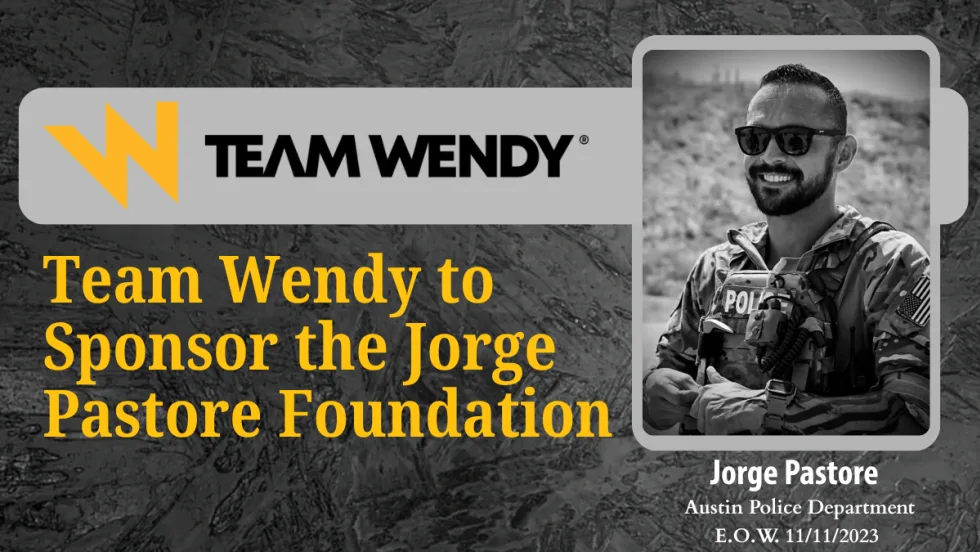
Team Wendy Announces Title Sponsorship of the Jorge Pastore Foundation
Team Wendy’s 3-year partnership with the Jorge Pastore Foundation expands access to programs that strengthen those who serve.
Read More →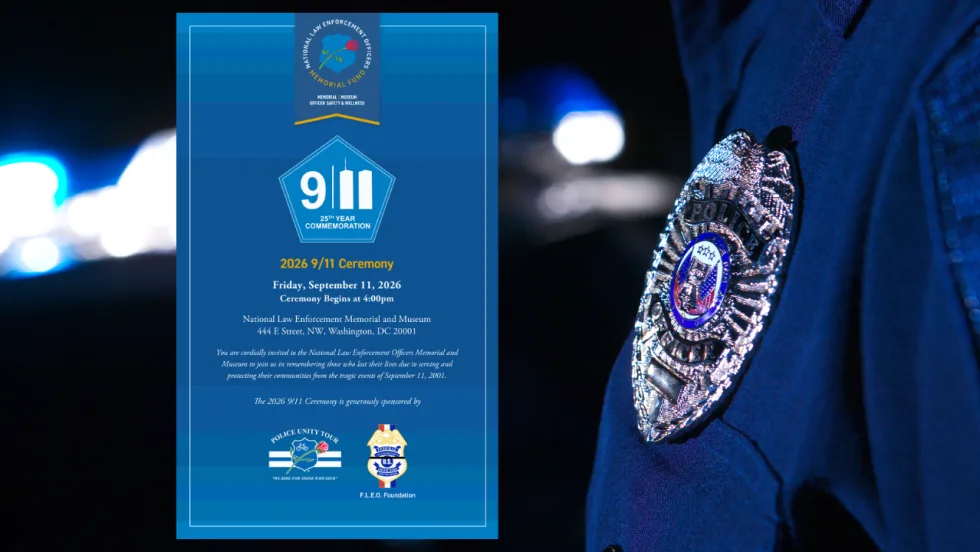
National Law Enforcement Memorial and Museum Hosting 9/11 25th-Year Commemoration Ceremony
The National Law Enforcement Memorial and Museum is hosting a 9/11 25th Year Commemoration Ceremony on Sept. 11 at 4 p.m.
Read More →
National Law Enforcement Officers Memorial Fund Announces June 2026 Officers of the Month
The National Law Enforcement Officers Memorial Fund (NLEOMF) named 15 officers of the Chico Police Department (California) as the Officers of the Month for June 2026 for their roles in responding to an active-shooter incident at a public library.
Read More →
Team Wendy App Creates New Digital Hub for Helmet Owners
The Team Wendy Community App provides one location for warranty registration, size-fit tools, product updates, and community connection. For helmet owners, the new app creates a simpler path to the information and tools that matter most.
Read More →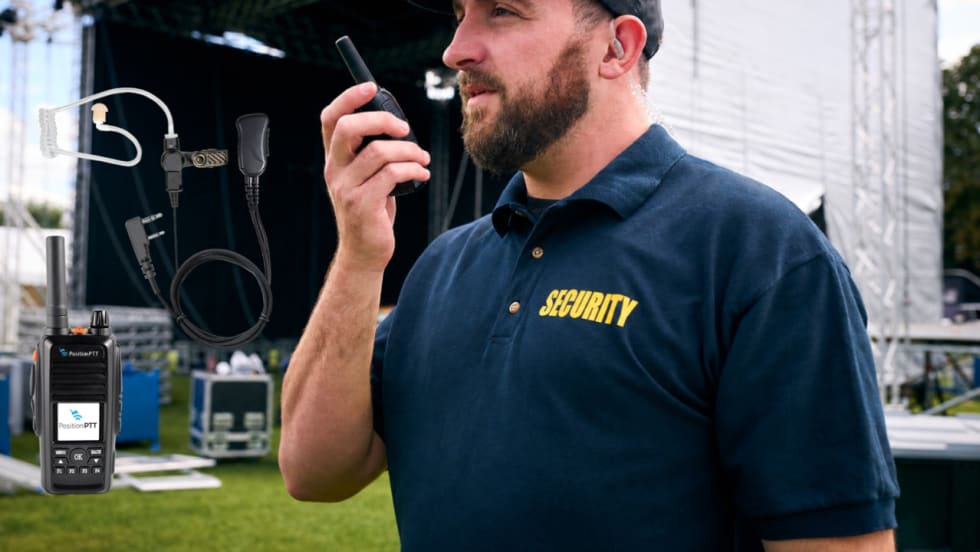
PositionPTT & Pryme Combine Communication Technologies to Deliver Distracted Driving Compliance
Pryme Radio Accessories and hardware/software maker PositionPTT join forces to advance hands-free communications and ensure Department of Transportation compliance using an integrated system of push-to-talk platforms, devices, and audio equipment.
Read More →
Justice Department Releases $25M in Law Enforcement Grants & Resources
The Office of Community Oriented Policing Services has just released $25 million in new grant Notices of Funding Opportunities (NOFOs) to support law enforcement. The recently released NOFOs include the Safer Outcomes: Enhancing Crisis Response Training for Law Enforcement Program and other grant programs.
Read More →
What Makes a Laptop Rugged or Fully Rugged?
What separates a rugged laptop from a fully rugged one? In this video, two Panasonic Connect experts explain the military testing, IP ratings, durability standards, and real-world features that help law enforcement officers rely on their computers in any environment.
Read More →