



Fox's 'Cops' Marks 25 Years on the Beat
This granddaddy of all police reality shows debuted on what was then a struggling Fox TV network back in 1989. Now in its 25th season "Cops" is one of the most popular law enforcement shows with both the public and with actual law enforcement officers.

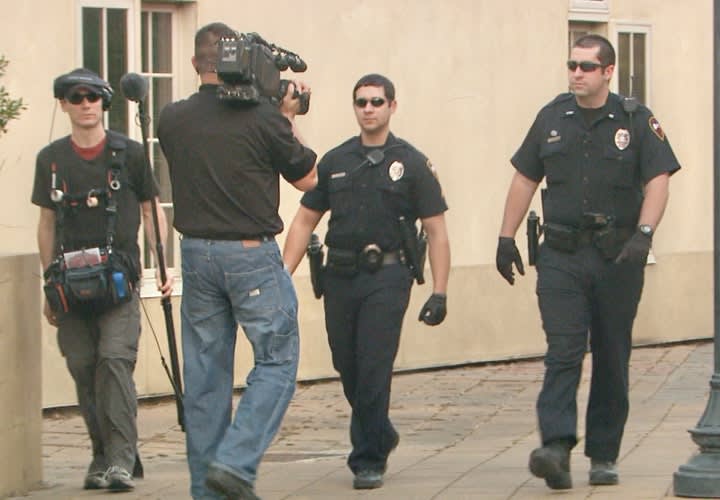
Photo courtesy of "Cops."
It seems that the producers of TV reality shows can't get enough of law enforcement officers on the job. Every day production companies contact law enforcement agencies nationwide, inquiring about making shows on women officers, tactical units, homicide detectives, crime scene officers, and even parking patrols. All of these companies want accommodations, access, and resources from the agency.
But what is the cost to an agency and are there benefits, if any, in agreeing to work with a reality police production? Some agencies have a steadfast policy of no cameras, saying that law enforcement is not entertainment. But the truth is that police work is entertaining to most people, including officers.
So are the chronic nay-saying agencies missing an opportunity to highlight their officers or are they protecting themselves from liability? That's a question that every agency must answer when a major TV production comes calling.
And in the world of law enforcement-based reality television programming, there is no bigger name than "Cops." This granddaddy of all police reality shows debuted on what was then a struggling Fox TV network back in 1989. Now in its 25th season "Cops" is one of the most popular law enforcement shows with both the public and with actual law enforcement officers.
Real police enjoy watching "Cops" because they like to see how other officers handle the situations that they face on the job. And let's face it, a lot of cops like watching other officers so they can critique them. Ask any officer about "Cops" and you'll get a reaction. Some cynically roll their eyes and say that's not for them. Some swear by it, some swear at it.
POLICE Magazine contributor Mark Clark recently sat down for an interview with Zach Ragsdale, associate producer and camera operator for "Cops." The discussion covered the popularity of the show with actual law enforcement and how agencies deal with being selected for the show.
POLICE: How do you respond to critics who say that police work should not be used as entertainment?
Ragsdale: I've worked on "Cops" since 1998, I've ridden in police cars for 13 years, filming the show, and I can't believe anyone would think that police work is not entertaining. Most people have no idea what police officers do, what they have to deal with, and that makes it interesting and entertaining.
POLICE: Do you think the presence of the "Cops" cameras affect the officers' behavior, either for the good or bad?
Ragsdale: Maybe a little bit, some more so than others. We find that it usually takes a few days for the officers to get used to the cameras being there, but after a while, they forget the cameras are there. We try to be unobtrusive; we don't ask them to recreate scenes; and we just follow them and film what they do.
POLICE: There have been incidents in the past, tragic incidents, where people have been hurt while camera crews were filming for police reality shows. Allegations have been made that the officers were acting for the cameras and that caused the bad outcomes.
Ragsdale: I think you have to realize that when bad things happen lawyers will sue and make allegations that may not be proven. I think you're talking about an incident where there was an accidental discharge on a search warrant. That wasn't our show and I can't tell you for sure, but I've heard that the cameras weren't on the search warrant when it happened. Speaking personally, I've not seen officers do things differently or dangerous just for the cameras.
POLICE: Some critics say that your show and the other reality-based law enforcement shows glorify police work to the point where they distort "reality." What are your thoughts on that?
Ragsdale: I think there have been other companies, a lot of companies that have tried to get into reality-based law enforcement television programming. What they do is project their own ideas as to what law enforcement is and what law enforcement does. Instead of documenting what police officers do, they interject their perceptions of what the police should be doing. Myself, I don't agree with that. It bothers me to see it. If you compare "Cops" to most reality shows, we don't fit into the formula that most reality shows follow. "Cops" isn't a game show; it doesn't have a win or lose outcome. "Cops" is more of a documentary television show; we document what happens on the street with real officers.
POLICE: You obviously need the approval and cooperation of the police agencies you film. What are some of the reasons for an agency to agree to allow your cameras in and why have some said no to "Cops?"
Ragsdale: The most common reason that I hear from departments for not allowing us to film is the misconception that we air everything we film and that scares them. That simply isn't true. Everything that you see on "Cops" has been reviewed and approved by the [participating] agency. We want to make sure that a department is represented the way that they want to be represented. We're not there to make them look bad; we're there to make them look good, to show them doing a difficult job in a professional manner. Departments have the final say as to what goes on our show. Most of the stories we submit to the agencies get approved. Occasionally, they say no to a clip because it shows a policy violation or something they aren't comfortable with. If they say no for any reason, we don't use it.
POLICE: Given the current competition among departments to draw the best-qualified officer candidates, can you see a marketing advantage for departments to have "Cops" film their officers at work?
Ragsdale: There are definitely positive outcomes to having "Cops" in your city. The feedback we get is that it's great for recruiting. If you were to go into any police academy class and ask the recruits if they watch "Cops," it is almost guaranteed that every hand would go up. If you want to get into law enforcement, then you watch shows about law enforcement. I have spoken to many officers who have picked a specific agency because they saw that agency or one of its officers on "Cops."
POLICE: What is your opinion on the future of reality-based police programming on television?
Ragsdale: I think it's short-lived. I'm finding more and more departments are saying no to any reality-based film crews because they have been burned by another show. A production company sold them an idea and they were disappointed with what they got. It leaves a bad taste in their mouth, and they are just not interested in working with any TV producers anymore. It's too bad because there is a positive, real way to show police work, and I think "Cops" has been showing that for many years.
Mark Clark is a 27-year veteran police sergeant. He has served as public information officer, training officer, and as supervisor for various detective and patrol squads.
More Patrol

Team Wendy Announces Title Sponsorship of the Jorge Pastore Foundation
Team Wendy’s 3-year partnership with the Jorge Pastore Foundation expands access to programs that strengthen those who serve.
Read More →
National Law Enforcement Memorial and Museum Hosting 9/11 25th-Year Commemoration Ceremony
The National Law Enforcement Memorial and Museum is hosting a 9/11 25th Year Commemoration Ceremony on Sept. 11 at 4 p.m.
Read More →
National Law Enforcement Officers Memorial Fund Announces June 2026 Officers of the Month
The National Law Enforcement Officers Memorial Fund (NLEOMF) named 15 officers of the Chico Police Department (California) as the Officers of the Month for June 2026 for their roles in responding to an active-shooter incident at a public library.
Read More →
Team Wendy App Creates New Digital Hub for Helmet Owners
The Team Wendy Community App provides one location for warranty registration, size-fit tools, product updates, and community connection. For helmet owners, the new app creates a simpler path to the information and tools that matter most.
Read More →
PositionPTT & Pryme Combine Communication Technologies to Deliver Distracted Driving Compliance
Pryme Radio Accessories and hardware/software maker PositionPTT join forces to advance hands-free communications and ensure Department of Transportation compliance using an integrated system of push-to-talk platforms, devices, and audio equipment.
Read More →
Justice Department Releases $25M in Law Enforcement Grants & Resources
The Office of Community Oriented Policing Services has just released $25 million in new grant Notices of Funding Opportunities (NOFOs) to support law enforcement. The recently released NOFOs include the Safer Outcomes: Enhancing Crisis Response Training for Law Enforcement Program and other grant programs.
Read More →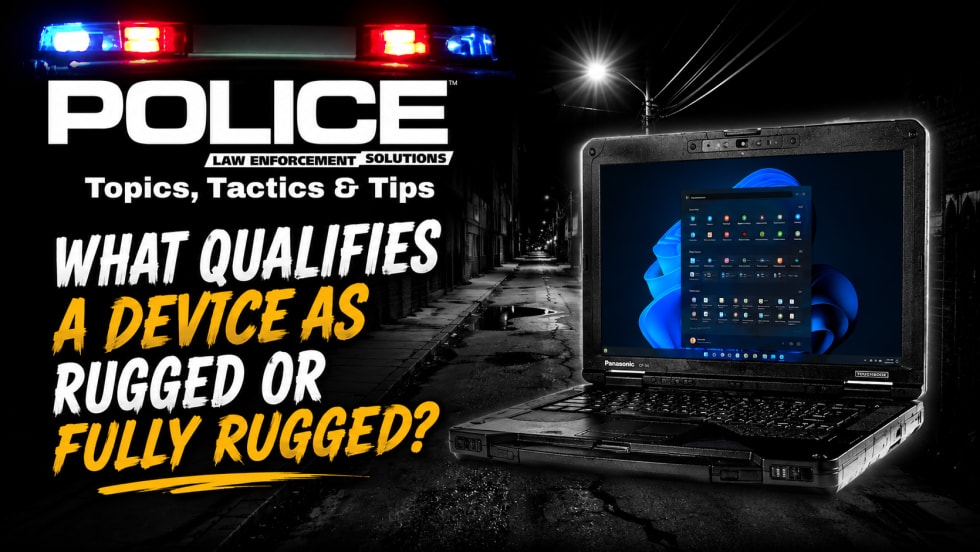
What Makes a Laptop Rugged or Fully Rugged?
What separates a rugged laptop from a fully rugged one? In this video, two Panasonic Connect experts explain the military testing, IP ratings, durability standards, and real-world features that help law enforcement officers rely on their computers in any environment.
Read More →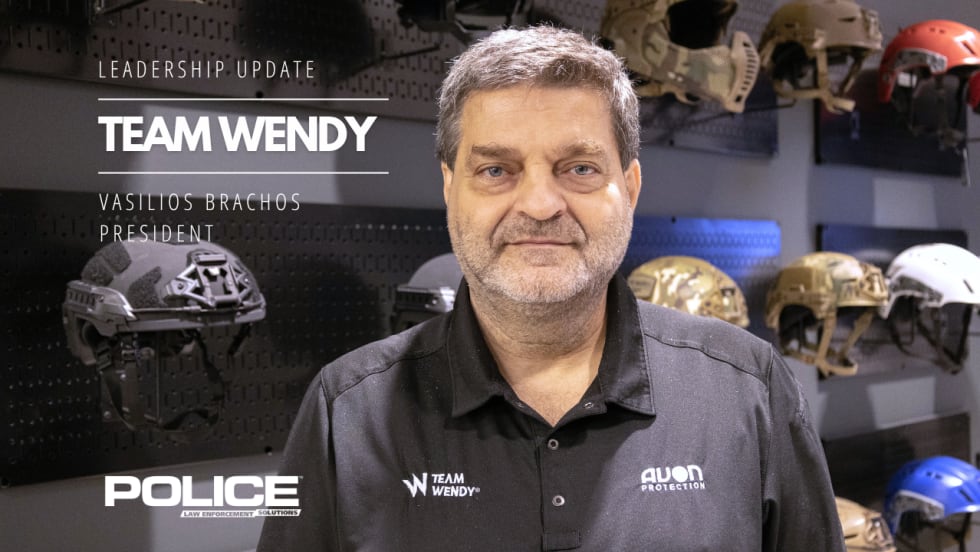
Avon Technologies Appoints Vasilios Brachos as Team Wendy President
Longtime ballistic helmet leader Vasilios Brachos has been selected to guide the next chapter of protection, innovation, and growth at Team Wendy.
Read More →
Brinc Raises $125M to Put a 911 Response Drone on Every Police and Fire Station Roof
The latest round of funding, $125 million, can help fuel Brinc’s mission to deploy 911-response drones at the 80,000 police and fire stations across the United States.
Read More →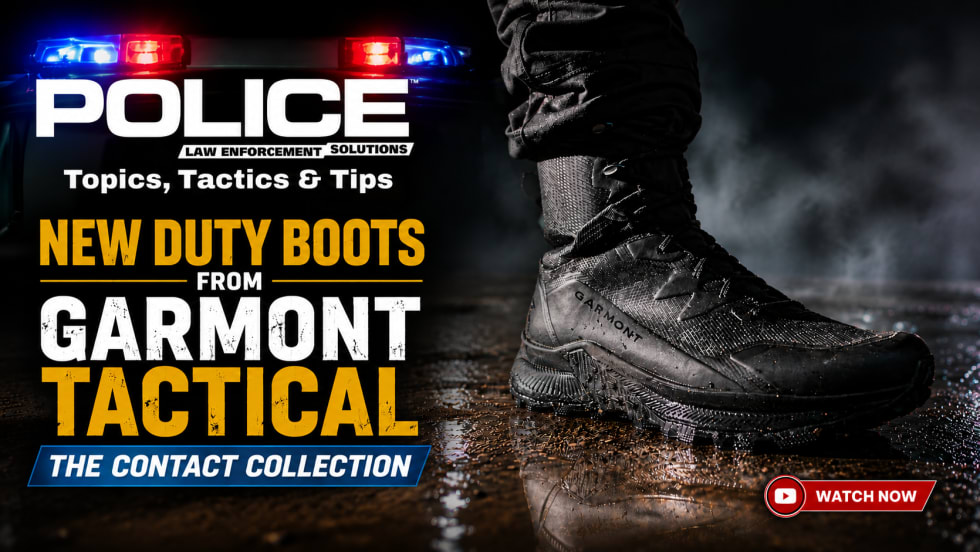
Garmont Tactical Contact Collection: New Duty Boots for Law Enforcement
Choosing the right duty boot can make a significant difference during long shifts. In this video overview, Kyle Ferdyn, of Garmont Tactical, introduces the new Contact Collection, designed specifically for law enforcement professionals seeking comfort, traction, and durability.
Read More →