



Oakley's PRIZM Shooting Lenses
Performance eyewear manufacturer Oakley has long been known for consulting with its customers and potential customers before developing a new product line. The development process for the company's new PRIZM lenses is not an exception.

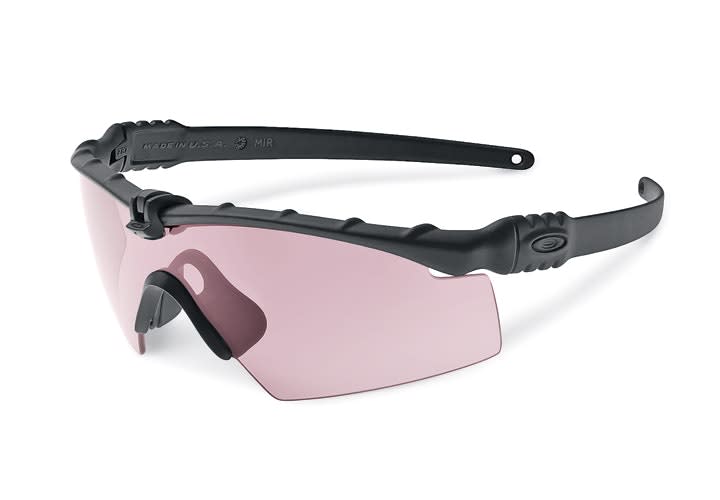
Photo: Oakley
Performance eyewear manufacturer Oakley has long been known for consulting with its customers and potential customers before developing a new product line. The development process for the company's new PRIZM lenses is not an exception.
Designed for shooters, the military, and law enforcement, PRIZM lenses debuted in January at the 2014 SHOT Show. However, the development of the product began in 2012.
Drew Wallace, Oakley's product manager for its defense lines, says the development of PRIZM began with input from the military special operations community. That input was then used to create a problem statement.
"The military spec ops community and the combat shooters wanted a lens that would help them pick up targets faster with a reduction in eye fatigue," Wallace says. "They also wanted to be able to do that in different environments and in different lighting conditions."
With the problems faced by its customers clearly articulated, Oakley set out to find a way to solve them. The result is the PRIZM lens, which does exactly what Oakley's customers wanted it to do: It puts less strain on the eye and enhances contrast to make targets easier to acquire.
Wallace, a former Army Ranger, says PRIZM's technology was derived from years of lens development working with the SOF community. "We work closely with the SOF community to understand the level of protection they need from a lens whether that is protection from explosive fragmentation or harmful infrared lasers. PRIZM utilizes years of research and unique, proprietary dye compounding to enhance specific colors and block others."
Although PRIZM lenses are new to the market, prototypes have been tested with a number of different military and law enforcement units for nearly a year.
Some of the first field evaluations of PRIZM lenses were conducted by the Army Marksmanship Unit. "Each soldier in that unit puts 60,000 to 70,000 rounds downrange per year," Wallace says. "They compete in three-gun competitions and the Olympics. All they do is shoot."
The Marksmanship Team liked what it could see with the prototype PRIZM lenses. "During the development process, they told us they wanted to be able to see grease marks on cardboard. They wanted to see the small holes their rounds made in the paper targets downrange. And they wanted to see the steel targets pop out against the foliage and against dirt berms. So that's what we gave them. And when they started using them, they instantly had that 'wow' factor."
Oakley says PRIZM lenses were developed for both the range and for military and law enforcement operations, including patrol duties. Wallace says the lenses are currently on duty with a U.S. Border Patrol mounted unit in Arizona, the California Highway Patrol, the Secret Service, the FBI, and other law enforcement agencies.
"Their original intended use was shooting, but we are finding the PRIZM technology lends itself to target acquisition, and a target can be anything, not just something you are going to shoot," Wallace says.
PRIZM lenses are currently available for Oakley's Ballistic M Frame, Radar, and Flak Jacket frames. Buyers can choose a single lens, two lens array, or a three lens array. The two lens array offers a TR22 (bright light) and a TR45 (low light), while the three lens array offers both PRIZM lenses as well as a clear lens.
Set in an M Frame, the lenses are Mil-Spec and ANSI Z87.1-2003/2010 compliant. In the Flak Jacket and Radar frames, the lenses meet ANSI Z87.1-2003/2010 impact standards.
More Patrol

Why Tennessee’s New Deadly Force Law Matters Beyond Tennessee
Tennessee’s new deadly force law is more limited than many may realize. Effective July 1, 2026, the law applies to a person who is not engaged in conduct that would constitute a felony or a Class A misdemeanor and who is in a place where the person lawfully resides. But it could have far-reaching influence.
Read More →
When Do You Transport a Wounded Officer by Police Vehicle?
Time-sensitive injuries like penetrating trauma mean a wounded officer needs to reach a trauma center as soon as possible, and in some cases, that means transporting by police vehicle rather than waiting for EMS. What are the factors to consider in making that transport decision?
Read More →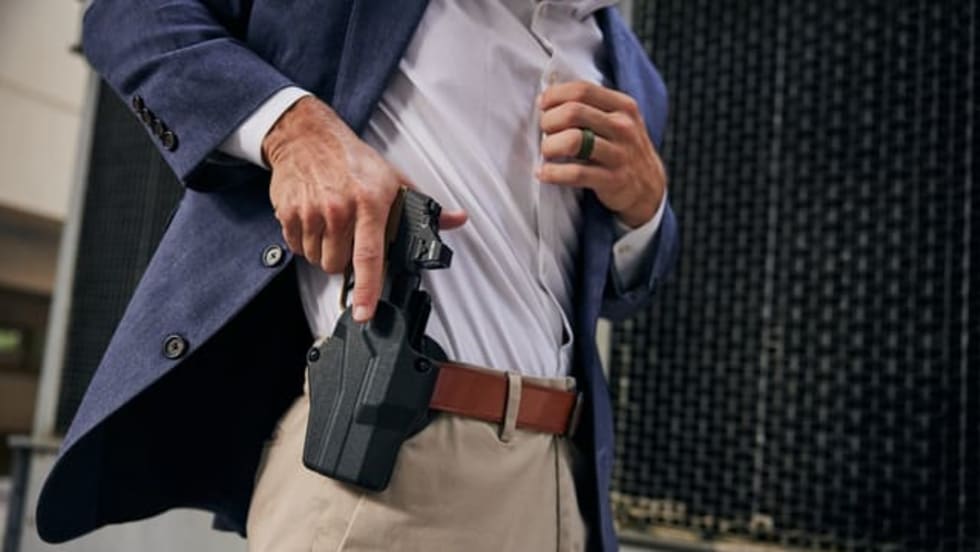
Safariland Solis Rethinks Concealable Duty
What if Level I retention didn’t require a full duty rig? Safariland’s Solis delivers trusted ALS security in a streamlined OWB platform built for administrative and plainclothes professionals who need protection without the bulk.
Read More →
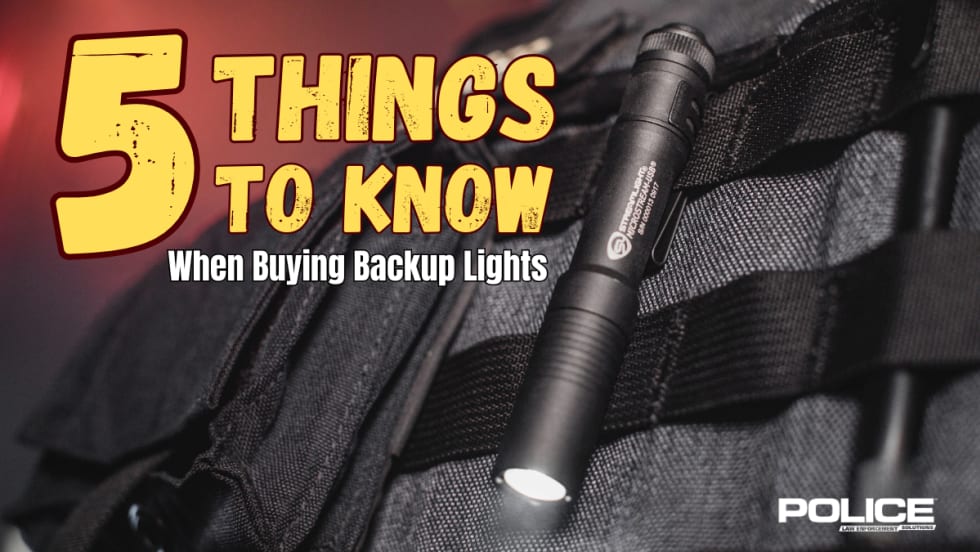
5 Things to Know When Buying Backup Lights for Patrol Use
What is the value of a backup light, and what do you need to consider when selecting one? These smaller lights are invaluable as a secondary or special-purpose light and can be easily carried in a pocket or clipped to MOLLE gear, a key chain, shirt, or a vest.
Read More →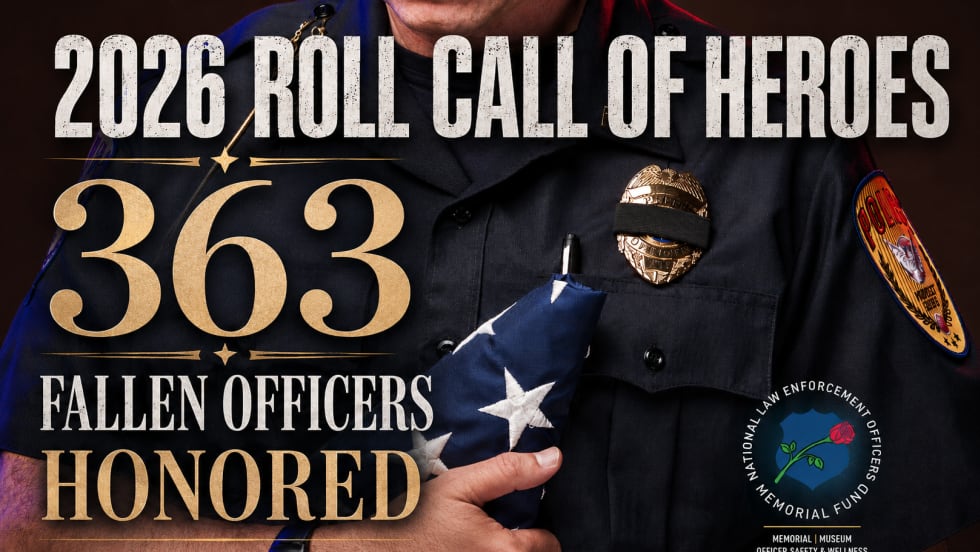
363 Fallen Officers Honored During National Police Week
In case you missed NELOMF’s annual Candlelight Vigil, here are all 363 names of the fallen officers whose names were added to the National Law Enforcement Officers Memorial this year.
Read More →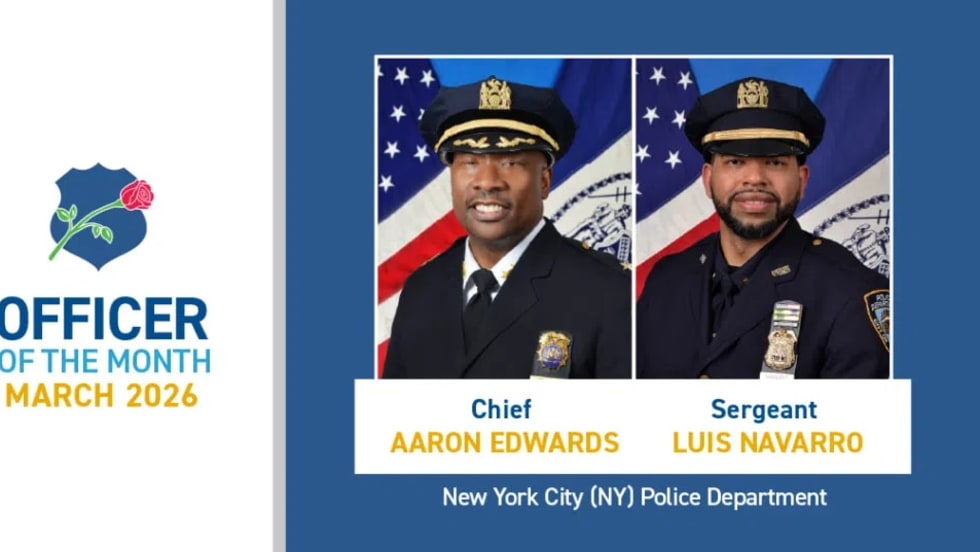
NYPD Officers Who Responded Quickly During IED Incident Recognized as NLEOMF Officers of the Month
Chief Aaron Edwards and Sgt. Luis Navarro were recognized by NLEOMF as Officers of the Month for their response during an IED incident and their actions that helped prevent harm to the public.
Read More →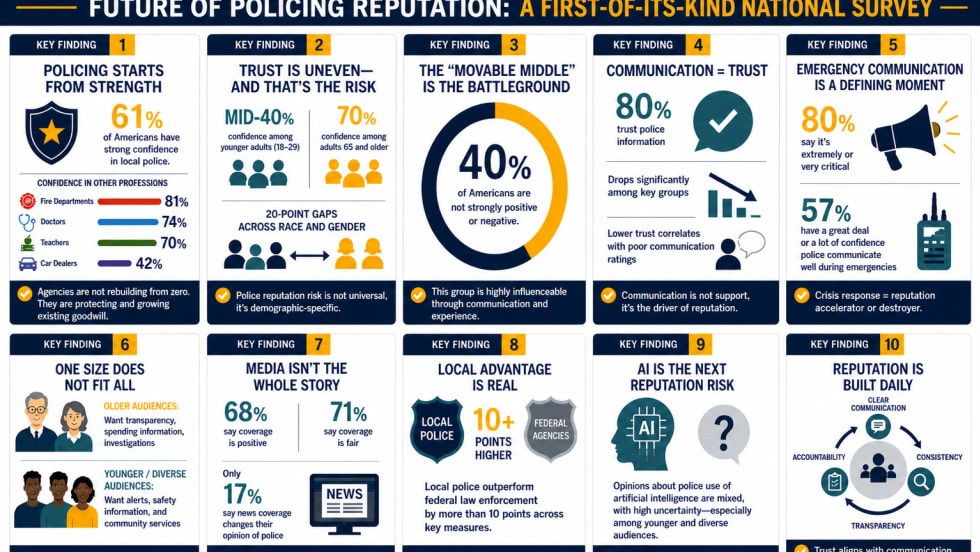
National Police Survey Reveals How Americans View Policing Today
A new national survey offers a comprehensive look at how Americans view policing. The study uncovers public sentiment toward local vs. federal police, communications, crisis response, the use of AI in policing, and more.
Read More →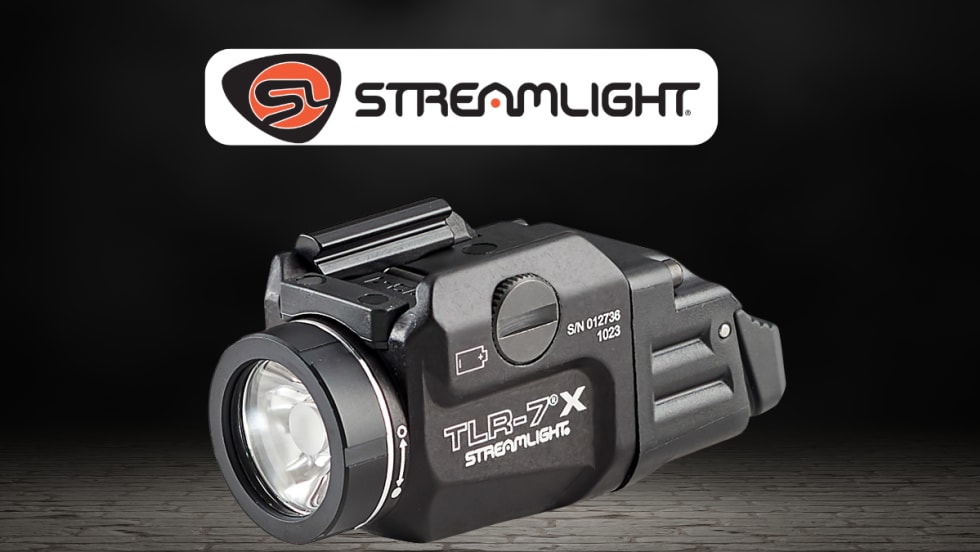
Streamlight TLR-7 X Selected as Standard Issue Pistol Light by Canadian Federal Police
The Canadian Federal Police will be adding a new duty pistol system, which will include Streamlight’s TLR-7 X and a Glock 45 MOS 7 pistol with a red dot sight.
Read More →
Fallen Law Enforcement Officers from Across the Country to be Honored During 38th Annual Candlelight Vigil on May 13th in Washington, D.C.
The National Law Enforcement Officers Memorial Fund (NLEOMF) will honor 363 fallen officers who have died in the line of duty as their names are added to the National Law Enforcement Officers Memorial during the annual Candlelight Vigil on May 13.
Read More →
What Should Be in Your IFAK?
What should every officer include in an IFAK? Sydney Vail, M.D., a veteran trauma surgeon and former SWAT surgeon, explains which components are needed and which are not, and stresses training.
Read More →