



Protecting 9/11 First Responders
Since the 2001 attacks, over 100 law enforcement officers have died from 9/11-related illnesses due to sustained toxin exposure. Finally, our government seems poised to do more than just remember our fallen heroes.

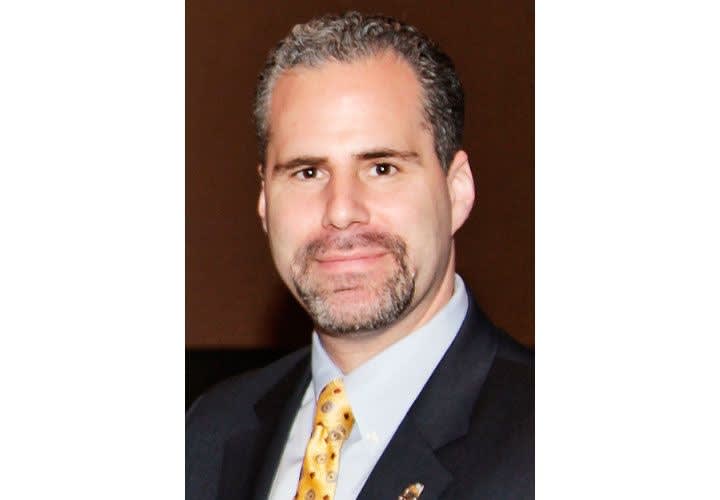
Fifteen years ago last month, 72 law enforcement officers made the ultimate sacrifice on September 11, 2001. Unfortunately, the death toll of fallen 9/11 heroes continues to rise. Since the 2001 attacks, over 100 law enforcement officers have died from 9/11-related illnesses. These 9/11 first responders have been stricken with various forms of cancer and other fatal ailments due to sustained toxin exposure. Finally, our government seems poised to do more than just remember our fallen heroes.
The James Zadroga 9/11 Health and Compensation Act was reauthorized this year, and there is sustained funding to provide screening and treatment for our 9/11 first responders. This includes a comprehensive annual medical exam that is geared toward identifying the known symptoms and illnesses associated with the toxin exposure.
I was one of the responders to the World Trade Center attacks. And today, after a five-year lapse, I recently went for my annual 9/11 medical exam. It took me a while to realize that denial was not an effective form of preventive medicine, and I'm glad I went.
I remember the evening of 9/11, while still at Ground "Hero," I took off my dust mask, looked at it, and laughed. Like all of the men and women who were there, I realized the dust-mask was useless and the exposure would probably revisit me at a later date. I didn't care then, and in retrospect—same as the others—I'd do it again. But I am very thankful for those who advocated tirelessly for the 9/11 bill and its reauthorization.
If you were a first responder and aren't enrolled in the World Trade Center Health Program (WTCHP), I am pleading with you to do it now. It doesn't matter if you think your department or agency will cover any of your medical expenses. This is not just about addressing our wellness; it's also about ensuring your family is provided for in case the badness revisits us.
I recommend visiting the 9/11 health watch Website for updated information on 9/11-related health issues, as well as how to enroll in the WTCHP (www.911healthwatch.org). Please remember that tomorrow isn't guaranteed for anyone, so enroll as soon as possible. The program can't help us unless we enroll, and prolonging our lives is better than the alternative.
In addition to the WTCHP, all 9/11 first responders should be aware of the recent progress made with the Public Safety Officers' Benefit (PSOB) program. This program is administered by the Department of Justice's Bureau of Justice Assistance, and provides death and/or disability benefits to public safety officers and their families (www.psob.gov). The program currently issues a one-time payment of $339,881 to the beneficiaries of an officer killed in the line of duty on October 15, 2015, or after. Surviving family members can apply online for this benefit, as well as for children's educational assistance, by visiting the PSOB website which has been recently upgraded.
Unfortunately, the PSOB had not previously recognized 9/11 cancer fatalities as line-of-duty related. Due to a lack of medical research, the PSOB officials held the position that there was insufficient evidence to demonstrate a nexus between the 9/11 toxin exposure and the fatal ailments. Thanks to the research efforts of Dr. John Howard from the National Institute for Occupational Safety and Health (NIOSH), the nexus threshold has finally been met. Howard, in his role as the lead medical expert in the WTCHP, was able to identify over 50 forms of cancer associated with 9/11 toxin exposure, and has identified latency periods to assist in proving the nexus. Through the unrelenting advocacy of the PSOB Working Group, comprised of the leaders from national law enforcement officer and fire-fighter groups, the PSOB has embraced Howard's research and the WTCHP's findings. The PSOB has recently issued a PSOB proposed rule for processing 9/11-related death claims. In the proposed rule, the PSOB effectively adopts the findings of the WTCHP, and establishes standards for certifying an injury/illness as line-of-duty related.
There are currently 140 9/11 death and disability claims on file with the PSOB. It appears the PSOB will finally begin what the National Law Enforcement Officers Memorial Fund (NLEOMF) has done: honor 9/11 heroes who have succumbed to the fatal diseases associated with sustained toxin exposure. The names of 13 fallen 9/11 heroes have been inscribed on the National Law Enforcement Officers Memorial Wall in Washington, DC. It is expected that the NLEOMF will be able to honor more 9/11 heroes during the next Candlelight Vigil on May 13, 2017.
More Patrol

Streamlight Portable Scene Light III Wins 2026 OH&S New Product of the Year Award
Streamlight’s Portable Scene Light III has won the 2026 Occupational Health & Safety (OH&S) New Product of the Year Award in the Lighting category.
Read More →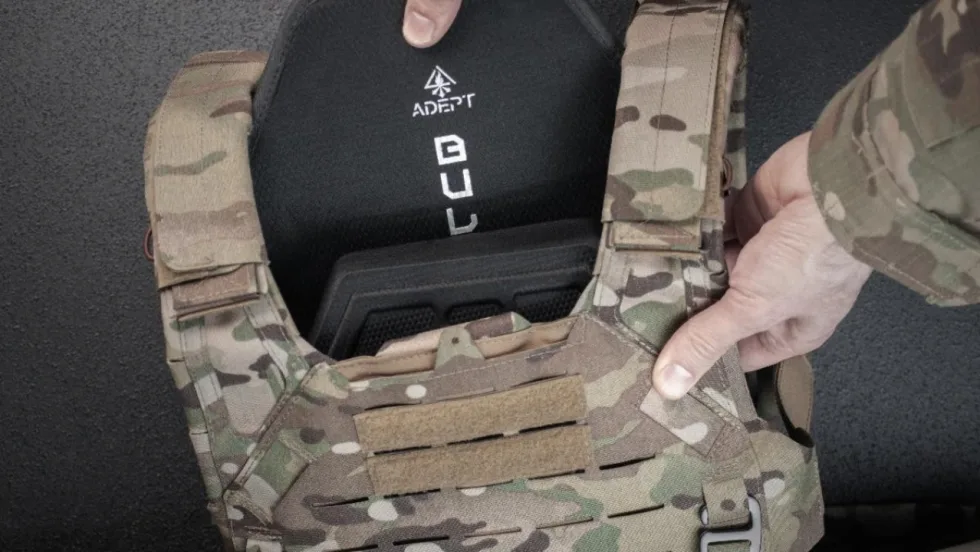
Adept Armor Introduces Two New Rifle Plates
Adept Armor has launched two new Level IV ballistic plates, the Emperor and the Archon Mark 2, which brings Adept Armor’s new Quatroid ceramic to the high-threat, performance-value center of the range at 5.2 pounds.
Read More →
POLICE Product Test: Benchmade Bailout
The Benchmade Bailout is a slim, lightweight carry knife with a deep-ride pocket clip and comes in a variety of blade steels and scales. Here is a detailed review of the Taiga Green Bailout, released earlier this year.
Read More →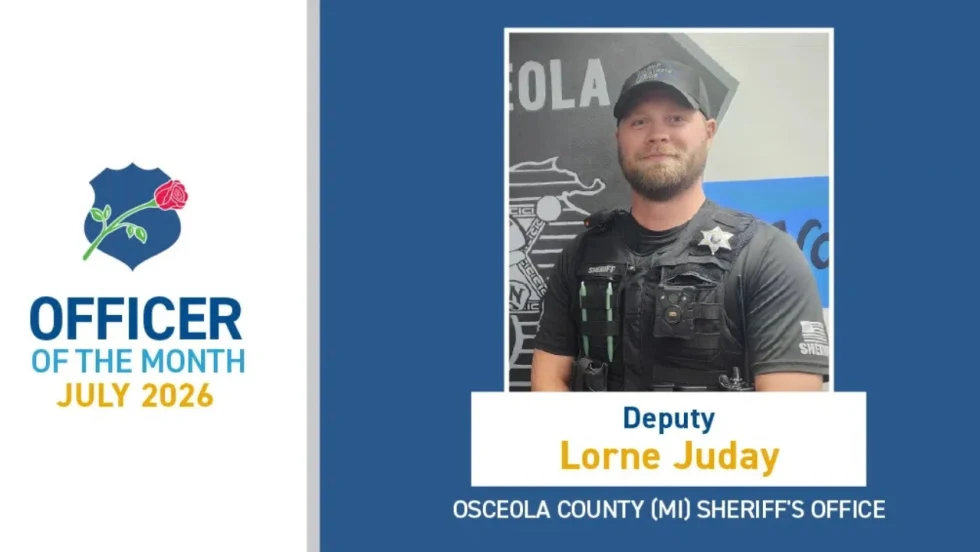
NLEOMF Announces July 2026 Officer of the Month
NLEOMF honored a Michigan deputy sheriff as the July 2026 Officer of the Month for rescuing a trapped driver from a burning vehicle following a Fourth of July crash.
Read More →
Streamlight to Showcase Newest Lighting Products at National Safety Council’s Safety Congress & Expo 2026
Streamlight will showcase its latest lights, including the Portable Scene Light III and the LiteBox 1Million, at the 2026 National Safety Council (NSC) Safety Congress & Expo.
Read More →
The 2027 World Police & Fire Games Set for Perth, Australia
The 2027 World Police & Fire Games (WPFG) will take place in Perth, Western Australia, from Friday, March 12 through Sunday, March 21, 2027.
Read More →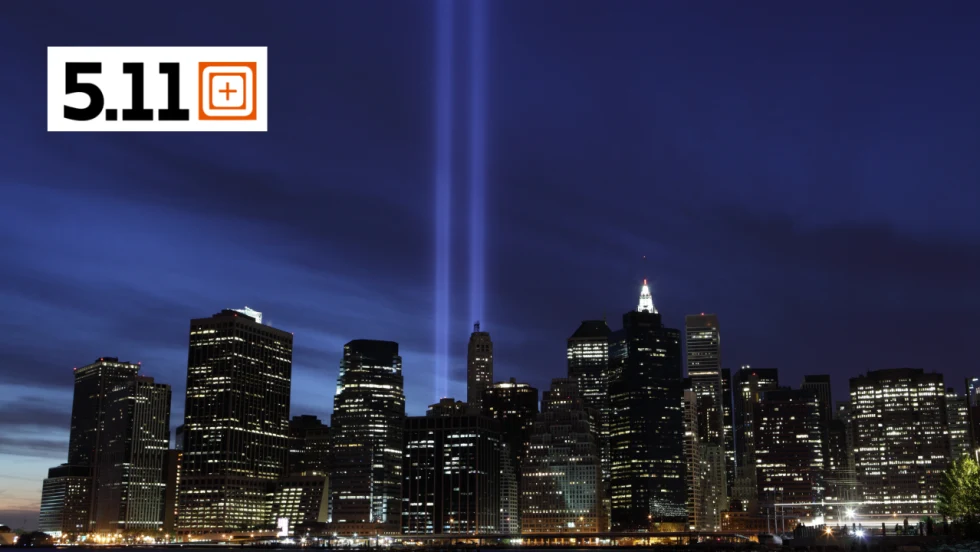
5.11 Partners with National Fallen Firefighters Foundation to Support #ForThe343
5.11 has joined the nationwide movement honoring the 343 New York City Fire Department firefighters lost on Sept. 11, 2001.
Read More →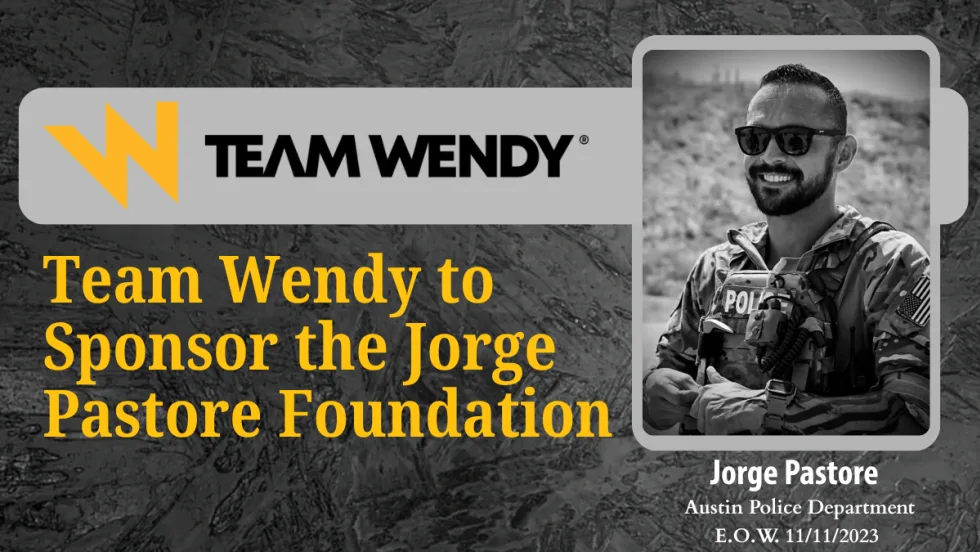
Team Wendy Announces Title Sponsorship of the Jorge Pastore Foundation
Team Wendy’s 3-year partnership with the Jorge Pastore Foundation expands access to programs that strengthen those who serve.
Read More →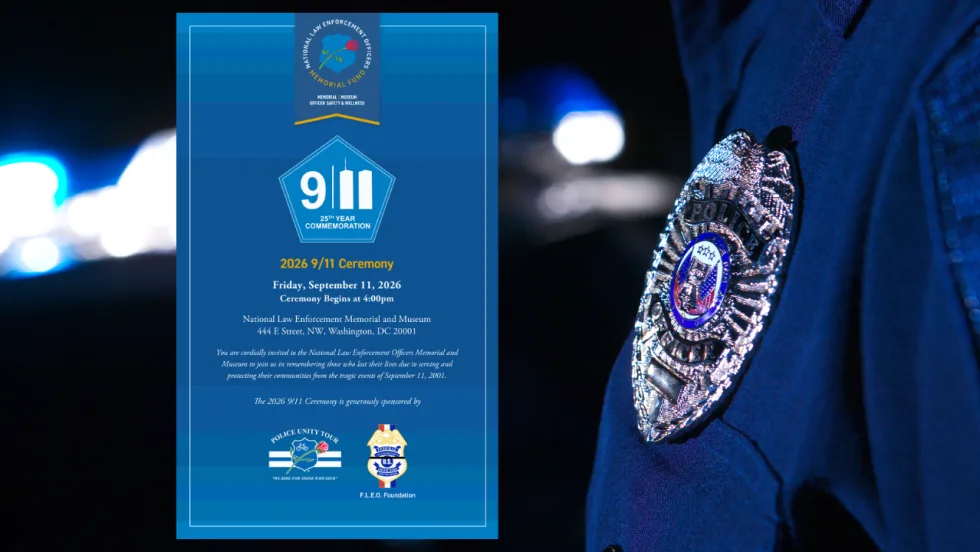
National Law Enforcement Memorial and Museum Hosting 9/11 25th-Year Commemoration Ceremony
The National Law Enforcement Memorial and Museum is hosting a 9/11 25th Year Commemoration Ceremony on Sept. 11 at 4 p.m.
Read More →
National Law Enforcement Officers Memorial Fund Announces June 2026 Officers of the Month
The National Law Enforcement Officers Memorial Fund (NLEOMF) named 15 officers of the Chico Police Department (California) as the Officers of the Month for June 2026 for their roles in responding to an active-shooter incident at a public library.
Read More →