



2 Ways to Stop Mass Attacks
Allowing law enforcement officers to carry in public places off duty and adjusting shifts at major events could prevent or quickly end many mass shootings.

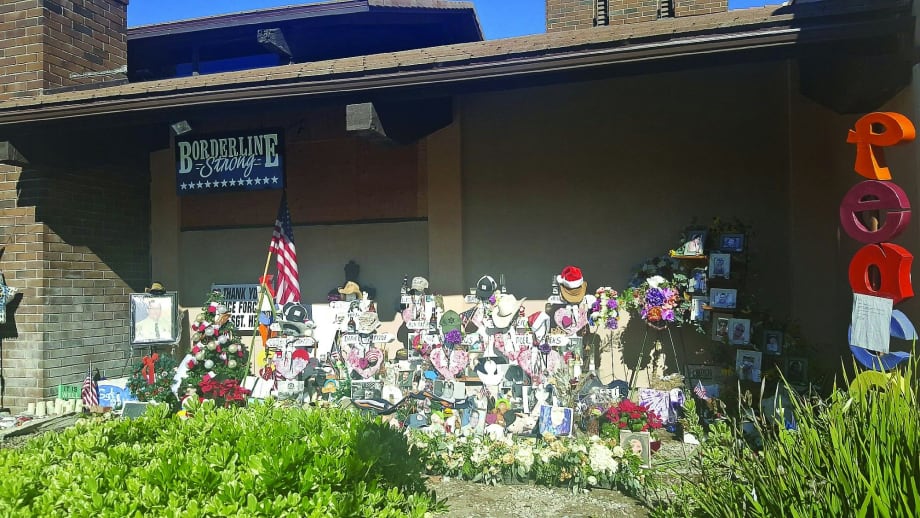
Imagine how much more courageous the officers at the Borderline could have been if they'd had their guns to stop the shooter.
Photo: Lynn Hamilton
After the horrific mass shooting on Nov. 7, 2018 at the Borderline Bar and Grill in Thousand Oaks, CA, that left 12 dead, including a sheriff's sergeant, Ventura County Sheriff Geoff Dean revealed that there were six cops inside during the incident and none of them had their guns. Three LAPD officers, two Oxnard PD officers, and an officer from another agency shielded several people from harm and should be commended for their bravery in an obviously chaotic situation. But imagine how much more courageous they could have been if they'd had their guns and could have stopped the shooter. Sometimes cops don't carry their guns off duty by choice and other times they are prevented from doing so by the policy of the facility they want to enter.
Stopping mass attacks calls for bold thinking, so here are two ways to maximize the law enforcement advantage:
Step 1: Give cops their guns back at public events. Until the day comes when we can accurately predict when a potential shooter will attack, all qualified off-duty and honorably retired officers should always be allowed to carry concealed into a public event.
Step 2: Change the way law enforcement officers and security guards staff large events by splitting their shifts.
Let LEOs Carry at Public Events
As to Step 1, after 9/11, we saw a gradual movement toward restricting cops from bringing their guns into places like Disneyland and Universal Studios; NFL, NBA, NHL, and MLB games; and concerts. The unarmed security guards running the metal detectors followed their bosses' wishes and kept cops from legally bringing their guns inside. Why this happened across the country remains a mystery.
Was there a sudden rise in accidental discharges by cops at these events? Were cops leaving their unattended guns at their seats or in the restrooms? Were they firing wildly across the boundaries at Disney World between Tomorrowland and Adventureland?
Professionally trained, working, and honorably retired peace officers need to be able to bring their concealed firearms into public events. To deny them this access means we will continue to turn concerts, sporting events, and large public gatherings into Gun-Free Zones. The bad guys (active shooters, mass attackers with edged weapons, van drivers who mow down crowds, and potential or actual terrorists) know the number of on-duty, uniformed armed police (and any on-site armed security officers with tactical training) will be small.
Vigilance Crossroads
As to Step 2, this is why it's important to start splitting the shifts of law enforcement officers providing security for large events. Many years ago, a study about vigilance by the U.S. Marshals told an interesting tale. Let's say two marshals are driving a prisoner to his final lifetime destination: a federal prison that he will not leave alive. Their research suggested the closer the marshals get to the custodial facility, the more their sense of vigilance goes down and the prisoner's goes way up.
It only makes sense: "Let's drop this guy off and get something to eat," is a common thought for lots of law enforcement officers on their way to jail. On the other side of the cage, the soon-to-be-locked-away inmate has the opposite response. His sense of vigilance starts soaring the closer he gets to the sally port of the facility. He realizes that his final chance to fight and escape is rapidly approaching. If he's going to get out of his handcuffs, try to cause a car crash, assault both or disarm one of the marshals, it needs to happen soon.
So we have a vigilance crossroads; the marshals might start relaxing, knowing the end of their work is near, and the bad guy's pulse rate is zooming, knowing his window of opportunity to attack is closing fast.
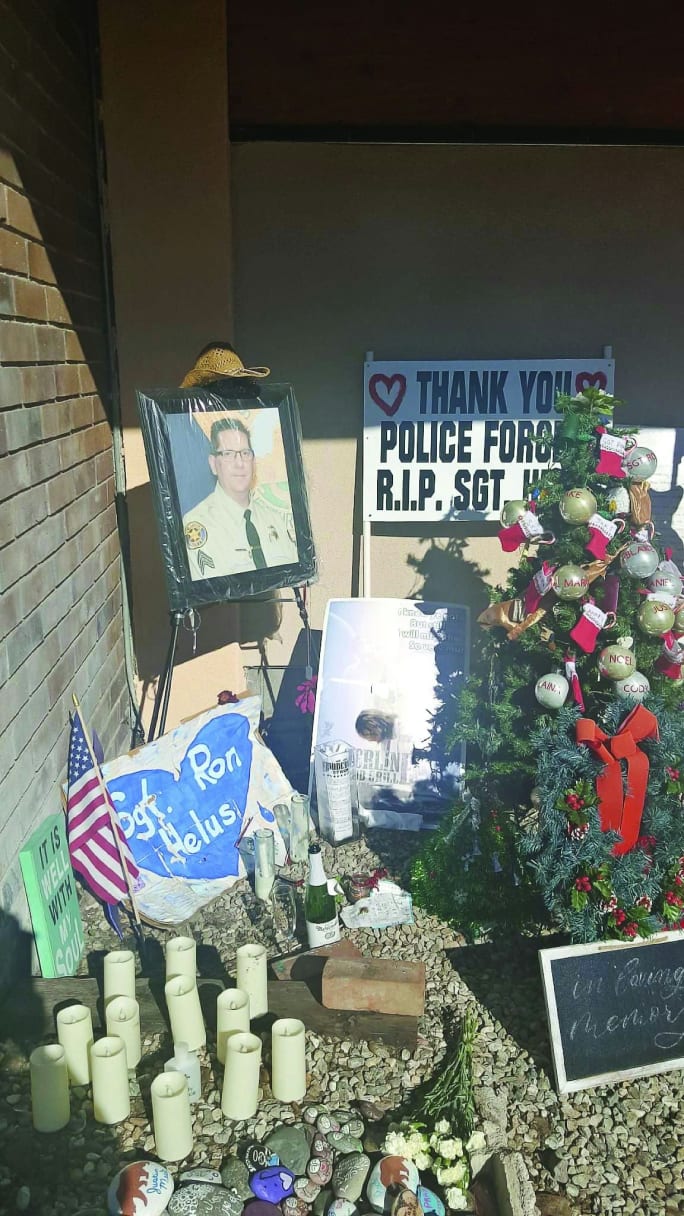
A memorial to Sgt. Ron Helus at the Borderline Bar and Grill.
Photo: Lynn Hamilton
A Fresh Set of Eyes
This problem relates specifically to law enforcement officers providing security at large public gatherings, like indoor and outdoor concerts, parades, and sporting events. Specifically, we need to start having fresh sets of police eyes on duty well past the end of the event.
The May 2017 bombing at the Ariana Grande concert in the UK happened outside, after her concert was over. The 2017 mass shooting in Las Vegas happened outside, near the end of the show. (The February 2018 shootings at the Parkland, FL high school happened at the end of the school day.) We need to pay just as much attention to security at the end of these events as at the beginning and during them, because that's when our vigilance starts to diminish.
If you have ever worked a large public gathering as a uniformed officer, you know it can be challenging, with lots of drunks or drug users; loose kids; confused, angry, or excited people; and plenty of pushing and shoving in the walkways and aisles. If you have to make arrests, transport (mostly obnoxious) prisoners, or keep people from climbing on to the stage or running onto the field, it can be a tiring day. As such, as your shift draws to a close, in unison with the end of the event, it's easy and human nature to get distracted and think mostly about your sore feet, tired back, empty stomach, getting back to your station, and going home.
Split Event Security Shifts
This is where the solution lies: split shifts. If vigilance at the end of the shift is the problem, we need to start staffing major events by having a squad of officers come on duty mid-event and stay on well past the end of the concert or game, well after the audiences (and their first-shift police colleagues) have left the vicinity.
As an example, it's common practice for many sports arenas and stadiums to open most of the exit gates to let people leave after the eighth inning, near the end of the fourth quarter in football, etc. These gates are often lightly staffed with security, if at all. You can just as easily walk in to watch the end of the event as you can walk out.
This security loophole is easily fixed: The second shift of police officers (and security guards) should staff these areas and allow ticket holders to leave but keep non-ticket holders out. They should also pay careful attention to the facility perimeters, something the officers leaving their shifts rarely do. (The concept of putting on "felony blinders" and not wanting to see anything bad on your way back to the station has only been a part of policing for 150 years.)
Give our cops back the right to be armed at concerts, theme parks, and sporting events. Let's start splitting police shifts to cover the events fully, not just strong at the beginning and the middle and then fading out at the end.
Steve Albrecht worked for the San Diego Police Department for 15 years. His 21 books include Albrecht on Guns, Albrecht and Farrow on Guns, Patrol Cop, Contact and Cover, and Tactical Perfection for Street Cops. He can be reached at DrSteve@DrSteveAlbrecht.com.
More Patrol
Adept Armor Introduces Two New Rifle Plates
Adept Armor has launched two new Level IV ballistic plates, the Emperor and the Archon Mark 2, which brings Adept Armor’s new Quatroid ceramic to the high-threat, performance-value center of the range at 5.2 pounds.
Read More →
POLICE Product Test: Benchmade Bailout
The Benchmade Bailout is a slim, lightweight carry knife with a deep-ride pocket clip and comes in a variety of blade steels and scales. Here is a detailed review of the Taiga Green Bailout, released earlier this year.
Read More →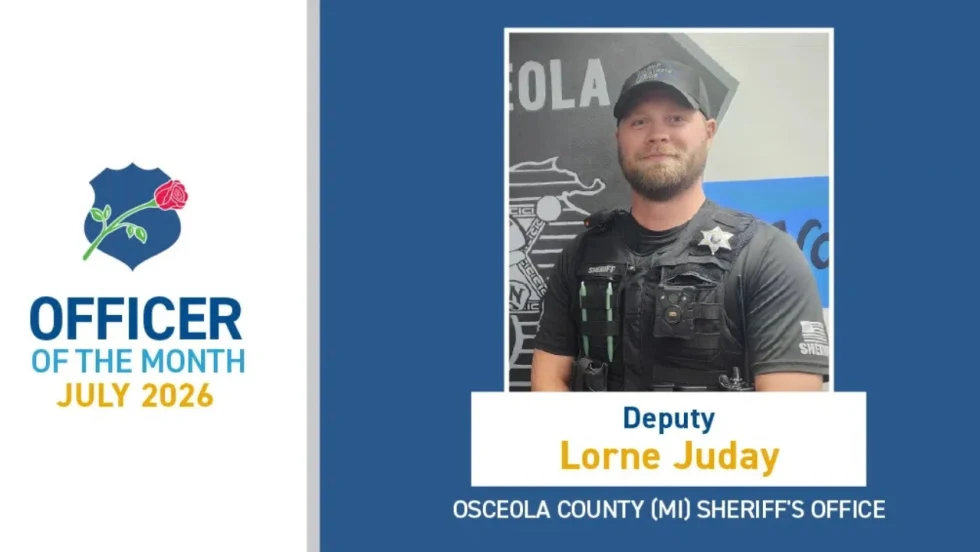
NLEOMF Announces July 2026 Officer of the Month
NLEOMF honored a Michigan deputy sheriff as the July 2026 Officer of the Month for rescuing a trapped driver from a burning vehicle following a Fourth of July crash.
Read More →
Streamlight to Showcase Newest Lighting Products at National Safety Council’s Safety Congress & Expo 2026
Streamlight will showcase its latest lights, including the Portable Scene Light III and the LiteBox 1Million, at the 2026 National Safety Council (NSC) Safety Congress & Expo.
Read More →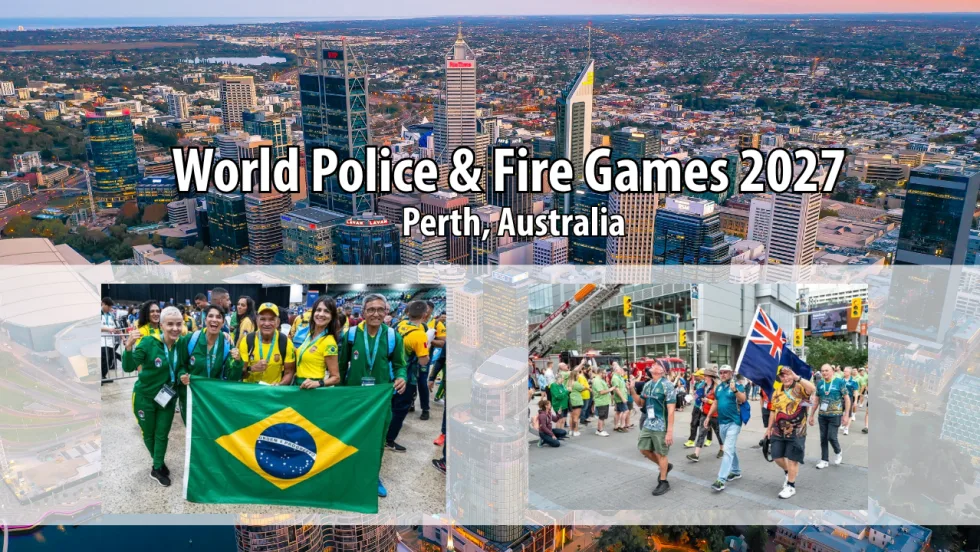
The 2027 World Police & Fire Games Set for Perth, Australia
The 2027 World Police & Fire Games (WPFG) will take place in Perth, Western Australia, from Friday, March 12 through Sunday, March 21, 2027.
Read More →
5.11 Partners with National Fallen Firefighters Foundation to Support #ForThe343
5.11 has joined the nationwide movement honoring the 343 New York City Fire Department firefighters lost on Sept. 11, 2001.
Read More →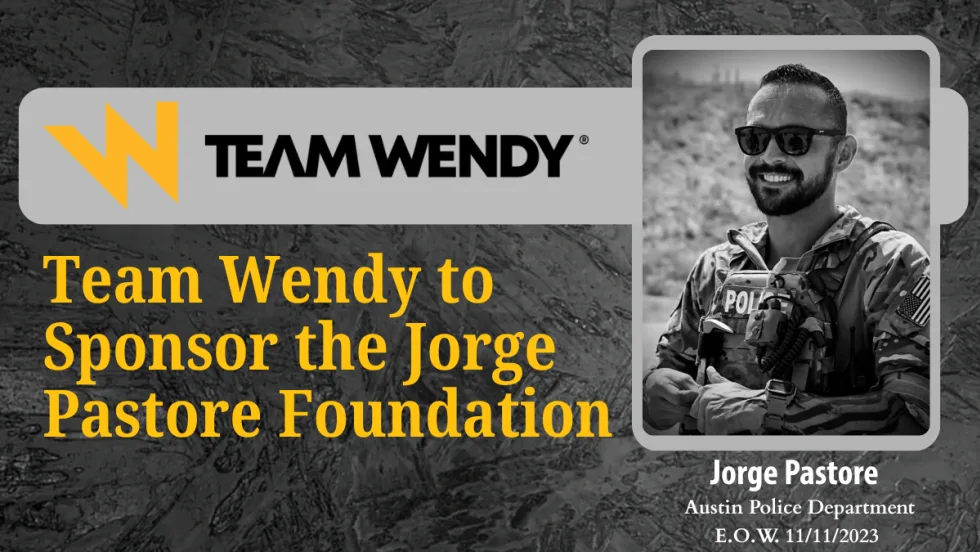
Team Wendy Announces Title Sponsorship of the Jorge Pastore Foundation
Team Wendy’s 3-year partnership with the Jorge Pastore Foundation expands access to programs that strengthen those who serve.
Read More →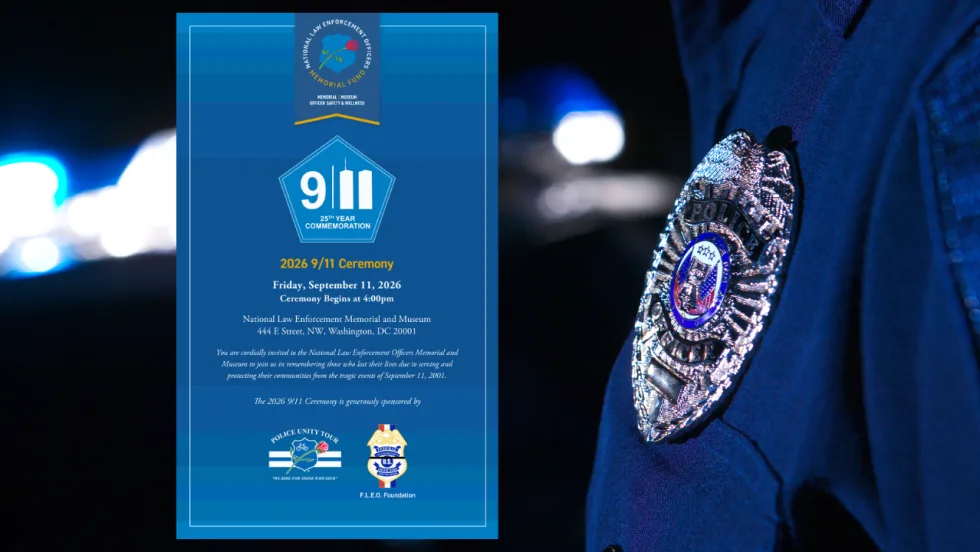
National Law Enforcement Memorial and Museum Hosting 9/11 25th-Year Commemoration Ceremony
The National Law Enforcement Memorial and Museum is hosting a 9/11 25th Year Commemoration Ceremony on Sept. 11 at 4 p.m.
Read More →
National Law Enforcement Officers Memorial Fund Announces June 2026 Officers of the Month
The National Law Enforcement Officers Memorial Fund (NLEOMF) named 15 officers of the Chico Police Department (California) as the Officers of the Month for June 2026 for their roles in responding to an active-shooter incident at a public library.
Read More →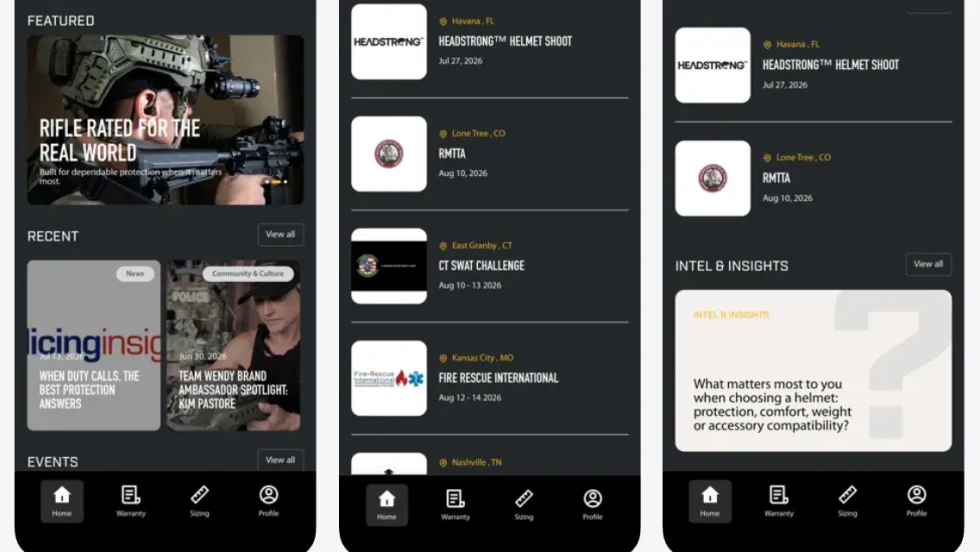
Team Wendy App Creates New Digital Hub for Helmet Owners
The Team Wendy Community App provides one location for warranty registration, size-fit tools, product updates, and community connection. For helmet owners, the new app creates a simpler path to the information and tools that matter most.
Read More →