



How To Protect Yourself from COVID-19 Infection
Arm yourself with the knowledge and gear to prevent the spread of coronavirus and other diseases.

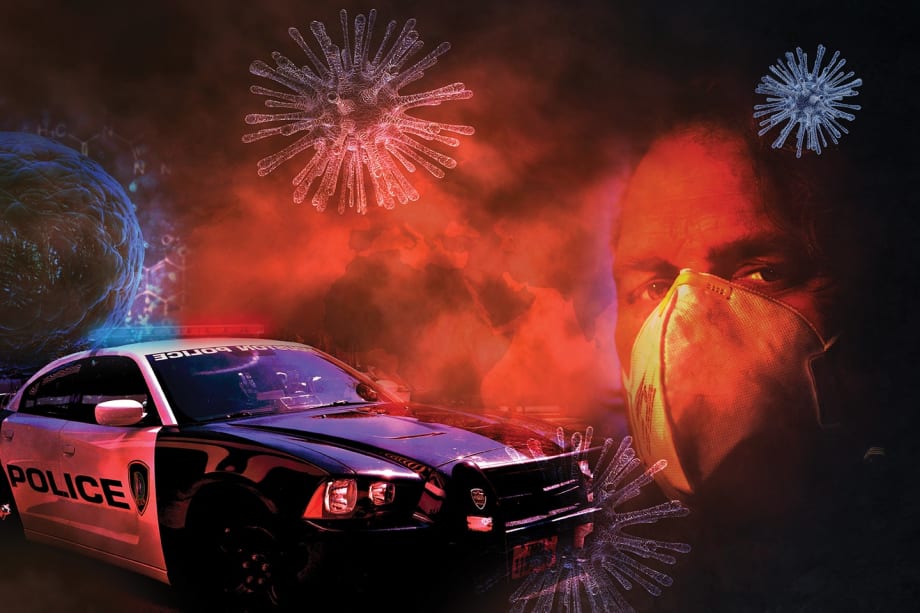
Illustration: Kevin Haegele, POLICE art director
With the news full of reports about the novel coronavirus circulating around the globe (or COVID-19, as the disease caused by the virus is now officially known), this seems like the perfect time to think about the threats such viruses pose, especially for law enforcement officers. For some time now the U.S. Department of Justice has been aware of this issue. In fact, its paper "The Role of Law Enforcement in Public Health Emergencies," published more than a decade ago, warned that:
"Public health emergencies pose special challenges for law enforcement, whether the threat is manmade (terrorist attacks) or naturally occurring (e.g., flu pandemics)."
Of course, the threat to an officer's health in such circumstances depends on a variety of factors. Will you, for instance, be asked to enforce public health orders, such as quarantine orders or travel restrictions? Perhaps you will be required to seal off contaminated areas, guard health care facilities, or control unruly crowds. You might even be called in to protect vaccine stockpiles or other medical items.
Whatever the situation, you will be in the line of "viral fire," so to speak. So, how can you protect yourself from infection?
Well, the answer, like the question, is complicated. However, for the moment let's just focus on COVID-19 and what it means to you.
What is COVID-19
It's worth reminding people that, on January 31, 2020, Health and Human Services Secretary Alex Azar declared a public health emergency for the United States. The aim being to help the country's healthcare community to respond to COVID-19.
Like MERS-CoV and SARS-CoV, COVID-19 is a betacoronavirus, and they all have their origins in bats. As you probably know, the epicenter of the outbreak was in the Chinese city of Wuhan in Hubei Province. However, even though this suggests an animal-to-person spread early on, it is spreading person-to-person.
Symptoms
Since you deal with the public every day, you should be alert to the symptoms of COVID-19. The virus can take anywhere from two to 14 days to incubate, and even then, some of the infected may not exhibit any signs. However, know the main signs:
Fever
Cough
Shortness of breath or difficulty breathing
Some victims have also reported having headaches, being excessively tired, and suffering from diarrhea. The fact is that COVID-19 can range in severity from very mild to acute. Older people or those with underlying medical conditions are especially at risk.
How to Protect Yourself
It is not inevitable that you will be infected by COVID-19, but the fact that you deal with many different people in many different circumstances every day means you are perhaps more vulnerable than others.
According to the CDC (Centers for Disease Control and Prevention), the virus spreads, "Mainly from person-to-person via respiratory droplets . . . [which are] produced when an infected person coughs or sneezes and can . . . be inhaled into the lungs of people who are nearby."
If you and/or your fellow officers should come into contact with a victim of the virus, try to do the following:
Wear the proper personal protective equipment (PPE) and make sure it is correctly fitted. Use the 'buddy system' with your fellow officer(s) to check that each of you has followed protocols.
If at all possible, try to maintain a distance of at least six feet from the infected person. This will prove difficult, but you should try nevertheless.
Wash your hands (for at least 20 seconds) with soap and water as many times a day as is practical. If soap and water are not available, use an alcohol-based hand sanitizer.
Very important: Avoid touching your face—especially your mouth, eyes, and nose—with unwashed hands.
If you have to transport a COVID-19 victim to a hospital (or any health care facility for that matter) make sure a trained Emergency Medical Service/Emergency Medical Technician handles the actual transportation. Do not use your squad car!
What You Should Carry
It's almost inevitable that at some point you'll come into contact with a person who is—or is suspected of being—infected with COVID-19. You should carry some sort of Personal Protective Equipment (PPE). Of course, there are many different types of PPE, but at a very minimum you should have available:
A pair of disposable examination gloves.
A disposable isolation gown or single-use coveralls.
A NIOSH-approved particulate respirator.
Eye protection, e.g. goggles or disposable face shields that cover the entire face.
Of course, you may also come into close contact with (potentially infected) individuals if you are effecting an arrest. In which case, you should follow the CDC's guidelines on the subject:
"Clean and disinfect duty belt and gear prior to reuse using a household cleaning spray or wipe, according to the product label.
"Follow standard operating procedures for the containment and disposal of used PPE.
"Follow standard operating procedures for containing and laundering clothes. Avoid shaking the clothes."
If you have any questions regarding the foregoing items consult the CDC's Interim Guidance for EMS.
Hope for the Best. Plan for the Worst.
If you are fortunate enough to be in a command position, you obviously have to be aware of the needs of the general public—and the safety and welfare of your officers. You need to define and communicate your goals should you, or one of your officers, contract COVID-19. There are at least four key objectives:
1. Lowering transmission levels among the staff.
2. Safeguarding those at higher risk from the virus.
3. Continuing essential policing procedures.
4. Reducing (as much as possible) the effects of your infection on other critical public services, such as fire departments, EMS, power and light companies, sanitation efforts and communications.
It's also very important that you have contingency plans in place to handle the increased numbers of absences because of employee and family-related illness. Cross-training your staff is one way of being able to carry out essential functions, even if your workforce is seriously depleted. But be prepared to change your plans so that you can maintain critical operations.
It goes without saying that you should make your plans known to those aforementioned critical public services and coordinate your efforts with theirs.
At this point it should come as no surprise that with COVID-19 we are dealing with a virus that is both versatile and, in some cases, deadly. However, despite all the media "excitement" and the fear that is now engulfing a large portion of the U.S. population, we have the knowledge and expertise to deal with this crisis.
In fact, there are many, many reliable resources you can turn to for help and advice. Here are some of the organizations whose publications will provide information you may find useful:
Centers for Disease Control and Prevention
Noel McCarthy has worked as a writer and editor throughout his career. A former director for Thomson Reuters, Noel also worked for PwC for 17 years. He is a staff writer for Steri-Fab.
More Patrol

Why Tennessee’s New Deadly Force Law Matters Beyond Tennessee
Tennessee’s new deadly force law is more limited than many may realize. Effective July 1, 2026, the law applies to a person who is not engaged in conduct that would constitute a felony or a Class A misdemeanor and who is in a place where the person lawfully resides. But it could have far-reaching influence.
Read More →
When Do You Transport a Wounded Officer by Police Vehicle?
Time-sensitive injuries like penetrating trauma mean a wounded officer needs to reach a trauma center as soon as possible, and in some cases, that means transporting by police vehicle rather than waiting for EMS. What are the factors to consider in making that transport decision?
Read More →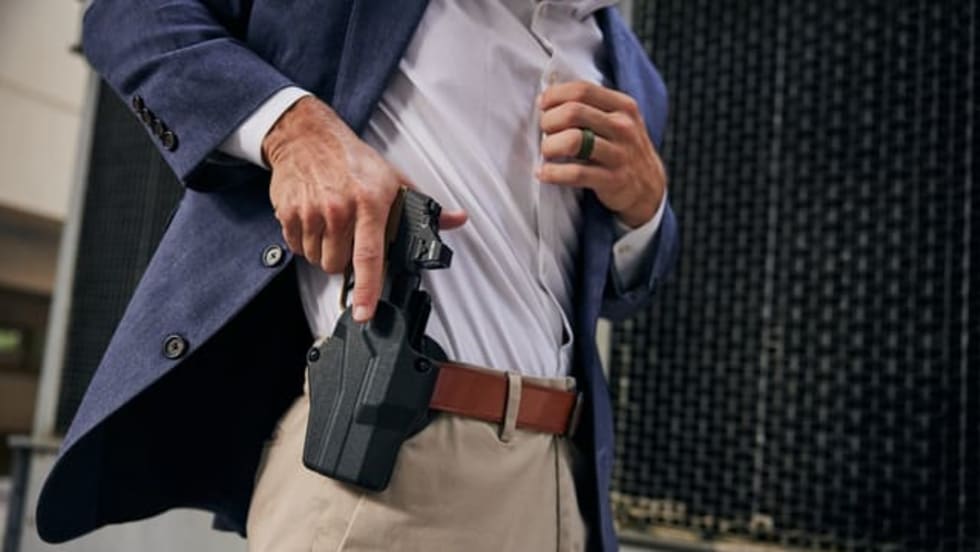
Safariland Solis Rethinks Concealable Duty
What if Level I retention didn’t require a full duty rig? Safariland’s Solis delivers trusted ALS security in a streamlined OWB platform built for administrative and plainclothes professionals who need protection without the bulk.
Read More →
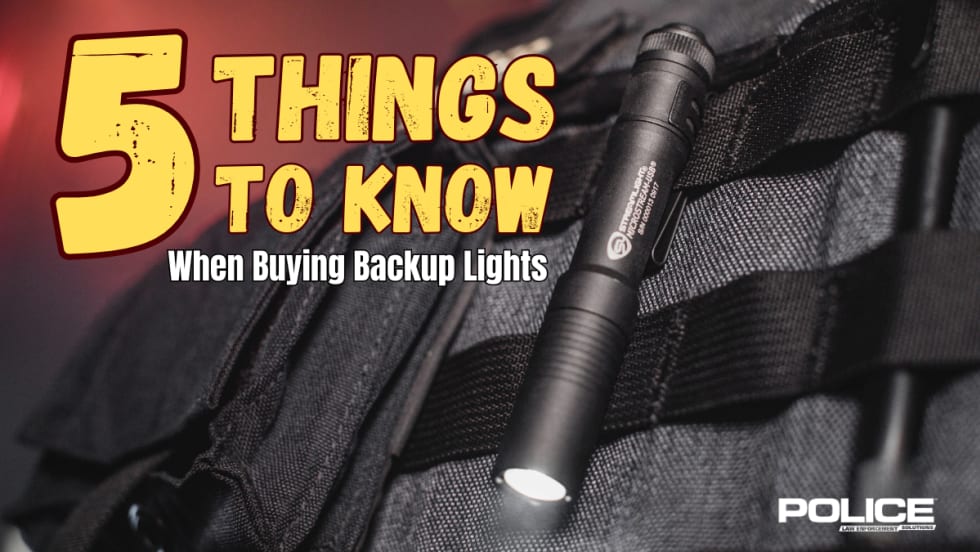
5 Things to Know When Buying Backup Lights for Patrol Use
What is the value of a backup light, and what do you need to consider when selecting one? These smaller lights are invaluable as a secondary or special-purpose light and can be easily carried in a pocket or clipped to MOLLE gear, a key chain, shirt, or a vest.
Read More →
363 Fallen Officers Honored During National Police Week
In case you missed NELOMF’s annual Candlelight Vigil, here are all 363 names of the fallen officers whose names were added to the National Law Enforcement Officers Memorial this year.
Read More →
NYPD Officers Who Responded Quickly During IED Incident Recognized as NLEOMF Officers of the Month
Chief Aaron Edwards and Sgt. Luis Navarro were recognized by NLEOMF as Officers of the Month for their response during an IED incident and their actions that helped prevent harm to the public.
Read More →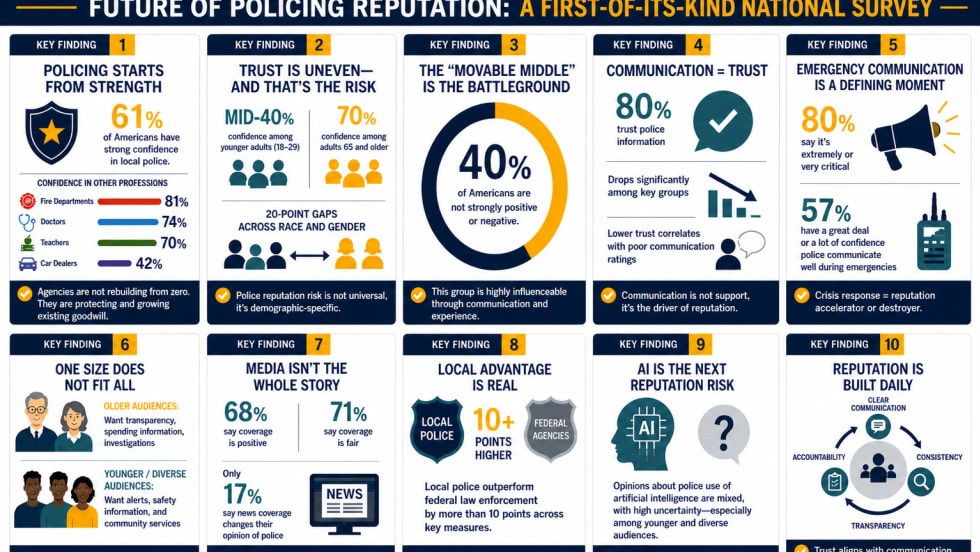
National Police Survey Reveals How Americans View Policing Today
A new national survey offers a comprehensive look at how Americans view policing. The study uncovers public sentiment toward local vs. federal police, communications, crisis response, the use of AI in policing, and more.
Read More →
Streamlight TLR-7 X Selected as Standard Issue Pistol Light by Canadian Federal Police
The Canadian Federal Police will be adding a new duty pistol system, which will include Streamlight’s TLR-7 X and a Glock 45 MOS 7 pistol with a red dot sight.
Read More →
Fallen Law Enforcement Officers from Across the Country to be Honored During 38th Annual Candlelight Vigil on May 13th in Washington, D.C.
The National Law Enforcement Officers Memorial Fund (NLEOMF) will honor 363 fallen officers who have died in the line of duty as their names are added to the National Law Enforcement Officers Memorial during the annual Candlelight Vigil on May 13.
Read More →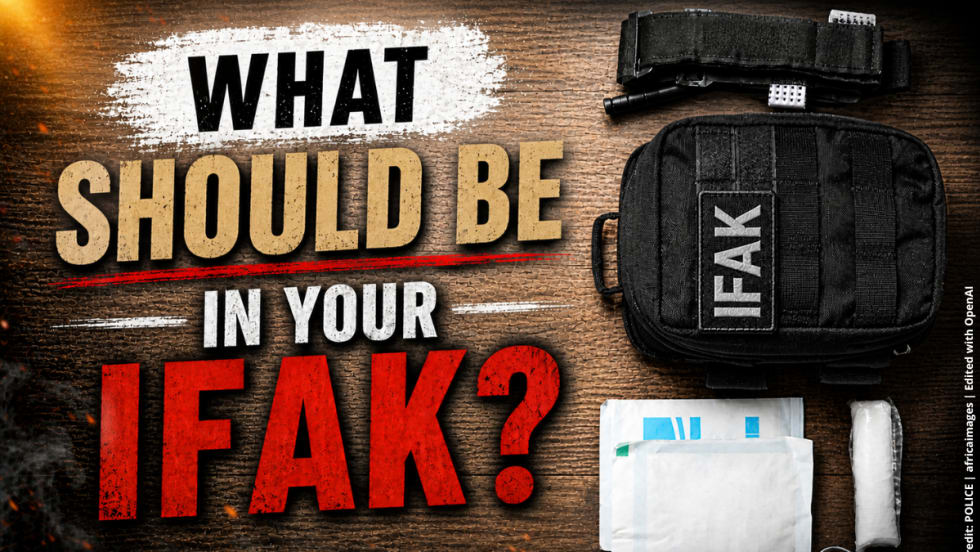
What Should Be in Your IFAK?
What should every officer include in an IFAK? Sydney Vail, M.D., a veteran trauma surgeon and former SWAT surgeon, explains which components are needed and which are not, and stresses training.
Read More →