



Editorial: Life Insurance
You face many life-threatening hazards on the job, take the precautions necessary to protect yourself.

Every year, some nimrod organization produces a report on the most dangerous jobs in America. And often law enforcement doesn't even make the list. It's usually full of occupations like commercial fishing, or farming, or logging.
Sometimes the media running these stories is big on pointing out that cops and firefighters didn't make the list of most dangerous jobs. Sometimes anti-police activists use these stories to slam you for being whiners over officer safety because police work isn't really that dangerous. To which I say… Bull! These lists are compiled by statisticians with no concepts of the dangers you face.
Sure logging and fishing and roofing are dangerous jobs. but there's one big difference between being injured on the job as a roofer and being injured on the job as a cop: malice.
Unless we're living in some kind of Stephen King universe, then the combine that maimed Farmer Bob was not sentient and it had no desire to hurt the man. The same can't be said of the hundreds of people who killed and assaulted police last year during riots and traffic stops and domestics, and other operations.
So don't let anyone get away with lying about how safe law enforcement is as a profession. You know better. You know it from the funerals you've attended, from the visits to fellow officers in the hospital, and from the injuries you’ve experienced on the job.
Last year was particularly nasty for law enforcement. The National Law Enforcement Officers Memorial Fund (NLEMOF) says there were 264 line-of-duty deaths in 2020. By NLEOMF's accounting, that's 48 killed feloniously by firearms; 44 killed in various vehicle incidents; 27 from other causes; and 145 confirmed deaths by COVID-19. Other sources paint an even grimmer picture. The National Fraternal Order of Police reports that more than 300 officers died in 2020 from COVID-19. The Officer Down Memorial Page reports 192 COVID-19 line-of-duty deaths in 2020. Regardless of which figure is correct, COVID has resulted in law enforcement deaths at a scale unseen in decades.
Now I know that some of you are skeptical about COVID. But it's long past time for you to look at this disease as a cop killer. You put on uncomfortable body armor every shift because of cop killers, but some of you refuse to wear masks to avoid the most vicious cop killer you've ever seen. And some of you don't want to get the vaccine.
Maybe it's a generational thing but I just don't understand the anti-vaccine thing. Back when I was a kid in the early '60s, doctors just gave you shots. I'm not even sure they asked my parents. I'm pretty sure the schools didn't. In elementary school, they handed out the sugar cubes with the Salk polio vaccine and we ate them. For measles they lined us up in front of a vaccination air gun and injected that stuff into our arms Army style. No forms, no fuss, no muss. Since then, I've had a lot of vaccines. My worst experience with them has been arm pain and headaches.
So I urge you to wear masks when practical and to get the vaccine. Remember if you contract COVID on the job, you have a good chance of spreading it to fellow cops, your family, and your friends. Don't you want to do everything possible to prevent that?
Beyond COVID, the annual death count of police also included the usual causes. And one of the most constant cop killers in America is the patrol vehicle accident. I see these reports in the news, and I can sometimes read between the lines. What that between-the-line reading tells me is that the officer involved was not wearing a seat belt. I'm not a cop, so I hesitate to offer you tactical advice. But officers with tons of experience have told me that wearing your seat belt does not place you at a tactical disadvantage. Train yourself to release the belt quickly, but wear it. Oh, and slow down. You cannot help the public or fellow officers if you crash your vehicle while responding.
Finally, wear your armor. I know, even though there have been many improvements in just the last few years, it's still hot, it's still uncomfortable, and no one would wear it if they didn't have to. But you have to think of it as life insurance. It will protect you when you need it. NLEOMF says last year 44 officers were killed by gunfire. That figure would be much higher if the officers were not wearing their armor. The National FOP says that 314 officers were shot on duty in 2020. And I can tell you from covering the stories, that at least 10 of those officers were saved from serious injury or death by body armor.
Despite what any article says, law enforcement is a very dangerous profession. Take the precautions necessary to prevent yourself from becoming a statistic.
More Patrol
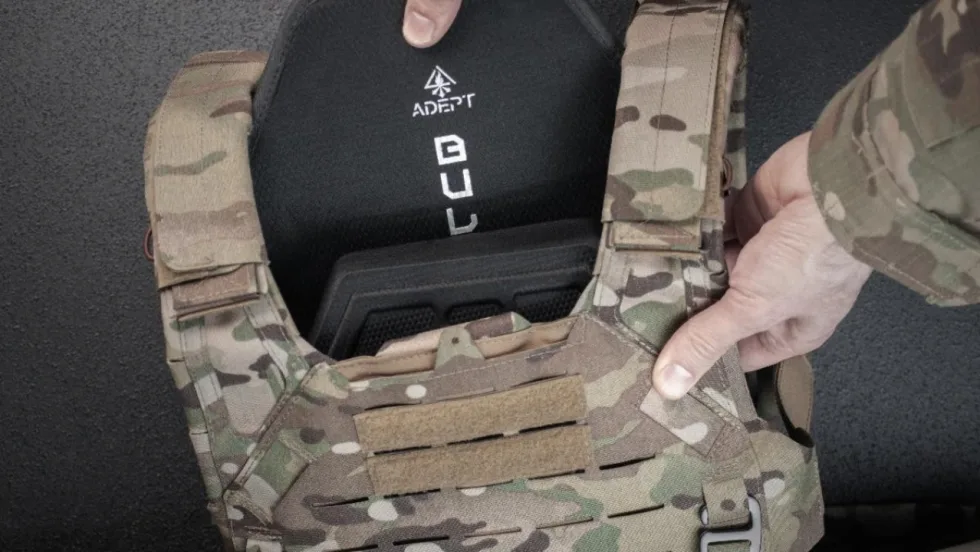
Adept Armor Introduces Two New Rifle Plates
Adept Armor has launched two new Level IV ballistic plates, the Emperor and the Archon Mark 2, which brings Adept Armor’s new Quatroid ceramic to the high-threat, performance-value center of the range at 5.2 pounds.
Read More →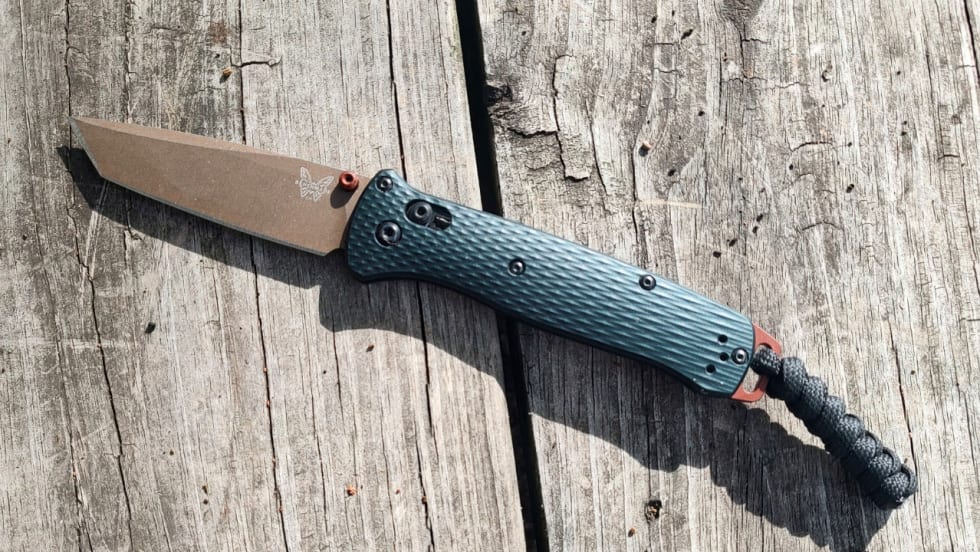
POLICE Product Test: Benchmade Bailout
The Benchmade Bailout is a slim, lightweight carry knife with a deep-ride pocket clip and comes in a variety of blade steels and scales. Here is a detailed review of the Taiga Green Bailout, released earlier this year.
Read More →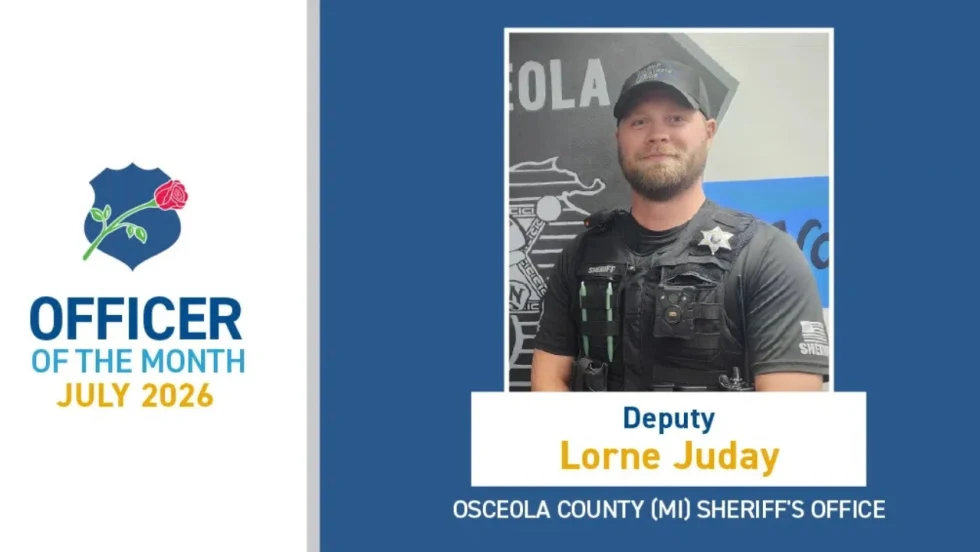
NLEOMF Announces July 2026 Officer of the Month
NLEOMF honored a Michigan deputy sheriff as the July 2026 Officer of the Month for rescuing a trapped driver from a burning vehicle following a Fourth of July crash.
Read More →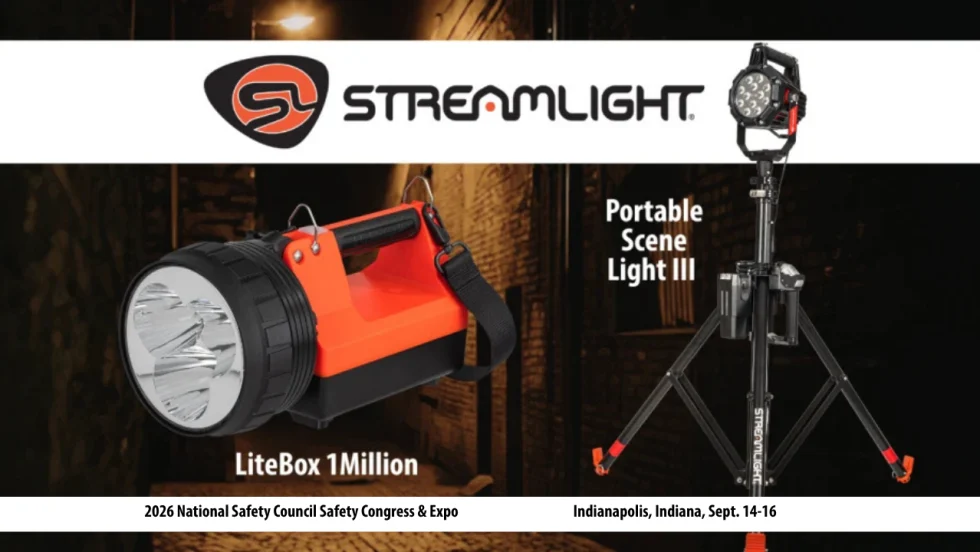
Streamlight to Showcase Newest Lighting Products at National Safety Council’s Safety Congress & Expo 2026
Streamlight will showcase its latest lights, including the Portable Scene Light III and the LiteBox 1Million, at the 2026 National Safety Council (NSC) Safety Congress & Expo.
Read More →
The 2027 World Police & Fire Games Set for Perth, Australia
The 2027 World Police & Fire Games (WPFG) will take place in Perth, Western Australia, from Friday, March 12 through Sunday, March 21, 2027.
Read More →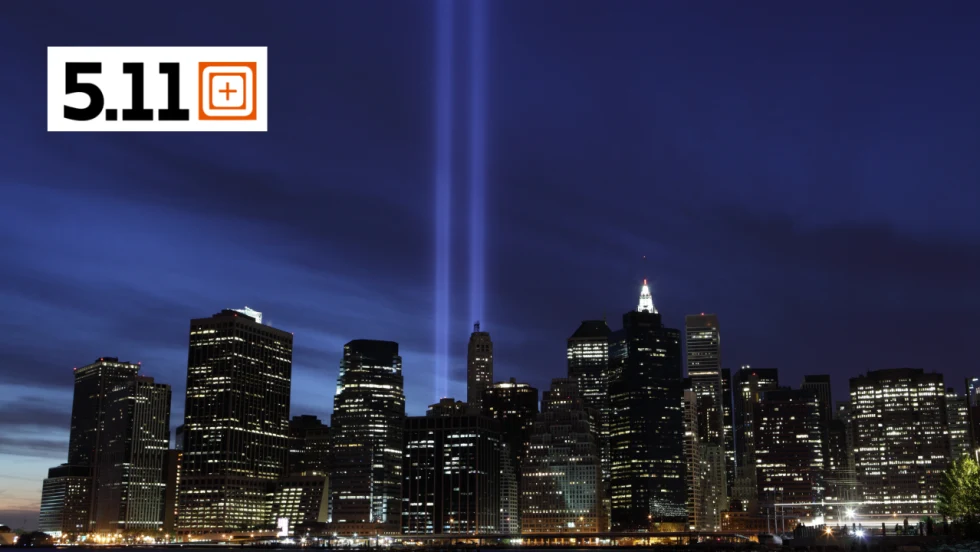
5.11 Partners with National Fallen Firefighters Foundation to Support #ForThe343
5.11 has joined the nationwide movement honoring the 343 New York City Fire Department firefighters lost on Sept. 11, 2001.
Read More →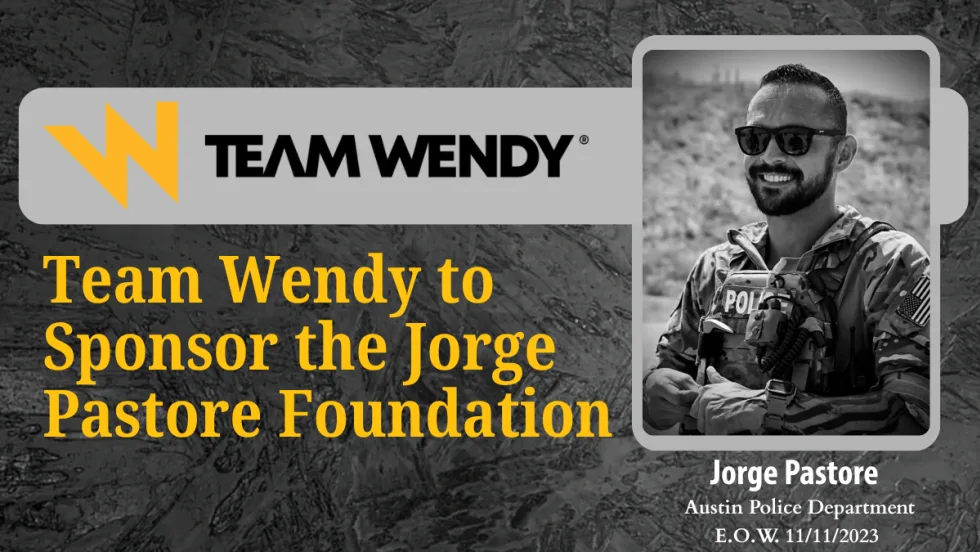
Team Wendy Announces Title Sponsorship of the Jorge Pastore Foundation
Team Wendy’s 3-year partnership with the Jorge Pastore Foundation expands access to programs that strengthen those who serve.
Read More →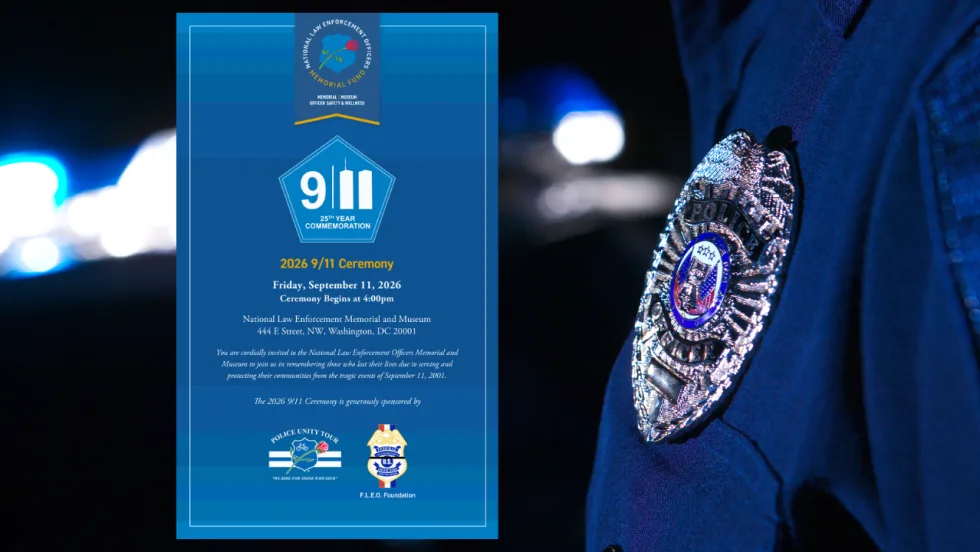
National Law Enforcement Memorial and Museum Hosting 9/11 25th-Year Commemoration Ceremony
The National Law Enforcement Memorial and Museum is hosting a 9/11 25th Year Commemoration Ceremony on Sept. 11 at 4 p.m.
Read More →
National Law Enforcement Officers Memorial Fund Announces June 2026 Officers of the Month
The National Law Enforcement Officers Memorial Fund (NLEOMF) named 15 officers of the Chico Police Department (California) as the Officers of the Month for June 2026 for their roles in responding to an active-shooter incident at a public library.
Read More →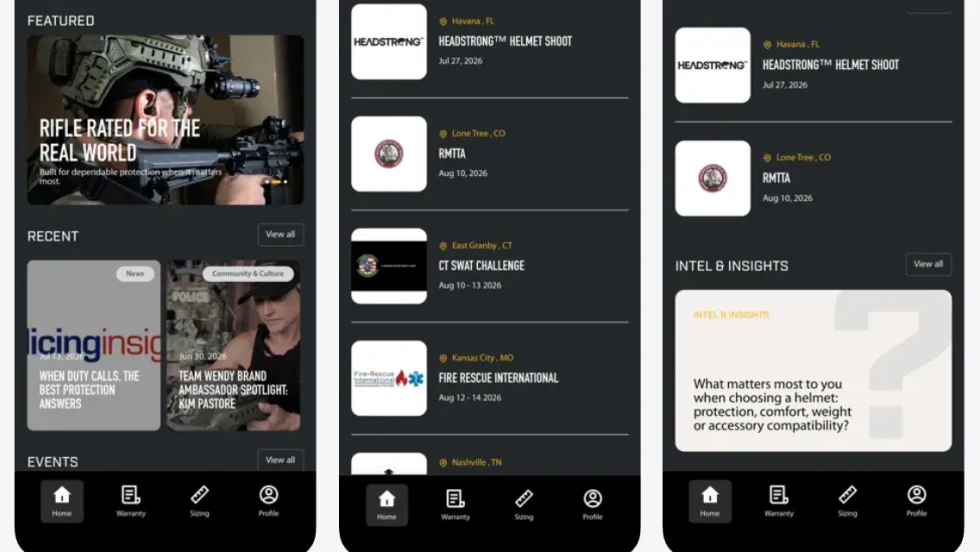
Team Wendy App Creates New Digital Hub for Helmet Owners
The Team Wendy Community App provides one location for warranty registration, size-fit tools, product updates, and community connection. For helmet owners, the new app creates a simpler path to the information and tools that matter most.
Read More →